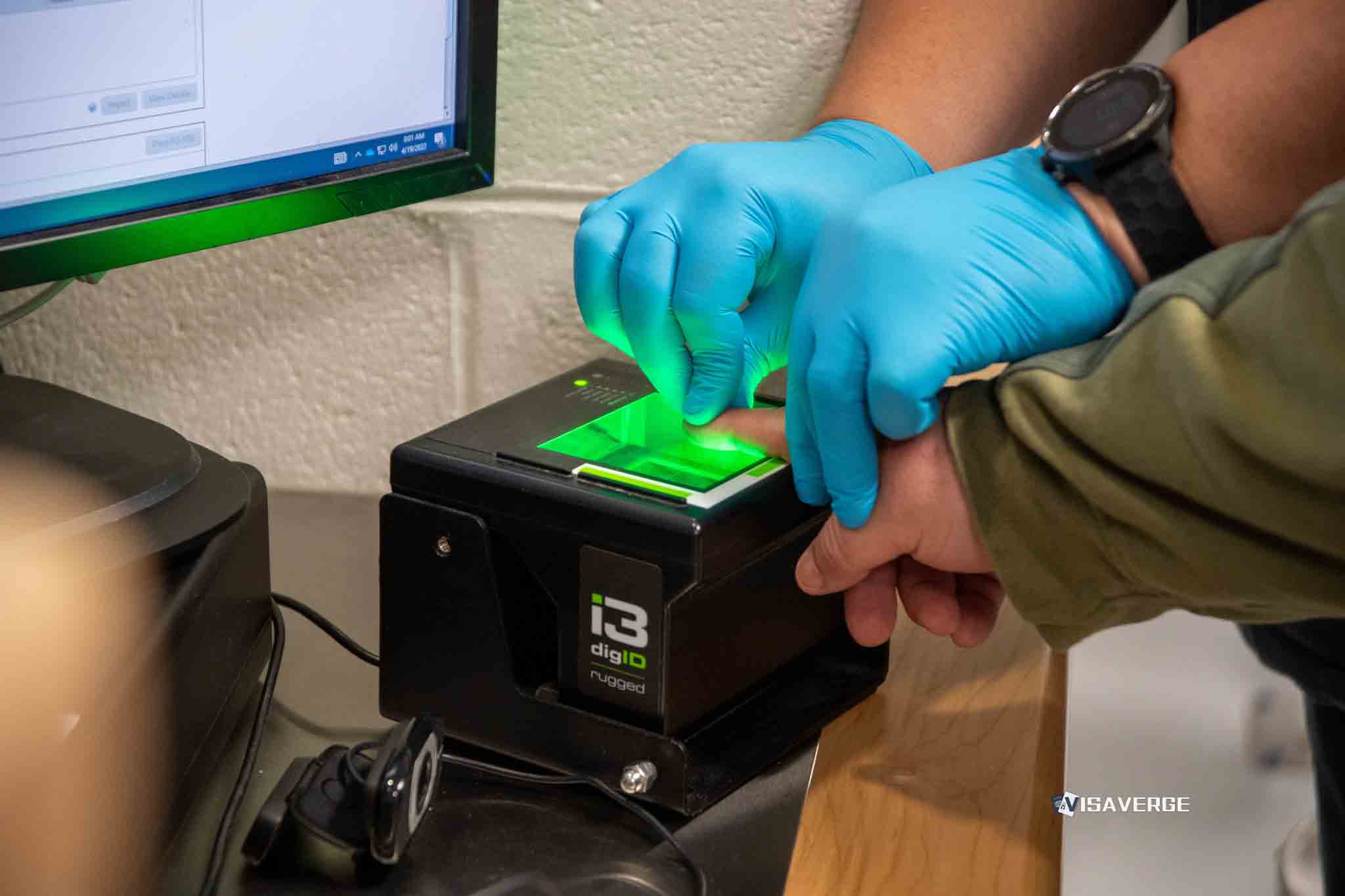
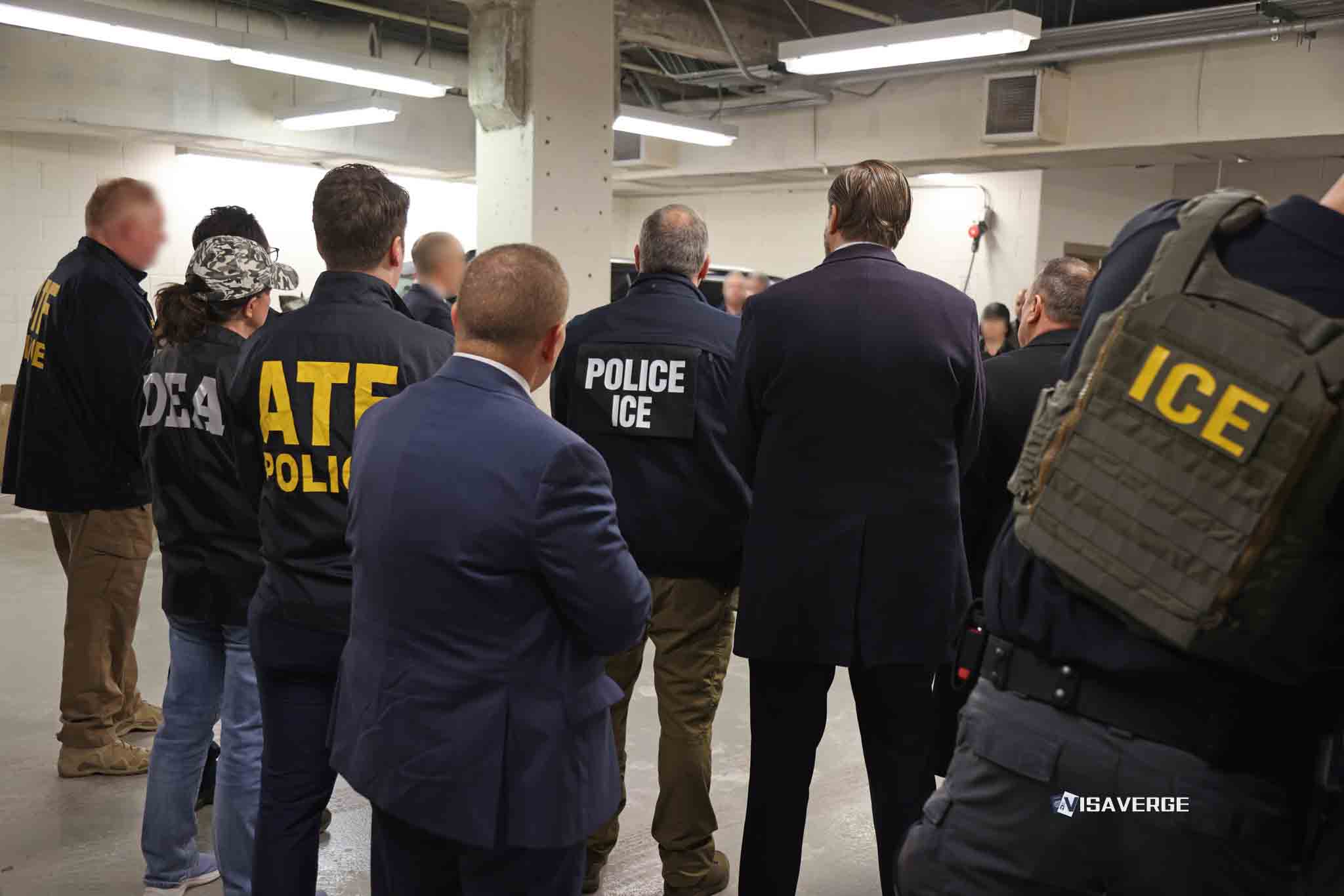
- Gyeonggi Province launched a childcare subsidy for undocumented families to protect basic rights of children.
- Fear of deportation and family separation has kept enrollment numbers significantly lower than expected.
- The national Immigration Act requires reporting undocumented immigrants, creating a conflict with local welfare efforts.
(GYEONGGI PROVINCE, SOUTH KOREA) — Gyeonggi Province launched a childcare subsidy program in February 2026 for children of undocumented migrants, but many parents are staying away because they fear registration could expose them to immigration enforcement.
The program pays 100,000 to 150,000 KRW ($67 to $101) a month for children born to undocumented migrants. Provincial officials framed it as an effort to protect children outside the formal system, regardless of their parents’ immigration status.
Free toolUSCIS Receipt Number Decoder
Enrollment has remained low in a region with an estimated 20,000 undocumented children. Parents fear a paper trail. They also fear that a request for Gyeonggi aid could lead to arrest, deportation, or separation from their children.
A Gyeonggi Provincial official said on April 13, 2026, “The program was launched despite institutional instability and anxiety among parents because we deemed it urgent to guarantee the basic rights of undocumented migrant children outside the formal system.”
Provincial officials also acknowledged the legal risk built into the current system. Under current laws, they said, “once local officials notify immigration authorities, deportation procedures could begin, potentially resulting in the child either being deported with the parents or separated from them.”
The conflict sits between a provincial welfare policy and a national enforcement law. Gyeonggi is trying to extend direct welfare support to undocumented families. South Korea’s immigration rules still require public officials to report undocumented immigrants in most cases.
Article 84 of South Korea’s Immigration Act requires public officials to report undocumented immigrants without delay. The law allows narrow exceptions for medical care and for elementary or secondary education services. Childcare is not exempt.
That leaves undocumented parents in legal limbo. A subsidy exists. Accessing it can create contact with public systems that parents have spent years avoiding because of deportation fears.
Gyeonggi officials have tried to build a work-around. Daycare centers, not parents, apply for the stipends on behalf of families. The arrangement is meant to shield undocumented mothers and fathers from direct contact with government offices.
The province also runs a public verification system that issues certificates to undocumented children. Those certificates allow access to public libraries and support services from nongovernmental groups. Officials have used that system as a limited bridge into local services without forcing parents into open contact with immigration authorities.
Even with those steps, the program carries risk. The lack of a firewall between welfare services and enforcement means that a request for a 100,000 KRW monthly subsidy can carry consequences far beyond childcare costs.
At stake is the possibility of family separation. Provincial officials have openly recognized that enforcement can begin after notification. A child could leave the country with deported parents, or remain behind without them.
The Ministry of Justice said in December 2025 that it was working on a legal revision to exempt childcare support from mandatory reporting. By April 2026, it had not proposed an amendment. Instead, the ministry urged provincial officials to pursue “active administration,” a phrase officials use when encouraging agencies to find solutions within existing laws.
That ministry position has left Gyeonggi officials trying to expand aid without the legal protection they sought. The province can offer a benefit. It cannot exempt applicants from a national reporting requirement on its own.
Gyeonggi’s move marks the first known attempt by a local government in South Korea to provide direct financial welfare to an undocumented population. The measure reflects a rights-based argument that children should receive care and support regardless of their parents’ status, an approach that officials tie to the U.N. Convention on the Rights of the Child.
National policy points in another direction. The Ministry of Justice continues to prioritize immigration control, and Article 84 remains in force. That gap between local welfare goals and national enforcement has made undocumented migrants wary of any formal contact with the state.
Parents’ anxiety is not abstract. A daycare subsidy requires records, verification, and contact with institutions that report to public authorities. Even when a center files the paperwork, families know the money comes from government and fear their names, addresses, or child records could eventually be traced.
Provincial officials have not disputed that fear. Their own description of the risk, that deportation procedures could begin after notice to immigration authorities, has reinforced the caution among families the policy was supposed to help.
The result is a program that exists on paper but reaches only a fraction of those it targets. Gyeonggi officials say they launched it because the need was urgent. Undocumented parents, facing the prospect of deportation or losing daily contact with their children, have often decided that staying invisible is safer than applying.
The legal and administrative debate has played out against broader official discussions about migrant welfare and social access. Gyeonggi Province has posted updates through its official news site, while the Ministry of Justice remains the agency responsible for the reporting rules that shape how far local governments can go.
Government references have also appeared on Korea.net, which archived material on Jan. 2, 2026. The U.S. State Department has offered broader human rights context after Under Secretary Sarah Rogers visited Seoul on April 8, 2026, though no comment addressed the Gyeonggi program itself.
Inside Gyeonggi, the immediate problem is less diplomatic than procedural. Provincial officials want children in daycare to receive support. Parents weighing whether to accept that money are calculating a different cost, whether one application could put the whole family on the path to removal.
Until the ministry changes Article 84 or creates a childcare exemption, that tension will remain built into the program. Gyeonggi aid is available, but for many undocumented migrants, the fear attached to claiming it has proved stronger than the benefit itself.