Key Takeaways
- Oklahoma approved a January 28, 2025 rule requiring proof of student citizenship or immigration status for school enrollment.
- Schools must collect and report undocumented student numbers, and law enforcement access to this data raises privacy concerns.
- Critics argue the rule undermines Plyler v. Doe, discouraging undocumented children’s education and likely prompting constitutional legal challenges.
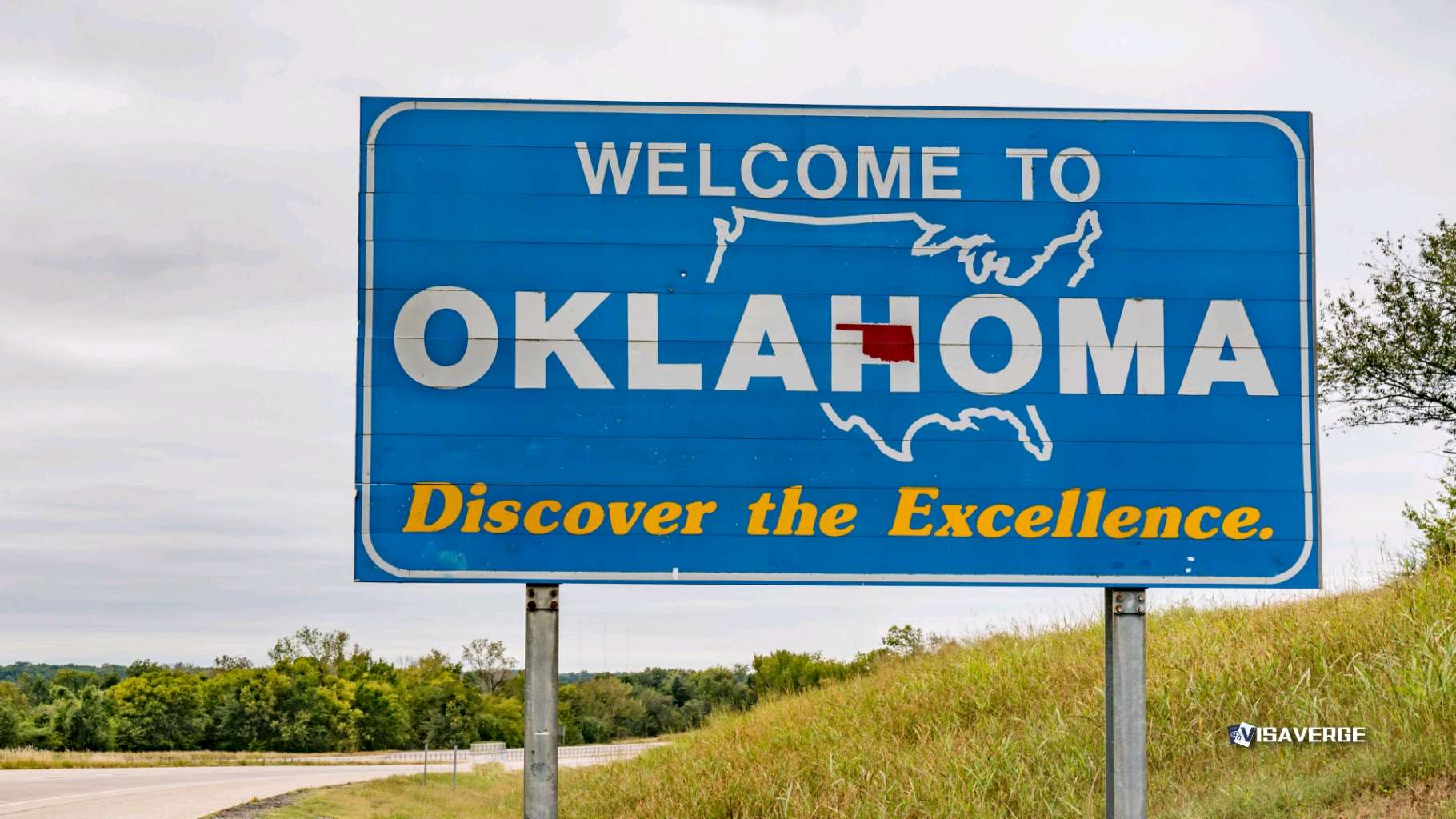
The contentious relationship between Oklahoma Governor Kevin Stitt and State Superintendent of Public Instruction Ryan Walters has reached new levels following criticism of a proposed citizenship rule by the Oklahoma State Department of Education (OSDE) ?. This rule, formally approved by the state’s board of education on January 28, 2025, requires parents enrolling students in the state’s schools to provide proof of their child’s citizenship or legal immigration status.
The Rule and Its Effect on Schools

Under the rule, school districts would be tasked not only with collecting citizenship or immigration status documentation during enrollment but also with reporting totals of undocumented students to the OSDE. According to Walters, this data would help districts allocate resources better, particularly for services like English-language acquisition programs. However, critics fear the policy could invade privacy and lead to the misuse of sensitive data, especially after Walters stated at the board meeting that the information could be turned over to law enforcement agencies upon request.
It’s crucial to understand the potential legal risks involved. Opponents of the rule are concerned this could undermine the landmark 1982 U.S. Supreme Court decision in Plyler v. Doe. That case established that undocumented children have the right to access public education. Critics argue that rules like this one could discourage children from attending school, especially those from immigrant families, thereby violating constitutional protections.
A Growing Rift Between Stitt and Walters
The debate over the citizenship rule has put distance between two political leaders who had worked closely on other areas of education policy. On February 12, 2025, during a State Board of Education meeting, Governor Stitt openly opposed Walters’ approach, affirming that schools should not serve as platforms to enforce immigration policy. This comment directly clashed with Walters’ staunch defense of the proposed rule.
Stitt’s statement marks a significant split in their previously aligned views, bringing the growing tension between the two Republican leaders into sharp focus. Observers in political and educational circles are seeing this as a fundamental disagreement about the direction of state educational policies, especially with respect to non-citizen and immigrant students.
Concerns from Legal and Advocacy Groups
The National Immigration Law Center (NILC) and other legal organizations, such as the Mexican American Legal Defense and Educational Fund (MALDEF), have pointed out that the rule could deter children from attending schools. NILC officials argue the policy would illegally interfere with students’ constitutional rights to equal educational access. Furthermore, MALDEF emphasized that deterring enrollment, even indirectly, would go against federal guidelines laid out as recently as 2014 by the U.S. Departments of Justice and Education.
Leslie Villegas, a senior analyst at New America’s Education Policy Program, questions the necessity of collecting immigration data at all. According to Villegas, schools already identify the needs of students, including non-native English speakers, through other measures like home language surveys and academic screening.
History shows similar measures have been tried before and failed. Alabama’s immigration law in 2011, for example, included provisions requiring immigration checks in schools. Yet, the bulk of that law was eventually struck down in court or nullified through legal settlements, highlighting the challenges Oklahoma may face.
Tying Oklahoma to a Broader Trend
The proposed rule in Oklahoma is not happening in isolation. Instead, it aligns with a broader conservative push across the United States to revisit the Plyler v. Doe decision. Early in February 2025, lawmakers in Indiana introduced a bill to outright bar undocumented children from enrolling in public schools. Similarly, in Tennessee, legislation was introduced requiring undocumented students’ parents to pay out-of-county tuition fees. These examples are consistent with recommendations made in a 2024 report by the conservative Heritage Foundation, which suggested school districts collect immigration status data as part of enrollment reporting.
Supporters of these policies often view them as necessary steps to address economic and resource-related concerns in public schooling. For example, Walters has justified Oklahoma’s proposed rule by filing a lawsuit against federal immigration officials over what he claims are financial burdens related to educating undocumented children. Still, critics counter that this approach not only risks being unconstitutional but could also undermine the inclusiveness of public education, which is a cornerstone of American values.
Broader Implications for Education Policy and Immigration Law
The rift between Governor Kevin Stitt and Ryan Walters has sparked an important conversation about where state authority ends and federal protections begin in U.S. education policy. Schools are fundamentally under state control, which gives leaders like Walters room to advocate for policies within their states. However, rules like Oklahoma’s proposed citizenship requirement must operate within the framework of federal rulings and constitutional protections.
If the rule proceeds further, Oklahoma lawmakers, who hold a Republican majority, will review it and decide whether to submit it to Stitt for approval. Stitt’s opposition raises uncertainty about whether the rule could survive a veto, even if it clears the legislature. Should this rule take effect, legal challenges are almost certain, and federal courts may have to reexamine the extent to which state policies can test the boundaries of Plyler v. Doe.
Beyond Oklahoma, other states are closely watching these developments. Educational leaders and political analysts alike recognize the potential ripple effects that could touch both immigration policies and education systems nationwide. Depending on how these debates unfold, they could either embolden more states to introduce similar measures or lead to a renewed defense of existing precedents regarding undocumented students in public schools.
Community Reactions and Uncertainty
For local families, educators, and school administrators, this debate creates uncertainty. School officials may find themselves unable to balance both state-imposed requirements and the federal standards of nondiscrimination commonly held since the Plyler case. Parents could fear enrolling their children, even if such data collection is fully explained to comply with privacy standards. Meanwhile, students, particularly those from mixed-status households, might be caught in the crossfire of political disagreements.
It’s worth mentioning that educators in Oklahoma have long been working to integrate immigrant students into school systems, focusing primarily on creating an inclusive environment that supports learning for all. Immigration-based scrutiny risks derailing this progress while introducing new layers of administrative complexity for already overburdened districts.
Moving Forward
The division between Stitt and Walters could shape Oklahoma politics for years to come as these leaders weigh their next steps amid growing pressure from opposing sides. The outcome of this tension will likely hinge not only on the legal feasibility of the citizenship rule but also on how well public officials, educators, and advocacy groups manage the broader conversation about immigrant students’ rightful place in public schools.
For readers interested in understanding more about federal protections in education for immigrant children, the U.S. Department of Education provides detailed guidance, which can be reviewed here.
As the debate over the OSDE citizenship rule intensifies, Oklahoma finds itself at the center of a larger national battle over immigration and education policy. The stakes are high. This situation touches on constitutional principles, the limits of state governance, and what public education means for everyone in the United States, regardless of status. While political disagreements unfold, the broader focus remains on offering every child—documented or undocumented—a fair chance to succeed in their schooling.
Learn Today
Contentious → Causing or characterized by argument or disagreement, often involving strong emotions or differing opinions.
Undocumented → Refers to individuals who lack official or legal authorization to reside in a given country or region.
Plyler v. Doe → A 1982 Supreme Court decision ensuring undocumented children access to public education under the U.S. Constitution.
Constitutional Protections → Legal safeguards guaranteed by a nation’s constitution to uphold individual rights and freedoms against government actions.
Mixed-Status Households → Families where members have varying immigration statuses, such as some being citizens and others undocumented.
This Article in a Nutshell
Oklahoma’s proposed citizenship rule for school enrollment sparks intense debate, highlighting a rift between Governor Kevin Stitt and Superintendent Ryan Walters. Critics argue it violates constitutional protections, like Plyler v. Doe, deterring immigrant students from schools. As tensions rise, this policy casts a spotlight on balancing state authority with federal educational rights.
— By VisaVerge.com
Read more:
• Executive Order 14160 Challenges Citizenship for Skilled Legal Workers
• German Citizenship Granted to Over 3,700 People in Brandenburg in 2024
• Afrikaners Taking Donald Trump’s Refugee Offer Can Keep South African Citizenship
• UK Tightens Good Character Rules, Blocking Citizenship for Illegal Arrivals
• Judge Joseph Laplante Halts Order to End Birthright Citizenship in NH