Key Takeaways:
- High visa rejection rates in 2023 caused significant financial burdens for Ghanaians, especially for U.S. and Schengen Area travels.
- Average income and high non-refundable visa fees made the financial loss due to rejections substantial for Ghanaians.
- Ghanaians spent approximately €1.6 million on rejected Schengen visa applications, exacerbating their economic strain and missed opportunities.
How Were Ghanaians Financially Impacted by Visa Rejections in 2023?
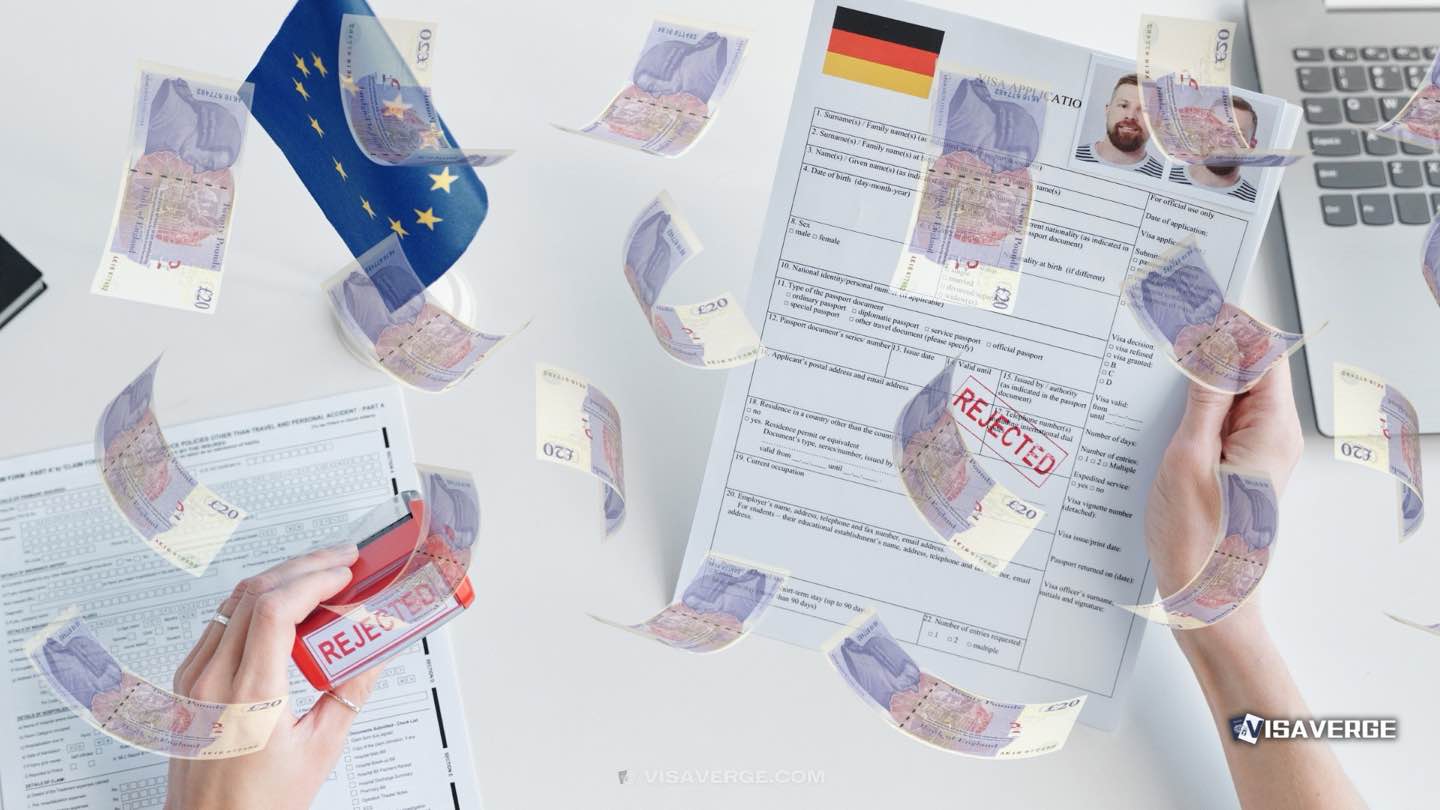
In 2023, Ghanaians faced substantial financial challenges due to high visa rejection rates, particularly for traveling to the United States and Schengen Area countries. This economic burden disproportionately impacted Ghanaian citizens when compared to applicants from many other nations.
What Were the Rejection Rates for Ghanaians Applying for U.S. Visas?
Ghanaians experienced a high rejection rate for U.S. visas in 2023. Specifically, for B-visas, which include tourist and business visitor visas, the adjusted refusal rate for Ghanaians was 37.56%. This translates to more than one in three applicants having their visa applications denied. The situation was even more severe for student visas, with a rejection rate of 63% for Ghanaian students aspiring to study in the United States.
“Many Ghanaian students invest considerable time and resources in preparing for study abroad, only to face immense disappointment with such high rejection rates,” said a VisaVerge.com representative.
How Does Ghana’s Average Income Affect the Financial Impact of Visa Rejections?
In 2023, the average monthly wage in Ghana was approximately €238. Given this income level, the costs associated with visa applications represent a substantial portion of an average Ghanaian’s earnings.
For a Schengen visa application, the fee in 2023 was €80, constituting about 33.6% of the average monthly wage in Ghana. This fee is non-refundable irrespective of whether the visa is granted or denied. The financial burden is even greater when considering additional costs, such as travel expenses to the embassy or consulate and the costs of obtaining necessary documents and photographs.
What Is the Cumulative Financial Impact on Ghanaians?
Ghanaians spent approximately €1.6 million on rejected Schengen visa applications alone in 2023. This figure highlights the significant economic losses incurred by Ghanaian citizens due to visa rejections. Many could have used these lost funds for other essential purposes within the country’s economy.
The high rejection rates had indirect financial consequences as well. Many Ghanaians with plans for business trips, educational opportunities, or family visits had to cancel or postpone their plans. This often led to non-refundable expenses related to pre-booked flights and accommodations. The potential loss of business opportunities and educational advancements due to canceled plans further exacerbated the financial impact.
How Do Students Suffer From High Visa Rejection Rates?
For Ghanaian students, the 63% rejection rate for U.S. student visas was particularly impactful. Efforts to secure education abroad include taking standardized tests, obtaining transcripts, and sometimes paying for professional assistance with their applications. A significant number of students lost their investments without achieving their educational goals due to these rejections.
“The stress and disappointment associated with rejected applications can affect an individual’s productivity and overall well-being,” noted an educational advisor from Ghana.
How Do Ghana’s Rejection Rates Compare to Other Countries?
Compared to applicants from European nations, Ghana’s visa rejection rates were significantly higher. While Ghana had a 37.56% rejection rate for U.S. B-visas, countries like Germany and France had rates of 10.84% and 10.11%, respectively. This disparity underscores the disproportionate financial burden placed on Ghanaian applicants.
Are There Any Positive Developments for Ghanaians?
The U.S. State Department reported in 2023 that more students from Africa, including Ghana, were issued visas to study in the U.S. than ever before. There was a 61% increase in student visas issued to African students compared to 2019, with Ghana specifically mentioned as one of the top countries.
However, the challenges remain. High rejection rates still pose a significant financial risk to Ghanaian applicants. With visa fees set to increase (e.g., Schengen visa fees are scheduled to rise to €90 in June 2024), the financial impact of rejections is likely to grow even more severe.
What Steps Can Ghanaians Take to Mitigate These Financial Challenges?
To mitigate these challenges, Ghanaians could:
- Thoroughly Research Visa Requirements: Ensure that all necessary documentation is in place and accurately filled out. Official resources, such as the U.S. Department of State’s website, provide detailed information that can be extremely helpful.
- Seek Professional Guidance: Consulting with immigration experts or agencies can improve the chances of approval.
- Prepare Financially: Set aside funds not just for the application fee but also for potential additional costs and potential reapplications.
Conclusion
The high visa rejection rates in 2023 had a profound and multifaceted financial impact on Ghanaians. From non-refundable application fees to missed opportunities and additional expenses, the cumulative economic burden was substantial. Addressing these high rejection rates and their financial implications remains a key challenge for both Ghanaian authorities and the international community. As per VisaVerge.com, continuous efforts and improved strategies could make the visa application process smoother and less financially taxing for Ghanaians in the future.
By focusing on accurate documentation and seeking professional advice, Ghanaians may reduce the likelihood of rejections and alleviate the financial strains associated with them.
Learn Today:
Glossary
- Visa Rejection Rate: The percentage of visa applications that are denied by the issuing country. High rejection rates can indicate stricter entry requirements or issues with the applicants’ documentation.
- B-Visas: A category of non-immigrant visas for the United States that includes tourist visas (B-2) and business visitor visas (B-1). These visas are for individuals traveling temporarily to the U.S. for tourism, business, or medical treatment.
- Schengen Visa: A visa that allows people to travel freely within the Schengen Area, which includes 26 European countries. The visa fee and application requirements can be significant, especially for applicants from countries with lower average incomes.
- Adjusted Refusal Rate: A specific measure that accounts for the number of visa reapplications alongside initial applications, providing a clearer picture of the overall likelihood of visa denials.
- Non-Refundable Application Fee: A fee required when applying for a visa that is not returned to the applicant if their visa application is denied. This fee represents a significant financial burden for applicants, especially those from lower-income countries.
This Article In A Nutshell:
In 2023, many Ghanaians faced severe financial strains due to high visa rejection rates, particularly for the U.S. and Schengen areas. These rejections led to costly, non-refundable application fees, travel expenses, and lost opportunities, substantially affecting individuals’ finances and overall economic conditions in Ghana.
— By VisaVerge.com
Disclaimer: The information provided in this article is for informational purposes only. If you reference or use any content from this article, please attribute it to VisaVerge.com by including a link to the original source. We appreciate your adherence to our content usage policies and your commitment to giving proper credit.
Read More
- Ghana Sees 15% Increase in F-1 Visa Issuances in First Half of 2024
- Nana Bediatuo Asante Denies Claims of Canada Visa Reductions
- Ghana Visa Applications Surge, Doubling in 2023
- Ghana Visa Application Increase Managed by VFS Global
- African Migrant Workers Address Elderly Care Shortage in UK with Care Worker Visa