- The Court of Appeal dismissed all legal challenges against Gatwick Airport’s two point two billion pound expansion plan.
- The project will increase annual passenger capacity from forty-three million to eighty million by twenty forty-seven.
- Construction begins immediately with the first dual-runway flights scheduled to commence by twenty thirty.
The Court of Appeal on Tuesday dismissed the final legal challenge to Gatwick Airport’s £2.2 billion runway expansion, allowing construction planning to move forward after an eight-year legal and planning process.
The ruling clears the way for the airport to bring its northern standby runway into routine use. The project will add a second operating runway and expand annual capacity from approximately 43 million passengers to 80 million by 2047.
Free toolB1/B2 Tourist Visa Stay Calculator online
Construction is set to begin immediately. The first flights using the dual-runway operation are expected by 2030.
The court rejected every ground raised by the two appellants, Peter Barclay and Communities Against Gatwick Noise Emissions, known as CAGNE. Lord Justice Holgate and Lord Justice Dove said the challenges had no realistic path to success.
“We conclude that each of the grounds of appeal raised by each appellant is unarguable. Neither appeal has a real prospect of success.”
The case targeted the Transport Secretary’s approval of a Development Consent Order for the expansion. The Court of Appeal heard the challenge on Monday 27 and Tuesday 28 July 2026.
Chief Executive Pierre-Hugues Schmit said the decision released the project from years of scrutiny.
“We are very pleased that this ruling brings to an end an eight-year planning and legal process which has carefully tested and scrutinised every aspect of our expansion plans on multiple occasions.”
The project now enters its design phase. Gatwick expects it to create 14,000 jobs and contribute £1 billion annually to the UK economy.
The airport plans more flights, passengers and simultaneous runway movements
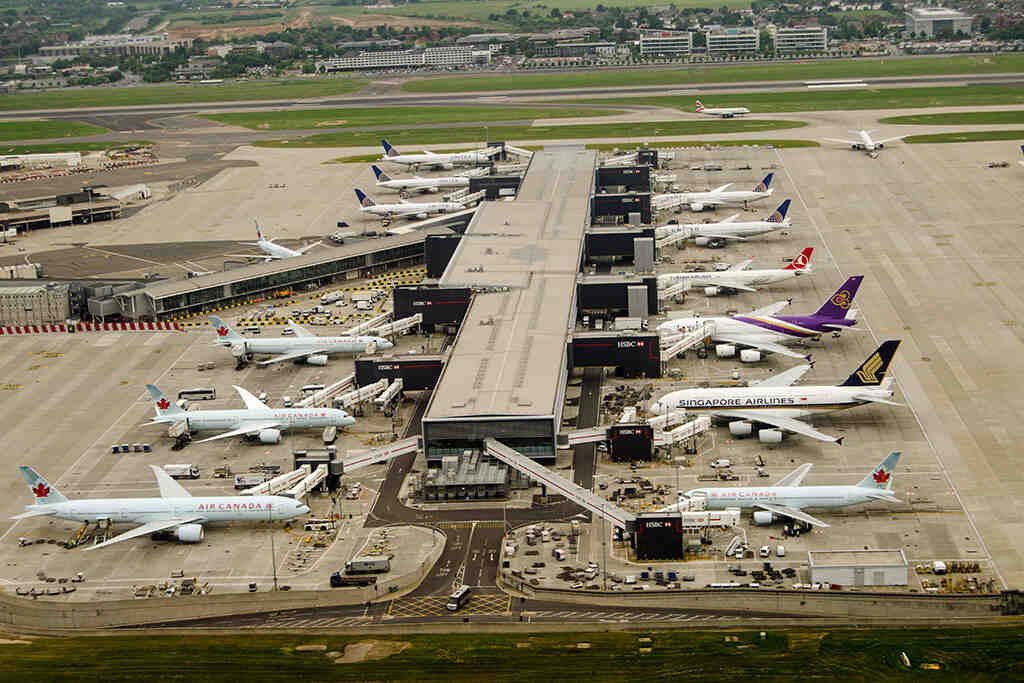
The expansion involves moving the existing northern standby runway, identified as 8L/26L, 12 meters (40 feet) north. That change will allow aircraft to take off and land at the same time as operations continue on the main southern runway.
The airport expects the work to add 100,000 flights each year and approximately 13 million passengers annually. The government said the extra capacity would give travelers more choice and strengthen international connections.
Transport Secretary Heidi Alexander called the judgment a milestone for the airport and surrounding communities.
“This is a major milestone for Gatwick and for local communities, with expansion unlocking investment and creating thousands of new jobs. Around 13 million more passengers and 100,000 more flights will give holidaymakers greater choice and strengthen global links to help make the UK one of the most attractive places in the world to invest.”
The government approved the Development Consent Order in September 2025. The decision formed part of the new Labour government’s stated “growth first” aviation policy.
The High Court dismissed the campaigners’ challenge in June 2026. Justice Mould heard that case before the appeal reached the Court of Appeal.
CAGNE challenged the approval on environmental grounds, including carbon emissions and aircraft noise. Local residents represented by the group expressed “deep disappointment” after Tuesday’s ruling, arguing that the project could undermine the UK’s net-zero targets and increase noise pollution.
The judgment ends the legal moratorium on construction. The airport’s refreshed executive team will lead the next phase, with Schmit serving as chief executive since late 2025 and Mathieu Boutitie as chief technical officer since January 2026.
A separate fuel problem briefly unsettled summer operations
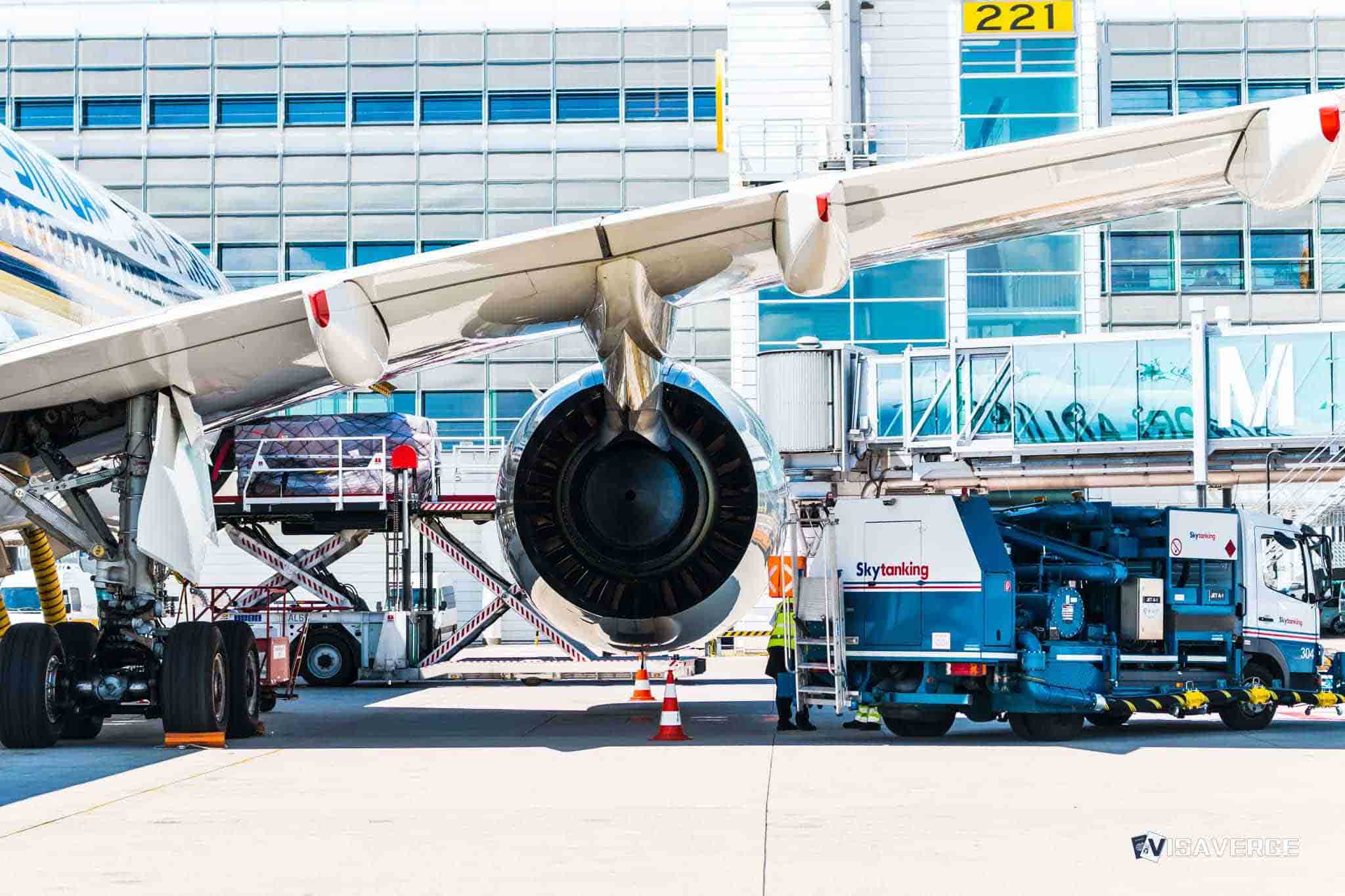
The court decision came as the airport dealt with a temporary technical fault affecting its fuel supply. Engineers resolved the problem on the morning of Monday, August 3, and officials confirmed Tuesday that fuel was flowing normally.
The disruption began on Sunday, August 2, at the fuel farm. A Notice to Aviation and a memo went to airlines including easyJet, British Airways, Wizz Air, TUI and Jet2.
The carrier notice gave crews a blunt instruction:
“For the attention of all crews: Gatwick has a shortage of fuel for the next two days. Please uplift max possible fuel at outstations.”
Gatwick’s spokesman later said the fault had been fixed and urged passengers to continue with their plans.
“Following a temporary technical issue yesterday [Monday, August 3] that impacted fuel supply to the airport, we are pleased to report that the issue has now been resolved. Fuel is flowing as expected, all airlines are operating as normal, and passengers should continue to travel as planned.”
No flights were cancelled during the incident, officials said. Some long-haul airlines instead carried extra fuel from abroad, a practice known as “tankering.”
Short-haul services could generally carry enough fuel to avoid relying on the airport’s pumps. The warning mainly affected long-haul operations.
Airlines UK chief executive Tim Alderslade said there were no widespread shortages. A separate survey found that 10 percent of Britons had considered cancelling holidays because of concerns about fuel.
Airlines gain room to plan, while residents face higher flight volumes
The additional runway capacity gives easyJet, the airport’s largest operator, scope to plan long-term fleet expansion at the hub. The increase in flight movements is expected to reach 25 percent as the second runway becomes operational.
The project is privately financed. Its stated capacity target is 80 million passengers per year by 2047, compared with approximately 43 million currently.
| Expansion measure | Projected result |
|---|---|
| Project cost | £2.2 billion ($3 billion) |
| Annual passenger capacity | From approximately 43 million to 80 million by 2047 |
| Additional annual flights | 100,000 |
| Additional annual passengers | Approximately 13 million |
| Expected new jobs | 14,000 |
| Estimated annual UK economic contribution | £1 billion |
| Runway relocation | 12 meters (40 feet) north |
| First dual-runway flights | 2030 |
The economic gains promoted by ministers sit alongside concerns from nearby communities. CAGNE has said the extra aircraft movements could increase noise and conflict with national emissions goals.
The Court of Appeal’s decision does not remove those local concerns. It allows the approved development to proceed.
Schmit said the plans had been examined repeatedly during the planning process. The airport can now move from legal defense to design and construction preparation.
The temporary fuel fault did not stop that transition. By Tuesday, officials said normal operations had resumed as peak summer travel continued.