- Judge Patrick Schiltz quashed six grand jury subpoenas issued to Minnesota Governor Tim Walz and other officials.
- The court found the DOJ used criminal processes to coerce state cooperation in civil immigration enforcement.
- Operation Metro Surge data revealed seventy-seven point one percent of those arrested had no criminal records.
(MINNESOTA) — Chief U.S. District Judge Patrick Schiltz quashed six grand jury subpoenas issued by the Department of Justice to Governor Tim Walz and other Minnesota officials. The judge ruled that federal prosecutors used the criminal process to pressure the state into helping enforce civil immigration law.
The June 22, 2026 ruling, unsealed Monday, delivered a sharp rebuke to the administration’s handling of its immigration crackdown in Minnesota. In a 29-page opinion, Schiltz wrote that the “dominant purpose of the challenged subpoenas is to coerce Minnesota officials into assisting the federal government with enforcing civil immigration law.” He said the goal was to harass and retaliate against them for failing to do so.
Free toolUSCIS Receipt Number Decoder
Schiltz went further, calling the Justice Department’s stated reasons for the investigation “risible.” He described the effort as a “blatantly unlawful and unethical use of the grand-jury process.” The decision removes, at least for now, the threat that Walz and other state and local leaders could face criminal exposure for refusing to direct local resources toward federal immigration work.
Walz responded hours after the ruling with a statement on social media. “Today’s ruling is a victory for the rule of law and our democracy.” He added that a federal district judge found that the U.S. Department of Justice’s investigation into him and other Minnesota elected officials was politically motivated, unconstitutional, and meritless.
Minnesota Attorney General Keith Ellison struck a similar note. “The facts are clear: the Trump administration is targeting me because I’m standing up for the people of Minnesota.” He said it should disturb every American that Donald Trump is weaponizing the criminal justice system against people he disagrees with.
The Department of Homeland Security did not answer the ruling directly. A DHS spokesperson declined to comment on the specific decision. However, the agency had previously described Schiltz’s actions as a “diatribe from an activist judge.” Earlier this year, Assistant Secretary Tricia McLaughlin defended the operation, saying federal officers were “upholding the law” against “violent rioters and agitators.”
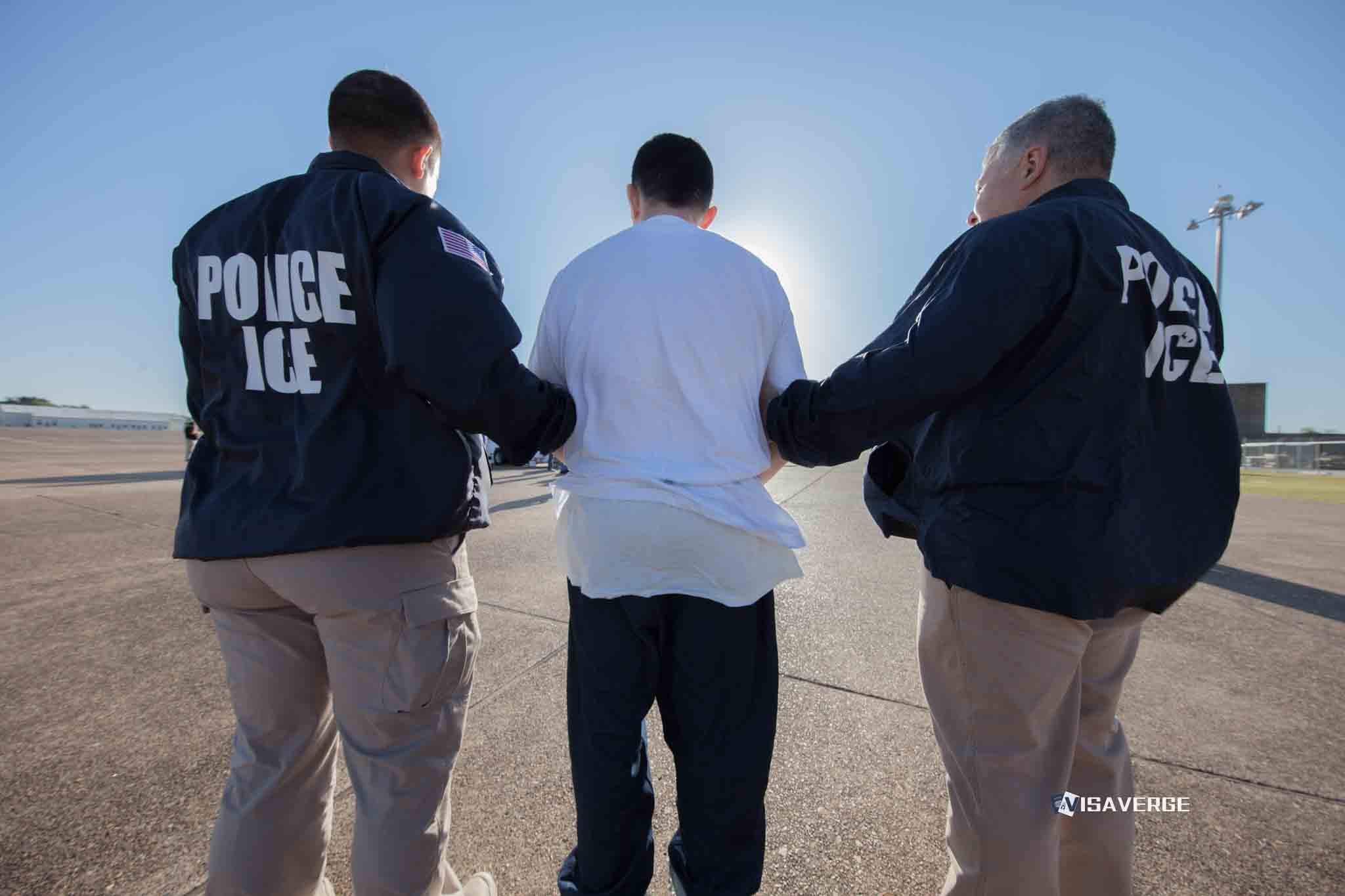
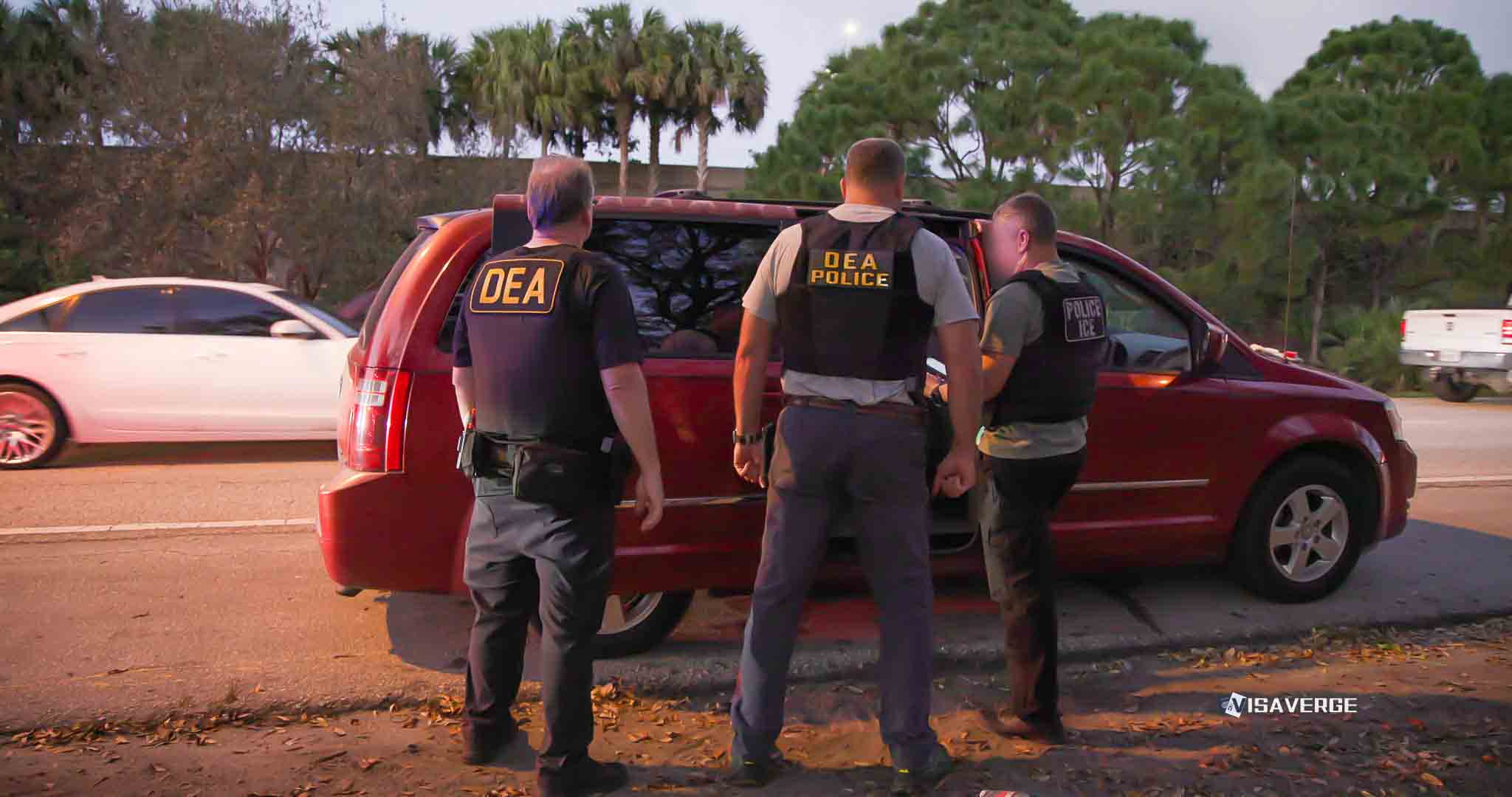
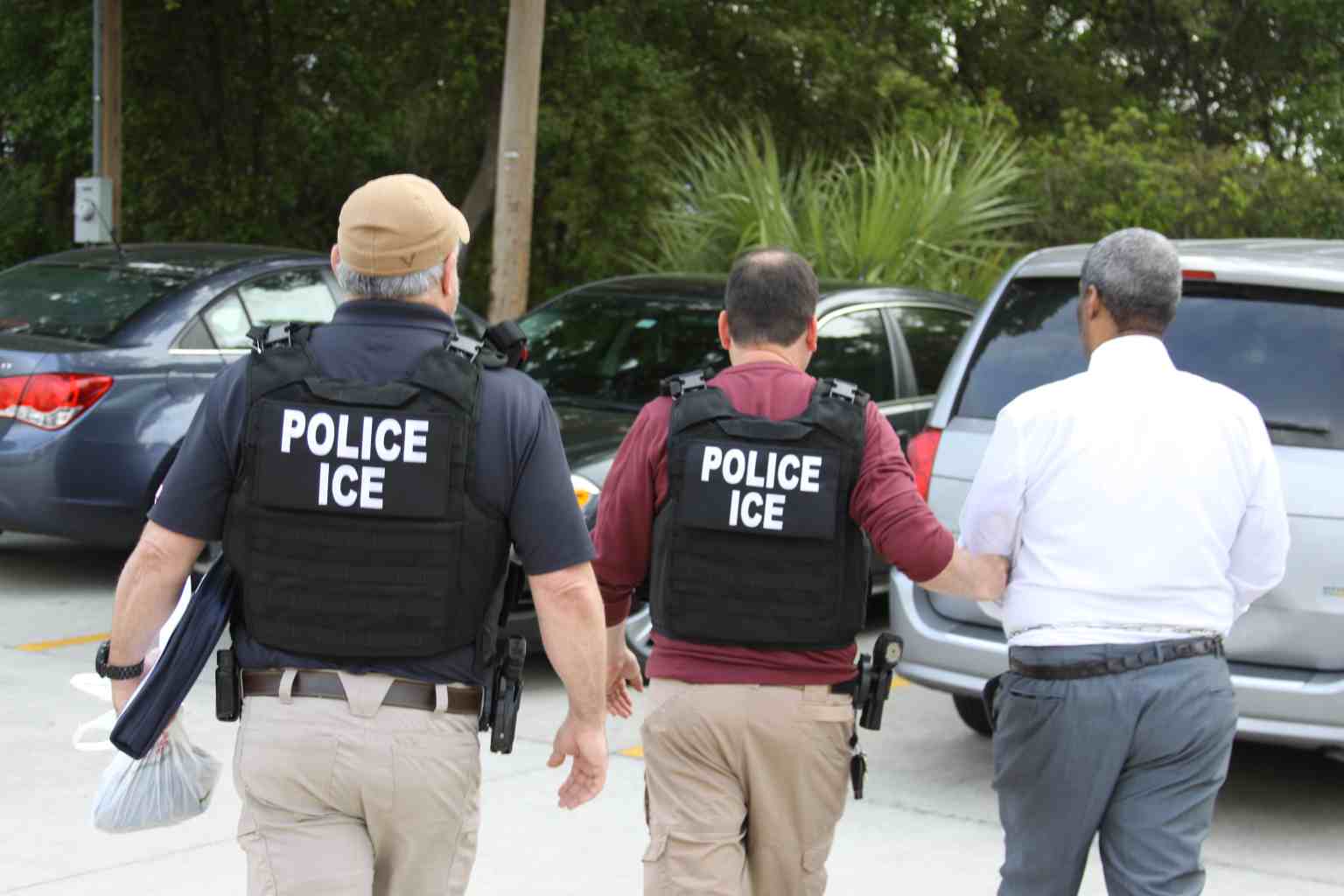
The subpoena fight grew out of Operation Metro Surge, an enforcement campaign launched in December 2025. DHS described it as the “largest immigration enforcement operation ever carried out.” Federal authorities deployed 3,000 federal agents to Minnesota during the surge, according to the government’s own description of the operation.
Justice Department investigators served the six subpoenas in January 2026 on the offices of Governor Tim Walz, Attorney General Keith Ellison, Minneapolis Mayor Jacob Frey, St. Paul Mayor Kaohly Her, and the Boards of Commissioners for Hennepin and Ramsey counties. The targets stretched across the state’s top elected offices and its two largest counties.
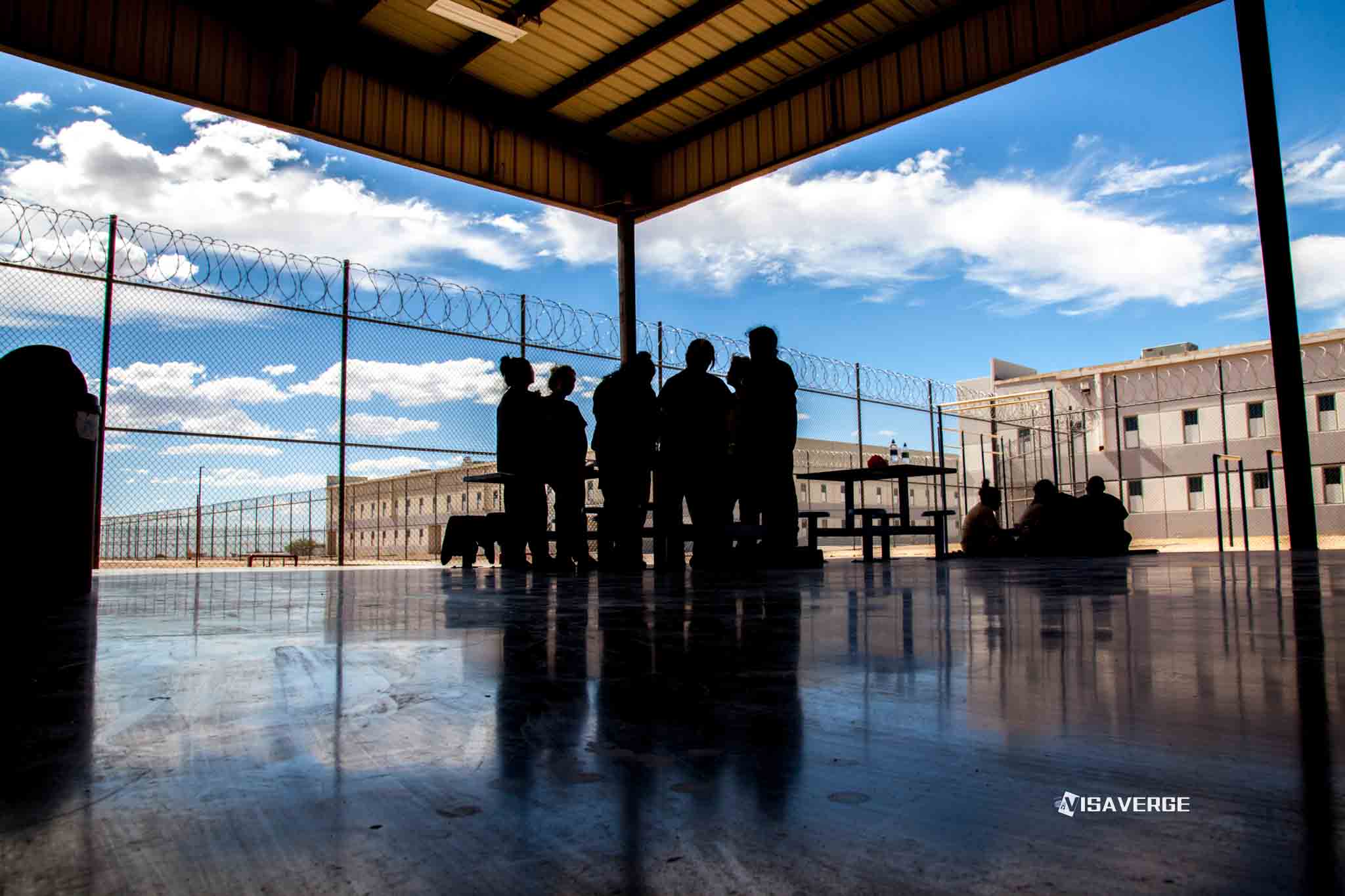
Data unsealed during the litigation undercut the administration’s public description of the arrests. While officials said they were targeting “murderers and rapists,” the court record showed that 77.1% of the roughly 4,000 people arrested during Operation Metro Surge had no criminal convictions.
Two U.S. citizens also died during the operation. Federal agents fatally shot Renée Good on January 7, 2026, and Alex Pretti on January 24, 2026. Minneapolis later estimated that the campaign caused nearly $700 million in economic damage through business closures, lost wages, and community trauma.
Schiltz’s opinion placed those events inside a constitutional framework that has long limited Washington’s power over the states. He invoked the Tenth Amendment’s anti-commandeering doctrine, which bars the federal government from forcing state officials to administer federal programs. In his reading, the Justice Department tried to use criminal process where direct command was unavailable.
The timing of the federal investigation featured prominently in the court’s analysis. The subpoenas arrived eight days after Ellison filed suit to block Operation Metro Surge and one day after a social media post from the President promising a “Day of Reckoning & Retribution” for Minnesota leaders.
That sequence, Schiltz concluded, supported the view that the investigation was retaliatory rather than a legitimate search for evidence of a crime. The opinion treated the subpoena campaign not as a standard grand jury inquiry, but as an attempt to punish “sanctuary” policies through the threat of prosecution.
The decision carries immediate consequences for the officials who received the demands for records and testimony. Walz, Ellison, Frey, Her, Hennepin County and Ramsey County no longer face those six grand jury commands while the order stands. The ruling rejects the government’s attempt to use federal criminal machinery to force cooperation.
It also lands in a state still absorbing the broader effects of the winter crackdown. Advocacy groups said the operation left a “campaign of terror” and a lasting “chilling effect.” Many immigrant families are still avoiding schools and clinics months after the raids and arrests.
Schiltz’s order does not erase those effects, but it does create a court record that names the federal tactics in unusually direct terms. His opinion gives Minnesota officials language they had sought for months: a Federal judge found that the subpoena campaign was coercive, retaliatory and unconstitutional.
The ruling may also shape disputes beyond Minnesota. By setting a high bar for grand jury investigations into the policy choices of governors, mayors and county officials, the decision offers a legal template for other states that resist federal immigration demands and then face criminal scrutiny.
Minnesota officials pointed Monday to the case file and their public statements as they marked the result. The attorney general’s office posted a ruling summary, while Walz’s office linked to its official statement. The court matter is listed in the U.S. District Court for the District of Minnesota as Case No. 0:26-mc-00043-PJS.
What remains after Monday’s order is a stark judicial record of how the fight unfolded: 3,000 federal agents, about 4,000 arrests, two citizens shot dead, nearly $700 million in estimated economic damage, and a judge who found the subpoena campaign against Minnesota’s top officials to be “blatantly unlawful and unethical.”