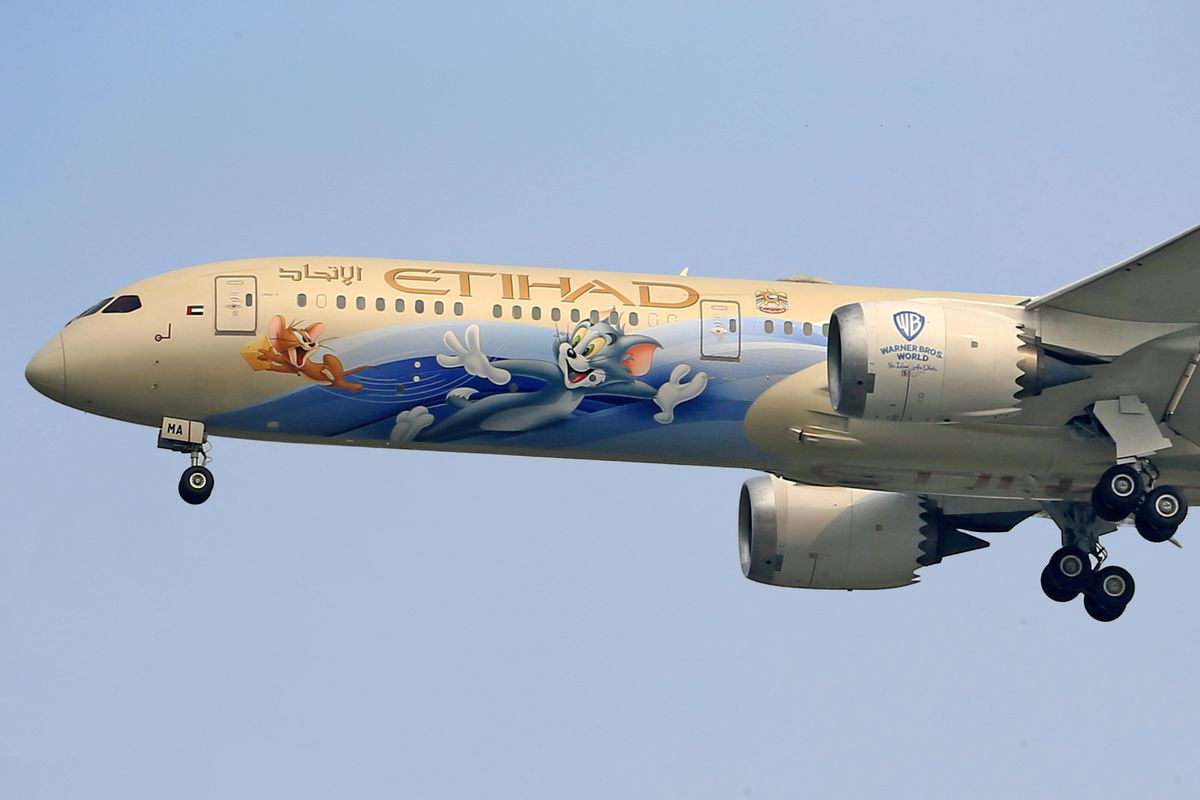
(DUBAI, UAE) — Major airlines suspended or curtailed Middle East flights on February 28, 2026, after coordinated military strikes by the United States and Israel on Iran triggered airspace closures across the region.
Carriers faced immediate knock-on effects across hub networks linking Europe and Asia, with cancellations, diversions and longer routings as airlines rerouted around restricted flight information regions.
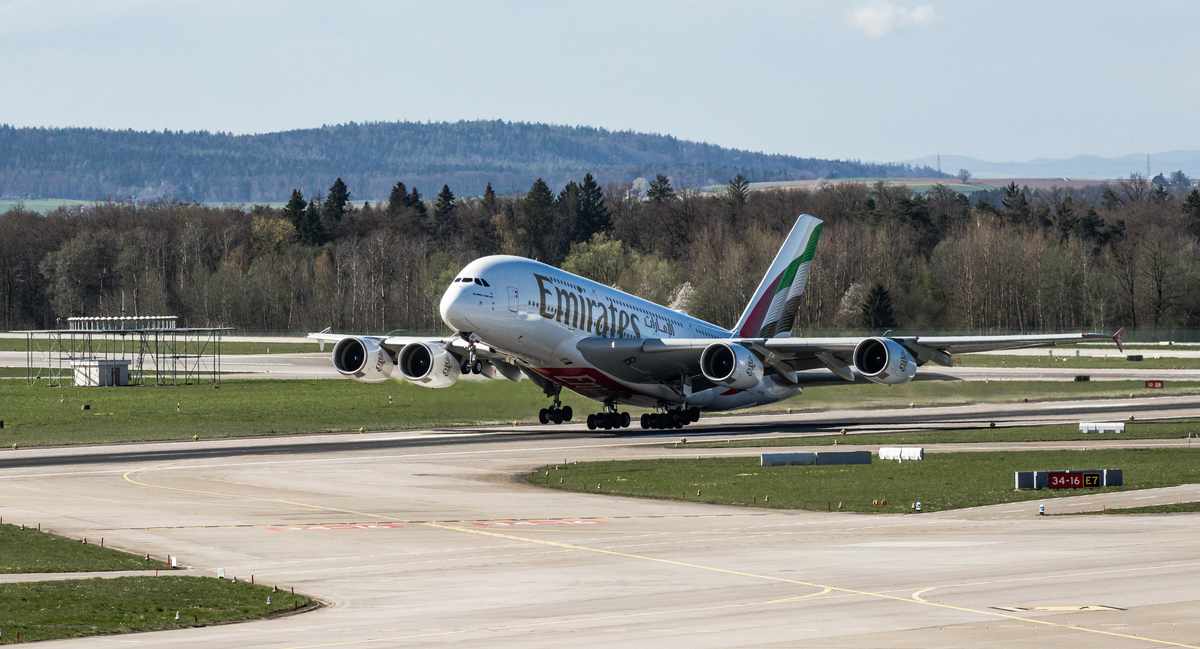
Travelers saw flights cancelled at short notice, aircraft and crews displaced from planned positions, and missed connections as schedules broke apart across Gulf hubs and Europe-Asia corridors.
The disruptions followed coordinated military strikes by the United States and Israel on Iran on February 28, 2026, a trigger that quickly cascaded into aviation restrictions affecting multiple states.
Airspace closures can force airlines to stop operations even when airports remain open, because aircraft cannot legally or safely overfly certain areas or use established corridors.
When restrictions hit mid-rotation, airlines often cancel subsequent legs, and crews can run into duty-time limits after reroutes add flight time.
Emirates temporarily suspended operations from Dubai Airport following the United Arab Emirates’ partial and temporary airspace closure, a move that rippled through one of the world’s busiest long-haul connecting hubs.
Qatar Airways suspended all flights to and from Doha after Qatari airspace closed, and the carrier deployed additional ground staff at Hamad International Airport to manage passenger rebooking.
flydubai reported that several of its services were impacted on February 28 due to temporary closures of Iraqi, Iranian and Israeli airspace, exposing short- and medium-haul schedules to sudden corridor changes.
Oman Air suspended all flights to Baghdad, citing the evolving security situation in the region, tightening options for passengers trying to connect into Iraq as other airlines also avoided nearby airspace.
Europe’s largest airline groups also moved quickly to reduce exposure, with many suspensions stretching into early March and airlines warning of delays even on flights that still operated.
Lufthansa Group suspended flights to Tel Aviv, Beirut and Oman until March 7, cancelled Dubai services on Saturday and Sunday, and confirmed it would avoid Israeli, Lebanese, Jordanian, Iraqi and Iranian airspace until at least March 7.
Air France cancelled all flights to Tel Aviv and Beirut scheduled for February 28, along with services to Dubai and Riyadh, cutting links that typically feed long-haul connections through Gulf and European hubs.
KLM brought forward the suspension of its Amsterdam–Tel Aviv service, cancelling Saturday’s flight instead of waiting until Sunday as previously planned, a change that can strand passengers on tight weekend itineraries.
British Airways cancelled flights to Tel Aviv and Bahrain until March 3, and cancelled its Amman service on Saturday, adding pressure to rerouting options as multiple carriers pulled capacity at once.
Wizz Air halted all flights to Israel, Dubai, Abu Dhabi and Amman with immediate effect until March 7, a broad suspension that affects low-cost travelers who often rely on point-to-point routes rather than interline rebooking.
Turkish Airlines cancelled all flights to Lebanon, Syria, Iraq, Iran and Jordan until March 2, and cancelled flights to Qatar, Kuwait, Bahrain, the United Arab Emirates and Oman scheduled for February 28.
Several other European airlines pared back schedules or stopped service to affected destinations, illustrating how quickly disruptions can spread through aircraft rotations across multiple countries.
Iberia Express cancelled its Saturday Tel Aviv service, while Scandinavian Airlines suspended its Copenhagen–Tel Aviv flight on Saturday and Bulgaria Air cancelled all Tel Aviv flights until March 2.
Norwegian Air suspended all Dubai services until March 4, and ITA Airways suspended flights to and from Tel Aviv while confirming it would avoid Israeli, Lebanese, Jordanian, Iraqi and Iranian airspace until March 7, with Dubai services suspended until March 1.
Aegean Airlines suspended flights to Tel Aviv, Beirut and Erbil until March 2, as airlines weighed the operational complexity of reroutes against the risk of further airspace changes.
Virgin Atlantic temporarily avoided Iraqi airspace and cancelled its London Heathrow–Dubai service for Saturday as a precaution, while LOT Polish Airlines had its Warsaw–Dubai flight forced to return to Warsaw due to airspace closures.
Airline avoidance does not always mean a full suspension, but it can mean longer flight times and fuel stops as aircraft take less direct routings around restricted areas.
Outside Europe, carriers across South Asia and East Asia also suspended services and reported diversions, reflecting how a shock in Middle East airspace can hit timetables far beyond the region.
Air India announced suspension of all flights to the Middle East and diverted its Delhi–Tel Aviv flight (AI139) to Mumbai after Israeli airspace closed.
IndiGo cancelled at least 72 flights to the Middle East on February 28, a large-scale disruption that can complicate re-accommodation when many flights disappear from the market on the same day.
Air India Express extended suspension of westbound international flights until March 1, 2026, offering free rescheduling or full refunds.
SpiceJet warned that some services could be disrupted due to Dubai airspace closures, signaling that schedules could shift quickly even on routes not directly overflying the most restricted areas.
Japan Airlines cancelled its Tokyo–Doha service and the return flight scheduled for March 1, cutting a long-haul link into the Gulf that typically depends on stable overflight corridors.
Pakistan International Airlines (PIA) suspended all Middle East flights, and Russian authorities confirmed that all Russian carriers suspended flights to Iran and Israel.
The scale of the disruption reflected the breadth of state restrictions, which immediately narrowed the available corridors for overflights and made normal scheduling difficult for airlines that rely on predictable routings.
Eight states declared full or partial airspace closures: Iran, Israel, Iraq, Jordan, Qatar, Bahrain, Kuwait and the United Arab Emirates, with Syria also closing part of its southern airspace for 12 hours along its border with Israel.
Closures can force diversions or returns when restrictions take effect after departure, and they can also strand aircraft away from their intended bases, delaying later departures as airlines work to reposition planes and crews.
Airline advisories can change multiple times in a single day as notices to airmen update, leaving passengers facing shifting departure times and rebooking options that depend on seat availability across different routings.
For travelers, the immediate choice often comes down to accepting a reroute with longer flight times, taking a later flight when schedules stabilize, or requesting a refund if plans no longer work.
Airlines have offered different remedies during the disruption, including free changes and refunds in some cases, and passengers often need to confirm whether waivers apply to specific dates and city pairs.
During mass cancellations, passengers can also ask airlines to rebook onto partner airlines when seats exist, and to provide written confirmation of cancellations or delays that may be needed for downstream claims.
Compensation eligibility can depend on jurisdiction and the stated cause of the disruption, and security-related events can affect how airlines categorize delays and cancellations under different passenger-rights frameworks.
Emirates, Qatar Airways, Flydubai Suspend Middle East Flights Amid Crisis
Coordinated military strikes by the U.S. and Israel on Iran triggered widespread airspace closures across eight Middle Eastern countries on February 28, 2026. This led to immediate flight suspensions by major carriers including Emirates, Qatar Airways, and Lufthansa. The disruptions impacted global routes between Europe and Asia, causing cancellations, diversions, and significant delays as airlines worked to reposition aircraft and manage crew duty-time constraints.