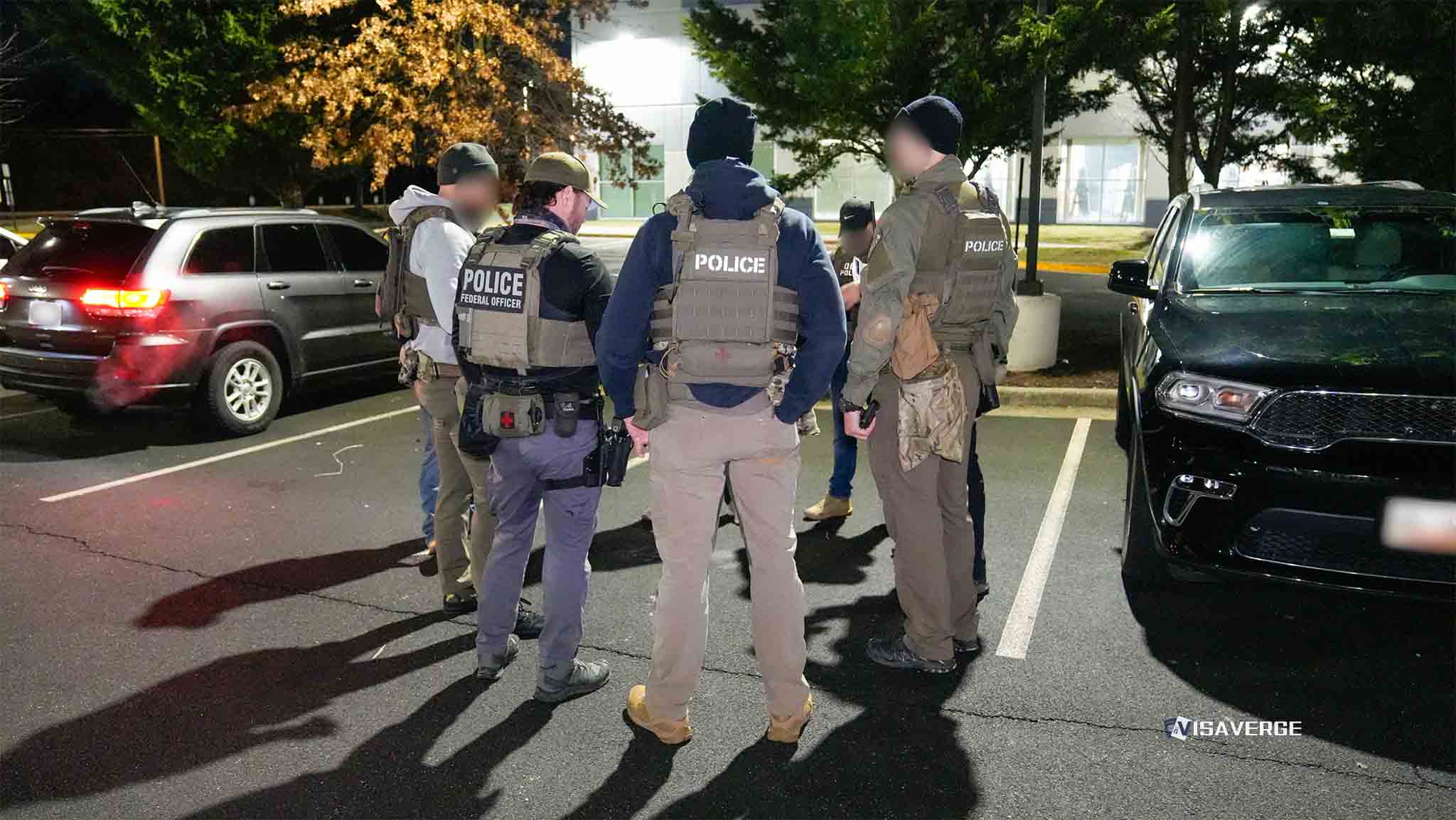
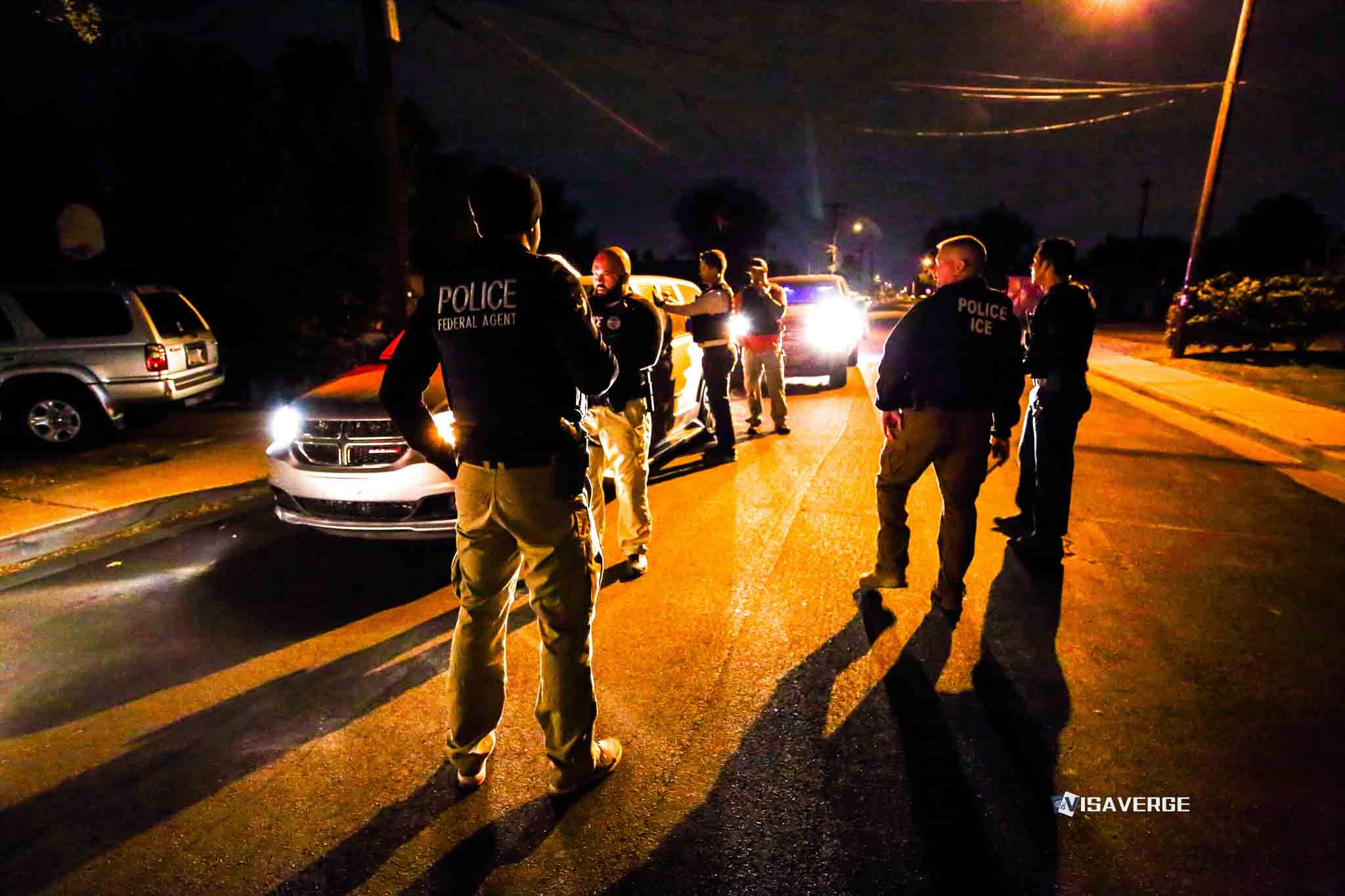
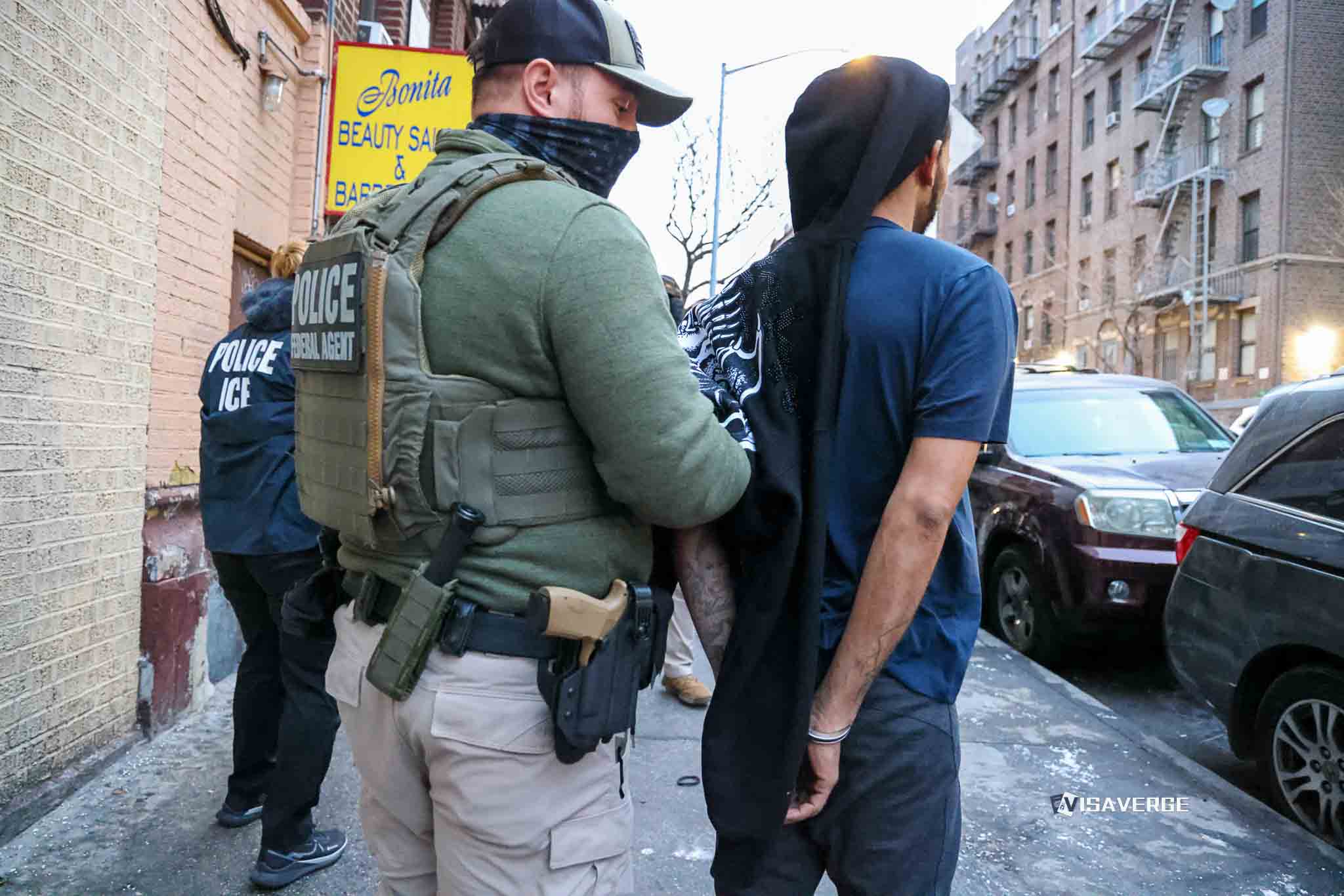
(PORTLAND, OREGON) Florida Governor Ron DeSantis said the state has locked down more than $28 million in federal funding for immigration enforcement through a new agreement with U.S. Immigration and Customs Enforcement, warning that “Florida is not Portland” and stressing a zero-tolerance stance toward attacks on officers. The announcement highlights Florida’s deepening role in the 287(g) program, which allows trained state and local officers to carry out certain federal immigration duties under ICE supervision. The move comes as Florida positions itself as a national leader in state-federal immigration enforcement partnerships and expands resources for agencies across the United States ??.
Officials said the agreement includes both state and local support, adding up to a sweeping set of tools, transportation resources, and equipment purchases. According to DeSantis, the push is partly a response to officer safety concerns after a recent targeted attack on an ICE facility in Dallas. He framed the deal as a clear message that any threats against federal or state officers in Florida will bring a swift response.

Funding package and 287(g) context
State leaders detailed a two-track funding package. At the state level, Florida will receive over $28 million for immigration enforcement efforts. Separately, local agencies will share $10 million.
Free toolUSCIS Receipt Number Decoder- Within the local portion:
- $2.7 million is set aside for transportation costs.
- $7.3 million is for equipment purchases supporting 974 local officers.
- On the state side:
- $1 million will go to transportation.
- $27.5 million will fund equipment for 3,676 state officers.
Officials tied the federal funding to a broader national pool of $1.7 billion for immigration enforcement. ICE officials described that pool as President Trump’s “Big, Beautiful Bill,” underscoring a push to expand resources for front-line work.
Florida also says it leads the nation in 287(g) partnerships, with 325 agreements and more than 4,700 officers statewide credentialed to perform federal immigration tasks under ICE oversight. The state has created what it calls the first full-time, state-level immigration enforcement unit within the Highway Patrol.
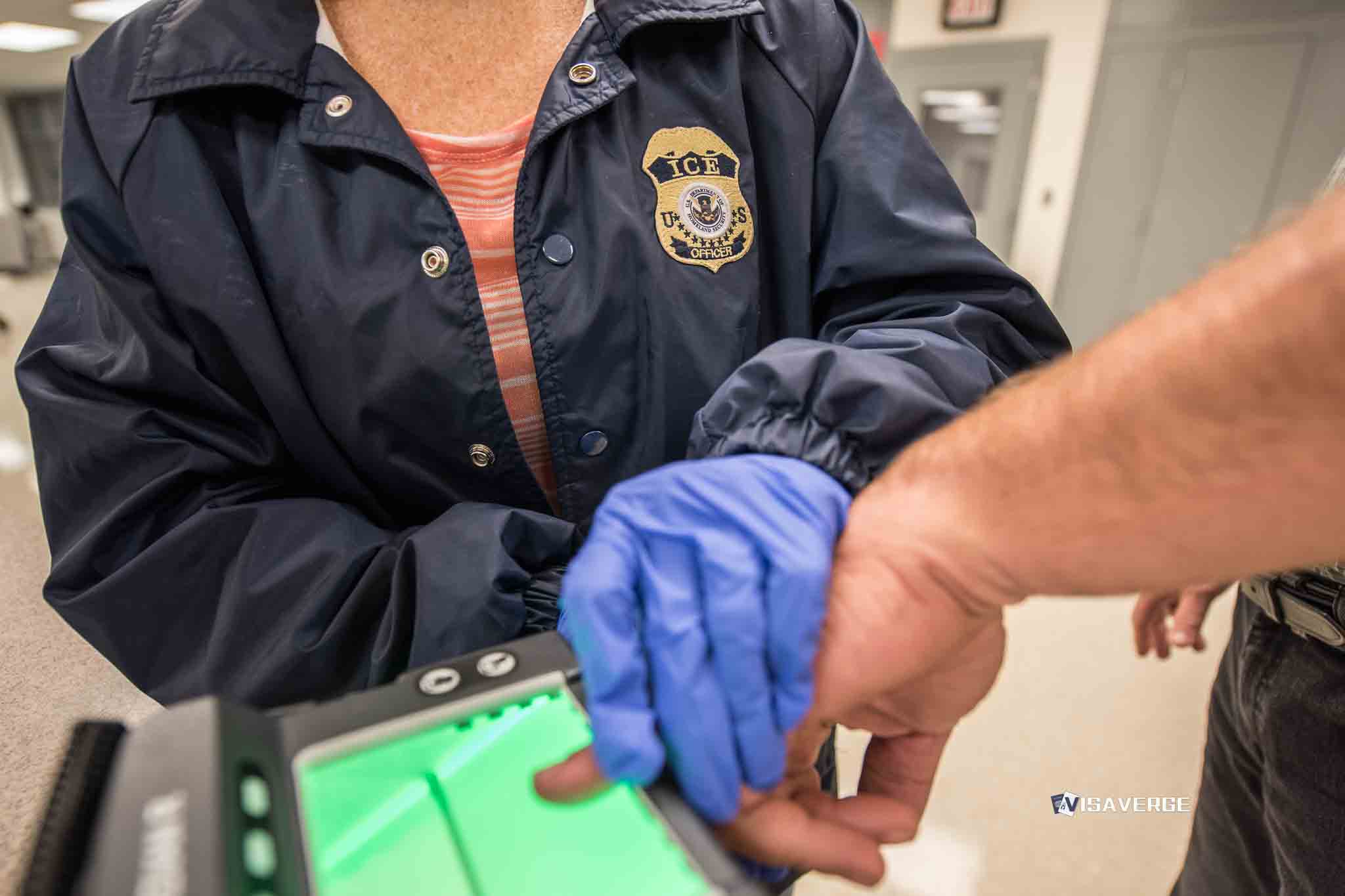
The 287(g) program operates through formal agreements that allow trained officers to identify, process, and, in some cases, detain individuals for immigration purposes, always under ICE supervision and federal law. ICE provides training, credentialing, and ongoing oversight. For an official description of how these agreements work and the types of models used, readers can consult the agency’s page on the program at ICE: 287(g) Program.
In announcing the agreement, DeSantis drew a sharp contrast with Portland, saying, “Florida is not Portland,” and pledging that attacks on ICE agents in Florida will be met with severe consequences. The comparison was meant to underline the state’s tougher posture and the administration’s message that officer safety remains a top focus.
State initiatives and budget momentum
The new federal funding lands alongside a wide slate of state-backed measures administered through multiple programs and budget actions.
- State Board of Immigration Enforcement (SBIE) manages a $250 million Local Law Enforcement Immigration Grant Program. This program supports:
- Officer training
- Detention bed subletting agreements
- Transportation
- Equipment purchases
- Bonus pay for officers who earn federal immigration credentials
- Budget allocations and laws:
- $49 million in the 2025–2026 budget for law enforcement pay increases
- $1.9 million to the Office of SecureFlorida to enforce E-Verify rules for employers
- February 2025 law SB 2-C approved over $298 million for immigration-focused law enforcement (new hiring, retention bonuses, training grants)
Officials say these state measures will work hand in hand with the new federal resources. The state’s theory is straightforward: more trained officers, better equipment, and clearer paths for interagency work will produce faster information-sharing and more consistent actions in the field.
According to analysis by VisaVerge.com, the combined state and federal approach also gives local sheriffs and police chiefs more predictable funding cycles for equipment purchases and specialized training.
While DeSantis praised federal partners for the agreement, he emphasized that Florida intends to keep a strong hand in setting enforcement priorities. The state’s full-time Highway Patrol immigration unit demonstrates that approach: troopers can work directly with ICE liaisons while remaining within state command, with set reporting lines and performance targets.
Operational effects for communities and law enforcement
For local communities, the most direct changes will likely be visible in county jails and traffic corridors.
- County agencies with 287(g) agreements can:
- Verify immigration status during booking
- Coordinate detainers
- Communicate with ICE about transfers
- On highways:
- Troopers assigned to the dedicated unit can conduct joint operations with ICE teams, especially around smuggling routes and commercial vehicle checkpoints
The announcement also carried a clear warning about threats and officer safety. The reference to the Dallas ICE facility attack—cited by Florida officials—formed the backbone of the governor’s “not Portland” message. Florida leaders say the new federal funding will help agencies:
- Harden sites
- Upgrade surveillance
- Improve mobile communications during multi-agency operations
E-Verify enforcement and business implications
Stakeholders in business and civic sectors will watch how the E-Verify enforcement piece develops. The added $1.9 million for the Office of SecureFlorida signals more audits and follow-up visits to employers.
Possible impacts for employers:
– Closer checks on hiring records
– Tighter timelines to fix errors
– Increased audits and enforcement actions
Worker advocates will likely monitor whether compliance drives down unauthorized employment or results in wrongful flags that require resolution.
Debate, safeguards, and practical advice
The governor’s office portrays the state as a model for jurisdictions seeking deeper federal cooperation. Supporters say the structure—federal funding, a broad grant program for local agencies, and a dedicated Highway Patrol unit—creates a repeatable blueprint.
Critics may focus on:
– Costs
– Civil liberties concerns
– Scope of local involvement in federal immigration tasks
Florida officials counter that the multiple layers of training and ICE supervision offer safeguards against misuse.
For families and long-time residents, practical impacts often show up at routine contact points with public safety agencies—traffic stops, booking at local jails, or workplace checks.
Practical advice:
– Seek legal counsel if concerned about exposure to 287(g) processes
– Keep identity documents and any prior immigration records accessible
– Maintain attorney contact details
Florida’s message is unmistakable: it intends to use every tool available—federal and state—to expand officer capacity, move equipment upgrades quickly, and keep lines open with ICE at the task level.
Numbers at a glance
| Item | Amount / Count |
|---|---|
| Federal funding for state operations | $28 million |
| Federal funding for local agencies | $10 million |
| SBIE Local Grant Program | $250 million |
| SB 2-C (Feb 2025) | over $298 million |
| 2025–2026 law enforcement pay increases | $49 million |
| Office of SecureFlorida (E-Verify) | $1.9 million |
| Local officers supported (equipment) | 974 |
| State officers supported (equipment) | 3,676 |
| 287(g) agreements claimed by Florida | 325 |
| Officers credentialed statewide | 4,700+ |
| National immigration enforcement pool | $1.7 billion |
As of September 30, 2025, Florida is distributing funds and rolling out training, equipment orders, and interagency protocols. Officials point to steady growth in the 287(g) network and say the agreements provide a framework to respond to field needs in real time.
Whether other states adopt the same model or chart a different path, Florida’s bid to lead the enforcement space sets a high-water mark for resources and coordination—one the administration insists will not be confused with Portland’s approach.
This Article in a Nutshell
Florida announced a new agreement with ICE that brings more than $28 million in federal funding for state immigration enforcement and an additional $10 million for local agencies. The funding funds transportation and equipment for thousands of officers—3,676 state officers and 974 local officers receive equipment allocations—and connects to a $1.7 billion national enforcement pool. Florida claims leadership with 325 287(g) agreements and over 4,700 credentialed officers, and it has created a full-time Highway Patrol immigration unit. State programs, including a $250 million SBIE grant program and recent budget allocations, aim to expand training, interagency coordination, and operational capacity. Officials cite officer safety and deterrence, while critics raise civil liberties and oversight concerns. The move will affect county jails, traffic enforcement, and employer audits through enhanced E-Verify enforcement. Practical advice includes seeking legal counsel, keeping documents accessible, and monitoring local implementation and safeguards.