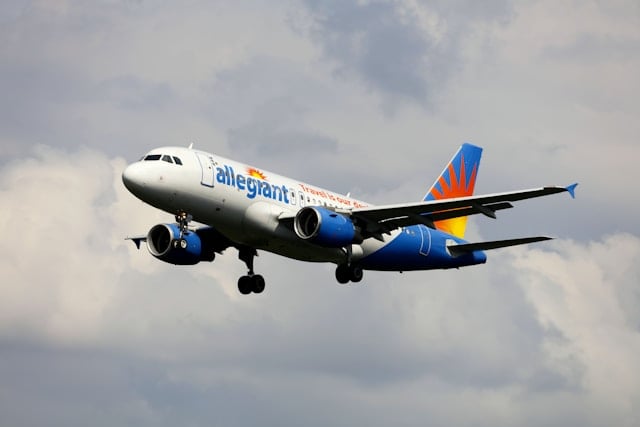
(AUSTIN) Delta Air Lines will end all flights between Austin-Bergstrom International Airport and Midland International Air & Space Port on November 8, 2025, closing the AUS–MAF route less than two years after its launch.
The decision, confirmed by multiple aviation news outlets in late August 2025, marks Delta’s full exit from Midland and folds into a wider reshuffle as the carrier deepens its push in Austin. Delta is moving planes and gates to routes it views as stronger, including new service from Austin to Denver, Columbus, and Kansas City.
Route history and performance
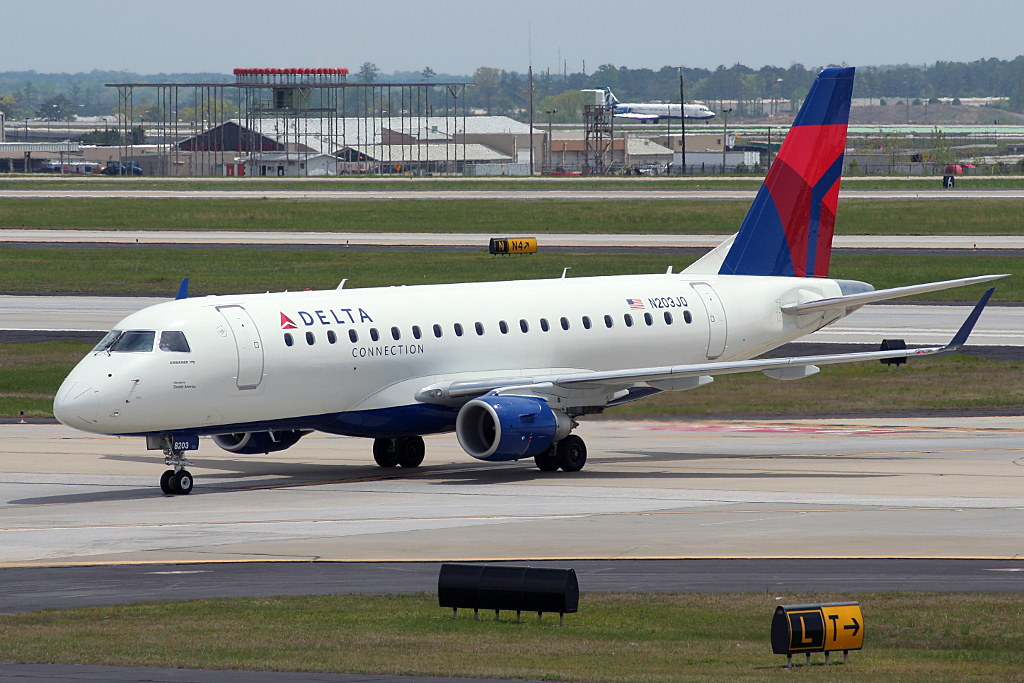
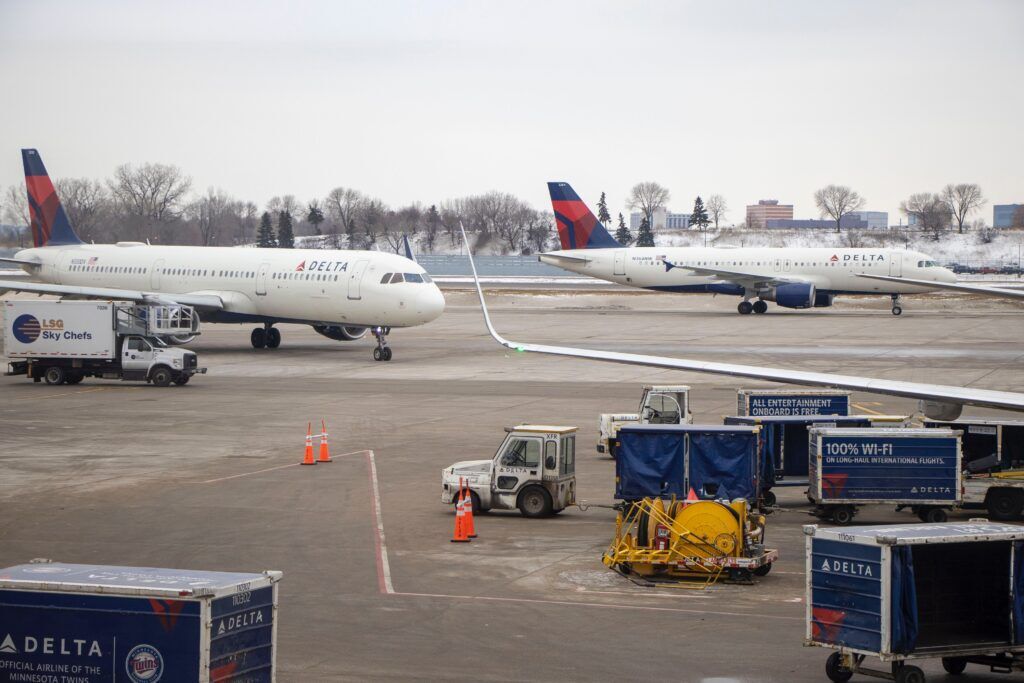
Delta launched Austin–Midland in April 2024 as part of a wave of non-hub flying that also touched other Texas cities. At its peak, the route ran up to three times a day on Embraer E175 regional jets.
The schedule gave the Midland/Odessa energy corridor quick links to the state capital for government meetings, tech and health care ties, and personal travel. But the loads never picked up the way Delta hoped, and the airline will now sunset the flights on November 8, 2025.
Strategy and gate dynamics in Austin
Industry analysts have long said Delta used some intra-Texas routes, including Midland and previously Harlingen, as a way to hold scarce Austin gates while the airline mapped a bigger plan in the city. That claim has been debated, but the timing fits.
Austin’s terminal is tight on space, and new capacity is unlikely before the 2030s. Every gate turn matters. VisaVerge.com reports that Austin’s gate squeeze continues to drive carriers’ choices, forcing them to back winners and pull back on weaker links.
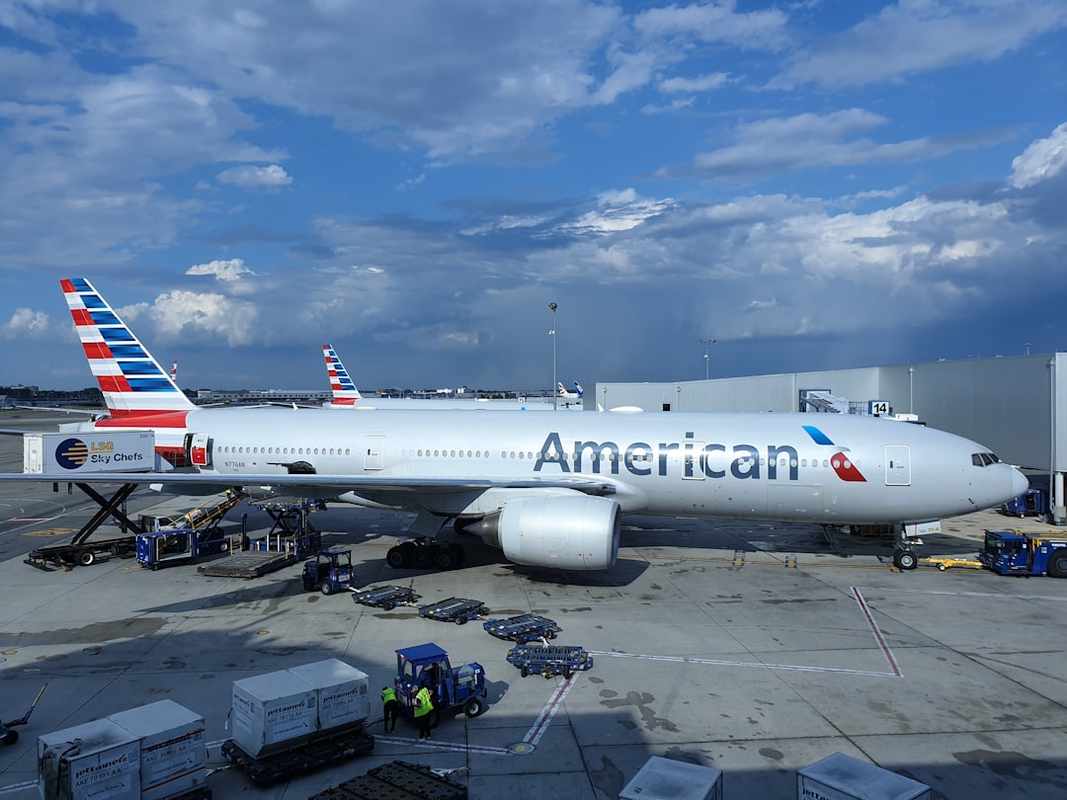
Delta has not issued a detailed public statement about the Midland cut as of August 25, 2025, but the broad strategy is clear in the network moves. In Austin, the airline has climbed to the No. 2 spot behind Southwest and is building a pattern that looks more like a focus city than a scatter of experiments.
The AUS–MAF retreat frees aircraft time and staff hours for routes where Delta sees better returns. At the same time, American and other rivals have trimmed some Austin flying, opening space for Delta to place bigger bets on markets it views as stronger.
Impact on Midland/Odessa travelers and businesses
For Midland/Odessa, the end of AUS–MAF removes a direct line to the state capital. Travelers may now:
- Make connections through Dallas, Houston, or elsewhere
- Turn to Southwest or American for alternative nonstop options
- Face added time and cost for trips that were previously nonstop
Local business groups—especially in energy and related services—used Austin flights to reach state agencies and partners. Losing that nonstop adds time and cost to some trips, though the airport will keep service from several carriers. The change affects the menu of nonstop choices, not the airport’s role in the region.
Why the route struggled
From the start, the route struggled to fill seats. Factors included:
- Midland lacks the cross-border and medical trip demand found in places like McAllen
- It doesn’t match the steadier corporate demand of larger Texas city pairs
- Austin’s gate constraint made Delta less willing to tolerate low-performing routes
With terminal pressure and expansion years away, shifting aircraft to Denver, Columbus, and Kansas City—cities offering broader connection banks and stronger business ties to Austin’s tech and professional services base—was a predictable move.
What passengers should do if affected
If you have a booking on AUS–MAF after November 8, 2025, follow these steps:
- Watch for Delta’s email or app notice about the schedule change.
- Do not cancel your own booking before the airline updates it — canceling first can complicate refund eligibility.
- If your flight is canceled, you can typically choose:
- A full refund
- A credit
- A rebooking option
- If your fare allows, request a refund online via Delta’s website. Agents can assist if manual review is needed.
- If you hit a wall, review DOT refund rules and consider filing a complaint (see link below).
Important: In the United States, the Department of Transportation states that airlines owe refunds when they cancel a flight and you choose not to travel.
For official guidance on refunds and how to file a complaint, see: https://www.transportation.gov/airconsumer/refunds
Practical examples of the local impact
- A compliance manager in Midland who used a nonstop 70-minute hop to attend morning meetings in Austin may now need to connect through Dallas or Houston, adding time and delay risk.
- A UT Austin student visiting family near Odessa will lose a convenient nonstop and may face added travel costs or a long drive.
These everyday disruptions are small in an airline’s ledger but meaningful to affected travelers.
Operational and crew considerations
- The Embraer E175s that flew AUS–MAF will move to other regional routes in Delta’s system.
- For crews, reassignment should generally be straightforward.
- For passengers, the key action is to act early once notices arrive.
Broader industry context and policy implications
At the policy level, this move fits the logic of slot and gate scarcity. When airports cannot add gates quickly, airlines often park capacity on experimental or lower-risk routes until larger plans are ready. Critics call this “gate squatting,” while supporters see it as part of testing a future hub strategy.
Once tests are done, weaker links are cut and the winners get more flights. Austin’s gate crunch accelerates this cycle.
Delta’s Austin strategy appears to focus on markets with strong business ties and broader connectivity:
- Denver — mountain and West access
- Columbus — Midwest tech and finance links
- Kansas City — complements Austin’s software and engineering scene
Other intra-Texas routes, like McAllen, may face fresh reviews if loads fall short, though no changes beyond Midland have been announced.
Competitive landscape in Austin
- Southwest remains the hometown heavyweight at Austin.
- American has trimmed some Austin flying, which eases crowding at certain times.
- The shifting mix creates a window for Delta to settle into a sustainable pattern, but future international or additional links will hinge on terminal timelines, aircraft availability, and steady demand.
Timeline and final notes
- Last Delta flight on AUS–MAF: November 8, 2025
- After that date, Midland will have no Delta service. Travelers can still reach Austin via other airlines with connections or by road.
According to analysis by VisaVerge.com, Austin’s gate shortage will continue to shape airline maps until major building finishes—likely not before the 2030s. That means continued pruning and shifting as carriers fight for the best use of each gate.
In the end, AUS–MAF was a bold try that couldn’t outrun the math. The route offered clear value for a slice of travelers but not enough to hold a gate in today’s Austin. Delta will place those aircraft where they earn more. Midland loses a nonstop, Austin gains capacity for other links, and everyone watches for the next round of schedule changes.
This Article in a Nutshell
Delta will end Austin–Midland service on November 8, 2025, reallocating E175s and gates to stronger Austin routes like Denver, Columbus and Kansas City due to low loads and Austin’s gate shortage. Affected passengers should await Delta notices for refunds or rebooking.