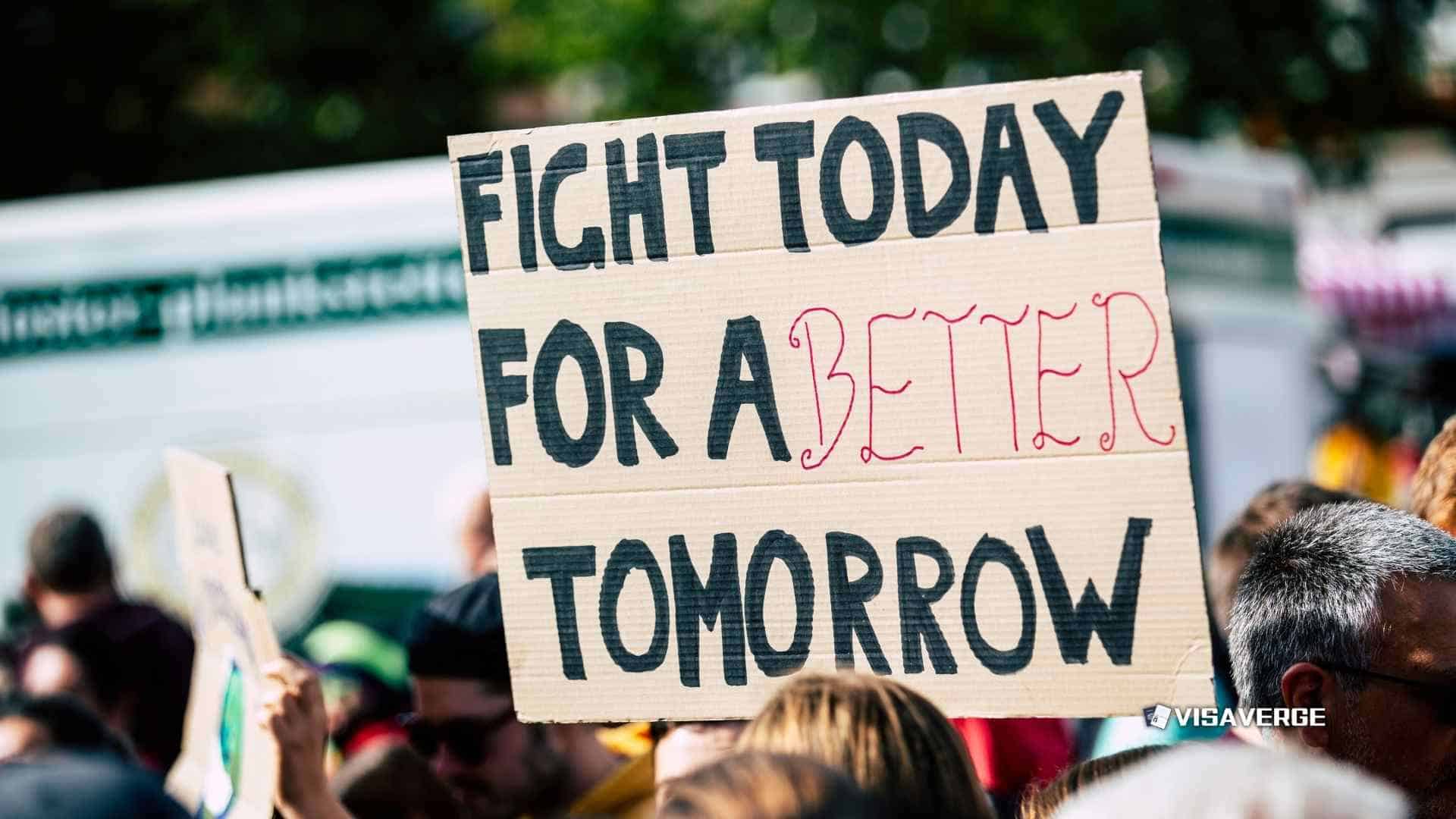
(DALLAS, TEXAS) Organizers in Dallas held a series of vigils and public gatherings after the ICE shooting on September 24, 2025, mourning three immigrant detainees caught in the attack at a federal facility: Norlan Guzman-Fuentes, 37, of El Salvador, and Miguel Ángel García-Hernández, 32, of Mexico, who both died, and Jose Andres Bordones Molina, 33, of Venezuela, who was injured. The events drew families, faith leaders, attorneys, and local residents, who came together to honor the men and to press for a more humane approach to immigration enforcement in Dallas and across the country.
Advocacy groups, including the League of United Latin American Citizens (LULAC), set up candlelight vigils outside Dallas City Hall, framing the response around “centering the victims” rather than the politics of the incident. Speakers condemned the “dehumanization” they say migrants face inside detention and during transport. Organizers stressed that the men were fathers, husbands, sons, and workers—people who had crossed borders seeking safety or stability, not a fight.
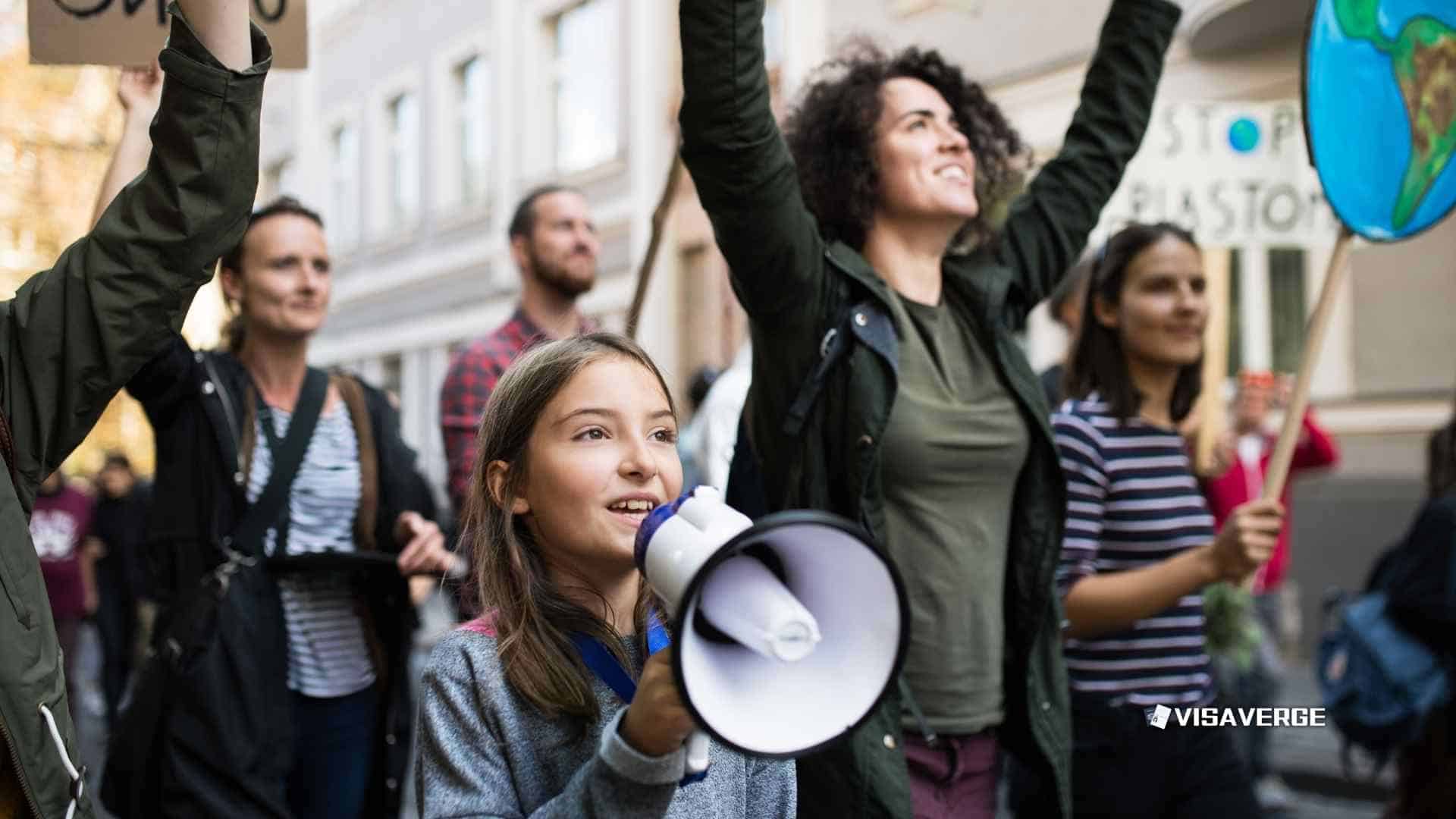
“Our community is grieving,” one organizer said, echoing the message at several gatherings where people read the victims’ names and shared prayers in Spanish and English.
Free toolUSCIS Receipt Number DecoderMemorials, Symbols, and Family Impact
García-Hernández died several days after the attack when his family made the painful decision to remove life support. His wife, Stephany Gauffeny, spoke at one gathering about their children, the shock of his death, and the sudden financial strain.
Friends described him as a gentle father who wanted steady work and time with his kids. Attendees placed white roses at a simple display with his photo and a Salvadoran and Mexican flag ribbon for him and Guzman-Fuentes. Organizers said the flowers symbolized the dignity they felt the system had denied the men.
- White roses and flag ribbons were used to honor the deceased.
- Prayers and readings were given in both Spanish and English.
- Volunteers provided immediate practical help (food, pastoral care, and legal referrals).
Community Grief and Calls for Dignity
LULAC’s Dallas leadership coordinated volunteers to assist families with basic needs and to connect them with pro bono legal help. The Texas Civil Rights Project and the American Immigration Lawyers Association (AILA) issued statements mourning the victims and urging reforms to detention and transport practices.
Their messages focused on the human cost: that immigration enforcement should never strip people of safety or respect.
“These were men in custody, fully dependent on the government for protection,” one local attorney said. “The outcome shows why checks and oversight matter.”
The third detainee, Jose Andres Bordones Molina, survived and was later transferred to the Prairieland Detention Center after hospitalization. His family in Venezuela struggled to get updates, in part because they lacked consular support. Community members collected funds for his recovery needs and for the families of the deceased, while immigrant aid groups tried to secure clearer lines of communication for relatives abroad.
Authorities have said the attack was a premeditated act targeting ICE agents. But the people who died were detainees in transit, not officers, a fact that sharpened the grief at the Dallas vigils. Organizers drew a line between policy and people, saying that heated politics around federal enforcement often turns migrants into faceless targets.
According to analysis by VisaVerge.com, community responses like Dallas’s often emerge after high-profile violence to press for policy changes and compassionate outreach to families.
Names, Facts, and Intention
At a quiet midday gathering, volunteers read key details aloud so mourners would leave with names, not just headlines:
- Norlan Guzman-Fuentes, 37, from El Salvador — died at the scene.
- Miguel Ángel García-Hernández, 32, from Mexico — died days later after removal from life support.
- Jose Andres Bordones Molina, 33, from Venezuela — was injured and later transferred to detention.
The symbolism was intentional. Advocates said public memory tends to fade fast, while families live with grief, bills, and legal questions. They urged the city’s residents to keep showing up, not only for events, but also to support counseling, rent, and funeral costs.
Throughout the week, people lit candles, sang hymns, and passed a donation box. Local clergy offered Spanish-language pastoral care. Volunteers helped draft letters to schools and landlords explaining the families’ sudden hardship.
Accountability, Rights, and Next Steps
The ICE shooting landed amid tense debates over enforcement and large-scale deportation operations in Texas. While investigators described the attack as targeted at agents, the deaths of detainees have intensified calls for a review of how people in custody are moved and protected.
AILA and the Texas Civil Rights Project called for:
- Stronger oversight of detention and transport practices
- Independent review of transport security
- Prompt, transparent communication with families after critical incidents
Community lawyers also reminded families and witnesses that they can file civil rights complaints with the federal government. People who experienced or saw abuse, neglect, or mistreatment in a federal immigration setting can submit a complaint to the Department of Homeland Security’s Office for Civil Rights and Civil Liberties.
Guidance and submission options are posted on the DHS website at Filing a Civil Rights Complaint with DHS CRCL.
Attorneys at the vigils explained that families can work with counsel to:
- Document facts and preserve records
- Request updates and hospital discharge papers
- Request custody transfer notices
They stressed that filing a complaint is not the same as filing a lawsuit; it’s a way to prompt federal review.
Practical Measures Advocates Urged
Advocates pressed for immediate, practical steps to help families:
- Share timely health and custody updates with families
- Ensure access to legal counsel
- Allow pastoral visits on request
- Provide translators and clear points of contact for relatives abroad
- Request copies of hospital and custody paperwork promptly
Translators at the Dallas gatherings helped relatives understand who to call, what information to ask for, and how to request documentation. Organizers said these small, steady actions can make a hard path a bit more bearable.
Public Visibility and Sustained Pressure
For many Dallas residents, the picture is bigger than one case. They described a climate where migrants move through detention without much public visibility, except when tragedy strikes. Speakers said vigils are not just memorials, but also a way to keep pressure on systems that operate out of sight—transport vans, holding rooms, and long waits far from home.
“People need due care when the government controls every part of their day,” one faith leader said. “When safety fails, we all share the duty to ask why.”
The Dallas vigils continued through the weekend, drawing families with small children and elderly neighbors who remembered past cases. Some carried handmade signs with the men’s names; others brought food for the families. Legal aid tents offered brief screenings to check if relatives qualified for any relief while they grieved. Organizers emphasized that grief and advocacy can exist together: flowers for the dead, help for the living.
Ongoing Advocacy and Policy Requests
Policy questions will outlast the candles. Groups plan to meet with local officials to request:
- Better public reporting after incidents involving people in custody
- Regular audits of transport protocols, training, and emergency response
- Stronger guidelines around family notification when a detainee is hurt or moved
While the Dallas City Council doesn’t run federal detention, local leaders can still press for answers and share information with the public.
In the end, the Dallas response underscored a simple point: immigration status does not erase a person’s right to life and safety. The vigils for Guzman-Fuentes, García-Hernández, and Bordones Molina—with candles, prayers, and quiet moments—became a stand for dignity. In a week marked by sorrow, the city tried to give the families the one thing it could offer right away: presence.
This Article in a Nutshell
Dallas held candlelight vigils after the September 24, 2025 ICE shooting that left two immigrant detainees dead and a third injured. Families, faith leaders, attorneys, and organizations like LULAC, AILA, and the Texas Civil Rights Project gathered at City Hall and other sites to mourn, center victims, and demand humane immigration enforcement. Volunteers offered practical help—food, pastoral care, translators, and legal referrals—while advocates called for independent reviews of transport security, better family notification, and increased oversight. Organizers emphasized documenting facts, preserving records, and filing DHS civil rights complaints. The events combined memorial gestures with sustained public pressure for policy change and clearer communication with families abroad.