Key Takeaways
01
The Ninth Circuit Court upheld the federal right to use Boeing Field for ICE deportation flights, opposing local bans.
02
King County initially blocked ICE, citing human rights concerns, but federal courts overruled, emphasizing legal agreements.
03
The ruling highlights federal dominance over local immigration policies, reflecting broader tensions in U.S. immigration enforcement.
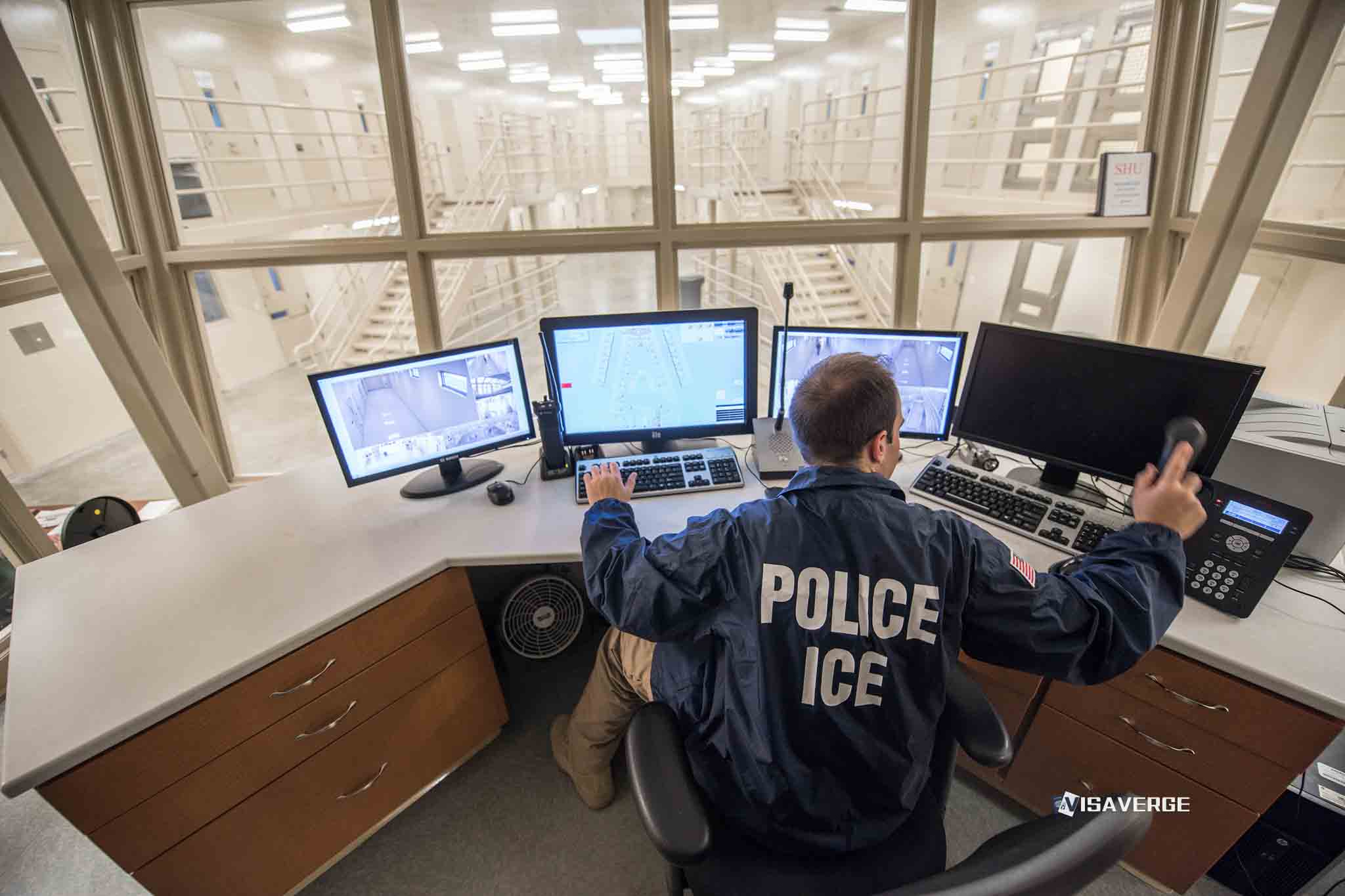
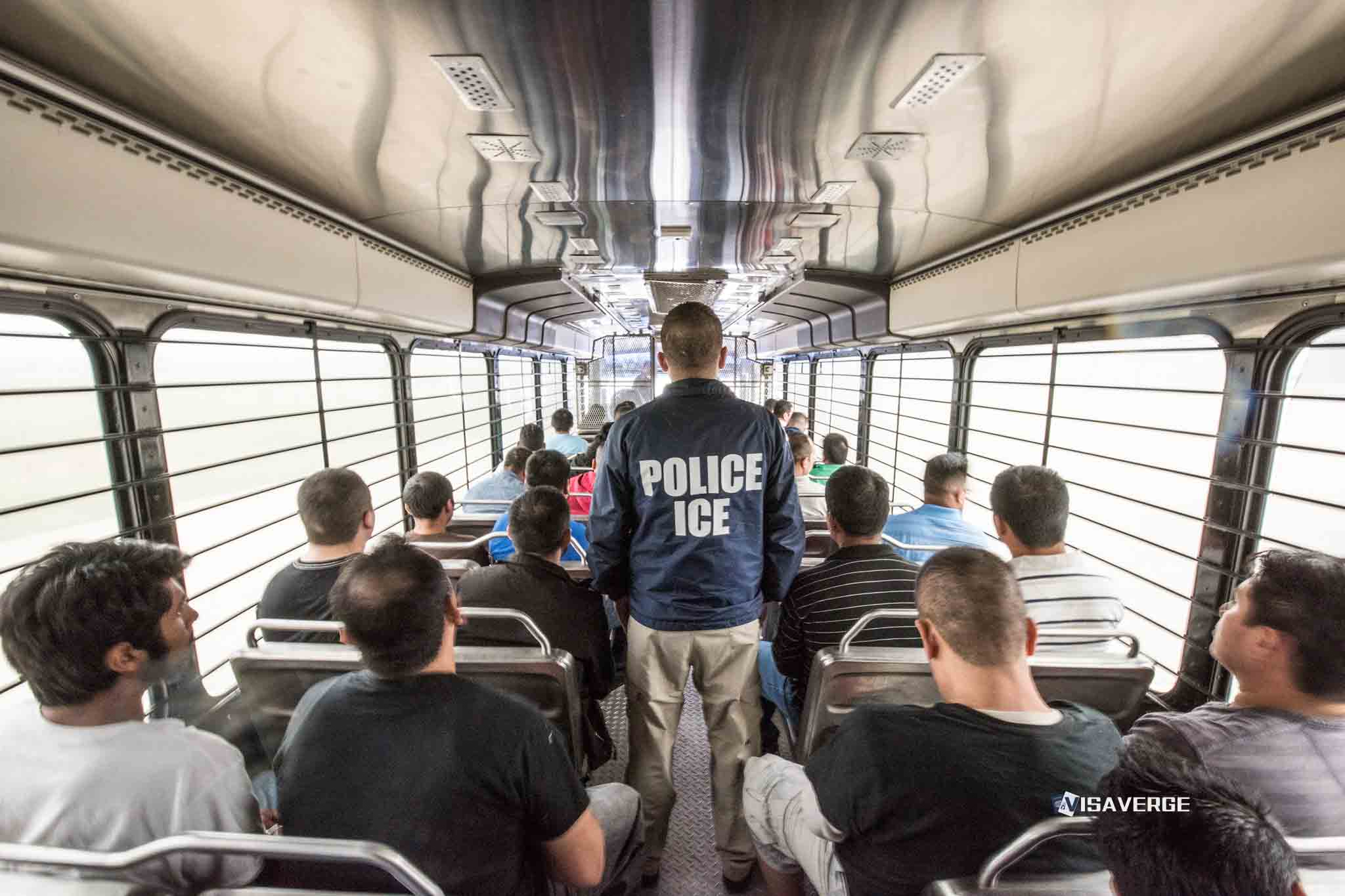
A recent decision by the Ninth Circuit Court of Appeals has cemented the federal government’s right to use Seattle’s King County International Airport, commonly known as Boeing Field, for deportation flights. This ruling marks a significant point in the ongoing discussion about immigration enforcement and the power of local governments. The U.S. Immigration and Customs Enforcement (ICE) can continue its chartered deportation flights from this airport despite previous attempts by local officials to prohibit such operations.
The seeds of this contentious issue were planted in 2019 when King County Executive Dow Constantine issued an executive order blocking the use of Boeing Field for ICE deportation flights. This order was a part of efforts by local authorities in Seattle and Washington state to oppose immigration policies implemented during the presidency of Donald Trump, which they worried might lead to human rights violations. As a result, ICE had to shift its operations to Yakima, Washington. The move to Yakima posed several logistical hurdles because of its considerable distance from the Northwest detention facility located in Tacoma.

In 2020, the federal government responded by filing a lawsuit against King County. The lawsuit contended that Constantine’s order unfairly targeted ICE and violated a World War II-era agreement called the Instrument of Transfer, which granted the federal government access to the airport. U.S. District Judge Robert J. Bryan ruled in favor of the federal government, asserting that the executive order discriminated against ICE operations.
In an effort to navigate the legal landscape without openly defying federal authority, Constantine introduced a new executive order in early 2023. This revised directive did not directly block deportation flights but limited county resources from supporting ICE beyond what was required by federal law. The new order also aimed to maintain transparency by allowing public access to video feeds of the deportation flights and logging these flights on the county’s website.
The matter reached a climax in December 2024 when a panel of three judges from the Ninth Circuit Court unanimously supported Judge Bryan’s earlier decision. The court ruled that King County’s attempts to block ICE flights were an improper infringement on federal authority. By forcing ICE to stop using Boeing Field or restricting the use of government-owned aircraft, King County was overstepping its bounds.
This ruling by the Ninth Circuit underscores the overarching authority of federal law over local policies in the realm of immigration enforcement. It effectively nullifies any local measures seeking to curtail federal deportation activities at King County’s Boeing Field, underscoring that such actions are prohibited by existing agreements and federal jurisdiction.
While King County has voiced its dissatisfaction with the court’s ruling, stating its preference for local values over federal mandates, it has agreed to comply with the decision. Amy Enbysk, representing the King County Executive’s Office, mentioned that although the county disagrees with federal dominance over local preferences, it will adhere to what the law requires.
The decision resonates beyond King County, reflecting ongoing tensions between federal immigration operations and local government efforts to safeguard immigrant communities. Across the U.S., many cities and counties identify as sanctuary jurisdictions, adopting measures to minimize cooperation with federal immigration authorities.
This case also ties into the broader national discourse on immigration policy. It highlights how different administrations might have contrasting priorities regarding enforcement. President-elect Donald Trump, whose administration had emphasized deportation efforts, was met with opposition from local leaders in various states. Governors from Illinois??, Arizona??, and Massachusetts?? had expressed reluctance in assisting federal deportation efforts, criticizing them as harmful.
The Ninth Circuit Court’s decision represents a pivotal moment in the ongoing interplay between federal and local governance in immigration matters. While it reaffirms the federal government’s right to utilize Seattle’s Boeing Field for deportation flights, it also poses larger questions about the balance of power between national authority and local governance in shaping immigration policy.
Looking ahead, this decision remains a focal point for potential legal disputes and policy discussions nationwide. The intersection of national immigration strategy with local values continues to be a complex and dynamic area of law and public policy. For those affected, it becomes increasingly important to stay informed and possibly seek professional legal advice to fully understand the implications of such legal developments.
For more official information about immigration procedures or updates, you can visit the U.S. Citizenship and Immigration Services (USCIS) website, a valuable resource for those navigating the complexities of immigration law. As reported by VisaVerge.com, the ongoing tensions between federal requirements and local values underscore the challenge of balancing these interests in practice, reflecting broader national debates and evolving policies.
Learn Today
Ninth Circuit Court of Appeals: Federal appellate court with jurisdiction over western U.S. states, including decisions on immigration enforcement.
U.S. Immigration and Customs Enforcement (ICE): Federal agency under the Department of Homeland Security responsible for immigration enforcement and deportations.
Instrument of Transfer: World War II-era agreement granting the federal government certain rights and access to public facilities.
Sanctuary Jurisdictions: Cities or counties that adopt policies to limit cooperation with federal immigration authorities to protect immigrant communities.
Federal Jurisdiction: Legal authority granted to the federal government to exercise power over matters defined by the U.S. Constitution, such as immigration.
This Article in a Nutshell
A pivotal Ninth Circuit ruling affirmed federal authority to use Seattle’s Boeing Field for ICE deportation flights, despite local opposition. This decision underscores federal supremacy in immigration enforcement, sparking broader debates on national versus local control. As jurisdictions navigate these tensions, understanding federal-local dynamics becomes essential for informed policy and legal strategies.
— By VisaVerge.com
Read more:
• New India Visa Centers Open in Seattle and Bellevue
• Seattle Officer Hits Indian Student, Pays $5000 Fine, No Charges
• Why Seattle Officer is Not Charged in Jaahnavi Kandula’s Death Incident?
• Seattle Police Officer Not Charged in Indian Student Jaahnavi Kandula’s Death
• Impact of 2004 H-1B Visa Cap Increase