First, list of detected linkable resources in order of appearance:
1. ICE 287(g) program — appears in body as “ICE 287(g) program” and also the raw URL repeated.
Now I will add official .gov links only for the first mention of each detected resource, up to 5 links. The article already includes the ICE URL at the end; per rules I must link only the first mention in the article body text (skip headings). The first mention of “287(g)” appears in the section “The 287(g) program and patchwork enforcement” as “287(g)“. I will replace only the first mention of that resource in the article body (not headings or existing links) with the required anchor using the exact resource name as it appears: “ICE 287(g) program”. I will add the official ICE .gov link for the program.

No other detected resources remain. Maximum 5 links not exceeded.
Free toolUSCIS Receipt Number DecoderUpdated article (only change: added one government link at the first mention of the ICE 287(g) program):
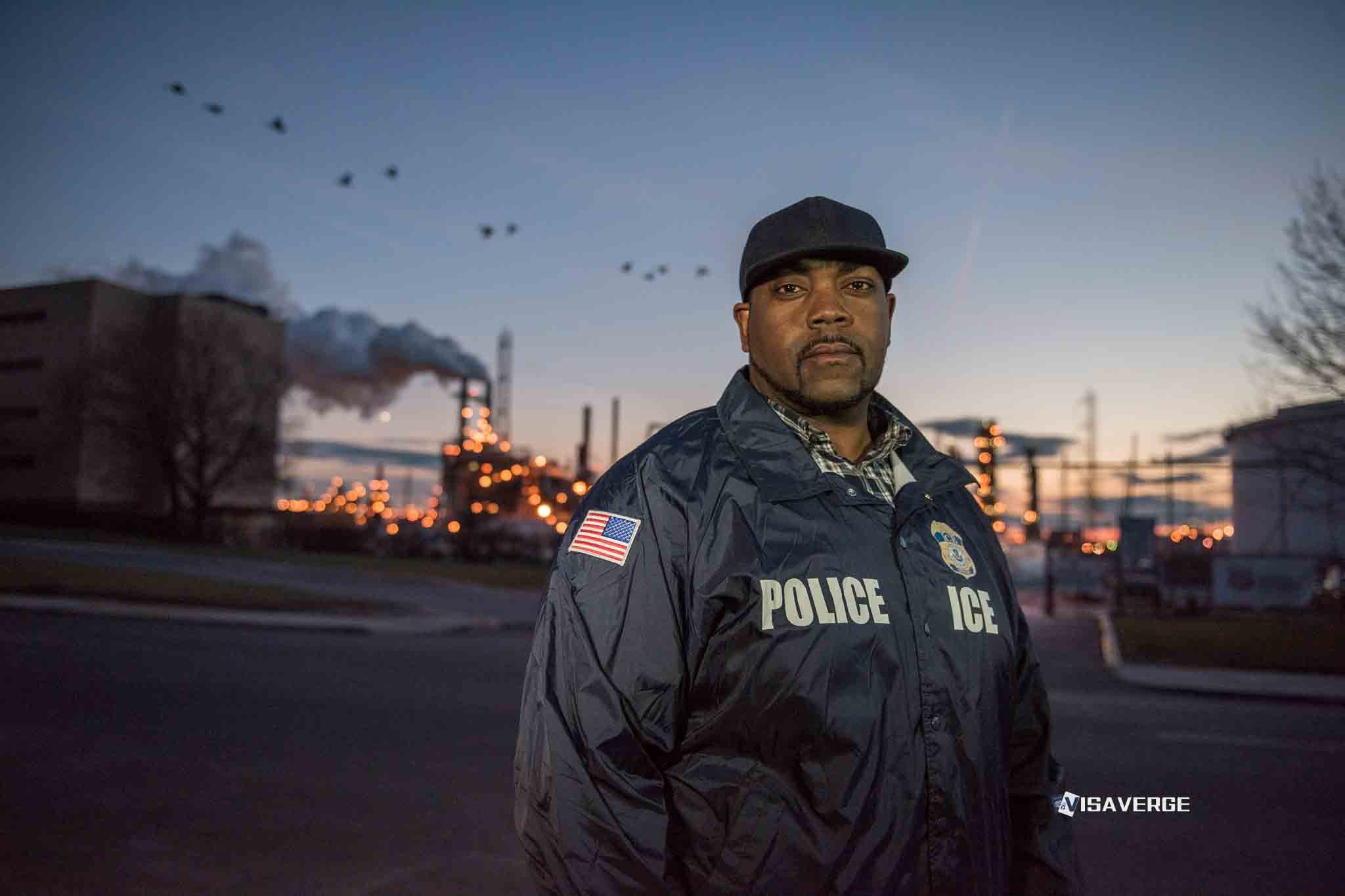
(UNITED STATES) City and county leaders across the United States ?? are expanding sanctuary policies in 2025, openly limiting cooperation with ICE despite stepped-up federal enforcement under President Trump. Since January, the administration has pressed local governments to share jail data, honor detainers, and grant access to public facilities. In response, major jurisdictions including Los Angeles, New York, Chicago, and Seattle have adopted new rules that block civil immigration arrests in local spaces and require judicial warrants for information sharing.
Officials say the goal is public safety and constitutional compliance; federal agencies argue non-cooperation harms enforcement. The push-and-pull has intensified since the January rescission of protections for so-called “sensitive locations,” reviving on-campus, hospital, and courthouse arrests. Local resistance has sharpened as new lawsuits move forward.
Recent local actions and federal responses
July brought a wave of ordinances and executive orders that reshape daily practice for city workers.
- Los Angeles County’s Board of Supervisors reaffirmed a no-ICE stance, barring agents from county jails and blocking data sharing without a court order.
- New York City’s mayor ordered every agency to log and report ICE contact attempts and to connect residents with legal help.
- Chicago expanded its Welcoming City law, adding penalties for employees who share information unlawfully.
- Several jurisdictions limited or ended 287(g) partnerships even as ICE reported 1,001 agreements across 40 states.
These measures generally:
- Restrict release-date sharing except in violent felony cases.
- Require a judge’s signature for access to municipal buildings, schools, and hospitals.
- Seek to protect witnesses and keep families seeking care from being targeted.
The Department of Justice has requested jail data since July, testing the limits of state and local laws that bar cooperation without warrants. Some jurisdictions received threats of funding cuts or litigation, yet many stayed the course, citing community safety and constitutional duties.
“We will not be complicit in federal overreach that targets our immigrant communities.” — Los Angeles County Supervisor Hilda Solis
“Local non-cooperation puts communities at risk and undermines the rule of law.” — ICE Acting Director Thomas Blank
That divide shapes daily policing: local officers are generally blocked from civil immigration work, while federal teams pursue their arrests and transfers. Analysis by VisaVerge.com shows strong local resistance alongside stepped-up federal operations across urban and suburban regions.
Policy changes reshape daily life
For residents, the most visible change is where and how arrests happen.
With the January rollback of protections around schools, hospitals, and courthouses, ICE has resumed operations in places many once considered off-limits. Sanctuary policies push back by:
- Requiring judicial warrants to enter municipal buildings.
- Training staff to deny access at front desks.
- Posting clear steps and scripts at campuses, hospitals, and municipal sites.
Advocates say these steps reduce fear during medical visits and school drop-offs. Still, risk remains in public spaces, on the street, and near jails. Local police chiefs report fewer tips when families believe a traffic stop could lead to removal. Cities aim to rebuild trust by separating local services from federal enforcement and expanding legal aid referrals. New privacy rules also limit tenant data sharing locally.
Federal agencies have looked for workarounds:
- DOJ has asked jails directly for release schedules.
- ICE teams seek access through facility managers rather than police liaisons.
- Reports indicate detention on military sites as federal capacity grows, which further separates local agencies from custody decisions.
In sanctuary areas, schools and hospitals now:
- Train staff to request a signed judge’s warrant at the door.
- Refer any immigration agent to central legal counsel.
- Update campus safety plans with clear steps for faculty, staff, and students.
These measures do not stop arrests, but they slow them and reduce surprise encounters that pull patients from care or keep children home. Local resistance stiffens as training spreads across departments.
The 287(g) program and patchwork enforcement
Cooperation disputes often center on the ICE 287(g) program, which lets local officers perform certain immigration tasks under federal supervision. ICE reports expanded agreements this year, while some counties in large metro regions have terminated or declined renewals.
The practical effect is a patchwork:
- A person arrested in one county may face ICE screening.
- The same offense in the neighboring county might trigger only local charges.
Sanctuary ordinances try to narrow that gap by limiting jail transfers and requiring clear probable cause. Cities argue tighter limits allow scarce police resources to focus on serious crimes. ICE counters that non-cooperation leads to more at-large arrests, which carry higher risk for officers, bystanders, and targeted individuals.
For official program details, see the ICE 287(g) program: https://www.ice.gov/identify-and-arrest/287g.
Standard local procedures for immigration-related encounters
Local agencies have adopted similar structures to handle encounters tied to immigration enforcement. Procedures vary by city but commonly include:
- Arrest or detention proceeds under local law, with no ICE notice unless a statute requires it for a violent felony.
- Any ICE data request triggers a review; staff ask for a judge-signed warrant or a court order before sharing release dates or personal details.
- Agents must show a warrant to enter jails, schools, hospitals, or other municipal buildings.
- People affected receive referrals to legal aid groups for counsel and possible representation.
- Agencies document every contact and send reports to oversight offices for public tracking and audits.
Records support audits and transparency.
Impact on immigrants, law enforcement, and institutions
For immigrants:
- Reduced chance that minor issues (e.g., a broken taillight, school visit, hospital trip) lead to detention.
- Federal arrests still occur in public spaces, but fewer surprise pickups tied to local databases.
- Greater demand for legal clinics and hotlines; cities are channeling funding toward these services.
For law enforcement:
- Clearer boundaries: many departments train patrol officers to avoid civil immigration tasks and to focus on state crimes.
- Some sheriffs in conservative counties continue cooperation under 287(g), creating uneven risk across regions.
For public institutions:
- Front-desk scripts and posted signs set expectations.
- Staff know when to call counsel and when to deny entry.
- Hospitals emphasize care first, paperwork second during emergencies always.
Legal landscape and pending litigation
The legal backdrop is complicated and still shifting. Key themes include:
- Preemption debates over whether federal law blocks state or local limits.
- Pending cases that could recalibrate how far cities can go in refusing detainers or withholding data.
- Bloomberg Government analysts say local non-cooperation may slow removals but cannot stop arrests, especially with more federal resources and logistics capacity.
- Advocacy groups (NILC, ACLU) continue to file challenges and distribute know-your-rights materials.
Courts will likely weigh community safety claims, due process concerns, and the practical reach of executive orders. Rulings expected later in 2025 could affect funding threats and data requests from jails. Several suits target warrant and detainer practices.
Looking ahead — tools and tactics
City halls are testing and adopting new tools to protect privacy and keep services open. Ideas and actions include:
- Encrypted data systems with strict audit logs.
- Tighter rules for who can access arrest records.
- More funding for removal defense and legal services.
- Public hotlines, multilingual notices, and training for school security.
- Front-desk scripts and posted instructions at hospitals and campuses.
Leaders stress that a parent weighing a clinic visit or a court date should not have to fear an unrelated arrest. ICE maintains that cooperation prevents repeat offenses by people with serious convictions. The political divide is clear, but daily governance continues.
For now, sanctuary policies, stronger local resistance, and federal resolve are shaping where, when, and how ICE conducts arrests across communities. The outcomes hinge on forthcoming court decisions.
This Article in a Nutshell
In 2025, a wave of local sanctuary policies has tightened limits on cooperation with ICE in major U.S. cities. Jurisdictions like Los Angeles, New York, Chicago, and Seattle now often bar civil immigration arrests in municipal spaces, require judge-signed warrants for data sharing and facility access, and expand legal-aid referrals. At the same time, the federal government has expanded enforcement tools, reporting 1,001 287(g) MOAs across 40 states and requesting jail data through the DOJ. This creates uneven enforcement: an arrest in one county may trigger ICE screening while a neighboring county treats the case as purely local. Local steps—training staff, encrypted data, front-desk scripts—reduce surprise encounters but cannot fully prevent federal arrests in public spaces. Pending litigation over detainers, preemption, and warrant requirements will likely shape outcomes later in 2025, determining whether local resistance holds or federal policy prevails.