(UNITED STATES) — The Department of Homeland Security and U.S. Immigration and Customs Enforcement have expanded enforcement operations under the administration that took office in January 2025, prompting medical experts to warn that pregnant immigrants and their babies may face complications driven by chronic stress linked to ICE raids.
Research highlighted by experts indicates that infants born to immigrant mothers following a major raid have a 24% greater risk of low birth weight, regardless of the mother’s legal status. Doctors and public health researchers have connected that risk to “maternal weathering,” a theory describing physiological decline associated with chronic, “toxic stress” from fear of deportation.

Policy changes and key dates
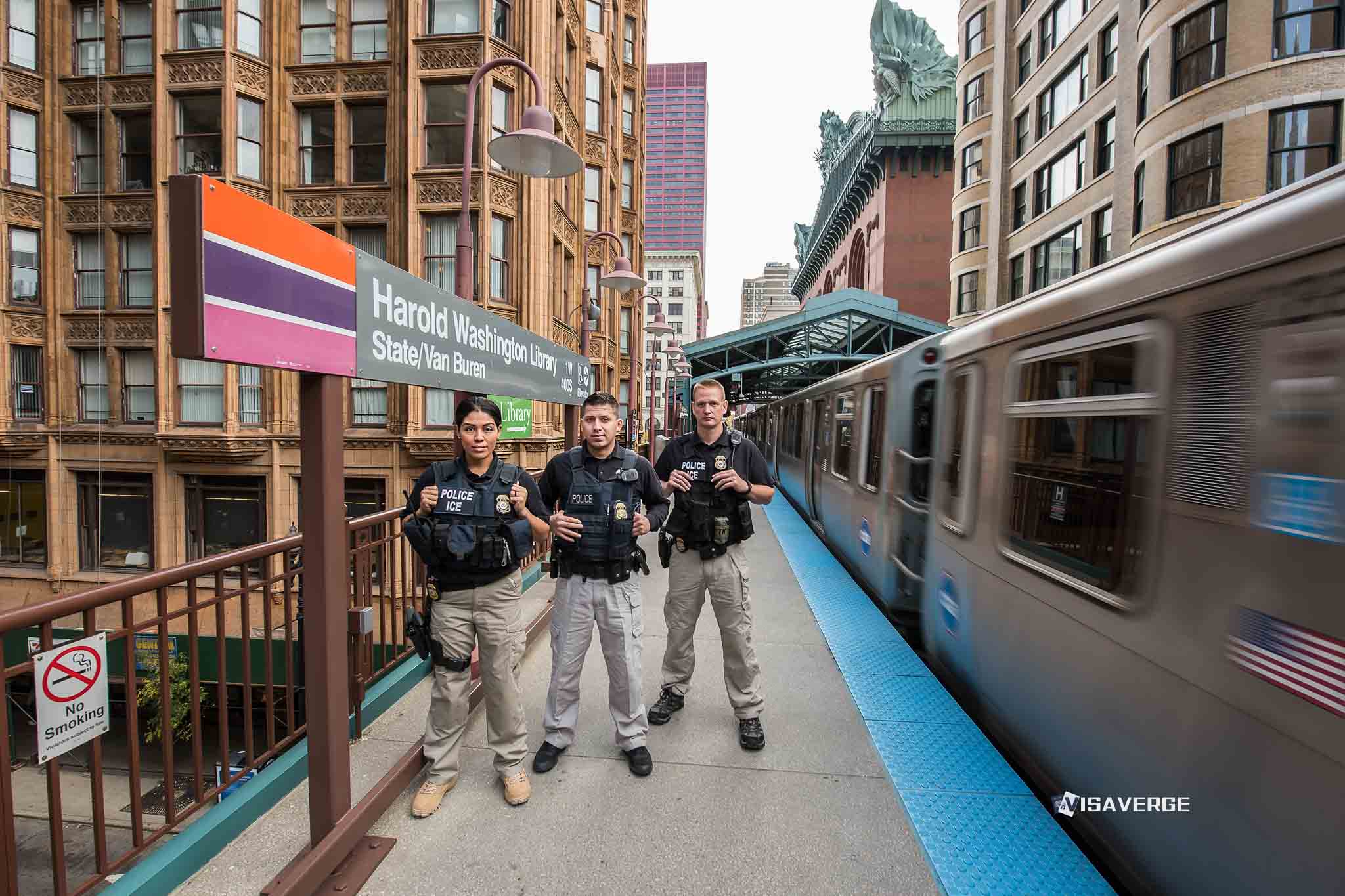
- Acting DHS Secretary Benjamine Huffman on January 20, 2025 rescinded a 2021 “Protected Areas” memorandum that had limited enforcement actions in sensitive locations such as hospitals, schools, and churches.
“It is not necessary. for the head of the agency to create bright line rules regarding where our immigration laws are permitted to be enforced. Law enforcement officers should continue to use [their] discretion along with a healthy dose of common sense,” the DHS memo said.
- DHS later defended detention conditions and disputed accounts of mistreatment in ICE facilities. In a “Fact vs. Fiction” release on June 30, 2025, the DHS Press Office stated:
“Claims there is overcrowding or subprime conditions in ICE facilities are categorically FALSE. All detainees are provided with proper meals, medical treatment, and have opportunities to communicate with their family members.”
- Secretary Kristi Noem on December 3, 2025 announced “Operation Catahoula Crunch” in New Orleans, describing it as aimed at “criminal illegal aliens.” Noem said:
“The men and women of DHS law enforcement have landed in The Big Easy. Operation Catahoula Crunch will remove the worst of the worst from New Orleans. after the city’s sanctuary politicians have ignored the rule of law.”
How rescinding protected areas affects care-seeking
Medical experts warn the shift from sensitive locations to universal enforcement has altered how immigrant patients approach:
- Prenatal care
- Emergency services
- Hospital births
By removing hospitals from the list of protected areas, the administration authorized potential ICE presence in medical settings. Experts say this is deterring immigrants from seeking essential prenatal and emergency birthing care.
Clinical observations and reported trends
OB-GYNs and public health researchers, including Dr. Daisy León-Martínez and Dr. Josie Urbina, have tied chronic stress to downstream pregnancy and postnatal risks under the maternal weathering framework.
Providers in states such as California and Florida have reported:
- A sharp increase in patients missing prenatal appointments.
- Some individuals opting for home births without medical assistance to avoid hospital-based enforcement.
- Higher rates of:
- Preterm labor
- Severe hypertension (preeclampsia)
- Postpartum depression
They also report that family separation — for example, detention of a primary provider or partner — adds financial and emotional stress that can worsen outcomes.
Research findings and mechanisms
- The research cited by experts shows a 24% greater risk of low birth weight for infants born after a major raid.
- Public health researchers describe maternal weathering as a cumulative process: repeated exposure to threat and uncertainty builds over time, and pregnancy may be when those stressors are most physiologically consequential.
Experts link the enforcement climate to several health pathways:
- Fear of arrest/detention → delayed care and missed monitoring
- Uncertainty about hospitals being safe → reduced management of complications
- Detention of family members → loss of financial/emotional support
These pathways can result in complications that escalate quickly during pregnancy and childbirth.
Enforcement scale and community impact
DHS reported that in the first year of the current administration more than 2.5 million individuals left the U.S. through a combination of:
- Self-deportation: 1.9 million
- Formal removals: 622,000
Providers say the scale of departures heightens anxiety in immigrant communities. That anxiety can become a continuous stressor during pregnancy, affecting both mother and baby.
Implementation concerns: directives vs. practice
Although a 2021 Pregnancy Directive technically remains in force, reports from late 2025 indicated it was frequently bypassed under “exceptional circumstances.” An oversight visit in July 2025 found at least 14 pregnant women in a single Louisiana detention facility — a focal point for clinicians and advocates questioning how policies are applied in practice.
Concerns about exceptions and how they are used have amplified scrutiny of implementation versus written policy.
Clinical implications and provider warnings
For clinicians, the most immediate concern is whether pregnant patients will seek help early enough. Providers described patients weighing prenatal visits against the perceived risk of encountering ICE, particularly after protected areas were rescinded.
- The rescission left no bright-line protections, which experts say can deepen fear because patients may not know what to expect in places they once assumed were off-limits.
- The deterrent effect is reported to spill beyond those without legal status, affecting mixed-status households and those with uncertain immigration circumstances.
Sources for official statements and updates
- DHS posts public statements and operational updates in the DHS Press Room.
- ICE posts operational updates in the ICE Newsroom, including the entry on Operation Catahoula Crunch.
- USCIS policy guidance is separate from ICE enforcement and is available in the USCIS Policy Manual.
Summary of key concerns
- Removal of hospitals from protected areas has been linked by clinicians to decreased prenatal attendance and increased home births without medical support.
- The 24% increased risk of low birth weight after raids is cited as a measurable consequence of acute enforcement shocks layered on chronic fear.
- Providers warn that enforcement near medical settings risks losing opportunities to detect warning signs (blood pressure issues, fetal growth concerns) that require timely interventions.
- The broader enforcement climate — and the reported scale of departures — sustains anxiety that can become a continuous stressor, with measurable effects on maternal and infant health.
Medical experts urge attention to the enforcement footprint around healthcare settings, noting that when patients avoid clinics and hospitals the healthcare system loses opportunities to prevent complications that can escalate rapidly during pregnancy and childbirth.
Since January 2025, new DHS policies have removed traditional safeguards for sensitive locations like hospitals. This shift has triggered significant fear in immigrant communities, leading to ‘maternal weathering’—chronic stress that negatively impacts fetal development. Clinical data shows a 24% rise in low birth weight babies following raids, while providers note an increase in preeclampsia and home births without medical assistance to avoid ICE encounters.