- New Zealand will ease health insurance rules for Peak Seasonal Visa (PSV) applicants starting April 19, 2026.
- The change targets seasonal workers with contracts lasting three months or longer to simplify visa compliance.
- Current strict requirements including specific insurer credit ratings remain in effect until the April implementation date.
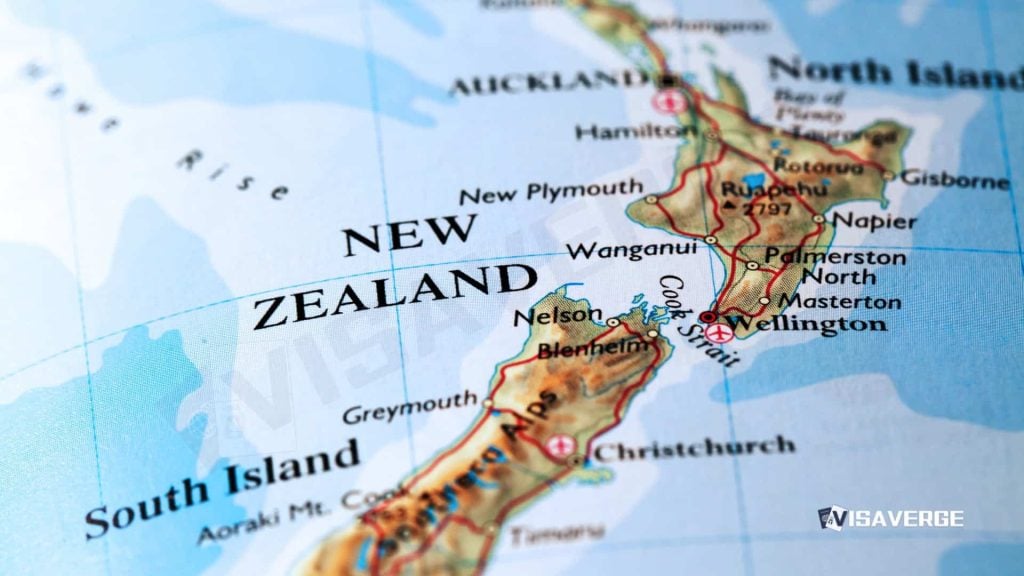
(NEW ZEALAND) — New Zealand is easing health insurance rules for Peak Seasonal Visa applicants from April 19, 2026, changing a requirement that has applied to workers taking seasonal jobs lasting more than three months.
The update applies to Peak Seasonal Visa, or PSV, applicants working 3 or more months and is intended to simplify compliance for people seeking those visas.

Current rules remain in place until that date. Under those rules, applicants with job offers of more than three months must submit proof of comprehensive medical insurance with their visa applications.
That insurance standard has been detailed and strict. Insurers have needed experience in medical or travel insurance and a credit rating of at least A from Standard & Poor’s or B+ from AM Best.
Coverage has also had to extend across a wide range of costs in New Zealand. It must include all medical expenses, including diagnosis, treatment, prescribed medicine, ambulance costs, hospital and post-hospital care, or home nursing.
Emergency dental care has also been required. So have repatriation costs if a worker becomes seriously ill or disabled, and body repatriation if the person dies in New Zealand.
Applicants have had to prove that cover with an insurance certificate or an approval letter from the insurer. They submit that material with a passport, job offer, employment agreement, photograph, proof of experience, police or medical certificates if needed, and English translations.
New Zealand opened PSV applications on December 8, 2025 for accredited employers offering full-time seasonal work on an approved job list. The roles include work in sectors such as agriculture and horticulture.
Those visas last up to 7 months. Eligibility includes 1 season of relevant experience in the last three years and a 4-month absence from New Zealand before a person can apply again.
The cost starts at NZD $1540. That fee sits alongside the document and insurance burden that has shaped the application process since the visa opened.
What changes on April 19, 2026 is the insurance standard itself. New Zealand has said it is easing the rules, but available announcements do not set out the exact new criteria, including whether insurer rating thresholds will change or whether the scope of required cover will narrow.
That leaves the old framework clear and the new one only partly visible ahead of implementation. Until the updated wording takes effect, the existing requirements still define what applicants with longer job offers must show.
The shift matters most for workers whose offers cross the three-month mark, because that is where the current comprehensive medical insurance requirement applies. Shorter-term PSV applicants are not described in the same way in the announced change.
Accredited employers using the visa route are tied to full-time seasonal jobs on the approved list, and the insurance rule has been one part of a broader compliance package built around work eligibility, identity documents, and experience records. The April change trims one part of that burden, even though the precise shape of the new standard has not yet been published in the available announcements.
Applicants preparing files before the rule takes effect still need to work against the current standard, including the insurer rating test tied to Standard & Poor’s and AM Best and the broad medical and repatriation coverage requirements. Any application lodged under those rules would still need the supporting insurance certificate or insurer approval letter alongside the rest of the PSV paperwork.
After April 19, 2026, the deciding document will be the full Immigration New Zealand policy wording. That is where applicants and employers will need to look for the final detail on the eased health insurance rules, including any change to insurer ratings, coverage scope, or other proof needed for Peak Seasonal Visa cases.
Workers assembling applications face a straightforward sequence even with the pending change: confirm the seasonal job is on the approved list, match the experience and reapplication conditions, gather the required identity and employment documents, and check the insurance standard that applies on the date the visa is filed. With the new rules about to start, the exact wording on comprehensive medical insurance will determine whether the compliance burden has fallen slightly or been reshaped more broadly.