- China extends reduced visa fees for Indian citizens until the end of 2026.
- A new online-first application system simplifies the process with digital pre-reviews.
- Single-entry visas cost ₹2,900, while group rates are set at ₹1,800 per person.
(INDIA) China has extended its reduced visa fees for Indian citizens through December 31, 2026, and it has paired that move with an online-first application system that began on December 22, 2025. The result is a cheaper, faster, and more predictable process for Indian tourists, business travelers, students, and family visitors.
The lower China Visa Fees keep single-entry visas at ₹2,900 and group visas at ₹1,800 per applicant. At the same time, applicants now complete most of the file online before making one in-person visit to the CVASC centre for submission and, when required, biometrics. For many Indian travelers, that changes the experience from a long consular chore into a more orderly trip planning step.
Reduced fees, extended relief, and the new cost structure
China first cut visa fees for Indian applicants in 2024, and that policy now runs through the end of 2026. The headline numbers remain straightforward. A single-entry visa costs ₹2,900, a double-entry visa costs ₹4,400, a six-month multiple-entry visa costs ₹5,900, and a 12-month or longer multiple-entry visa costs ₹8,800. A group visa costs ₹1,800 per applicant.
Free toolOPT Timeline Calculator OnlineThose are consular fees only. They do not include CVASC service charges or optional express handling. The centre’s published service fees are ₹1,973 for regular processing, ₹2,908 for express or premium lounge service, and ₹2,908 for postal return. Express service adds ₹1,800 per application, while urgent service adds ₹2,700. Fees are non-refundable.
For families, the lower rates change the budget math immediately. A four-person family applying for single-entry tourist visas pays ₹11,600 in consular fees, before service charges. Business travelers with repeat trips often get the best value from the six-month multiple-entry option, which costs ₹5,900 and supports regular visits to trade fairs, supplier meetings, and factory sites.
Visa types Indian travelers are using most often
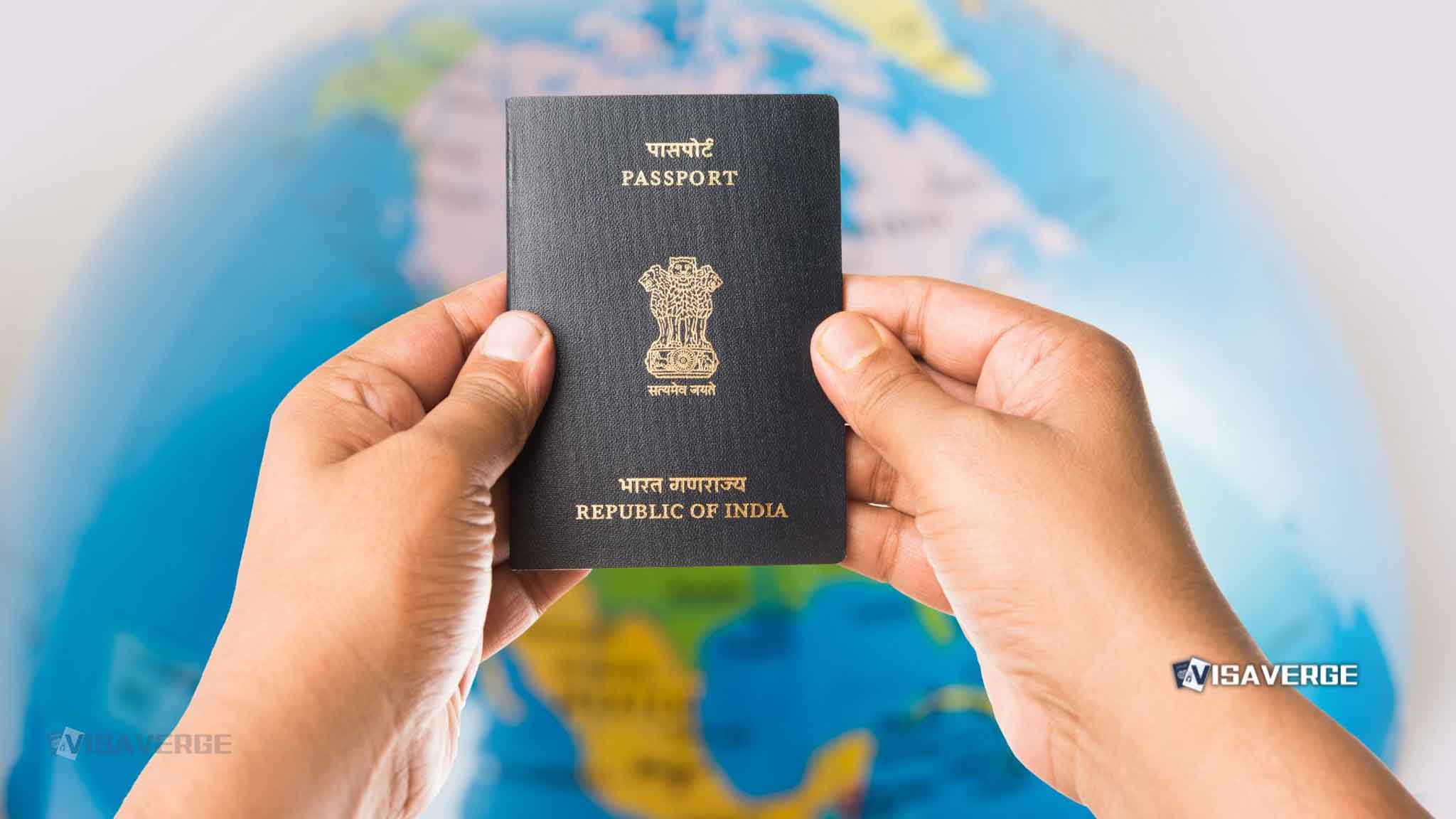
China still requires a visa for Indian citizens for tourism and business travel. There is no visa-free entry, no visa-on-arrival, and no e-visa for these purposes. Travelers must choose the correct category before they submit the file online.
The most common options are:
- L visa for tourism, family visits, and short leisure travel.
- M visa for business meetings, trade fairs, and commercial visits.
- X visa for students, with X1 for long stays and X2 for shorter academic programs.
- Z visa for work, which requires a job offer and work permit.
- Group visa for organized travel groups of 9 or more people.
Other categories, including S, Q, and J visas, cover family reunion, visiting relatives, and journalism. Visa validity and permitted stay depend on approval, but many short-term tourist visas are issued for stays of about 30 days per entry.
For many Indian pilgrimage groups and cultural tours, the group visa is the lowest-cost route. It has become especially attractive for organized travel to places such as Mount Kailash or historic cities across China.
The 7-step online-first application system at CVASC
The biggest process change for 2026 is the online-first application system. Applicants now create and complete their file on the official portal before they go to the CVASC. That reduces the number of physical visits to one in most cases.
The official portal is Visa for China, where applicants create an account, verify email details, fill in the form, and upload scans of required documents. The portal then sends the file for digital pre-review.
The process runs in seven steps:
- Create an account on the portal and choose the correct jurisdiction.
- Complete the online form with passport and personal details.
- Upload documents in the required format.
- Wait for online review, which usually takes 1 to 3 days.
- Visit the CVASC once with original documents, printed confirmation, and biometrics if required.
- Track the application through the portal or email.
- Collect the passport or use postal return where offered.
The main centres are in New Delhi, Mumbai, and Kolkata. New Delhi serves most northern states and takes normal submissions from 09:00 to 15:00 on weekdays. Kolkata accepts submissions from 09:00 to 12:00 and issues collection from 14:00 to 16:00. No advance appointment is needed for walk-ins during business hours.
According to analysis by VisaVerge.com, this hybrid system is now the most practical China visa route for Indian applicants because it cuts repeat visits and gives travelers a clearer timeline before they buy tickets.
Documents, fingerprints, and what applicants should expect
All applicants need a passport valid for at least 6 months with 2 or more blank pages. They also need the completed online confirmation page, two recent passport photos sized 48x33mm with a white background, and proof of funds such as bank statements for the last 3 to 6 months. An income tax return is recommended, though not always required.
Visa-specific papers matter just as much. Tourist applicants usually need round-trip flight bookings, hotel reservations, and a travel itinerary. Business travelers need an invitation from the Chinese side and, often, a letter from the Indian employer. Students need an admission notice and the JW201 or JW202 form. Work applicants need a work permit and employment letter.
China continues to exempt some applicants from fingerprints. The exemption covers children under 14, seniors over 70, and people whose fingerprints were already taken within the last 5 years on the same passport. Third-country nationals applying in India must also show proof of legal stay.
A business visa information page from the Chinese visa portal gives applicants a starting point for official requirements, while India’s passport and travel guidance portal remains useful for travelers checking Indian document rules before departure.
Processing times, peak season delays, and the practical impact on travel plans
Standard processing usually takes 4 to 7 working days, with passport collection often available on the 6th working day. Express processing cuts that to 2 to 4 working days, while urgent service is limited and reviewed more closely. Holidays are excluded from the count.
Applicants should expect slower movement around the February 2026 Chinese Spring Festival period. That is one of the busiest times for Chinese visa processing, and early filing helps avoid missed flights or abandoned hotel bookings. Filing 2 to 3 weeks early is the safest schedule for most travelers.
The policy matters differently across traveler groups. Tourists save money through the discounted fee table. Business travelers gain from the multiple-entry options. Students and families benefit from the fingerprint exemptions and the single in-person visit. For repeat visitors, the mix of lower fees and digital pre-review creates a smoother path through the CVASC system.
For Indian travelers, the 2026 China visa environment is more open than it was a few years ago. The combination of lower fees, no-appointment walk-ins, and the new online-first process has made planning far easier. It has also made the cost of a China trip far more predictable.