Exploring the Resumption of China-Japan Visa-Free Travel
In a move that signals a potential easing of travel restrictions, China has expressed its intention to “seriously” study the possibility of resuming its visa-free policy for Japanese visitors. This development was communicated by Wang Wenbin, a spokesperson for China’s foreign ministry, during a regular news conference on Monday.

A Positive Gesture for Japan
The idea of resuming China-Japan visa-free travel comes at a moment when international mobility is recovering from the COVID-19 pandemic’s standstill. Before the pandemic, Japanese citizens enjoyed the privilege of entering China without a visa for stays of up to 14 days. The suspension of this policy due to global health concerns has been a significant disruption for travelers between the two countries.
Free toolUSCIS Receipt Number DecoderWang Wenbin addressed inquiries regarding why this visa-free arrangement had not been restored while China had signed visa-waiver agreements with other countries, such as Thailand. He stated:
“China’s foreign ministry said on Monday that it would ‘seriously’ study resuming a previous visa-free arrangement for Japanese visitors to China.”
Easing Cross-Border Travel
Beyond the resumption of the visa-free policy, there’s an expressed desire from China for Japan to collaborate in making cross-border travel more accessible between the two nations. The willingness to facilitate travel suggests a mutual interest in strengthening ties and fostering easier exchange on both sides. Such a move could have significant benefits for tourism, business, and cultural exchanges.
Wang further elaborated on the aspirations harbored by China for smooth travel between the countries, suggesting a cooperative approach:
“China also hopes Japan will work with Beijing to make cross-border travel between both countries easier.”
Implications for Travelers
The prospect of resuming the China visa-free policy for Japan is likely to be well-received among travelers eager to reconnect with friends, family, and business opportunities. The detail on specific timelines or conditions under which the visa-free status might be reinstated is still awaited. However, this announcement alone is a sign of thawing relations and a step towards pre-pandemic normalcy.
For updated information on visa policies and travel advisories, travelers can refer to the official Ministry of Foreign Affairs of China and the Japanese Ministry of Foreign Affairs websites.
The dialogue between China and Japan represents a broader effort to ease cross-border travel in a time when international cooperation is ever so crucial. Whether for business or leisure, the resumption of this policy could pave the way for a resurgence of travel activities between China and Japan, indicating a post-pandemic recovery ideal for re-establishing strong international relations.
Learn Today:
Glossary or Definitions:
- Visa-Free Policy: An immigration policy that allows foreign visitors to enter a country without the requirement of obtaining a visa for a specified period.
-
Resuming Visa-Free Travel: The act of reinstating a visa-free policy that was previously suspended or discontinued, allowing travelers to enter a country without a visa.
-
Mobility: The ability of individuals to move freely and easily between different countries or regions.
-
COVID-19 Pandemic: A global outbreak of the coronavirus disease in 2019, caused by the SARS-CoV-2 virus, resulting in widespread illness, travel restrictions, and disruptions to various aspects of daily life.
-
Suspension: The temporary cessation or interruption of a policy, in this context, referring to the temporary discontinuation of the visa-free policy between China and Japan.
-
Global Health Concerns: Issues related to the health and well-being of individuals on a global scale, usually referring to the spread of diseases, pandemics, or other health emergencies.
-
Visa-Waiver Agreements: Bilateral or multilateral agreements between countries that facilitate visa-free travel for citizens of the participating nations. Under these agreements, individuals can visit each other’s countries without the need to obtain a visa.
-
Cross-Border Travel: Movement of individuals between different countries or regions, involving the crossing of international borders.
-
Strengthening Ties: Improving and enhancing relationships and connections between countries or individuals.
-
Cultural Exchanges: Activities and interactions involving the exchange of ideas, knowledge, traditions, customs, and experiences between different cultures.
-
Thawing Relations: The improvement or warming of relationships between countries or individuals after a period of tension or disagreement.
-
Travel Advisories: Official warnings or recommendations issued by national governments or international organizations to inform travelers about potential risks or hazards related to specific destinations or travel activities.
-
Ministry of Foreign Affairs: The government department responsible for handling a country’s foreign relations, including diplomacy, international cooperation, and consular affairs.
-
Post-Pandemic Recovery: The process of rebuilding and returning to normalcy after the effects of a pandemic, including economic, social, and travel-related aspects.
-
International Cooperation: Collaborative efforts and actions undertaken by multiple countries or organizations working together to address common challenges or achieve shared goals.
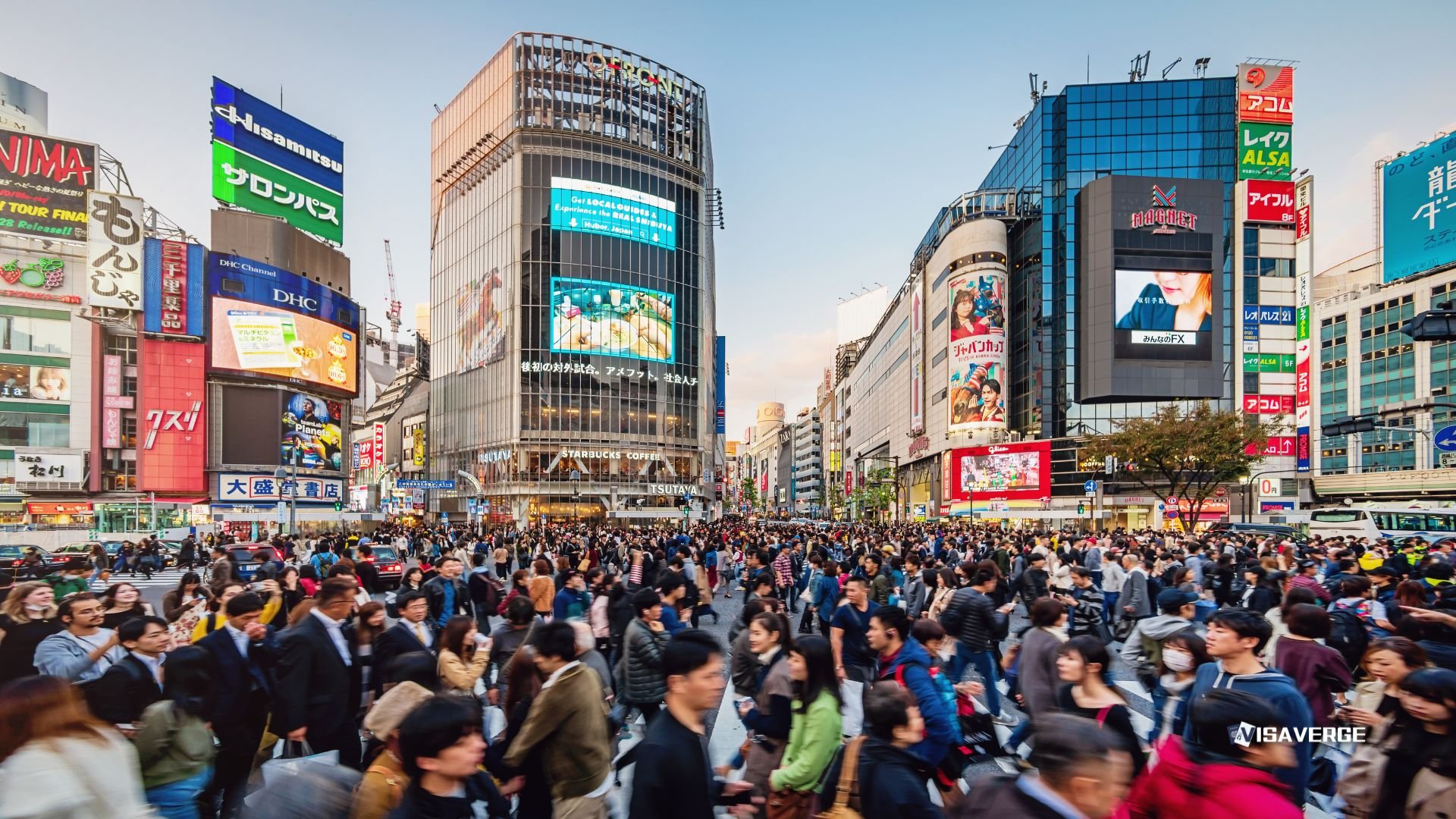
So, there you have it! The potential resumption of China-Japan visa-free travel is an exciting prospect that could open doors to easier cross-border journeys. Whether you’re dreaming of exploring the bustling streets of Tokyo or savoring the vibrant energy of Shanghai, this development brings us one step closer to reconnecting with our favorite destinations. For more updates on visa policies and travel information, make sure to visit visaverge.com. Happy travels, and may your wanderlust take you far!
This Article in a Nutshell:
China is considering the resumption of visa-free travel for Japanese visitors, signaling improved relations and post-pandemic recovery. The move aims to boost tourism, business, and cultural exchanges. Details on timelines and conditions are awaited, but this positive step emphasizes the desire for easier cross-border travel between the two countries.