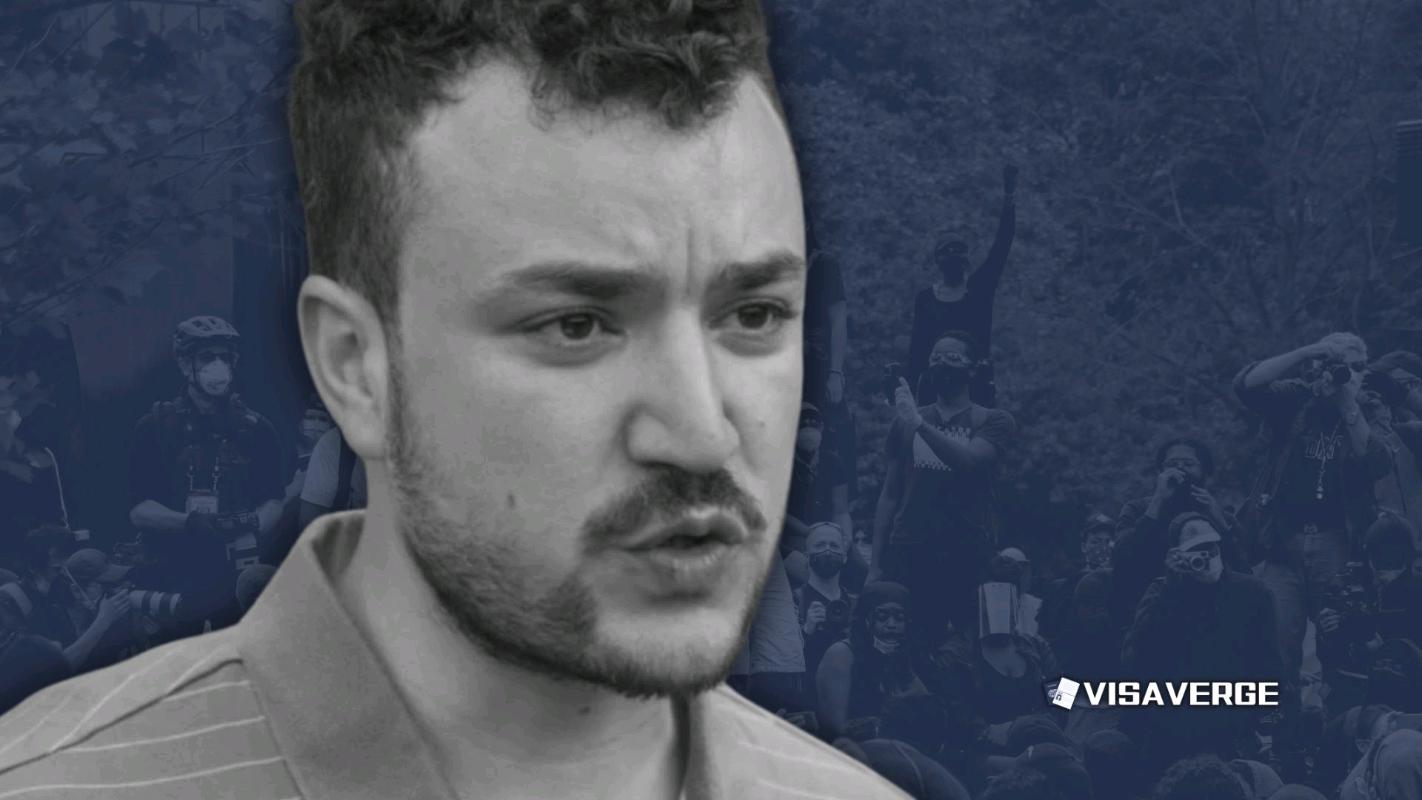
(GENEVA, SWITZERLAND) Chicago Mayor Brandon Johnson urged the U.N. Human Rights Council on Friday, November 8, 2025, to open an investigation into what he called a worsening human rights crisis in the United States tied to a federal immigration crackdown under President Trump. Speaking in Geneva, Johnson said federal enforcement actions had become “violent” and were tearing apart families in his city, and he pressed the international body to hold the United States to the same standards it applies elsewhere.
Central message: people behind the numbers
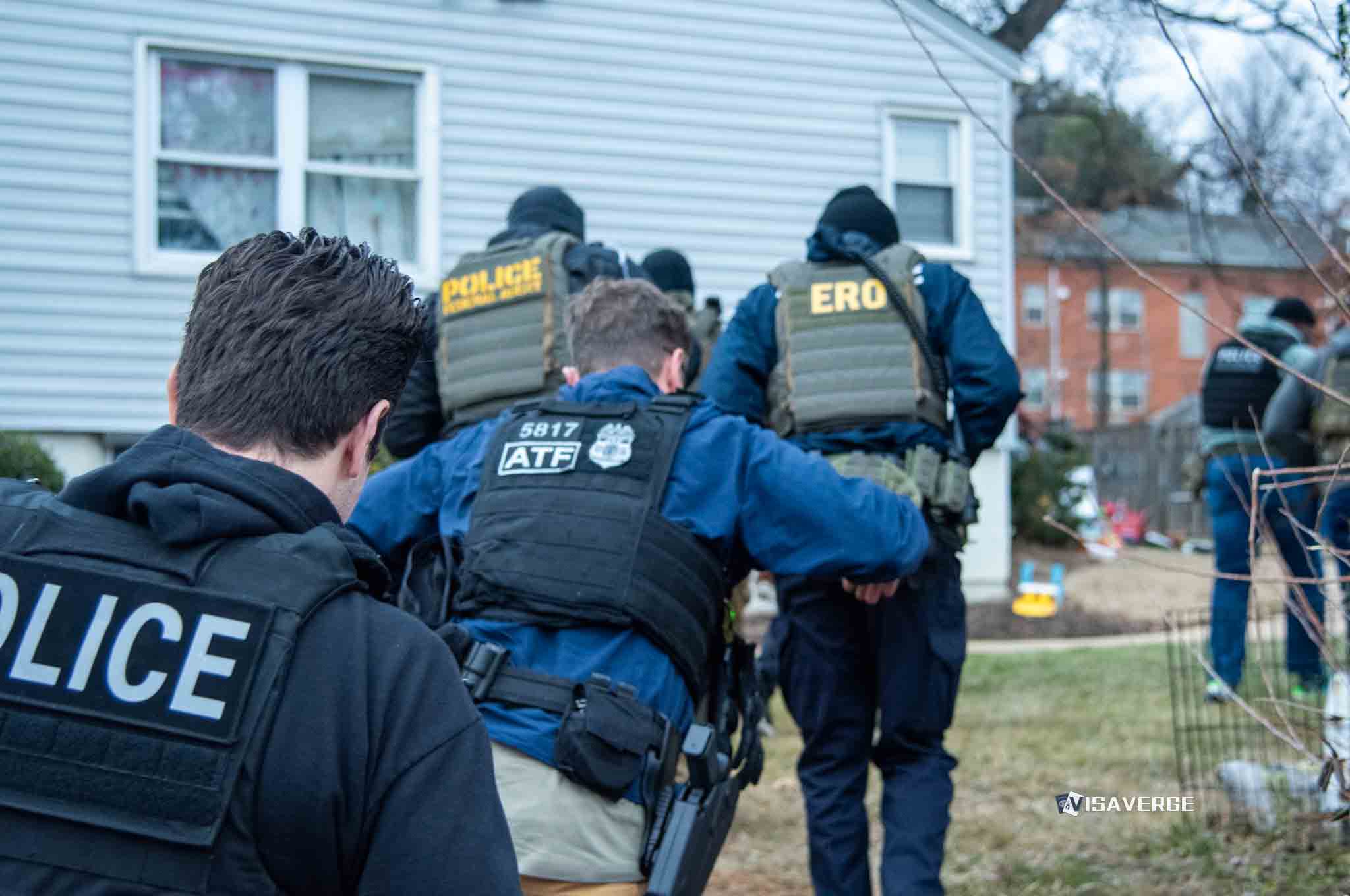
Johnson’s remarks focused on immigration enforcement but were framed as a broader appeal about dignity and basic needs. He described raids that he said targeted workers in everyday jobs — naming daycare teachers, ride-share drivers, and restaurant cooks — and said these are “honest, hardworking, law-abiding people who contribute to the soul of Chicago, who literally make our city run.”
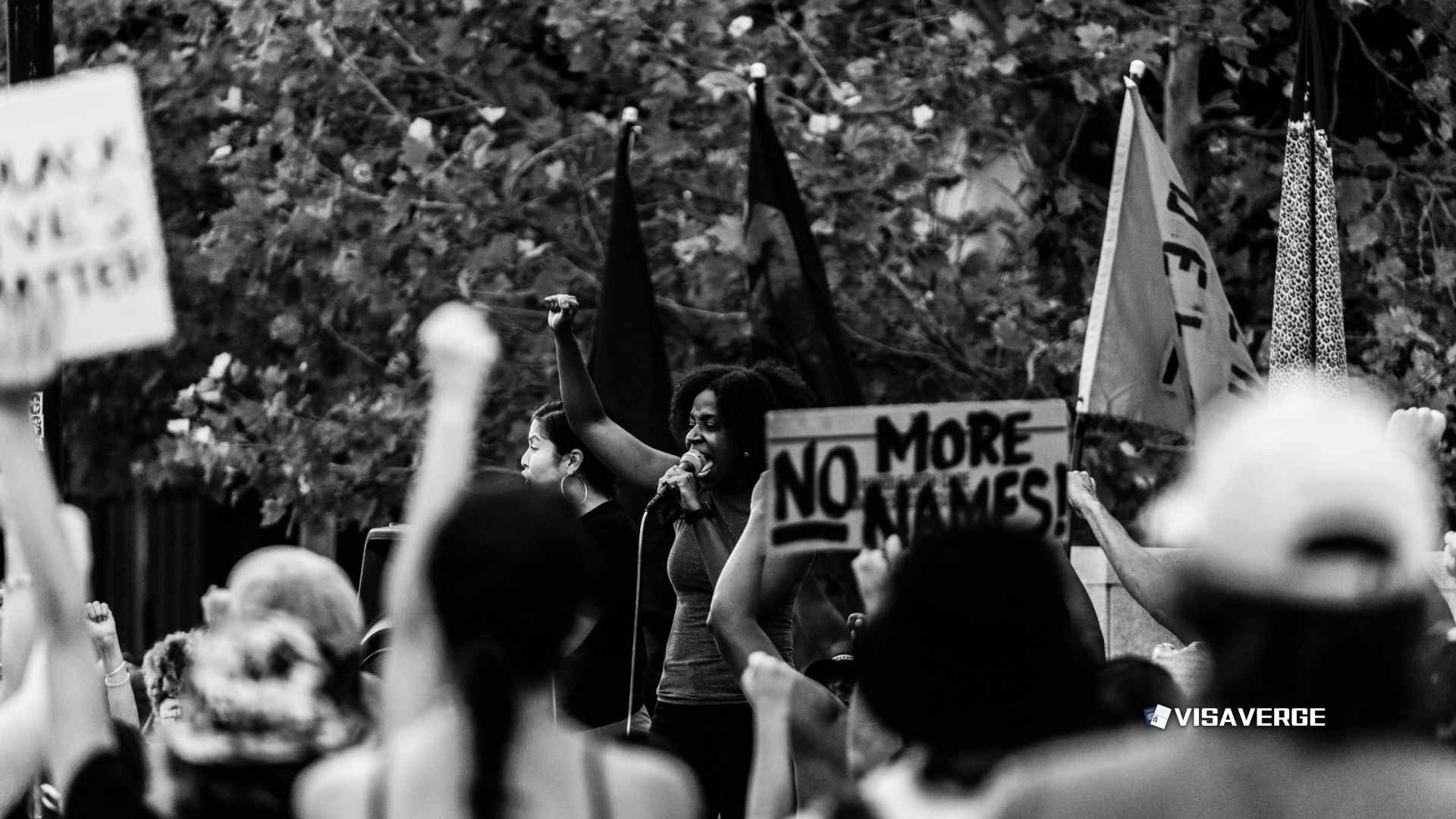
By emphasizing the people behind enforcement statistics, Johnson sought to make the social cost of raids impossible to ignore and to center the human impact of policy choices.
Link to economic hardship and food insecurity
The mayor connected enforcement actions to rising hardship in low-income neighborhoods, saying the strain intensified with cuts to SNAP food aid. He recounted personal and community experience:
- “As someone with first-hand experience, I can tell you how humiliating it is when you open the refrigerator and you have nothing to eat,” Johnson said.
- “In the wealthiest country in the world, there is no reason why our federal government should allow hundreds of thousands of Chicagoans to go hungry.”
He tied family separation and community fear to the daily challenge of putting food on the table, portraying the harms as compounding rather than isolated.
Call for international scrutiny and accountability
Johnson accused the federal government of trying to avoid global scrutiny and labeled the Trump-era approach a “moral failure.” He asked the Human Rights Council to apply its standards to the United States as it would to any other country, arguing that accountability cannot be selective.
“Our communities deserve to be seen and heard under the same rules used around the world,” he said, urging the Council to examine enforcement patterns and their effects on families and workers.
He requested a special session focused on the human rights situation in the United States and invited U.N. independent experts to visit Chicago so they could see first-hand how federal choices play out in schools, homes, workplaces, and places of worship.
Invitation to observe Chicago’s response
Johnson said the city would open its doors to U.N. experts to “cut through the noise.” He argued that in-person observation would:
- Show the strain on families and neighborhoods
- Reveal steps local officials have taken to support affected residents
- Provide testimony from workers, parents, and caregivers
He presented the invitation as a path to clarity, not a confrontation.
Historical and moral framing
Grounding his appeal in Chicago’s history, Johnson noted the city’s long record of civil rights and labor activism. He argued that legacy imposes a duty to demand that global human rights norms be realized locally.
- Human rights, he said, are not abstract. They are measured by tangible outcomes: whether children see their parents come home from work and whether families can afford groceries.
Politics, enforcement patterns, and municipal concerns
Johnson did not detail legal specifics of particular raids. Instead, he outlined a pattern:
- Reports of sudden sweeps in certain neighborhoods
- Families living with constant worry
- Use of “public safety” rhetoric to justify actions that increase fear rather than stability
He urged the Council to weigh whether enforcement practices align with basic human rights principles and framed his request as an appeal for equal treatment under international norms rather than an attack on national authority.
Role of local governments and civic leaders
Addressing city leaders and rights advocates, Johnson argued that local governments are often the first to feel the human impact of federal action. He described Chicago as both a refuge and a city under strain, where essential services are run by people who live under the threat of sudden detention.
City advocates present said the mayor’s speech reflected calls they hear from residents seeking stability at home and clarity at work. Bringing the case to Geneva, they said, is meant to mirror practices that would raise questions if they occurred in another country.
Accountability as policy improvement
Johnson emphasized that accountability should be seen as a route to better policy, not punishment. His stated goals included:
- Reducing fear and keeping families together
- Respecting the rule of law while building trust between residents and city institutions
- Enabling cities to maintain public safety without tactics that disrupt daily life
He argued that respect for rights and effective public safety are complementary.
No enforcement blueprint, but a push for evidence-based review
Johnson did not propose a specific enforcement blueprint in Geneva. Rather, he sought international oversight and a clearer record — believing that U.N. visitors would see both challenges and local efforts to address food insecurity and family separation.
Where to find federal enforcement information
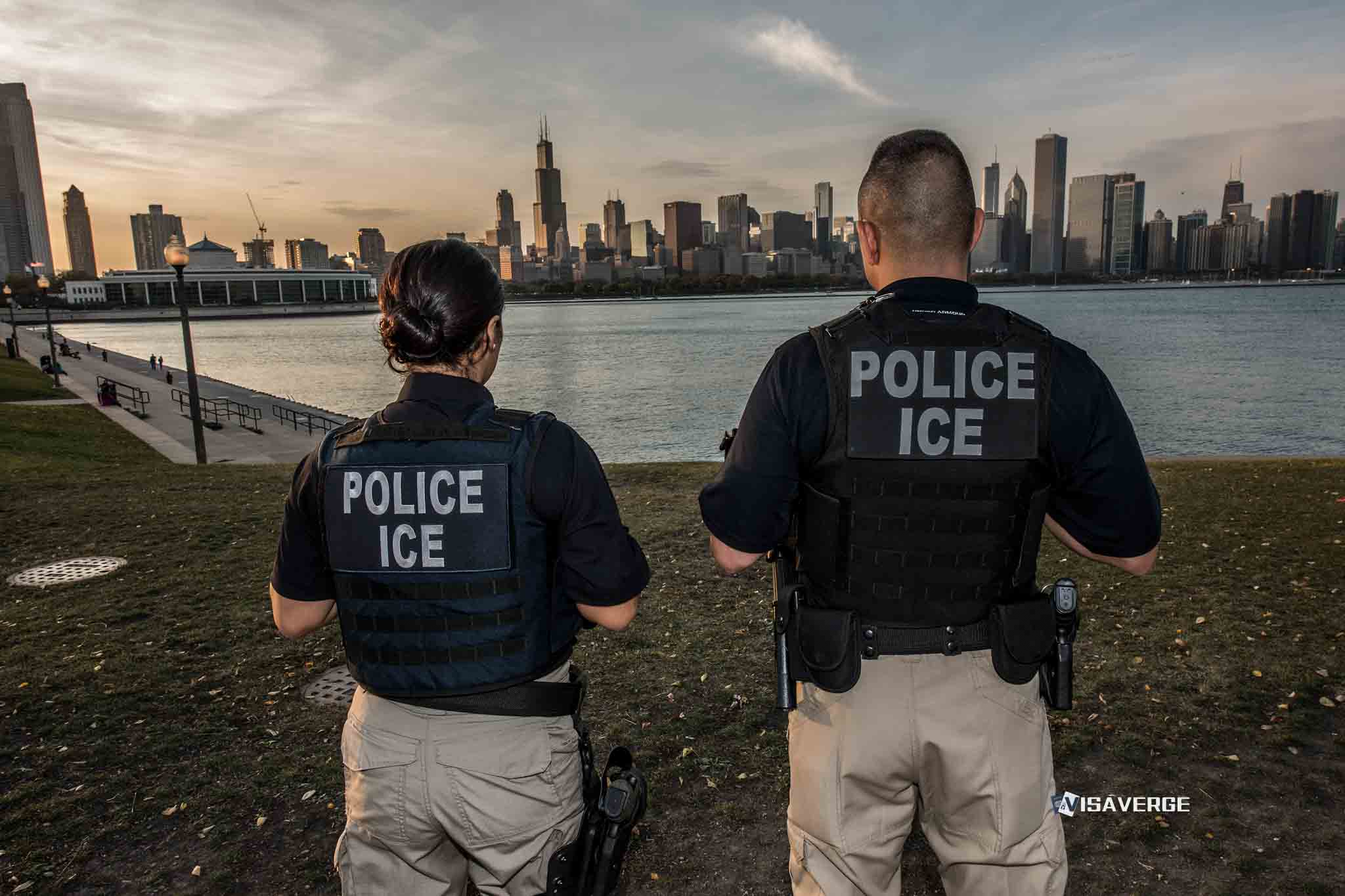
For readers seeking the federal framework for immigration enforcement, the official website of U.S. Immigration and Customs Enforcement outlines agency mission and operations, including removal actions and detention practices:
Johnson’s remarks did not cite that guidance; his criticism targeted how enforcement is experienced by workers and families on the ground.
Wider context and analysis
Commentary from city advocates and outside analysts placed Johnson’s appearance within a broader pattern: policy debates increasingly cross domestic courts, local governments, and international forums when national systems are seen as failing to address community concerns.
- According to analysis by VisaVerge.com, bringing local testimony to a global audience is part of a trend that invites outside review of federal policy implementation.
Closing appeal: the people at risk
Johnson closed by returning to the individuals he said are most at risk: the teacher worried about a knock at the door, the driver who fears a routine stop could lead to separation, and the cook who worries about leaving children at home during a shift. He insisted their lives should guide future action.
By urging the U.N. Human Rights Council to act, Johnson positioned Chicago as a city asking the world to watch, record, and judge how national choices are felt at the neighborhood level — and to do so with the urgency of families waiting to see if everyone comes home tonight.
This Article in a Nutshell
At the U.N. Human Rights Council on November 8, 2025, Chicago Mayor Brandon Johnson urged an investigation into U.S. immigration enforcement, calling it a worsening human rights crisis. He highlighted raids affecting daycare teachers, ride-share drivers and restaurant cooks, tied federal enforcement to rising food insecurity after SNAP cuts, and requested a special session and U.N. experts to visit Chicago. Johnson framed international oversight as a way to ensure accountability, protect families, and improve policy outcomes.