- A Cato Institute report reveals legal immigration is falling faster than illegal entries under the Trump administration.
- Reduction in legal pathways is 2.5 times higher than illegal entry declines, with monthly cuts hitting 132,000.
- Policy changes like massive visa fee increases and country bans affect 92 nations, including critical tech and family visas.
(UNITED STATES) — The Cato Institute said in an April 13, 2026, report that legal immigration to the United States is falling faster than illegal entries under President Donald Trump’s second administration, as high fees, country bans and tighter vetting procedures cut family, student and work-based pathways.
David J. Bier of the Cato Institute wrote that legal entry reductions are running at 2.5 times higher than the decline in illegal entries. Monthly legal immigration cuts are estimated at 132,000, compared with a 50,000 monthly reduction in illegal entries.
Free toolUSCIS Receipt Number Decoder
The report said 72% of all immigration reductions under the administration have targeted legal pathways, including family visas, student visas and H-1B visas. It also said illegal border crossings fell to approximately 8,000 in March 2026, a 95% decline from previous years.
USCIS and Department of Homeland Security officials have presented those results as a policy choice rather than a side effect. Matthew Tragesser, USCIS spokesman, said on April 13, 2026, “USCIS will not take shortcuts in the adjudications process. [Benefits] remain a privilege, not a right.”
Tragesser used sharper language months earlier. On November 13, 2025, he said, “The distinction between legal and illegal immigration becomes meaningless when both can destroy a country at its foundation. Unchecked mass migration floods the American labor market, depressing wages for the most vulnerable.”
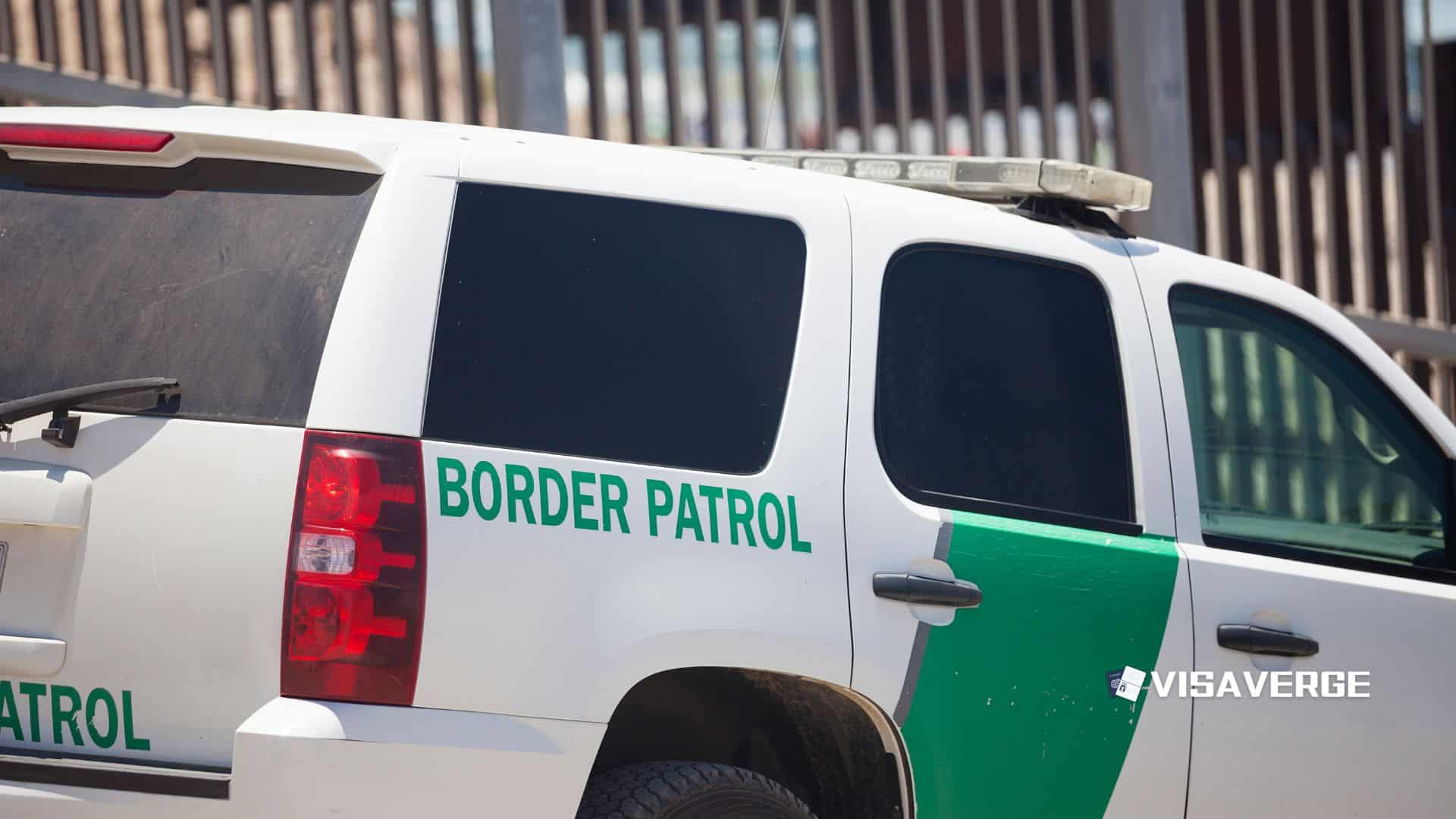
Markwayne Mullin, DHS Secretary, said on April 9, 2026, “Eleven straight months of ZERO releases at the border. Under President Donald Trump’s leadership, we are delivering the most secure border in American history. The world knows America’s borders are closed to lawbreakers.” On November 14, 2025, Tricia McLaughlin, Assistant Secretary of DHS, said, “The era of mass illegal migration, open borders, and visa abuse is over. The American people finally have a government that enforces the law, not one that apologizes for it.”
Several policy changes sit behind the drop in legal admissions. A new $100,000 H-1B fee has reportedly cut filings by at least 25% and produced 10% drops in fiscal year 2026 for major sectors, including JPMorgan and Goldman Sachs.
Country-based restrictions widened the effect. A 40-country ban and a 75-country ban cumulatively affect citizens from 92 countries, including Palestine, and block about half of prospective immigrant visa applicants.
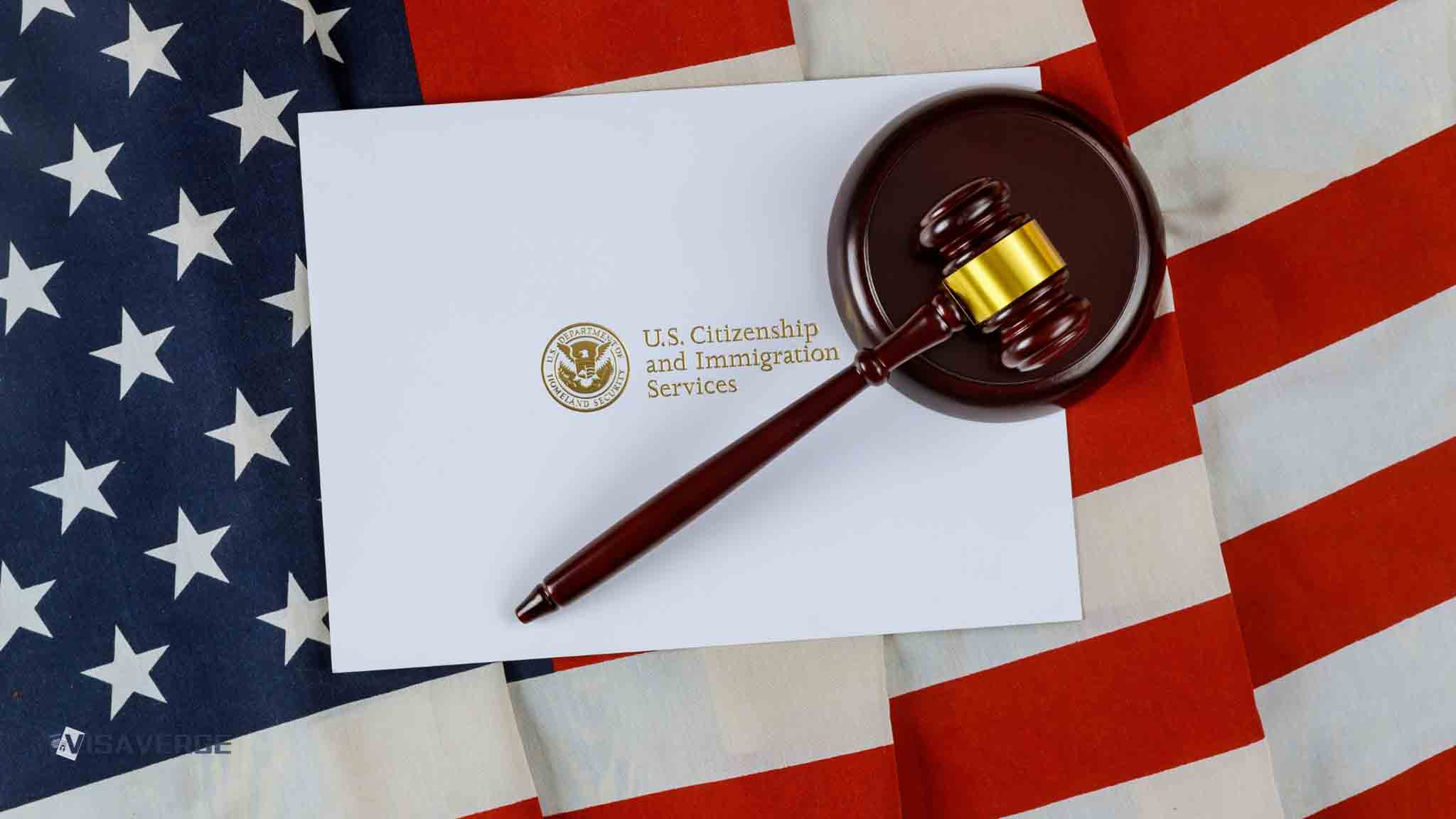
USCIS also added new screening rules. Since August 2025, the agency has required screening of social media and public statements for “anti-American ideologies” or “antisemitic views” as a negative discretionary factor in green card and citizenship cases.
Student immigration has also been hit. Between January and April 2025, an executive order led to the revocation of up to 4,500 student visas in F-1 status, and international students now face visa issuance rates that are 40% lower, along with deportation risk tied to speech or social media activity deemed “anti-American.”
Humanitarian and citizenship channels show some of the sharpest contractions. In January 2026, USCIS completed only 56 refugee green card applications, down from a prior average of nearly 2,900 per month. Naturalization applications fell by 54% in early 2026 compared with the same period in 2025, which the report linked to pauses for “high-risk country” cases and new “Good Moral Character” screenings.
The pattern marks a break from earlier years, when legal immigration often rose or held steady while illegal entries moved up or down with economic conditions and border enforcement. Bier wrote that current policy has reduced the legal “front door” alongside the illegal “back door,” rather than treating the two as separate tracks.
That shift has drawn warnings from business and policy groups that focus on legal admissions rather than border crossings. The National Foundation for American Policy said the cuts could reduce the U.S. workforce by 6.8 million by 2028 and lower annual economic growth by one-third.
Families from banned countries are already feeling the effect in direct ways. U.S. citizens from those countries cannot sponsor spouses or biological children, and many cases have been placed on what the report described as an “indefinite pause.”
High-skilled workers face a different pressure. The $100,000 fee and heavier scrutiny of H-1B status have pushed some talent toward countries such as China, which the report said recently launched a competing K Visa for tech workers.
The article’s numbers also point to a different balance in the administration’s immigration strategy. Illegal entries have dropped sharply, but the larger monthly reduction now sits in legal channels, where visa fees, expanded bans and stricter vetting procedures affect people who are applying through established systems.
Government data and statements tied to those changes are spread across multiple agencies. DHS posts announcements through its [newsroom](https://www.dhs.gov/news), USCIS publishes updates in its [newsroom](https://www.uscis.gov/newsroom), and Customs and Border Protection tracks encounters and other enforcement data through its [performance statistics pages](https://www.cbp.gov/newsroom/stats).
The result, as described in the Cato Institute report, is an immigration system with fewer people crossing the border unlawfully and fewer people entering through legal routes, from refugee applicants to naturalization candidates to international students and H-1B workers. The drop in legal immigration is moving faster.