- The CBSA removed 1,712 Indian citizens in the first quarter of 2026, marking a significant enforcement shift.
- Indian nationals now represent 32.5% of total removals, surpassing Mexican nationals for the first time since 2020.
- A pending inventory of 6,980 Indian cases suggests that this removal trend will likely continue throughout the year.
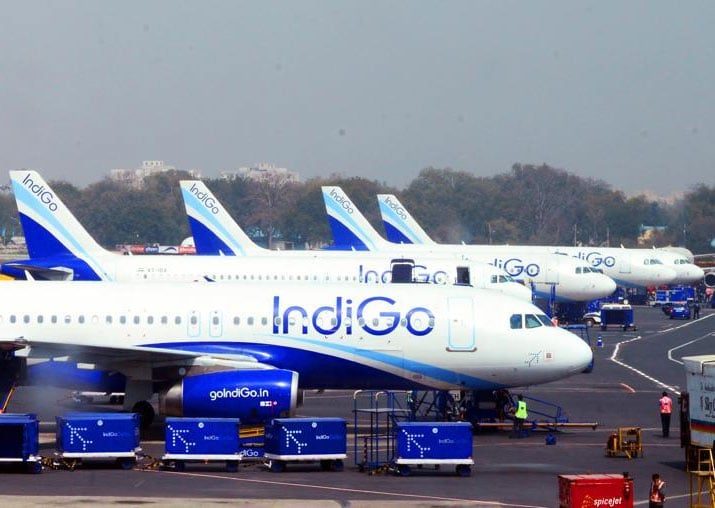
(CANADA) — The Canada Border Services Agency removed 1,712 Indian citizens between January and March 2026, making Indians the largest country cohort in Canada’s removals system in the first quarter and pushing them ahead of Mexicans.
Those 1,712 removals accounted for 32.5% of the 5,260 total removals carried out in the quarter. The shift marked a change from 2025, when Mexican nationals led annual removals with 4,837, compared with 3,779 Indian nationals, or 16.3% of the total.

CBSA data also showed Indians held the largest share of the agency’s removals-in-progress inventory. The pending caseload included 6,980 Indian cases, just over 22% of the 31,482 removals still in progress.
The first-quarter increase was partly driven by Indian nationals removed for involvement in extortion-related violence. The quarter also marked the first time since 2020 that Indians accounted for the highest number of removals.
In 2020, Canada removed 1,424 Indians and 1,391 Mexicans. That comparison showed Indians had reached the top position before, but the new figures point to a sharper concentration in early 2026, with nearly one-third of all removals involving Indian citizens.
The numbers sit against a wider immigration pattern. Indian nationals make up Canada’s largest international student population and one of its largest groups of temporary foreign workers.
They work across manufacturing, food production, hospitality, caregiving, and transportation, sectors that face labor shortages. India also ranks among the major source countries for refugee claims and visitor visa applications.
That scale matters in raw enforcement totals. When a nationality has a large presence in Canada’s temporary resident system, even a low rate of non-compliance can produce high absolute removals.
The quarterly figures suggest the pattern will remain visible in coming months because the pending inventory already places Indians at the top of the pipeline. With 6,980 Indian cases among 31,482 pending removals, the backlog itself points to continued prominence in future CBSA totals.
The change also shifts the country comparison that defined much of 2025. Mexicans led removals last year, but the first quarter of 2026 put Indians clearly ahead, both in completed removals and in the queue of cases still being processed.
Those figures touch several parts of Canada’s immigration system at once. They reflect enforcement activity, but they also track the size of the temporary resident population tied to schools, employers, visitor admissions, and refugee claims.
Educational institutions, employers, immigration authorities, and policymakers all sit somewhere in that chain. Students and workers from India have a large footprint in Canada, particularly in sectors that rely on temporary labor, and the removals data shows how closely compliance enforcement now intersects with that broader system.
The numbers also place India at the center of a policy debate that reaches beyond border control. Questions around temporary resident compliance, visa processing, and labor shortages now meet a removals picture in which Indians account for the largest country cohort, both in people already removed and in cases still waiting inside the Canada Border Services Agency inventory.