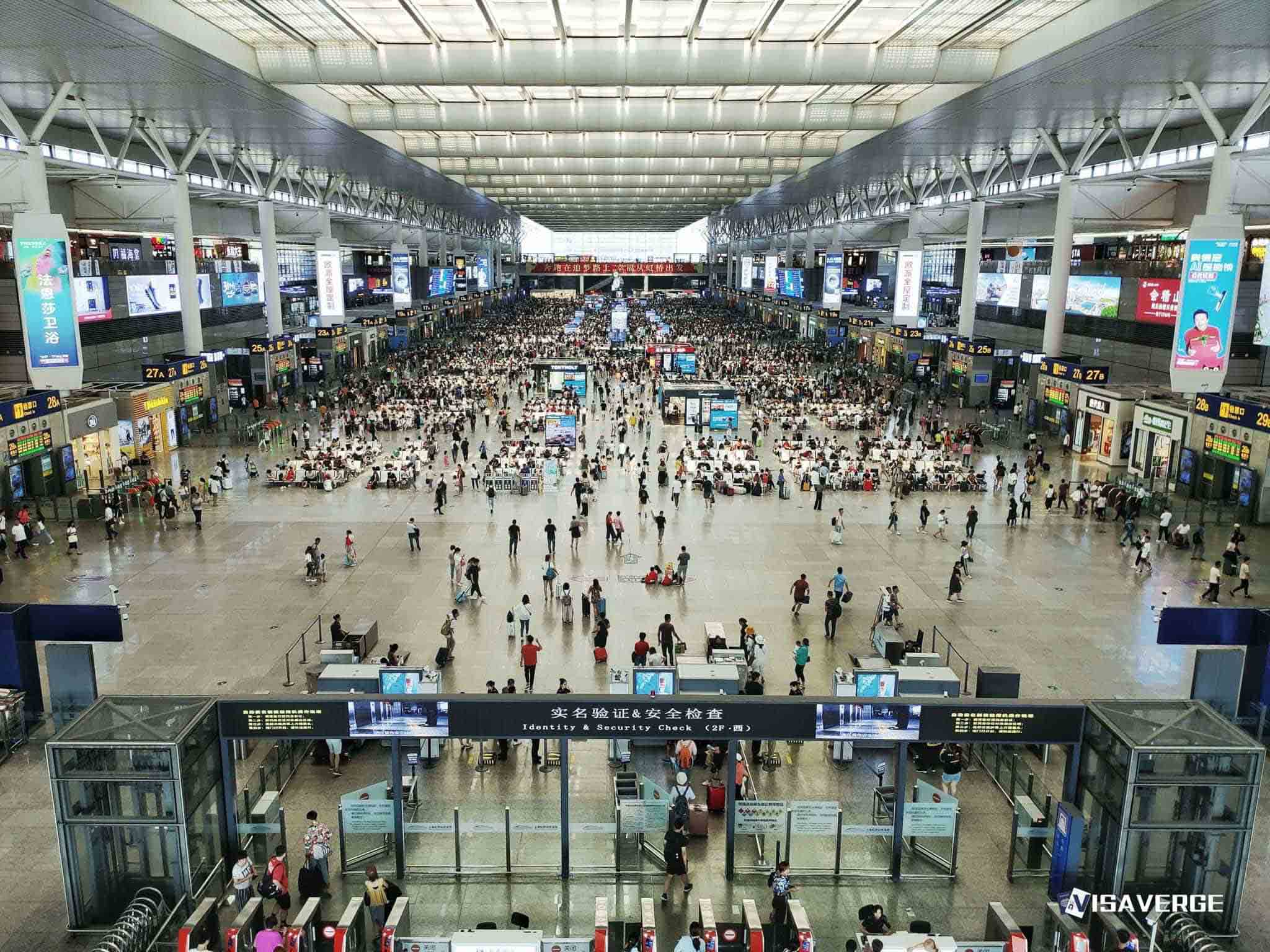
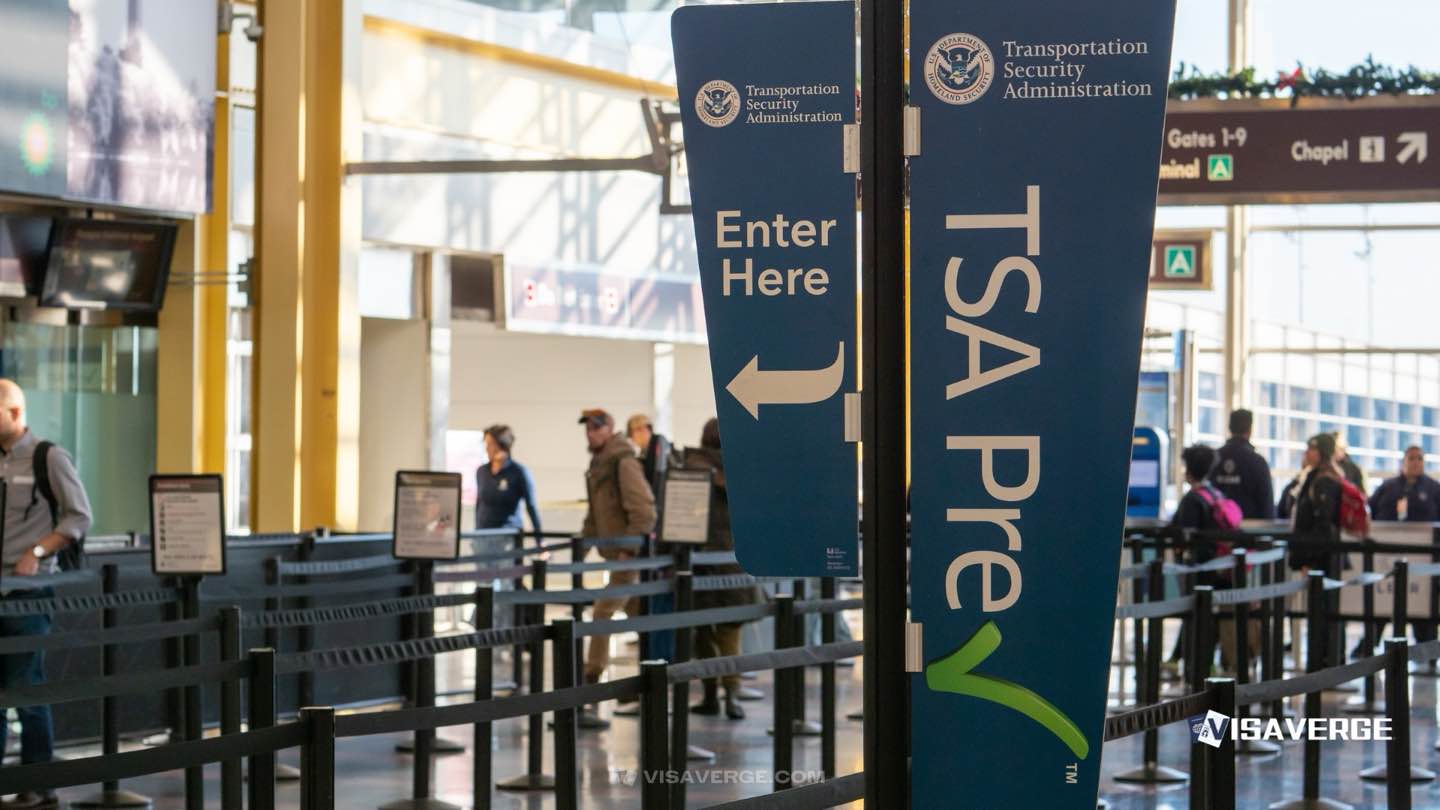
(UNITED STATES) The Transportation Security Administration expects a record-shattering Labor Day travel surge in 2025, with more than 17 million people projected to pass through U.S. airport checkpoints from Thursday, August 29, through Wednesday, September 4. TSA data points to two clear stress points for flyers: the single busiest day will be Friday, August 29, when an estimated 2.86 million travelers are set to be screened, while Monday, September 1 (Labor Day) will bring the most crowded returns.
For travelers choosing the Best & Worst Days to Fly, the pattern is straightforward: avoid Friday for departures and Monday for returns if you can. Shift to the weekend or early next week for calmer terminals and often lower fares.
TSA wait-time goals, local variation, and what that means for you
TSA officials say they aim to hold wait times under 10 minutes in PreCheck lanes and under 30 minutes in standard lanes, even during peak periods. Still, history shows bottlenecks build in the early morning hours, late afternoons, and late evenings at major hubs.
Recent averages highlight local variation:
- Newark Liberty: about 16 minutes
- John F. Kennedy: around 11 minutes
- Baltimore/Washington: about 5 minutes
- Honolulu: roughly 20.5 minutes
This wide spread is a reminder local conditions matter—staffing levels, checkpoint layouts, and flight banks can change the rhythm of a day within minutes.
Fare trends and best days to travel
Fare patterns mirror passenger volumes:
- Friday, August 29: Highest outbound crowds, about 2.86 million screens, and the most expensive fares.
- Saturday, August 30: Moderate traffic; often cheaper tickets; better for departures.
- Sunday, August 31: Moderate traffic; flexible for departures or returns.
- Monday, September 1 (Labor Day): Highest return volume, especially late afternoon and evening.
- Tuesday, September 2: Lighter returns and frequent fare relief—a smart return date if you can extend your trip.
According to analysis by VisaVerge.com, shifting travel by one or two days often makes a clear difference in both cost and stress.
If you must fly on a peak day, the hour you choose can matter as much as the day. Early mornings (before 9 a.m.), late afternoons (2–5 p.m.), and late evenings (9–11 p.m.) are typically the most crowded.
If traveling on a peak day, consider moving to a midday flight to sometimes avoid the longest security lines and the tightest gate areas.
Technology and preparedness at checkpoints
TSA Administrator David Pekoske says the agency is prepared for record traffic, citing expanded staff and new checkpoint technology at many airports. Upgrades include:
- Touchless ID checks
- Advanced screening equipment
- Expanded PreCheck lanes and hours at major hubs
These improvements aim for faster lanes and fewer bag rechecks, but passenger flow, terminal layouts, and airline schedules will still affect the experience.
Practical tips to avoid delays
Small choices can make a big difference during a heavy holiday. Build a buffer, arrive early, and check live updates as you head to the airport.
- Arrive early and budget the whole trip
- Domestic flights: Arrive at least 2 hours before departure.
- International flights: Arrive at least 3 hours before departure.
- Parking shuttle or walk time: Add 15–30 minutes.
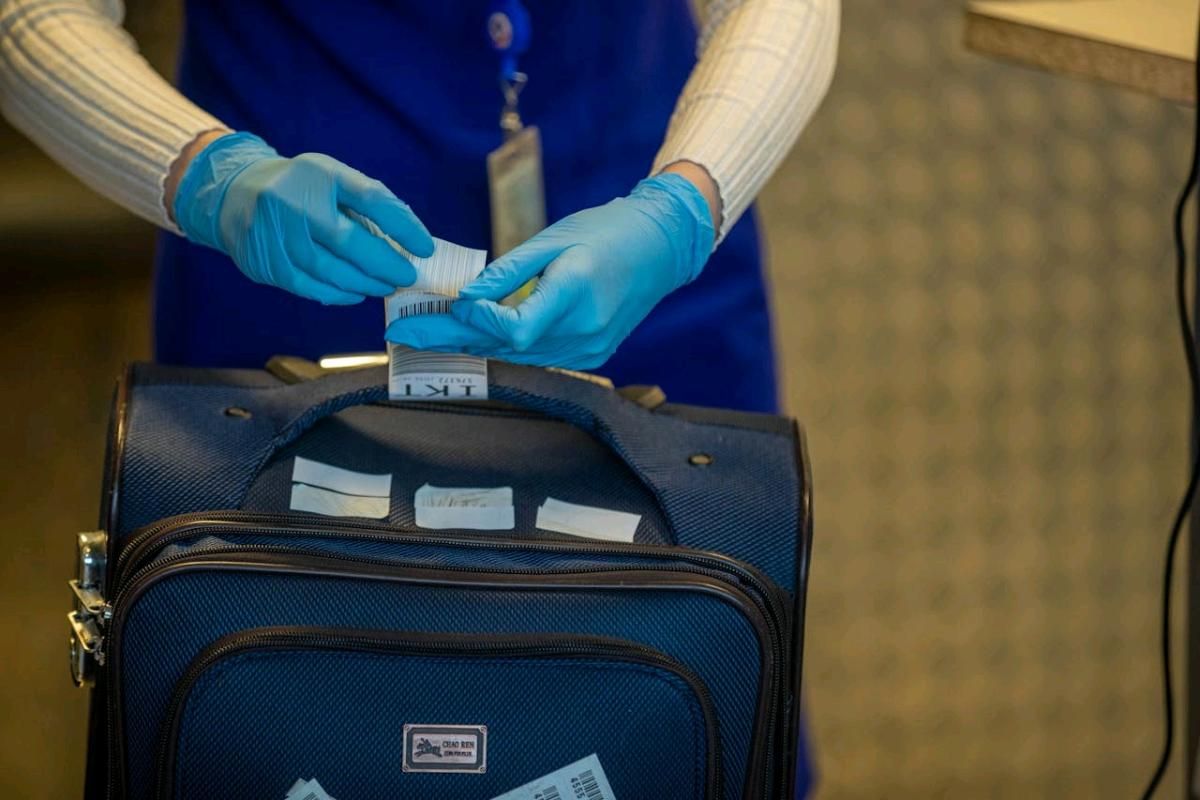
- Airline check-in and bag drop: Add 15–30 minutes.
- Security: Plan 15–45 minutes, longer at peak hours.
- Pick an off-peak day if possible
- Avoid Friday, August 29 for departures and Monday, September 1 for returns.
- Aim for Saturday, Sunday, or Tuesday to lower odds of delays and higher fares.
- Use real-time tools
- The MyTSA app provides live wait times and security updates.
- Many airport websites and apps post live checkpoint data.
- Third-party dashboards can help compare terminals and checkpoints.
- Enroll in expedited screening
- TSA PreCheck speeds screening; ensure your Known Traveler Number is in every booking.
- CLEAR can help with ID verification at select airports and pairs well with PreCheck.
- Pack to pass security
- Follow the 3-1-1 rule for liquids in carry-ons.
- Check prohibited items before leaving home to avoid bag searches that slow lines.
- Prepare your ID for 2025
- REAL ID enforcement begins May 7, 2025.
- If your state license or ID is not REAL ID-compliant, plan to use a passport or another accepted ID.
- Families should double-check IDs now to avoid last-minute surprises.
Considerations for families, students, and workers
For immigrant families, international students, and workers with tight schedules, these rules carry extra weight.
- Students returning to campus may fly on Sunday or Monday, the same days families head home—shifting returns to Tuesday, September 2 can ease travel.
- Workers who cannot change dates should focus on time of day—pick a midday flight and arrive early to reduce risk.
- Mixed-status families: a valid passport remains the simplest backup when ID standards vary.
Additional checkpoint features and airline behavior
Airports are adding features to smooth the process:
- Some offer security checkpoint reservations.
- Others post checkpoint-by-checkpoint countdown clocks so you can pick the shortest lane.
- Airlines may adjust cut-off times for bag drop during holiday peaks—check your airline’s page before you leave.
A few minutes saved at check-in can offset longer lines at security.
Key reminders and where to check official guidance
- TSA’s performance goals—PreCheck waits below 10 minutes and standard waits below 30 minutes—are achievable when airlines, airports, and travelers do their part.
- Pack medicines or specialty food items where you can explain them quickly to officers and separate them when needed.
- For travelers with young children, build extra time for stroller checks.
- For older relatives, request wheelchair services early.
For the latest rules, tips, and program details (including PreCheck enrollment and REAL ID information), check the official TSA site at https://www.tsa.gov.
The best plan is the simplest plan: pick a smarter day, build time into your schedule, and use the tools built for you.
Labor Day is a celebration of work and family. For some, it’s a last summer trip; for others, it’s the first step into a new school year or a visit with loved ones. TSA data shows the system will be stretched, but not broken. Choose your day with care, keep your documents ready, and aim for calmer windows—Saturday, Sunday, and Tuesday—to make your holiday flight feel less like a sprint and more like a smooth ride.
This Article in a Nutshell
TSA expects over 17 million travelers during Labor Day week 2025; Friday, Aug 29 is the busiest (2.86M). Avoid Friday departures and Monday returns; use PreCheck/CLEAR, check MyTSA, arrive early, and carry REAL ID or passport after May 7, 2025.