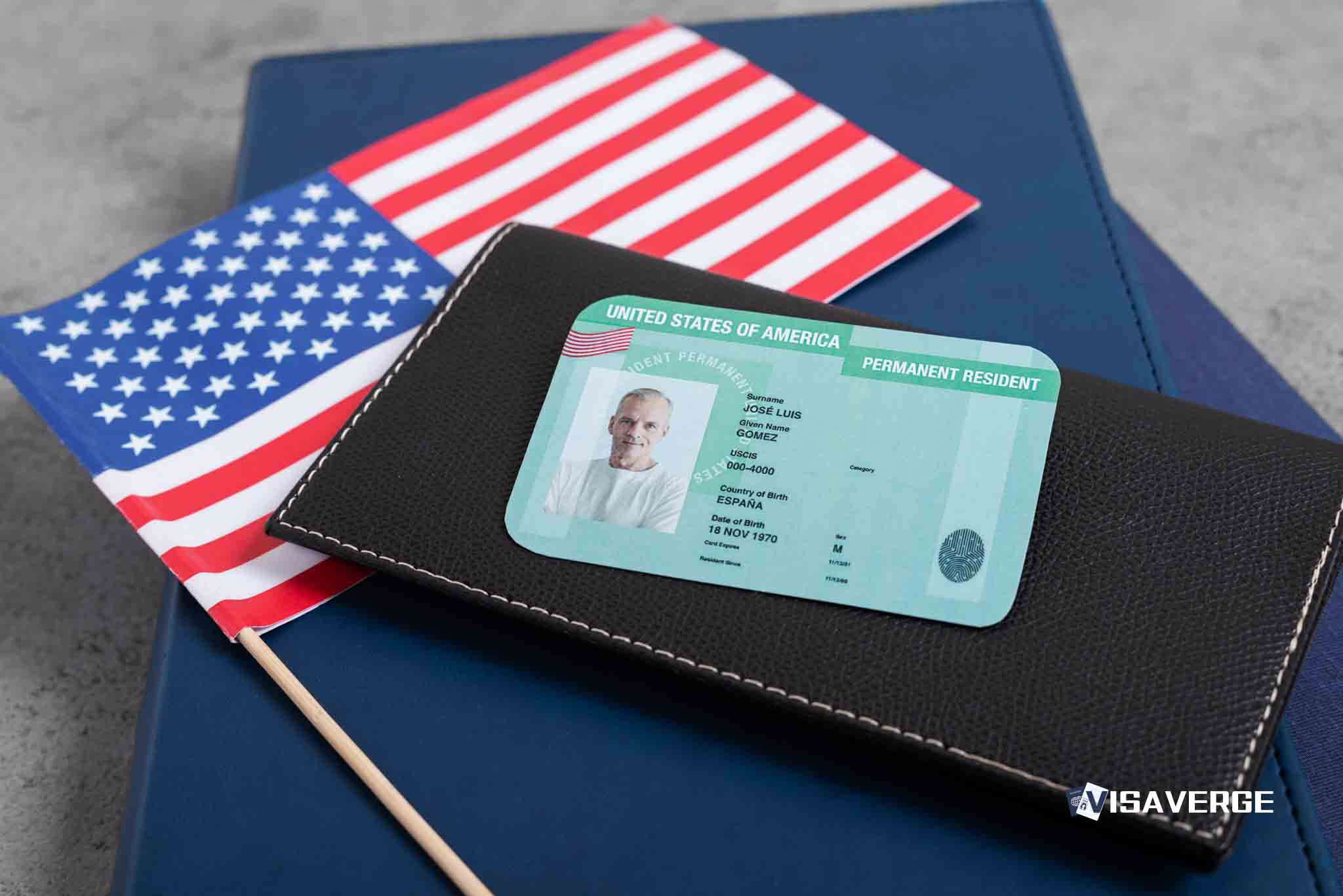
(MINNESOTA) — The Board of Immigration Appeals has held that the “public charge” ground of inadmissibility generally turns on an applicant’s likelihood of becoming primarily dependent on the government for subsistence, not on the mere use of subsidized health coverage—an important distinction as Minnesota ends MinnesotaCare coverage for many undocumented adults as of January 1, 2026. In Matter of Perez, 22 I&N Dec. 689 (BIA 1999), the BIA clarified that public charge determinations are a forward-looking, “totality of the circumstances” inquiry. Practically, that means health coverage changes in Minnesota may affect family budgets and medical access, but they do not automatically decide immigration outcomes.
The timing matters. Minnesota’s rollback—enacted through a 2025 budget compromise and effective January 1, 2026—removes MinnesotaCare eligibility for undocumented adults while preserving coverage for undocumented children and continued pregnancy-related Medical Assistance for eligible pregnant people. The shift is already influencing how immigrant communities weigh health care enrollment against perceived immigration risk. At the same time, federal messaging and litigation around data access and enforcement has fueled a “chilling effect,” even where the law does not equate health coverage with immigration penalties.

The precedent: what Matter of Perez actually decided
In Matter of Perez, 22 I&N Dec. 689 (BIA 1999), the BIA addressed how adjudicators should evaluate whether a person is “likely at any time to become a public charge” under the Immigration and Nationality Act. Although public charge policy has changed through regulations and agency guidance over the years, Perez remains a frequently cited BIA articulation of the core framework: adjudicators must consider the totality of the person’s circumstances, and the inquiry focuses on likely primary dependence.
The statutory basis is INA § 212(a)(4), which makes a person inadmissible if they are likely to become a public charge. Congress also directs officers to consider at least five factors: age, health, family status, assets/resources/financial status, and education/skills. See INA § 212(a)(4)(B)(i).
Perez matters now because Minnesota’s MinnesotaCare rollback will predictably increase gaps in preventive care, create new medical debt, and push treatment into emergency settings. Those facts may show up in immigration filings. But Perez counsels against treating any single factor—like a benefit change—as determinative.
| India | China | ROW | |
|---|---|---|---|
| EB-1 | Feb 01, 2023 | Aug 01, 2023 ▲31d | Current |
| EB-2 | Nov 01, 2013 | Oct 01, 2021 | Apr 01, 2025 ▲90d |
| EB-3 | Jan 22, 2014 ▲21d | Jan 22, 2022 ▲14d | Jun 15, 2024 ▲31d |
| F-1 | Jan 22, 2021 ▲366d | Jan 22, 2021 ▲366d | Jan 22, 2021 ▲366d |
| F-2A | Oct 22, 2026 ▲30d | Oct 22, 2026 ▲30d | Oct 22, 2026 ▲30d |
Key facts in Minnesota: who lost MinnesotaCare, and who didn’t
Minnesota’s policy change is state-driven, but it has federal immigration consequences because health coverage affects finances, treatment continuity, and documentation.
- Effective January 1, 2026, Minnesota ended MinnesotaCare access for undocumented adults.
- Public reporting and state materials estimate about 17,000 to 20,000 adults are affected.
- Notices reportedly went out in December with short lead time, and people turning 18 while enrolled may be disenrolled at the end of their birth month.
Some coverage remains:
- Undocumented children under 18 remain eligible for MinnesotaCare.
- Pregnancy-related Medical Assistance remains available regardless of immigration status during pregnancy and 12 months postpartum, consistent with Minnesota’s program rules.
- Emergency Medical Assistance (EMA) remains available for qualifying emergency conditions, but it does not replace primary care.
For immigrants in removal proceedings, or those pursuing family-based or employment-based immigration, the practical impact is immediate: more uncompensated care, disrupted medication access, and hard choices about where to seek treatment.
Warning (Health Coverage vs. Immigration Risk)
Losing MinnesotaCare does not, by itself, create an immigration violation.
But untreated conditions and medical debt can affect evidence in discretionary filings.
How Perez fits into today’s “public charge” framework
Perez is not a benefits eligibility case. It is an immigration inadmissibility case. Its relevance is in how it frames the decision-making process under INA § 212(a)(4).
1) “Totality” analysis, not a checklist
Perez underscores that officers must weigh the whole record. Even if a person has significant health needs, other factors—work history, household support, insurance options, and resources—may reduce public charge concerns.
2) The concept of “primary dependence”
The BIA’s focus in Perez is on whether someone is likely to become primarily dependent on government support for basic subsistence. That concept is narrower than public debate often suggests.
3) State health programs are not the only variable
MinnesotaCare is a subsidized state program, and its removal may change what applicants can show about current coverage. But Perez suggests adjudicators should still assess future prospects, not just past coverage.
This is also where applicants should be careful. Even if health coverage itself is not disqualifying, gaps in care can worsen conditions. That may change the “health” and “financial” factors officers must weigh under INA § 212(a)(4)(B)(i).
Deadline (State Notices and Appeals)
If you received a MinnesotaCare closure notice, review it for appeal rights and timelines.
State deadlines can be short and may require prompt documentation.
Federal enforcement context and “chilling effect” concerns
The MinnesotaCare rollback coincides with heightened anxiety about data-sharing and enforcement.
- Public reporting indicates a federal court recently permitted ICE access to certain Medicaid-related data fields, while limiting access to sensitive medical records.
- Even where access is limited, fear of exposure can deter enrollment in lawful programs.
- DHS and DOJ announced a final rule effective December 31, 2025 addressing asylum bars tied to certain public health emergencies. That rule is not directed at MinnesotaCare but contributes to a broader narrative immigrants may interpret as linking health systems with enforcement.
From a legal perspective, it is important to separate three questions:
- Are you eligible for a program? (state law and program rules)
- Does using a program affect admissibility? (federal immigration law, especially INA § 212(a)(4))
- Could information be shared with ICE? (privacy laws, litigation outcomes, agency practice)
Because these questions intersect, they should be evaluated case-by-case with counsel.
Circuit splits or conflicting authority: limited, but policy shifts matter
On “public charge,” there has been less classic circuit-split litigation and more policy volatility across administrations through regulations and guidance. The applicable standard can depend on when an application is filed and what rule is in effect at that time.
- The BIA’s Perez framework remains a baseline.
- Applicants should not assume Perez answers every modern question about which benefits count or how heavily they weigh.
- Details often come from DHS regulations and USCIS policy guidance, which can change and be challenged in court.
For immigrants in Minnesota filing adjustment of status with USCIS, it is especially important to confirm current Form I‑864 Affidavit of Support requirements (if family-based) and any related public charge form requirements that may apply at filing time. USCIS procedures are detailed on https://www.uscis.gov.
Dissenting opinions: none in Perez, but practical disputes are real
Perez did not produce a widely cited dissent. The disagreements today are more practical than doctrinal.
- One side views subsidized coverage as a fiscal signal.
- The other sees preventive care as cost-saving and humane.
- Minnesota’s political branches resolved that dispute through legislation, not litigation—so far.
In immigration cases, these disputes reappear as evidence fights: what documents prove financial stability, what medical records are relevant, and whether a judge should credit testimony about future employability despite current illness.
Practical takeaways for immigrants and advocates in Minnesota
- Do not assume MinnesotaCare loss equals an immigration penalty.
Public charge is a legal test under INA § 212(a)(4). It is not triggered by headlines. -
Document continuity of care and finances.
If you have chronic conditions, keep records of treatment plans, prescriptions, and costs. Also keep proof of income and household support.
If you receive a MinnesotaCare closure notice, check for appeal rights and strict deadlines. Gather necessary documents quickly and consider consulting an immigration attorney to plan next steps.
- For family-based cases, treat the I‑864 as central.
The sponsor’s income and household size are often decisive in practice. Missing or weak sponsorship can create delays or denials. -
If you are in removal proceedings, talk to counsel before changing anything.
Immigration Court filings are governed by EOIR rules, and strategy depends on relief type. See https://www.justice.gov/eoir for court information.
Warning (Do Not Self-Diagnose “Public Charge”)
The public charge analysis is fact-specific and can change with federal rules.
Get advice before withdrawing from benefits or skipping medical care based on fear.
Where to check official information
- Minnesota program rules and bulletins: Minnesota Department of Human Services and MNsure (state sources).
- USCIS policy and forms: https://www.uscis.gov
- EOIR court system information: https://www.justice.gov/eoir
- DHS announcements: DHS
Given the overlap of health policy, privacy concerns, and immigration screening, Minnesota immigrants affected by MinnesotaCare changes should strongly consider a consultation with a qualified immigration attorney. A lawyer can assess admissibility risks under INA § 212(a)(4), identify safer documentation strategies, and coordinate with benefits or health-law counsel where needed.
⚖️ Legal Disclaimer: This article provides general information about immigration law and is not legal advice. Immigration cases are highly fact-specific, and laws vary by jurisdiction. Consult a qualified immigration attorney for advice about your specific situation.
Resources:
– AILA Lawyer Referral
– Immigration Advocates Network
This article explores the intersection of Minnesota’s 2026 rollback of MinnesotaCare for undocumented adults and the federal ‘public charge’ rule. Citing the BIA case Matter of Perez, it explains that while health coverage changes impact family stability, they are not a singular deciding factor in immigration. The analysis highlights the importance of the ‘totality of circumstances’ test and warns about the ‘chilling effect’ of enforcement fears.