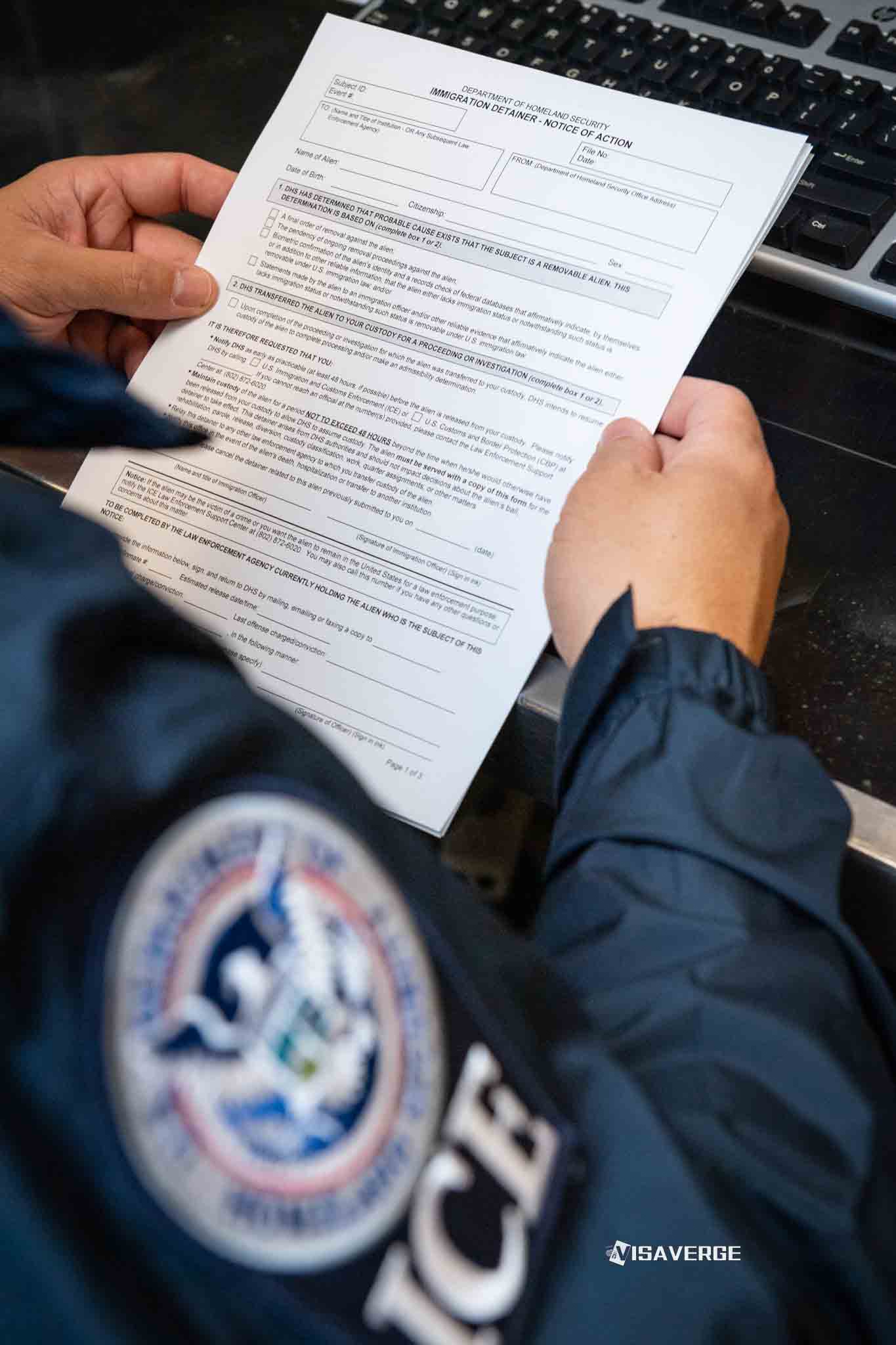
(OHIO) The ACLU of Ohio has sued the Seneca County Sheriff’s Office in the Ohio Supreme Court, accusing the agency of breaking state public records law by refusing to release documents tied to work with ICE. Filed on August 12, 2025, the case asks the high court to order the sheriff to provide contracts, memoranda, and communications that explain how the county jail partners with federal immigration authorities.
The sheriff’s office says the papers the ACLU wants are “federal records” controlled by Washington and therefore outside Ohio’s open records rules. The ACLU counters that the records sit in a local office, concern local operations, and should be open to the public under state law. The dispute could set the ground rules for what Ohioans can see about county-level roles in immigration enforcement.

Legal dispute reaches Ohio Supreme Court
According to filings described by both sides, the timeline unfolded as follows:
Free toolUSCIS Receipt Number Decoder- On March 12, 2025, the ACLU of Ohio requested copies of contracts, memoranda of understanding, and emails involving ICE, the Department of Homeland Security, and the U.S. Marshals Service.
- On April 4, 2025, the Seneca County Sheriff’s Office replied that the materials were “federal records subject to the Federal Records Act,” not state records, and refused to release them. The office pointed requesters to federal Freedom of Information Act channels.
- On August 12, 2025, the ACLU filed its lawsuit in the Ohio Supreme Court asking for an order to produce the documents.
- By August 13–14, 2025, the case and the sheriff’s position were public. Sheriff Fred Stevens defended the refusal, stressing that federal rules limit disclosure of ICE detainee information.
The sheriff’s position cites the Federal Records Act and guidance from the ICE Office of the Principal Legal Advisor, which, according to the sheriff, told the county the materials are federal records. In practice, that means the office has told members of the public to seek information through FOIA instead of Ohio’s public records law. People can file a federal request through ICE’s FOIA page: https://www.ice.gov/foia.
The ACLU’s filing asks for a court order that would require the county to turn over specific categories of records: contracts, memoranda of understanding, emails, and similar communications with ICE and related federal agencies. The group argues that transparency lets residents see how local tax dollars support federal immigration work and whether those agreements protect civil rights.
Sheriff Stevens offered a blunt response:
“We have been an ICE facility for 25 years,” he said. “I find it funny that it is only now that the ACLU is trying to sue to get ICE detainee information and never reached out during the last administration or for that matter, the last 25 years.” His office says it will follow the law but maintains the records are federal.
Key point: The case asks whether records created or held locally about federal immigration partnerships are subject to Ohio’s public records law, or whether they belong exclusively to federal control.
Broader transparency fight and possible fallout
Seneca County Jail has held immigration detainees since 2000. The county has taken part in ICE’s 287(g) programs, including Task Force and Warrant Service Officer models. Under 287(g), local deputies or jailers can perform limited immigration duties after training and under federal supervision.
- Supporters say this helps public safety.
- Critics say it can lead to civil rights problems and fear in immigrant communities.
The ACLU of Ohio is pursuing similar open-records cases against other counties as part of a push to make county–federal partnerships easier for the public to see. The ACLU wants a clear ruling: when a county holds contracts and emails about ICE work, those records should be open unless a specific legal exemption applies. VisaVerge.com reports that the organization has brought multiple suits in Ohio seeking the same type of disclosure from sheriff’s offices.
What happens next could reach far beyond one county:
- If the Ohio Supreme Court agrees with the ACLU, sheriff’s offices across the state may have to release ICE-related contracts and communications on request. That would give residents, journalists, and families a better picture of how local jails interact with the United States ?? government on immigration. It could also help defense lawyers and community groups track policies that affect detainees.
- If the court backs the Seneca County Sheriff’s Office, local agencies will likely keep treating these files as federal and deny state requests. People would need to use FOIA, a process that can take months or years and allows federal agencies to withhold records for reasons such as privacy, law enforcement sensitivity, or internal decision-making.
For families and advocates, the difference is concrete. A local public records process can be faster and more predictable under Ohio law, with firm timelines and clearer remedies when agencies fail to respond. FOIA is nationwide and useful, but it is often slow and heavily redacted. In urgent situations—such as when a community group needs to know if the county expanded bed space for immigration detention—waiting on a FOIA response can feel like waiting in the dark.
The ACLU says transparency is not only about paperwork; it is about oversight. Open agreements can show whether the county set standards for medical care, interpretation services, and complaint handling for detainees. They can also reveal how costs and reimbursements work between a county and ICE.
Law enforcement groups and some legal scholars argue that federal law should control who can see federal detainee information, and that releasing sensitive details could risk operations or privacy.
Current status and next steps
- As of August 14, 2025, the lawsuit remains pending in the Ohio Supreme Court.
- The Ohio Supreme Court’s docket will track filings and orders related to the case.
- The ACLU of Ohio has said it will continue pressing similar cases in other counties.
- The Seneca County Sheriff’s Office stands by its answer and continues to direct requesters to federal channels.
For Ohioans seeking records today, one main path exists:
- File a federal FOIA request with ICE for the same categories of records. The process is online and open to anyone at https://www.ice.gov/foia.
Important warning: FOIA timelines can be long and responses may be redacted or withheld for legal reasons. If timely access is critical, local public records requests (if successful) generally provide faster remedies under state law.
This Article in a Nutshell
ACLU of Ohio sued the Seneca County Sheriff’s Office on August 12, 2025, seeking ICE contracts, MOUs and emails. The sheriff claims federal control under the Federal Records Act and directs FOIA. Ohio’s Supreme Court will decide whether locally held ICE-related records fall under state open-records law, setting statewide precedent.