- Airlines urge Congress to end the DHS funding standoff and restore pay for TSA officers.
- Over 50,000 TSA agents work without pay, causing long airport lines and hundreds of staff resignations.
- Executives demand long-term pay protections to prevent aviation security from becoming a recurring political football.
(UNITED STATES) — Chief executives of major U.S. airlines urged Congress on March 15, 2026 to end a standoff over Department of Homeland Security funding, warning that a 29-day partial government shutdown has begun to show up in airport screening lines and daily travel operations.
The CEOs, representing airlines including American Airlines, United Airlines, Delta Air Lines, Southwest Airlines, JetBlue Airways, Alaska Air, FedEx, UPS, and Atlas Air, asked lawmakers to restore DHS funding immediately and to approve longer-term pay protections for critical aviation personnel during any future funding lapses.
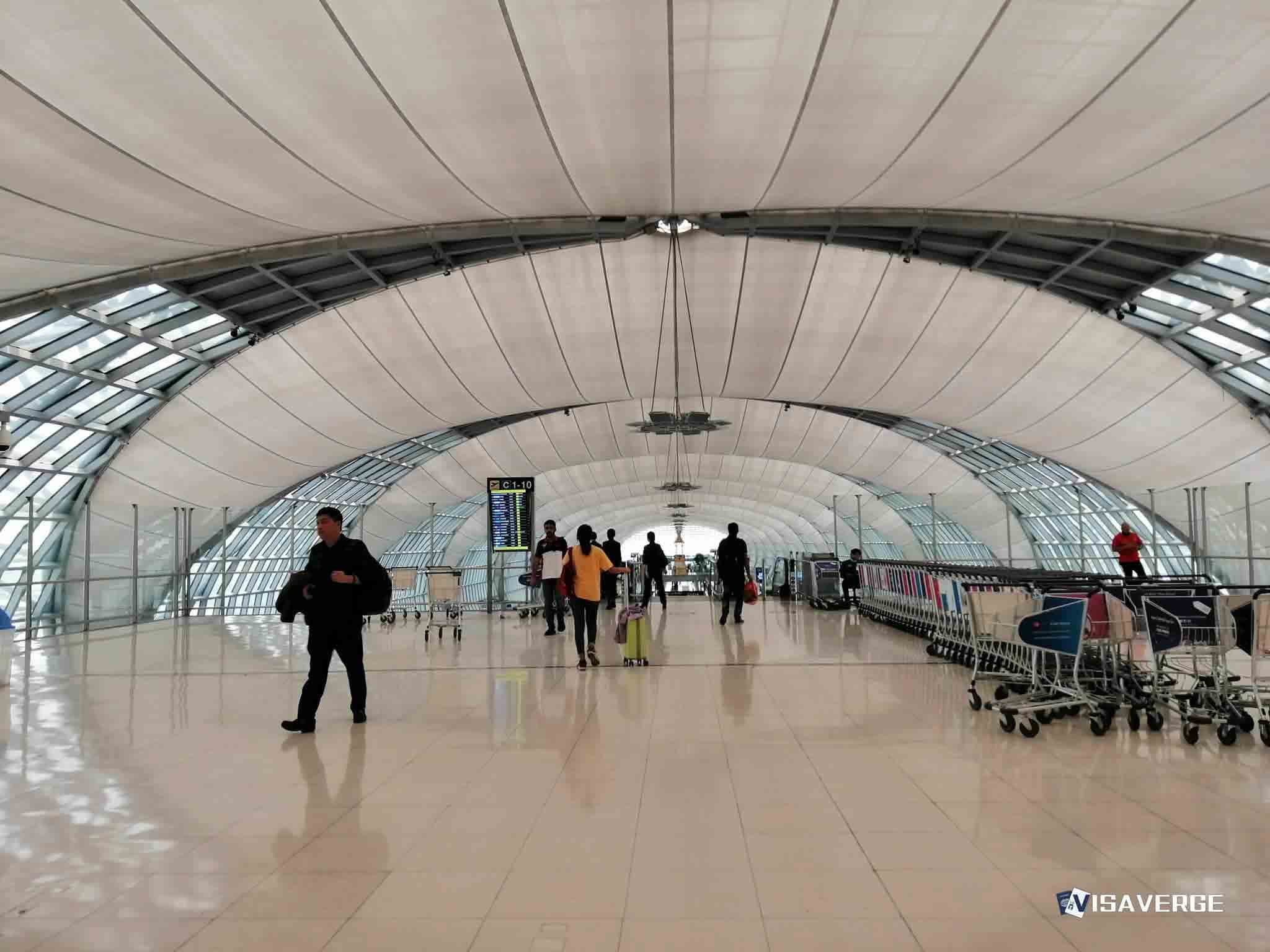
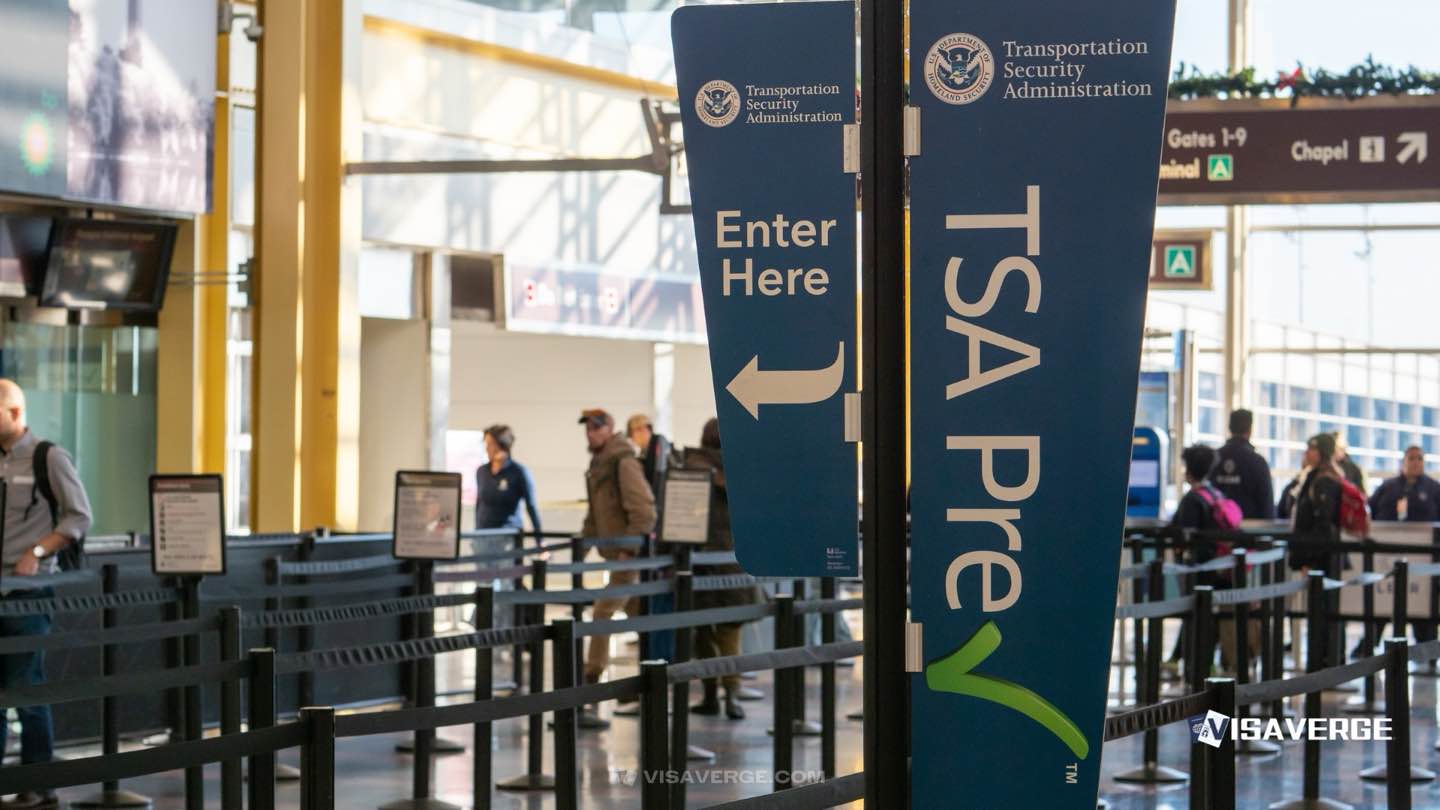
“Too many travelers are having to wait in extraordinarily long – and painfully slow – lines at checkpoints,” the CEOs wrote in their open letter.
The airline leaders pressed Congress to “immediately come together to reach an agreement to fund the Department of Homeland Security” and to pass legislation aimed at ensuring continued pay for critical aviation personnel during shutdowns.
“First, leaders should immediately come together to reach an agreement to fund the Department of Homeland Security. Then they need to act so this problem never happens again,” the CEOs wrote, adding that air travel is again a “political football” amid shutdowns.
The partial government shutdown began after a DHS funding lapse on February 13, 2026, when Congress failed to agree on immigration enforcement reforms demanded by Democrats. While flights have continued to operate, the airline industry has pointed to strain building in Transportation Security Administration staffing and checkpoint throughput.
A DHS funding lapse hits travelers in ways that can feel immediate because security screening depends on steady staffing and functioning checkpoints, even when the broader air transport system continues running. The CEOs’ letter framed the issue as an operational and passenger-experience problem that escalates as uncertainty stretches on.
The shutdown has forced 50,000 Transportation Security Administration (TSA) officers to work without pay, the CEOs said, tying the payroll disruption to growing pressure on morale, attendance, and processing capacity at checkpoints.
TSA staffing disruption has already surfaced in airport conditions described by the airlines and in TSA statements cited by the CEOs. Security lines exceeded two hours at Houston Hobby and New Orleans last week, and travelers faced higher-than-normal delays at Newark on March 14, 2026, according to the letter.
Airports have responded in some cases by closing checkpoints, the CEOs wrote, a step that can concentrate passenger volume into fewer screening lanes. The letter also said some airports raised funds to help TSA workers buy essentials as the shutdown continued.
The TSA has also seen attrition since the shutdown began, and the CEOs argued that losses compound operational strain when passenger volumes are high. Over 300 TSA officers have quit since the shutdown started, according to TSA statements last week cited in the letter.
Airline leaders cast the issue as a risk to operational reliability, warning that screening slowdowns can spread into missed flights and subsequent knock-on disruption. They told Congress that stabilizing the TSA workforce and restoring pay would reduce uncertainty for front-line workers and help keep checkpoint performance from deteriorating.
The CEOs also used the letter to argue that pay protections should not be a recurring political bargaining chip because aviation security staffing serves a daily national function. Their request focused on guaranteeing compensation for critical aviation personnel during any future shutdown periods, alongside immediate action to fund DHS.
“Americans – who live in your districts and home states – are tired of long lines at airports, travel delays and flight cancellations caused by shutdown after shutdown,” the CEOs wrote.
The airline leaders pointed to prior experience to describe how disruption can build beyond the checkpoint. They cited a 43-day shutdown last fall that caused widespread disruptions and prompted the FAA to order a 10% flight cut at major airports, an example they presented as evidence that operational effects can widen when staffing uncertainty persists.
The CEOs’ message sought to link the customer-facing reality of long lines to systemwide reliability and scheduling, arguing that predictability at screening points supports on-time departures and reduces the chance of broader constraints. Their letter asked lawmakers to treat the DHS funding dispute as a practical operational issue, not a recurring crisis for passengers and workers.
The standoff comes at a time airlines say the system has less slack to absorb delays. Carriers anticipate a record 171 million passengers over the spring travel period, up 4% from last year, during peak spring break season.
With more people moving through checkpoints each day, airlines argued, even modest reductions in available screening capacity can translate into longer waits and more missed departure times. The letter’s warning focused on the interaction of higher loads and staffing disruption, rather than on flight operations being halted outright.
The timing also puts pressure on airport operations beyond the checkpoint, as passenger lines can spill into terminal spaces and affect crowding and gate flows. Airlines have tied those bottlenecks to customer frustration that can intensify quickly when travelers believe delays are unpredictable.
The political uncertainty showed little sign of easing in the days leading up to the CEOs’ letter. Competing Senate efforts to fund TSA failed on Thursday, March 12, 2026, leaving the shutdown in place and the payroll disruption unresolved.
The impasse has centered on DHS funding and immigration enforcement reforms demanded by Democrats, an issue the airline CEOs did not frame in partisan terms in their letter but cited as the reason funding lapsed. Their focus remained on reopening the funding stream and preventing future pay disruptions for personnel whose absence would have immediate operational effects.
Airline executives have long argued that aviation relies on layered security and coordinated federal functions, and their letter connected pay continuity to that daily dependence. The request for pay protections was presented as a durability measure, aimed at removing repeated uncertainty from a workforce that screens passengers and baggage in real time.
The operational concern outlined by the CEOs also extended beyond travelers’ patience. Longer checkpoint waits can alter passenger arrival patterns as people show up earlier to buffer the unknown, concentrating crowds into earlier periods and making staffing demands less predictable. Airlines argued that restoring pay and stability would help prevent those feedback loops.
The letter also described airport-level stopgaps that have emerged as the shutdown persists, including checkpoint closures and locally raised funds to assist workers with essentials. While the CEOs did not quantify the scale of those efforts in the letter, they presented them as signs that the strain has moved from Washington’s budget debate into daily operations.
In calling for congressional action, the CEOs emphasized two steps: immediate funding to end the partial government shutdown, and legislative action to ensure pay during future shutdowns for critical aviation personnel. They presented the second step as a way to prevent recurring disruption at checkpoints when political fights recur.
The airline leaders’ argument also touched on passenger expectations, with the letter describing public fatigue with repeated shutdown-linked disruptions. By invoking prior shutdown impacts and the FAA response last fall, the CEOs sought to underline that the effects can expand beyond the checkpoint and into broader air traffic management decisions.
Industry officials amplified similar warnings on March 15, 2026, as Airlines for America President and CEO Chris Sununu discussed stretched TSA lines during the DHS shutdown. His comments aligned with the trade group’s message that screening capacity and traveler experience come under strain when the TSA workforce faces prolonged uncertainty over pay.
Live Government Data
State Dept • CBPBusiest Border Crossings
- Tecate 60 min
- Hidalgo/Pharr 45 min
- Hidalgo/Pharr 45 min