- Ireland’s Department of Justice spent two point eighty-eight million euros on charter-flight deportations by June 2026.
- The State utilizes contracted aircraft and security to transport multiple individuals subject to removal orders simultaneously.
- Deportation enforcement is scaling up in response to increased pressure on Ireland’s international protection and housing systems.
(IRELAND) — Ireland’s Department of Justice has spent €2.88 million on charter-flight deportations, according to reporting dated June 21, 2026. The expenditure, described in official context as nearly €3 million, reflects the State’s continued reliance on charter jet operations to enforce removal orders against individuals required to leave the country.
The figure covers costs associated with chartering dedicated aircraft to transport deportees. Charter jet deportations differ from scheduled commercial removals, where individuals travel on regular passenger flights accompanied by security escorts.
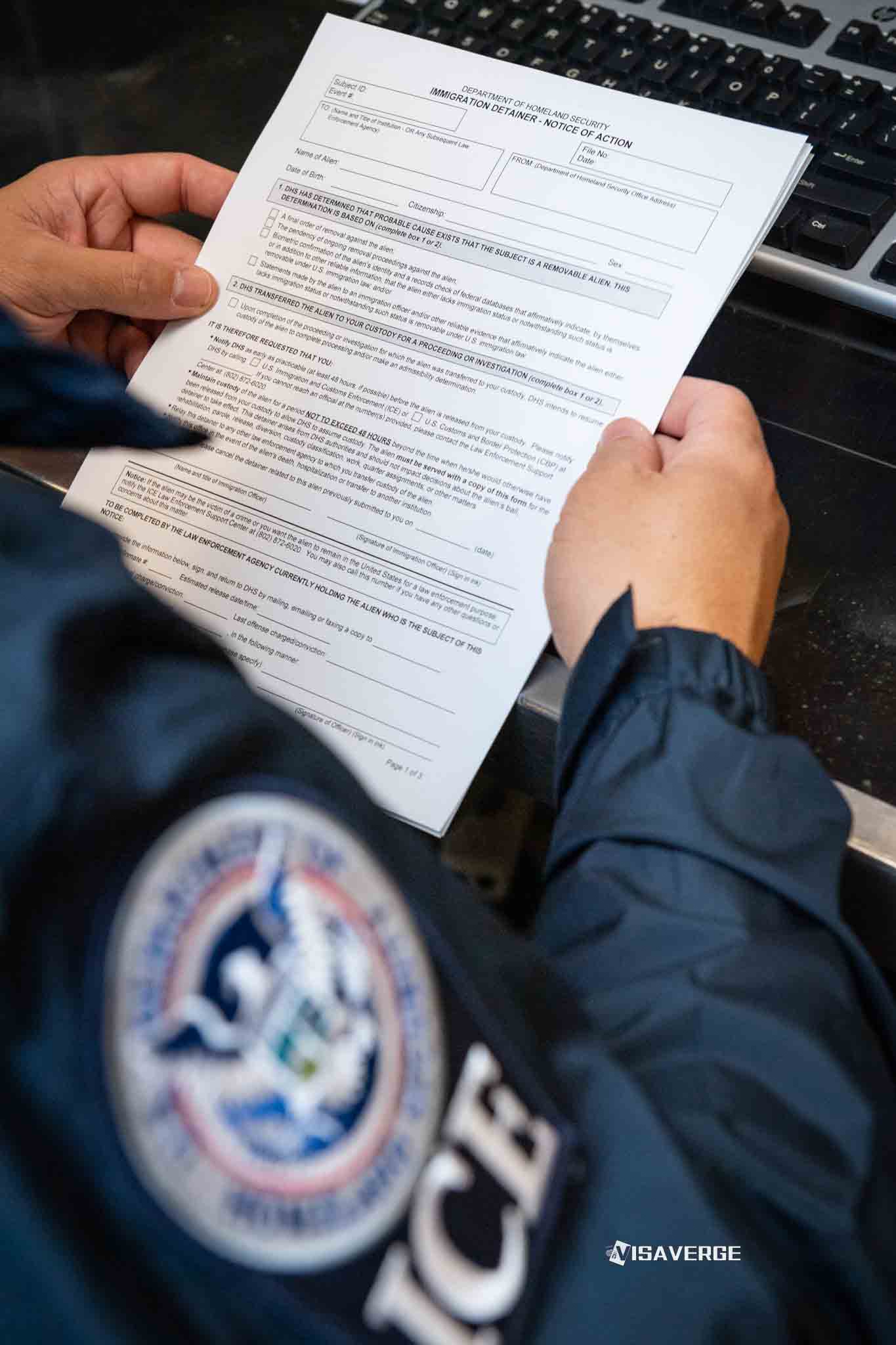
Charter operations involve contracted aircraft transporting multiple deportees, often to specific regions or countries of origin in coordinated missions. Ireland’s Department of Justice oversees immigration enforcement, including the issuance and execution of deportation orders.
The reported spending encompasses operational costs such as crew, fuel, security personnel, ground handling, and logistical arrangements. A detailed breakdown of individual flight costs has not been published, and per-flight expense varies depending on destination, aircraft type, and the number of deportees transported.
The destinations of charter deportation flights correspond to the countries of origin of those subject to removal orders. Nationalities represented on these flights reflect the demographics of individuals processed through Ireland’s immigration and international protection system. The Department has not published a detailed public list of specific charter flight destinations or the nationalities of those removed.
Ireland’s deportation framework operates primarily under the International Protection Act 2015 and the Immigration Act 1999. Under these statutes, the Minister for Justice may issue a deportation order requiring a non-national to leave the State. The legal standard requires that individuals receive due process before removal, including the right to apply for international protection and to appeal adverse decisions.
The International Protection Office processes asylum applications at first instance. Those denied protection may appeal to the International Protection Appeals Tribunal, an independent body that reviews decisions on the merits. Only after these avenues are exhausted can a deportation order take effect.
Individuals facing removal may also seek judicial review before the High Court, though such challenges are limited to points of law rather than factual re-litigation. Charter jet deportations have become a regular feature of Ireland’s enforcement strategy as the State seeks to increase removal rates.
The practice parallels approaches in other EU member states. The United Kingdom has employed charter flights for immigration removals for years, facing legal challenges over conditions and transparency. EU-wide cooperation on returns includes coordinated charter operations through Frontex, the European Border and Coast Guard Agency, which facilitates joint return flights among participating member states.
The reported €2.88 million expenditure emerges amid sustained political debate in Ireland over immigration policy and asylum accommodation capacity. The State has faced increased pressure on its system for housing asylum seekers, with shortages reported in available accommodation. Government officials have cited deportation enforcement as one component of the response to managing migration flows and maintaining public confidence in the immigration system.
Individuals who have received a deportation order in Ireland should seek legal advice without delay. Judicial review proceedings before the High Court must be initiated within strict statutory time limits following the issuance of a deportation order. Immigration practitioners emphasize that late filings may result in the loss of available legal remedies.
The Legal Aid Board provides representation to eligible individuals facing deportation, though application processing times apply and early engagement is recommended. For those with pending applications before the International Protection Office or the International Protection Appeals Tribunal, maintaining current contact information with the Department is essential. Deportation orders may issue after final determination of protection claims, and failure to respond to official correspondence can affect available legal options.
⚠️ Time-Sensitive Deadline: Judicial review of a deportation order in Ireland must be filed within strict statutory time limits. Delays may permanently bar legal challenges to removal. Seek legal advice immediately upon receiving a deportation order.
⚠️ Legal Aid Available: The Legal Aid Board may provide representation for eligible individuals facing deportation. Applications should be submitted promptly, as processing times apply.
⚖️ Legal Disclaimer: This article provides general information about immigration law and is not legal advice. Immigration cases are highly fact-specific, and laws vary by jurisdiction. Consult a qualified immigration attorney for advice about your specific situation.
Resources: