- New Zealand’s tribunal rejected all 40 Khalistan-linked appeals decided in 2025 and 2026.
- Judges said support for Khalistan alone does not prove refugee status without individualized persecution evidence.
- Activities like Auckland referendum attendance and protests outside the Indian High Commission were not enough.
New Zealand’s refugee appeals tribunal rejected all 40 identified Khalistan-linked asylum appeals decided in 2025 and 2026, according to a review of published rulings. The decisions included 15 unsuccessful appeals in 2025 and 25 in 2026.
The rulings require applicants to establish a personal danger of persecution. Allegiance to the separatist cause, without evidence connecting an individual to serious harm, has not been enough.
“Support for Khalistan alone doesn’t create refugee status.”
The tribunal has instead examined whether Indian authorities know, or could reasonably learn, about a claimant’s activities and whether that knowledge creates a genuine risk of serious harm. The test focuses on the person’s circumstances rather than political sympathy alone.
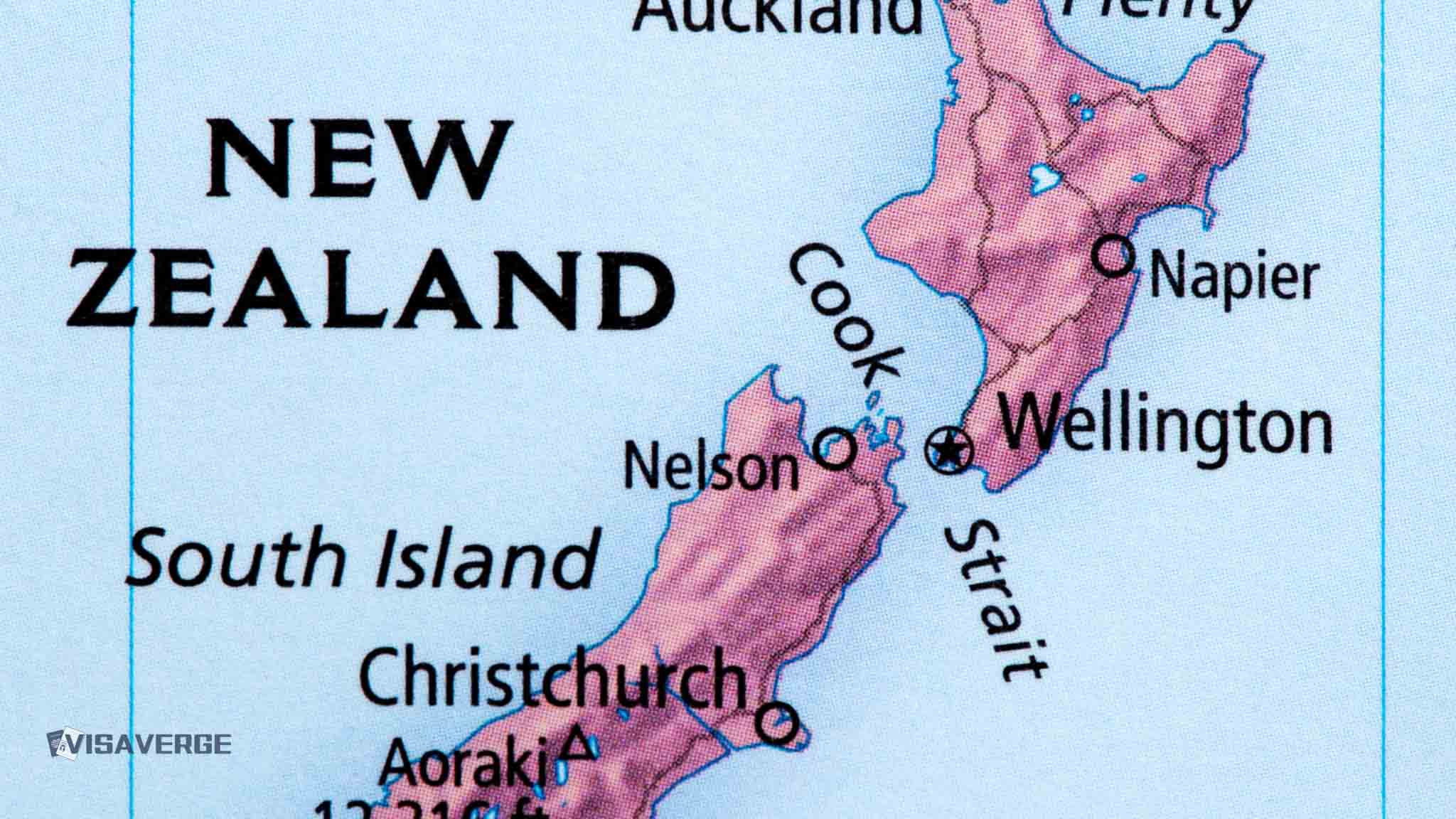
Examples cited in the decisions include attendance at a non-binding Khalistan referendum in Auckland and demonstrations outside the Indian High Commission in Wellington. The tribunal found that those activities, standing alone, did not establish eligibility for refugee status.
The appeals turn on personal exposure, not movement affiliation
Khalistan is a separatist movement advocating an independent Sikh homeland in Punjab. Applicants connected their protection claims to support for that movement, but the tribunal required more than an association with its objectives.
A claimant generally must provide evidence that Indian officials are aware of the conduct at issue. The evidence must also support a real, individualized possibility of persecution if the claimant returns to India.
That approach places the focus on exposure and consequences. Political expression, participation in a referendum, or attendance at a protest may form part of a claim, but the activities do not automatically prove refugee status.
The decisions were issued under New Zealand’s refugee and protected-person framework. They concern appeals, not a newly enacted rule.
| Decision year | Rejected appeals | Result |
|---|---|---|
| 2025 | 15 | All unsuccessful |
| 2026 | 25 | All unsuccessful |
| Total | 40 | All unsuccessful |
The identified decisions produced the same result in both years
The 40-case figure covers published tribunal decisions identified for the two years. Each appeal in that group failed.
The cases represent tribunal-level immigration decisions. They carry authority within New Zealand’s refugee appeal system, but they do not amount to a statute or a broad national policy change.
The material identifies a sequence of decisions rather than one named precedent. The line of rulings has applied a consistent demand for individualized evidence, with group affiliation treated as insufficient by itself.
That distinction limits what can be drawn from the figures. The decisions show the outcomes in the identified appeals, but they do not establish that every asylum claim connected to Khalistan will receive the same result. Each claim still turns on its evidence and the applicable protection framework.
Immigration New Zealand does not classify claims by ground
Immigration New Zealand does not currently publish asylum-claim data organized by the specific ground relied on by applicants. An agency spokesperson said producing that breakdown would require “extensive manual review.”
The information is not held in a readily retrievable format, the spokesperson said. As a result, the 40-case count comes from the identified published tribunal decisions rather than a routine government statistical series.
The agency’s data position also separates the tribunal record from broader claims about asylum applications nationwide. The published rulings provide the reported appeal outcomes, while the administrative data do not offer a matching category for Khalistan-related claims.
Future claimants will need evidence tied to their own circumstances
The rulings point applicants toward evidence specific to their own conduct, visibility, and risk on return. General support for a separatist movement does not, by itself, satisfy that requirement.
The tribunal’s decisions emphasize personal evidence over affiliation. Applicants facing an appeal should obtain advice on the facts and documents relevant to their individual protection claim.
This article provides general information and is not legal advice. Consult a qualified immigration attorney about your specific case.