Volker Türk Urges U.S. to Uphold International Law During Immigration Crackdown
This comprehensive guide explores noncitizen rights in the U.S., focusing on due process and practical responses to immigration enforcement. It highlights the impact of international human rights critiques, explains complex legal terms like administrative warrants, and offers specific preparation strategies for mixed-status families. The content emphasizes procedural protections, the right to remain silent, and the necessity of maintaining accurate immigration documentation in an era of heightened scrutiny.
Noncitizens maintain constitutional rights to due process during immigration enforcement and detention procedures.
A clear legal distinction exists between administrative and judicial warrants during home encounters.
UN human rights officials are urging independent investigations into reported abuses and custody deaths.
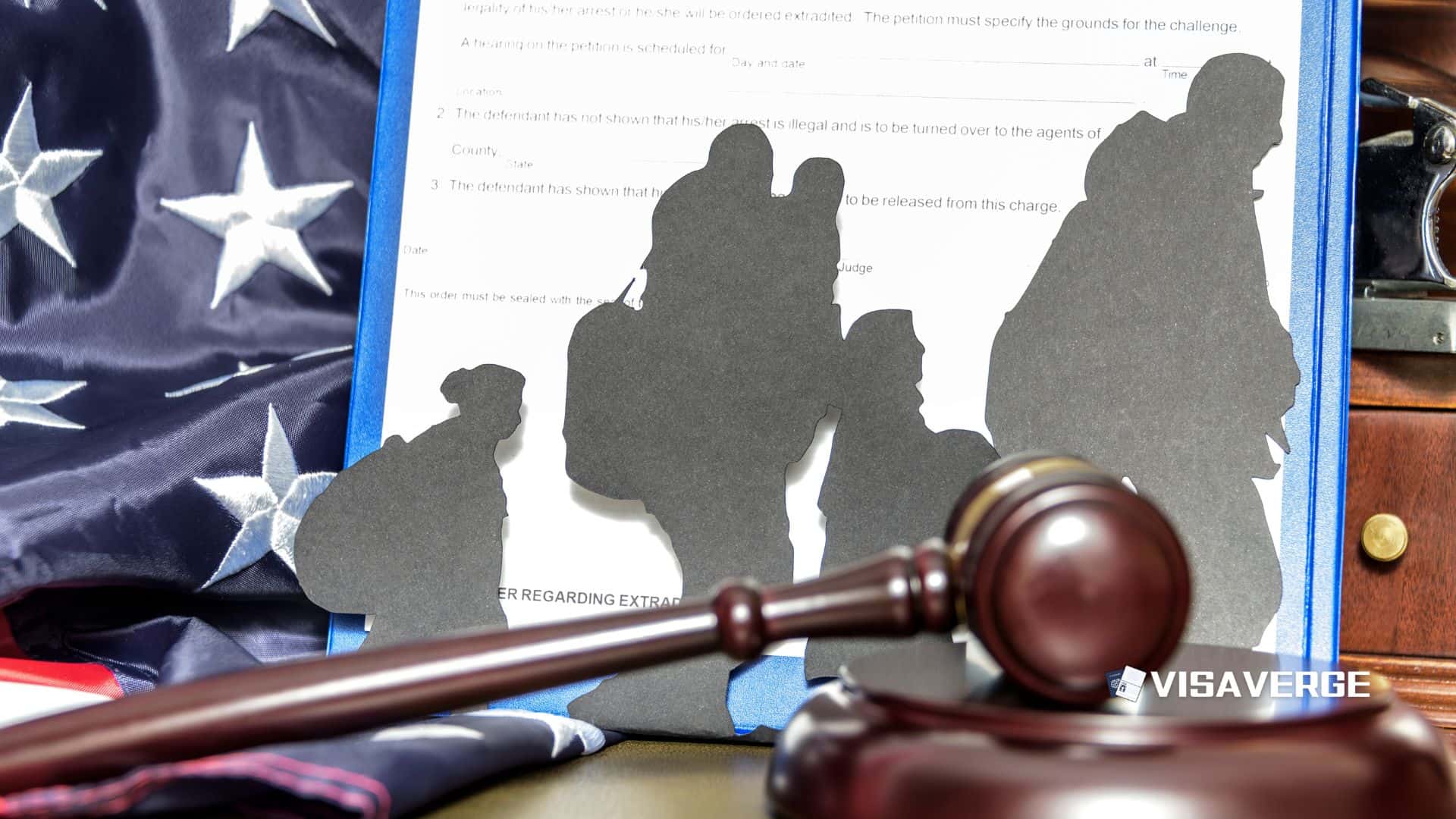
(UNITED STATES) — Noncitizens in the United States generally have a right to due process before the government can detain, remove, or separate them from their families, even amid an immigration crackdown and heightened public rhetoric.
This guide explains what “due process” means in immigration enforcement, who has it, how to exercise it during encounters with ICE or CBP, and how to respond if you believe your rights were violated.
Volker Türk Urges U.S. to Uphold International Law During Immigration Crackdown
It also places recent international criticism—including remarks by UN human rights chief Volker Türk—into the correct legal context: influential in public debate, but not a direct change to U.S. immigration law.
1) UN statement: what it alleged—and what it does (and does not) change
Note
Save a dated copy (PDF or screenshot) of any official statement you rely on for advocacy, employer discussions, or legal consults, and keep the URL. Public pages can be updated or moved, and attorneys often need the exact version you saw.
On January 23, 2026, Volker Türk, the UN High Commissioner for Human Rights, urged the United States to align immigration enforcement with international law.
His office cited reports of arbitrary and unlawful arrests, routine abuse, and large-scale operations that allegedly sweep in migrants and refugees in sensitive locations. The UN also urged an independent investigation into reported deaths in immigration custody.
In the UN framing, the concern is not only outcomes, but process: whether enforcement actions respect basic legal protections and human dignity.
Official statements referenced (UN, DHS, USCIS) — quick citation list
01
UN Human Rights Office statement by High Commissioner Volker Türk (January 2026)
02
DHS public statements including remarks attributed to Tricia McLaughlin (Jan 23, 2026)
03
DHS spokesperson remarks related to Minneapolis fatal shooting (Jan 24, 2026)
04
Vice President JD Vance comments (Jan 22, 2026)
05
USCIS End-of-Year Review (Dec 22, 2025)
→ Note
Items above are listed exactly as referenced; use as a quick citation checklist.
Key terms in plain English
Arbitrary detention: Detention that is not based on a clear legal basis, or that is carried out without meaningful procedures to challenge it. In U.S. terms, it often overlaps with questions about probable cause, notice, and access to a hearing.
Due process: The constitutional promise that the government must follow fair procedures before taking away liberty. In immigration, it typically includes notice, a chance to be heard, and a neutral decision-maker. The baseline comes from the Fifth Amendment.
Dignity in enforcement: Not a single U.S. legal standard by itself. It is a human-rights concept that often shows up in arguments about conditions of detention, use of force, and access to medical care.
What a UN statement changes in practice
Important Notice
If enforcement activity occurs at a residence, ask to see the document being relied on and check whether it is signed by a judge (judicial) versus an agency official (administrative). Do not sign anything you don’t understand; request time to contact an immigration attorney.
A UN statement does not rewrite U.S. statutes, regulations, or court precedent. It does not stop removals by itself. It does not grant an immigration benefit.
But it can matter indirectly. International-law critiques may increase scrutiny by Congress, inspectors general, courts, and media. They can also shape narratives in litigation, especially in cases alleging systemic abuses.
In short, the statement is a spotlight, not a binding order.
2) DHS and USCIS messaging: enforcement posture, “due process,” and administrative warrants
DHS has defended recent enforcement activity as tied to public safety, national security, and “law-and-order” priorities. DHS officials have also publicly argued that individuals targeted under certain removal paperwork already received full due process in immigration court and have final removal orders.
Analyst Note
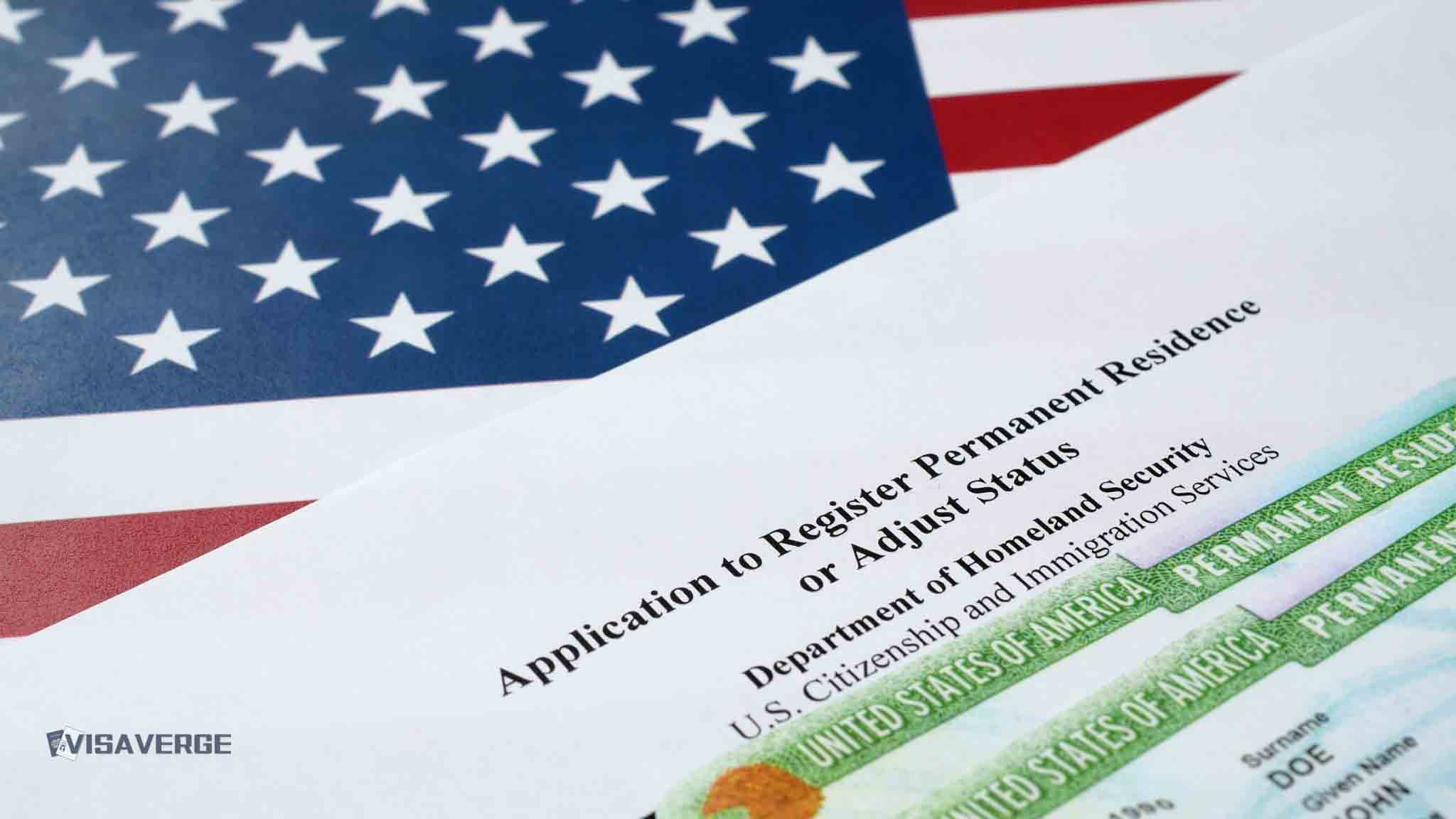
Create a “status packet” for each family member: copies of identity pages, I-94/EAD/green card, latest approval notices, and attorney contact info. Store one printed set at home and one secure digital set; update it after every filing or address change.
Selected filing-related fees referenced in this guide
Pending
Humanitarian parole fee: $1,000 (effective Oct 17, 2025)
Pending
Premium processing fee (potential): up to $2,965 by March 1, 2026
→ Fee reminder
These are selected fees referenced in this guide; amounts and effective dates are shown as listed.
USCIS, in turn, has emphasized stronger screening, vetting, and integrity measures. For applicants, that usually means more requests for evidence, more interviews, more fraud checks, and more cross-agency data review.
Those steps can slow cases, even when filings are legitimate.
Administrative warrants vs. judicial warrants (why the distinction matters)
Immigration enforcement often relies on administrative warrants, which are issued within the executive branch, not by a judge. Common examples include Form I-200 (administrative arrest warrant), and Form I-205 (warrant of removal/deportation).
A judicial warrant is signed by a judge and typically relates to criminal procedure. This distinction matters most during home encounters.
In many situations, officers need either consent or a judicial warrant to enter private areas of a home. Rules can vary by jurisdiction and fact pattern. If officers claim they have a “warrant,” it is reasonable to ask what type.
Warning
Do not physically resist. Resistance can lead to arrest, injury, and criminal charges. You can assert rights verbally and remain silent.
3) What changed: a practical map of the major actions and what to watch
Recent actions described by the government include enforcement operations, immigration benefit reviews, visa-processing slowdowns, TPS terminations, and fee changes. Each affects different groups, and each has different legal hooks.
Large-scale refugee case “reexamination”
A “reexamination” of refugee cases generally means the government is re-checking eligibility and fraud indicators. Possible outcomes may include Requests for Evidence (RFEs) or Notices of Intent to Deny (NOIDs) in pending matters.
Other possible steps are re-interviews, additional background checks, rescission or termination processes in some statuses, and referrals to ICE for enforcement in cases involving alleged fraud or criminal conduct.
If you receive an RFE or NOID, deadlines are real. Late responses are often treated as abandonment.
Note
Deadline: If you receive an RFE/NOID, read the due date carefully. Missing it can result in denial even if you are eligible.
“Pause” in immigrant visa issuance
A visa issuance pause typically affects people processing through U.S. consulates abroad. In practice, it can mean fewer interview slots, longer administrative processing, and delays in document review and security checks.
A pause does not always mean a permanent ban. But it can extend family separation and complicate travel planning. Always rely on consular instructions on the State Department travel website, not social media.
TPS terminations: what it usually means
When TPS for a country is terminated, people who only have TPS may lose protection from removal after the wind-down period ends and lose work authorization tied to TPS unless extended by notice.
TPS holders should review whether re-registration is still available during any transition period, their EAD category and expiration date, and whether they may qualify for another status or relief.
TPS is statutory. See INA § 244 and the implementing regulations at 8 C.F.R. Part 244. Termination rules and timelines are published in Federal Register notices.
Humanitarian parole fees: why this matters
Humanitarian parole is a discretionary permission to enter or remain temporarily. Parole is addressed at INA § 212(d)(5) and 8 C.F.R. § 212.5.
New or higher fees matter because they can delay filings, reduce access, and push families toward risky alternatives. Parole is not an admission and does not automatically lead to permanent residence.
Parole may, however, allow urgent reunification or medical-related travel when no visa is available.
Home enforcement memo and “force” language
Policies discussing entry into residences raise urgent rights questions. The core legal points for most people are practical: you generally can refuse consent to enter your home, ask officers to identify themselves and to show the warrant, and communicate through the door.
Do not lie or provide fake documents. Misrepresentation can create separate grounds of removability and inadmissibility under INA § 212(a)(6)(C).
4) Why UN–U.S. tension matters: oversight, litigation, and detention scrutiny
International criticism can increase domestic accountability pressures. That does not guarantee policy change, but it often contributes to congressional inquiries and hearings, inspector general reviews, and compliance audits.
Civil-rights litigation, including class actions challenging detention conditions, and state and local oversight related to jail contracts and detention standards, often follow heightened scrutiny.
An “independent investigation” in practice usually means outside review and reporting. It may yield recommendations, findings, and calls for operational changes, and it can shape detention standards debates.
Custody-death reporting and transparency concerns often drive renewed attention to medical and mental health screening, use-of-force reporting, segregation practices, and access to counsel and family contact.
Even when the law does not change overnight, documentation and oversight can alter how policies are applied on the ground.
5) How this affects you: rights, risk levels, and preparation steps by group
The right, stated clearly
Most people in the United States—citizens and noncitizens—have the right to remain silent when questioned by immigration officers. Most noncitizens also have a right to a lawyer at their own expense in removal proceedings. See INA § 292 and 8 U.S.C. § 1362.
Noncitizens in removal proceedings are also entitled to a fundamentally fair hearing under the Fifth Amendment. Courts repeatedly recognize due process protections in immigration court, even though immigration is civil.
Procedural rules are found throughout 8 C.F.R. Parts 1003 and 1240.
Risk spectrum (without hype)
Naturalized U.S. citizens: Usually the lowest day-to-day immigration enforcement risk. Still, travel and identity issues can arise. Rare denaturalization cases exist and are complex.
Lawful permanent residents (green card holders): Risk depends on criminal history, old immigration issues, or alleged fraud. International travel can trigger questions at return.
Nonimmigrants (students, workers, visitors): Risk rises if you violate status, work without authorization, or have arrests. A visa stamp is not the same as status.
Undocumented individuals: Highest direct enforcement exposure. But you still have constitutional protections and should plan carefully.
Practical steps for families, students, and workers
Document readiness. Keep copies of immigration documents, IDs, and any court paperwork. If you have a pending case, keep receipts and biometrics notices. If you have a final order, speak with counsel about options quickly.
Emergency planning for mixed-status households. Identify an emergency contact, prepare a childcare plan that schools can follow, and store medical consent forms and key phone numbers.
Workplace and school considerations. Employers should follow I-9 rules and anti-discrimination rules. Employees should not present false documents. Students should keep DSO contact information and maintain full-time enrollment if required.
USCIS integrity initiatives: what triggers scrutiny
USCIS fraud and integrity work often focuses on patterns such as inconsistent addresses, dates, or employment history, altered civil documents, “too-perfect” templated affidavits, and payments to unlicensed preparers promising results.
Legitimate applicants can reduce avoidable issues by reviewing every form for accuracy, using consistent information across filings, avoiding notarios and unlicensed preparers, and submitting clear translations and certified copies when required.
Fees and timing: what to do (without repeating the tool numbers)
Higher fees and premium processing changes can affect when families file, whether they can afford medical exams or translations, and whether they must delay travel.
Premium processing, where available, generally speeds adjudication only. It does not change eligibility, evidence burdens, or admissibility.
Warning
Do not file duplicate applications “just in case.” Duplicates can create mismatches and delay adjudication.
How to exercise your rights during encounters (home, street, workplace, courthouse)
If officers come to your home
Stay calm. Keep the door closed. Ask, “Are you immigration? What is your name and agency?”
Ask, “Do you have a judicial warrant signed by a judge?” Ask them to slide it under the door or hold it to a window. If they only have an administrative warrant, you may choose not to consent to entry.
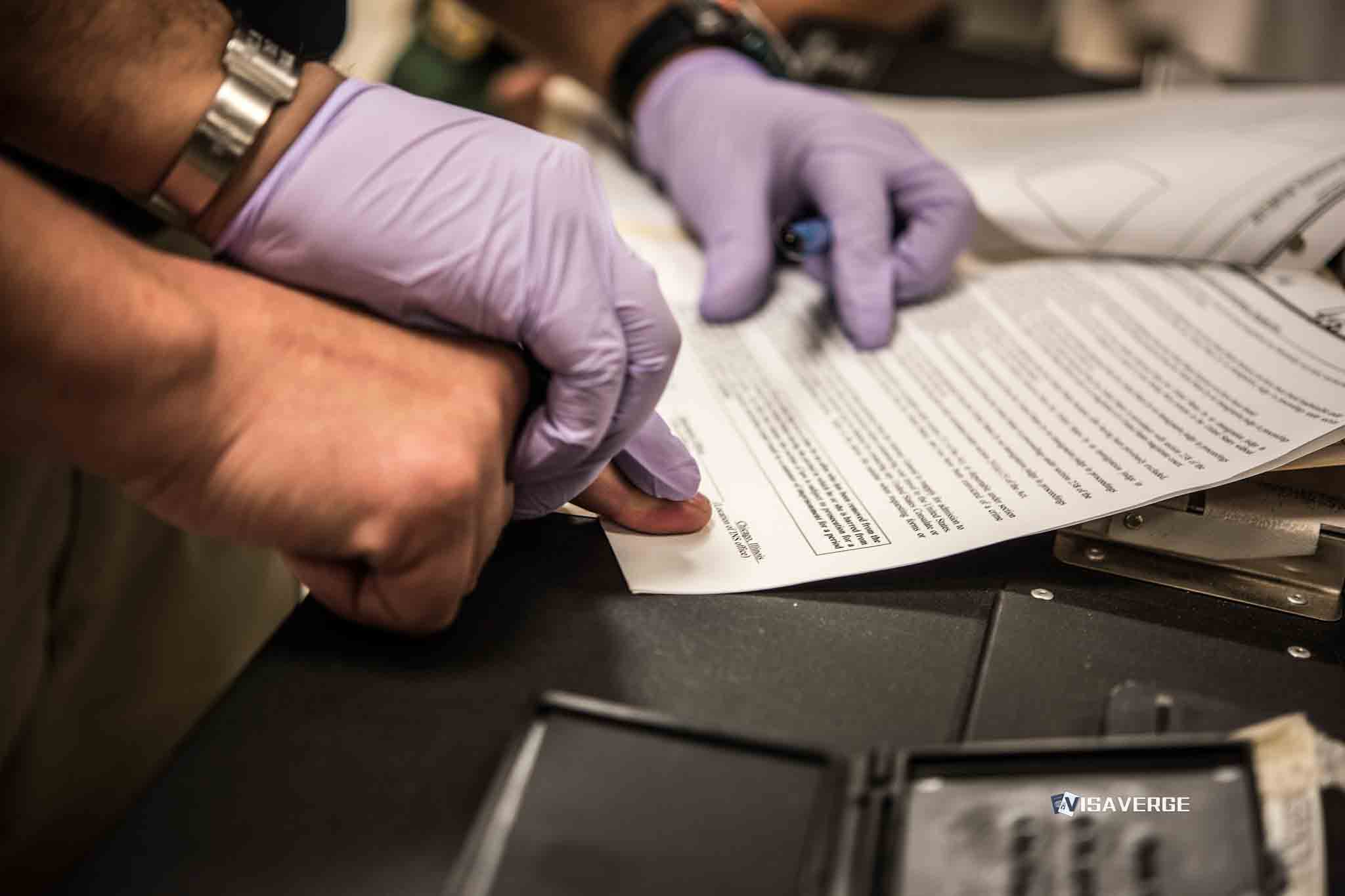
Do not run. Do not fight. Do not sign papers you do not understand.
If stopped in public
Ask if you are free to leave. If not free to leave, you can say you will remain silent and ask to speak to a lawyer. Do not provide false information.
If you are detained
Say you want a lawyer. Ask for a copy of all documents you sign and request an interpreter if needed. Tell counsel about medical needs immediately.
Note
Deadline: Appeals to the BIA are often due quickly after an Immigration Judge decision. Missing the deadline can end the case. Speak with a lawyer immediately.
Common ways rights are waived or lost
Consenting to home entry by stepping aside or opening the door widely.
Signing “voluntary departure” or stipulated removal papers without advice.
Talking at length about immigration history without counsel.
Missing court dates. An in absentia order can issue under INA § 240(b)(5).
Moving without updating address. Noncitizens must report address changes. See INA § 265 and 8 C.F.R. § 265.1.
If you believe your rights were violated
Write down details immediately: names, badge numbers, vehicles, time, place, witnesses.
Preserve evidence: photos, medical records, and messages. Do not alter recordings.
Talk to a qualified immigration lawyer fast: Rights claims often interact with removal defense strategy.
Consider complaints: DHS Office for Civil Rights and Civil Liberties (CRCL) and the DHS Inspector General accept complaints. Use official DHS pathways.
⚖️ Legal Disclaimer: This article provides general information about immigration law and is not legal advice. Immigration cases are highly fact-specific, and laws vary by jurisdiction. Consult a qualified immigration attorney for advice about your specific situation.
As the Chief Editor at VisaVerge.com, Oliver Mercer is instrumental in steering the website's focus on immigration, visa, and travel news. His role encompasses curating and editing content, guiding a team of writers, and ensuring factual accuracy and relevance in every article. Under Oliver's leadership, VisaVerge.com has become a go-to source for clear, comprehensive, and up-to-date information, helping readers navigate the complexities of global immigration and travel with confidence and ease.