Healthcare workers in the United States ?? Valley regions, including the Rio Grande Valley and California’s Central Valley, report a sharp rise in patients skipping medical appointments as of August 1, 2025. Many immigrants, especially those without legal status, now avoid clinics and hospitals due to growing deportation fears and increased Immigration and Customs Enforcement (ICE) activity. This trend threatens the health of entire communities and puts extra pressure on already stretched healthcare systems.
Deportation Fears Disrupt Healthcare Access

Immigrant patients are missing or canceling appointments at much higher rates than before. In Southern California, healthcare workers say up to one-third of medical visits and half of dental appointments are now missed. These no-shows are not just for routine check-ups. Patients are skipping care for chronic diseases like diabetes and high blood pressure, prenatal visits for pregnant women, and even emergency services. Healthcare workers warn that this could lead to more serious illnesses, higher healthcare costs, and even deaths that could have been prevented.
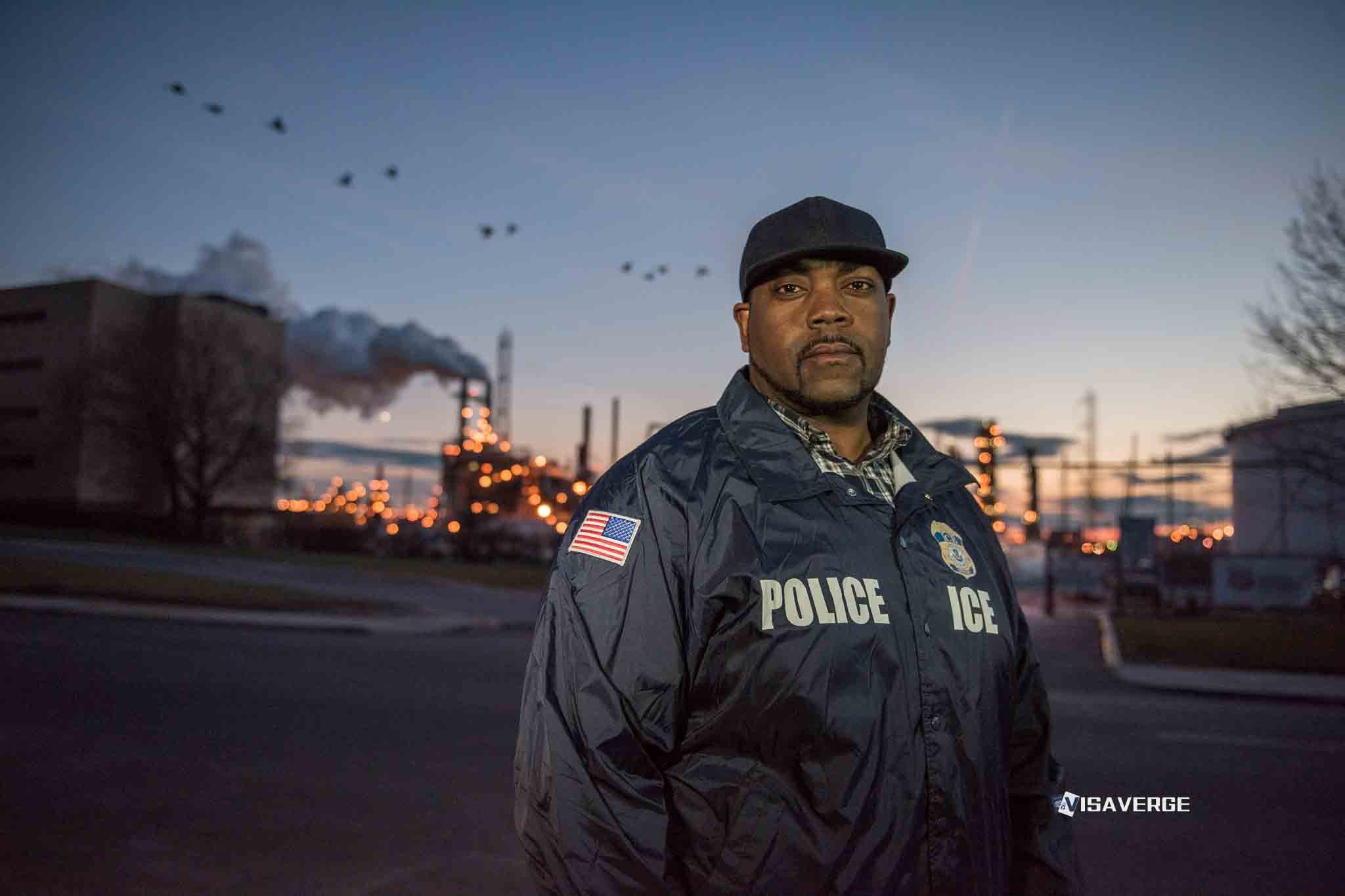
The main reason for this sudden change is fear. ICE has stepped up arrests and deportations in 2025, with nearly 33,000 arrests by mid-March—already more than all of 2024. In April, ICE launched a public ad campaign warning undocumented immigrants they are “next,” which has made many people even more afraid. Some clinics have even reported ICE agents visiting their locations, such as a mistaken visit to a United Health Centers clinic in Dinuba, California. These incidents have fueled rumors and made patients even more anxious about seeking care.
Healthcare Workers Face Their Own Challenges
It’s not just patients who are affected. Healthcare workers themselves are feeling the impact of stricter immigration policies. Some foreign medical residents have faced visa delays or denials, while others have been deported or denied re-entry to the United States ??. This has made staffing shortages worse, especially in clinics that serve large immigrant populations. According to analysis by VisaVerge.com, these shortages can lead to longer wait times and reduced services, making it even harder for patients to get the care they need.
Justin Preas, CEO of United Health Centers of the San Joaquin Valley, says, “Immigrant workers are the backbone of our agriculture industry, and their health is vital to our entire community. We need to make sure they feel safe coming to our clinics, no matter what their immigration status is.” Dr. Y. Tony Yang from George Washington University adds, “Clinicians have a moral and legal duty to protect patient trust. When patients are afraid to come in, everyone’s health is at risk.”
Policy Changes and Their Effects
California tried to help by expanding Medi-Cal coverage in January 2024 to include all qualifying adults, even if they are undocumented. The goal was to make healthcare more accessible for everyone. But the fear of deportation and distrust of government programs have led to a 30% drop in Medi-Cal enrollment inquiries in Los Angeles County over the past year. Many immigrants worry that signing up for health programs could make them a target for ICE or label them as a “public charge,” which could hurt their chances of getting legal status in the future.
At the same time, federal proposals to cut Medicaid funding and add work requirements threaten to make things even harder for immigrant families. If these changes go through, fewer people will qualify for health coverage, and those who do may be too afraid to use it.
How Healthcare Providers and Community Groups Are Responding
Healthcare workers and community organizations are trying to fight back against these trends. Some clinics have set up special protocols to handle ICE visits, making sure staff know how to protect patient privacy and rights. Others are working to reassure patients that their information will not be shared with immigration authorities.
Groups like Maternal and Child Health Access (MCHA) in Los Angeles are working hard to enroll immigrants in Medi-Cal and provide outreach, even though fewer people are coming forward. Celia Valdez, Director of Enrollment and Outreach at MCHA, says, “We’re doing everything we can to let people know it’s safe to get care. But the fear is real, and it’s hard to overcome.”
Practical Implications for Patients and Healthcare Systems
For patients, the risks are clear. Delaying or avoiding care can lead to untreated illnesses, complications during pregnancy, and outbreaks of preventable diseases. Even immigrants who are legally present sometimes avoid care because they fear being caught up in enforcement actions or being labeled a public charge.
For healthcare systems, high no-show rates make it hard to plan and deliver care. Clinics lose money when patients don’t show up, and staff time is wasted. Staffing shortages caused by deportations and visa problems make it even harder to keep up with demand.
Background: How We Got Here
The roots of the current crisis go back several years. Since 2017, immigration policies under President Trump have made enforcement stricter. Protections for sensitive locations like hospitals have been rolled back, making it easier for ICE to conduct raids near or even inside healthcare facilities. Deportations have increased, and visas for foreign healthcare workers have become harder to get.
California has tried to push back by expanding Medi-Cal to undocumented immigrants, but fear and distrust remain strong barriers. Many immigrants remember stories of raids or have seen ICE agents in their neighborhoods, making them think twice before seeking care.
What’s Next?
The future is uncertain. Federal Medicaid funding and immigration enforcement policies are still being debated. If Medicaid is cut or work requirements are added, even more immigrants could lose access to care. At the same time, ICE shows no sign of slowing down its enforcement actions.
Healthcare providers and community groups are stepping up their efforts to build trust. They are offering culturally sensitive care, providing information in multiple languages, and working with legal advocates to protect patients’ rights. Some clinics are considering adopting sanctuary policies to make patients feel safer.
Legal challenges may also increase. Advocates are looking for ways to stop ICE from targeting healthcare settings and to protect the privacy of patient records. There is also talk of pushing for new laws that would make clinics and hospitals off-limits to immigration enforcement.
What Can Patients and Families Do?
- Know Your Rights: Patients have the right to receive emergency care regardless of immigration status. Clinics cannot share patient information with ICE without a court order.
- Ask About Privacy Policies: Many clinics have strict rules to protect patient privacy. Ask staff about how your information is kept safe.
- Seek Help from Community Organizations: Groups like the National Immigration Law Center (NILC) offer resources and legal help for immigrants facing healthcare or immigration problems. Visit NILC’s website for more information.
- Stay Informed: Keep up with local news and updates from trusted community groups about changes in healthcare and immigration policies.
Resources for Healthcare Workers and Clinics
- United Health Centers of the San Joaquin Valley: Offers guidance on handling ICE visits and protecting patient privacy.
- Maternal and Child Health Access (MCHA), Los Angeles: Provides outreach and enrollment help for Medi-Cal.
- Community Clinic Association of Los Angeles County: Supports clinics serving immigrant communities and offers advocacy resources.
Official Government Information
For the most up-to-date information on patient rights and healthcare access, visit the official U.S. Department of Health & Human Services Office for Civil Rights. This site provides details on privacy laws, discrimination protections, and how to file a complaint if you believe your rights have been violated.
Looking Ahead
The intersection of immigration enforcement and healthcare access remains a critical issue in the United States ??, especially in regions with large immigrant populations. As deportation fears grow and ICE steps up its actions, healthcare workers and community groups are working harder than ever to protect patients and ensure everyone can get the care they need. The coming months will be important as policy debates continue and communities look for ways to keep healthcare safe and accessible for all.
By staying informed, knowing your rights, and reaching out for help when needed, patients and healthcare workers can push back against fear and make sure health remains a priority, no matter what changes come next.
This Article in a Nutshell