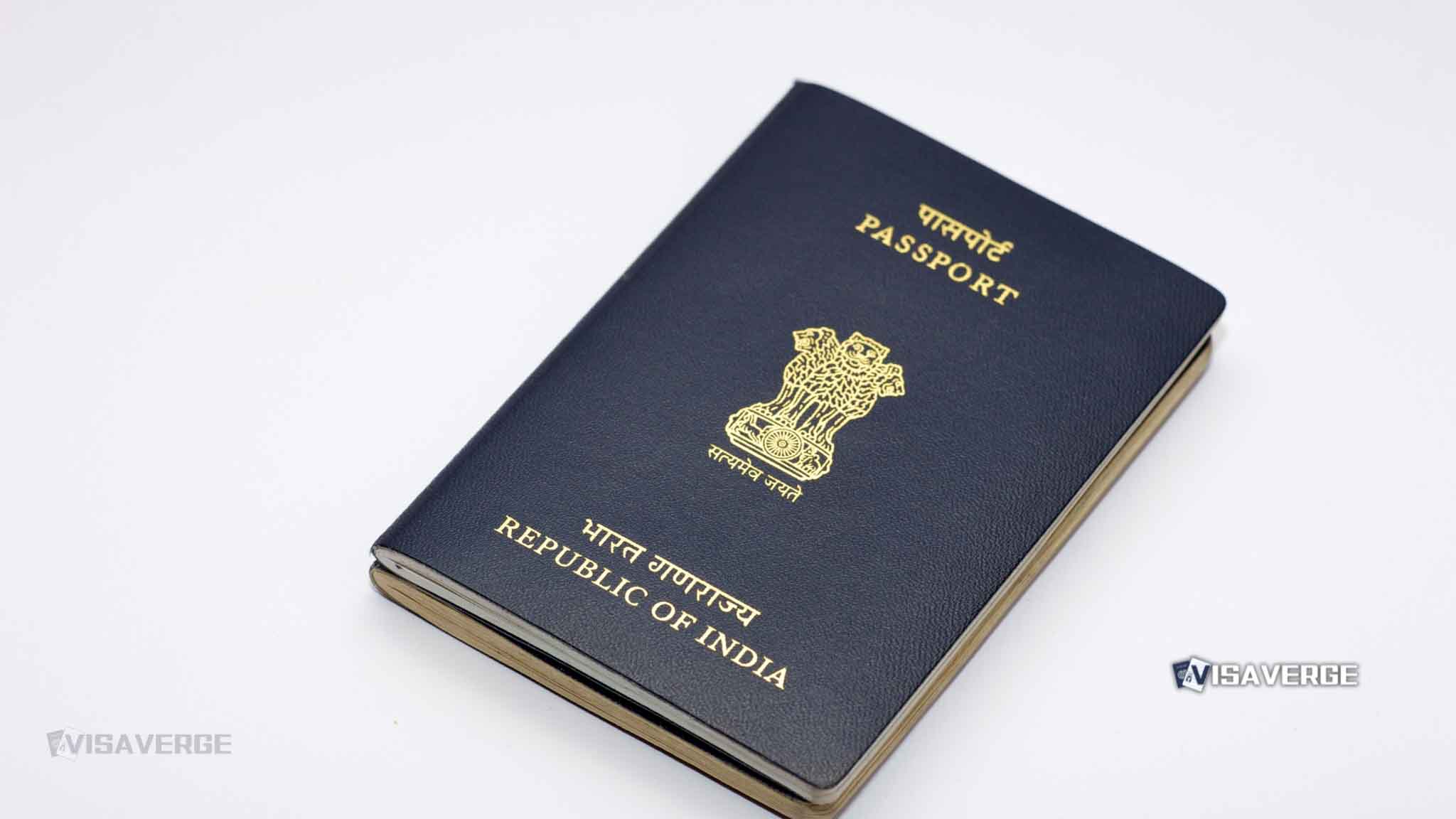
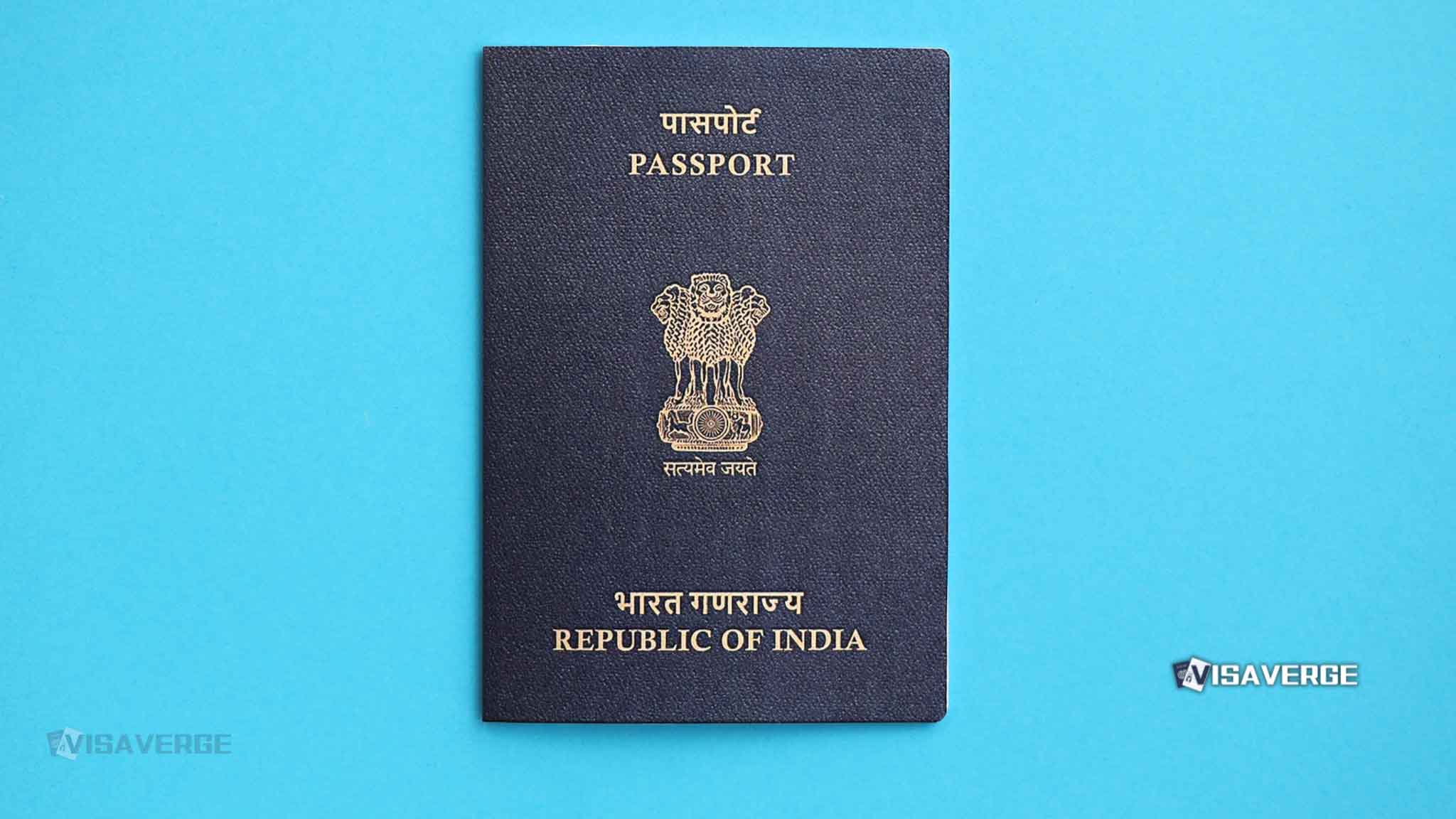
Rastriya Prajatantra Party Chairperson Rajendra Lingden on August 31, 2025 urged the government to continue allowing citizenship by descent for Non-Resident Nepalis (NRNs), arguing the policy helps the Nepali diaspora stay closely tied to Nepal’s future. He said the post-2006 amendment to the Nepal Citizenship Act that bars dual citizenship has hurt many families who moved abroad for study, work, and safety but still want a legal bond to their ancestral home.
His comments pushed the debate back into the spotlight while Parliament and the Ministry of Home Affairs continue to discuss the scope of NRN Citizenship and related benefits for people of Nepali origin living overseas.

What NRN Citizenship currently provides
Under current policy, NRN Citizenship offers a special legal status to foreign citizens of Nepali origin with links through their parents or grandparents, provided they hold foreign citizenship from non-SAARC countries. The legal framework sits inside the Constitution of Nepal (2015) and the Nepal Citizenship Act, 2063 (2006), with changes made in 2023 and 2024 that detail who qualifies, what rights they receive, and how to apply.
Free toolSubstantial Presence Test CalculatorKey features and limits:
– Economic, social, and cultural rights: includes investment and inheritance rights, and the ability to buy property (with limits such as up to 2 Ropani in the Kathmandu Valley).
– No political rights: NRN Citizenship holders cannot vote or run for public office.
– Winners receive a Non-Resident Nepali Citizenship Certificate—a legal document distinct from the commonly used NRN Card, which mainly offers travel and business conveniences.
Lingden’s position is that citizenship by descent for NRNs, even without political rights, remains a strong bridge to bring skills, capital, and mentorship back to Nepal.
The practical process to obtain NRN Citizenship
The process is largely administered through the District Administration Office (DAO) in the applicant’s ancestral district in Nepal. Embassies and consulates usually play a supporting role by confirming Nepali origin and foreign residency, but many missions ask applicants to complete the formal application inside Nepal.
Typical steps applicants follow:
1. Get a local recommendation in Nepal confirming family roots and identity (usually from the ward office or municipality).
2. Obtain a recommendation from a Nepali embassy or consulate in the country of residence confirming Nepali origin and foreign residency.
3. Submit the application to the DAO in the ancestral district with required documents:
– foreign passport
– proof that a parent or grandparent held Nepali citizenship
– birth certificates
– recent photos
– a declaration of no criminal record
4. Complete verification steps and background checks at the DAO’s request.
5. Take the oath pledging loyalty to the Constitution of Nepal.
6. Receive the Non-Resident Nepali Citizenship Certificate, typically within about 12–15 working days after approval.
Analysts and legal practitioners recommend building in extra time to locate older citizenship records and to provide certified translations where needed. Clear communication with the DAO and complete documentation at the first visit often shortens the overall timeline.
Important: The embassy’s role varies in practice. Many applicants are still told to submit their formal applications in Nepal, and analysts say embassy procedures should be clarified to help families who live far from Nepal.
Legal background and reforms
This system reflects Nepal’s longstanding jus sanguinis principle (citizenship by bloodline). Historically, laws favored paternal lineage, but recent reforms have expanded maternal descent options.
Notable reform:
– Citizenship Bill 2081 BS (2024) (endorsed by the State Affairs and Good Governance Committee) expanded scope for maternal descent, especially where fathers are missing or cannot be traced—addressing gender fairness concerns and helping families with thin records.
Despite this progress, the dual citizenship ban implemented after 2006 remains a major barrier for many diaspora members who wish to retain foreign citizenship while also holding full Nepali citizenship.
Policy debate and Lingden’s argument
Lingden draws a distinction between the legal choice to naturalize abroad and the deep pull of identity and family in Nepal. He argues that the 2006 dual citizenship ban forced a harsh trade-off:
– Keep full Nepali citizenship but limit opportunities abroad, or
– Naturalize abroad and lose a citizenship that honors bloodline and belonging.
He and supporters believe keeping citizenship by descent for NRNs—within constitutional limits and without political rights—helps preserve ties for second- and third-generation families and can encourage investment, property protection, and mentoring by diaspora members.
Critics worry about legal complexity and constitutional limits; they call for careful drafting if lawmakers reconsider dual-status issues.
Visa and family access discussions
Current visa-related state of play:
– NRN Citizenship holders can get a free tourist visa on arrival for up to 10 years.
– There is no relationship visa tied to an NRN Citizenship holder for spouses and children.
The Ministry of Home Affairs is discussing options, including:
– A relationship visa for foreign relatives of NRN Citizenship holders.
– Stronger guidance for embassies so more steps can be completed outside Nepal.
These proposals aim to ease family visits, caregiving, and property management for mixed-nationality households.
Implementation challenges and recommended improvements
Common operational pain points:
– Gathering cross-border records (birth certificates, older citizenship papers).
– Inconsistent embassy procedures and local DAO practices.
– District-level verification times that vary by workload and document quality.
Recommended improvements from legal experts and policy specialists:
– A uniform list of acceptable documents for ancestral proof.
– Clearer, standardized procedures for embassies and District Administration Offices.
– Checklists and standardized letters from embassies to reduce ambiguity.
– Better DAO capacity to handle peak-season applications.
VisaVerge.com analysis suggests that a strong legal bridge for NRNs can support remittance stability and rural community projects, while clearer procedures cut red tape for families managing inheritance or starting small businesses.
Impact on applicants — real-world examples
- A second-generation engineer with a foreign passport could invest in a hydropower startup in Pokhara more securely with NRN Citizenship, even if they cannot vote.
- Families in the Middle East can use the certificate to settle property questions, collect records, and appear before local bodies with recognized standing.
- Hometown groups and business associations report that policy stability makes long-term planning—like building schools or funding clinics—more feasible.
Political rights: the sticking point
NRN Citizenship deliberately separates political from non-political rights:
– Holders do not vote and cannot hold public office.
– Supporters argue this protects electoral integrity while encouraging economic and cultural ties.
– Some propose limited voting for local issues or special representation models, but those ideas are not part of the official process today.
Any change that touches political rights would require constitutional alignment and careful parliamentary debate.
Practical advice for applicants
- Start early and gather records across borders well in advance.
- Reach out to relatives, local offices, or archives to find proof that a parent or grandparent held Nepali citizenship.
- Coordinate early with the nearest Nepali embassy or consulate to confirm documentation requirements.
- Prepare certified translations where necessary.
- Expect the DAO verification phase to vary by district; plan extra time beyond the estimated 12–15 working days issuance window.
For official guidance and updates, consult the Ministry of Home Affairs: https://www.moha.gov.np
Broader social and economic effects
- NRN Citizenship has encouraged hometown associations to fund scholarships, rebuild roads, and support health camps—efforts that complement national programs.
- Stable, predictable legal ties make it easier for diaspora members to convert remittances and goodwill into durable local investment and community projects.
- The debate balances constitutional safeguards against foreign political influence with a desire to keep diaspora families connected and able to contribute.
What’s next
The coming months are likely to bring:
– More committee meetings and Ministry of Home Affairs briefings.
– Possible parliamentary reviews of embassy roles, a relationship visa for relatives, and clearer DAO instructions.
– Continued emphasis on preserving non-political economic and cultural rights while protecting constitutional boundaries.
For now, the legal framework continues to provide a middle path: preserve the citizenship by descent channel for NRNs, restrict political rights, and work on procedural improvements to make the existing path more accessible and predictable.
Key takeaway: Start early, organize documents well, and keep in close contact with the DAO of the ancestral district. NRN Citizenship is designed to honor Nepali roots while managing today’s global realities—allowing families abroad to protect property, plan investments, and maintain ties without altering the core political boundaries set by the Constitution.
This Article in a Nutshell
On August 31, 2025, RPP chair Rajendra Lingden urged retaining citizenship by descent for NRNs to preserve diaspora ties. NRN Citizenship—rooted in the Constitution (2015) and the Nepal Citizenship Act (2006) with 2023–2024 updates—grants economic, social, and cultural rights, including investment and inheritance privileges and limited property ownership (up to 2 Ropani in Kathmandu Valley), while explicitly excluding political rights like voting or holding office. Applicants apply through the ancestral District Administration Office with embassy support; issuance of the Non-Resident Nepali Citizenship Certificate typically follows verification within about 12–15 working days. Reforms have expanded maternal descent claims, but the post-2006 dual citizenship ban continues to limit diaspora members. Policymakers are debating clearer embassy roles, standardized documents, and a potential relationship visa for relatives. Experts recommend standardized procedures, document checklists, and better DAO capacity to reduce delays and unlock diaspora investment while protecting constitutional boundaries.