Key Takeaways
• Ricardo Prada Vásquez detained and deported after accidental turn onto Ambassador Bridge in Detroit, January 2025.
• Authorities moved Ricardo through multiple states before secretively deporting him to El Salvador, not Venezuela as he expected.
• His disappearance raises legal concerns; advocates demand transparency and protection for immigrants facing minor navigation mistakes.
In early 2025, a simple mistake by Ricardo Prada Vásquez, a 32-year-old Venezuelan immigrant, turned into a life-changing event that highlights deep issues in United States 🇺🇸 immigration practices. His story begins with a wrong turn in Detroit, Michigan, and ends with detention, deportation, and disappearance—leaving family, friends, and advocates searching for answers. This incident at the well-known Ambassador Bridge led to a series of events that continues to trouble immigrant communities and lawyers alike.
The Wrong Turn: How It All Began
Ricardo Prada Vásquez was, by all accounts, living a typical life as a legal immigrant in Detroit. In January 2025, he was working as a delivery driver—a job that requires attention to directions and time. On a regular workday, Prada accidentally turned onto the Ambassador Bridge, which connects Detroit, United States 🇺🇸, to Windsor in Canada 🇨🇦. The roads around the bridge are known to be confusing, even for drivers who’ve been in the area for years.
This one wrong turn, where Ricardo likely did not even realize he was headed across an international crossing, resulted in him reaching the Canadian border. Because he did not intend to leave the United States 🇺🇸, the border authorities’ next steps proved crucial.
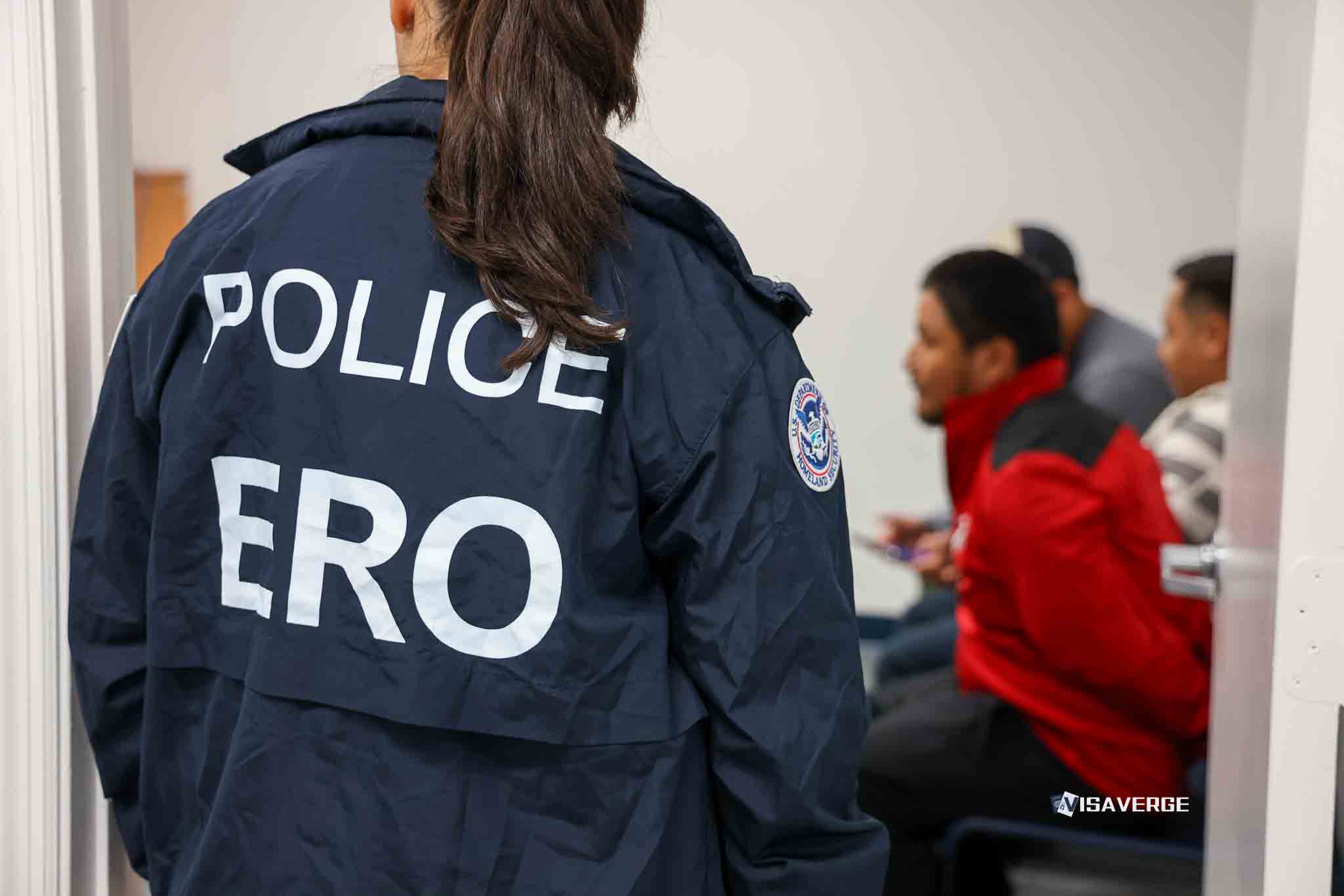
When Ricardo tried to return to Detroit, U.S. immigration authorities stopped him. Although he had legal status in the United States 🇺🇸, he was treated as someone trying to enter the country without proper inspection.
| India | China | ROW | |
|---|---|---|---|
| EB-1 | Apr 01, 2023 ▲31d | Apr 01, 2023 ▲31d | Current |
| EB-2 | Jul 15, 2014 ▲303d | Sep 01, 2021 | Current |
| EB-3 | Nov 15, 2013 | Jun 15, 2021 ▲45d | Jun 01, 2024 ▲244d |
| F-1 | May 01, 2017 ▲174d | May 01, 2017 ▲174d | May 01, 2017 ▲174d |
| F-2A | Feb 01, 2024 | Feb 01, 2024 | Feb 01, 2024 |
Detention: Moved Across States
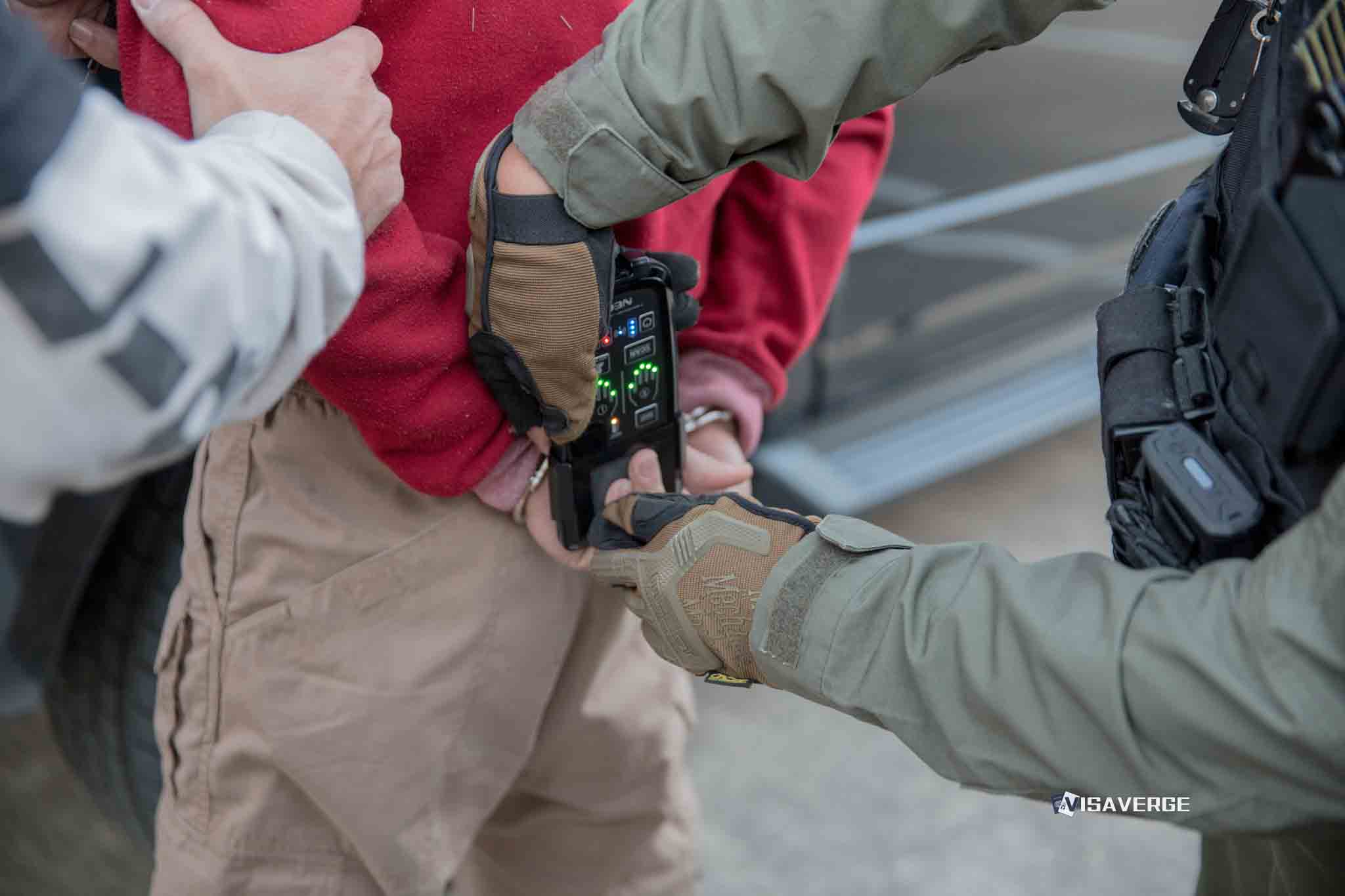
After being taken into custody at the border for allegedly trying to “re-enter” the country, the situation for Ricardo Prada Vásquez changed quickly. Even though he had been living legally in Detroit, he was taken to several different detention centers in a short period of time. He was first held at the Calhoun County Correctional Center in Michigan. From there, he was moved to an Immigration and Customs Enforcement (ICE) facility in Ohio and finally to El Valle Detention Facility in South Texas.
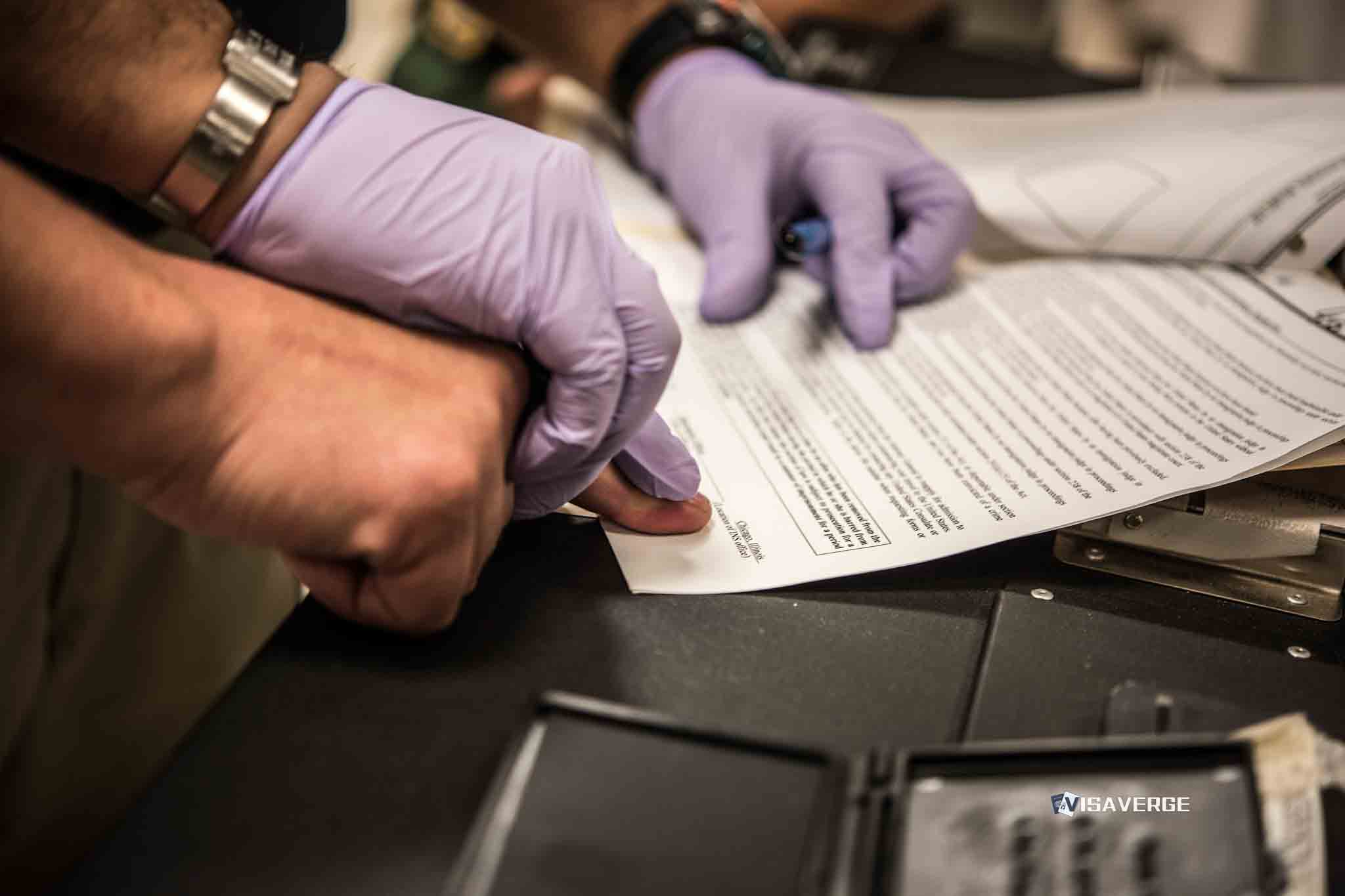
Moving immigrant detainees between multiple facilities is not unusual, but for Prada, the moves seemed quick and without clear reason. While being held, an immigration judge postponed his first removal hearing, which was meant to happen on February 3rd, to give him time to find an attorney. Unfortunately, Ricardo never managed to get a lawyer. When he appeared by video at his rescheduled hearing on February 27th, he was ordered deported. This is a common problem; securing an attorney while detained and moving between states is very hard, especially for those with limited resources or contacts nearby.
Secretive Deportation Flights
Ricardo’s experience after this hearing raises even more questions about transparency in the deportation process. On March 15th, while being held as part of the Trump administration’s campaign of fast and often secret deportations, Prada called a friend. He told this friend he was expecting to be sent back to Venezuela 🇻🇪, his home country. However, by the end of the same day, things had changed.
U.S. authorities later claimed that Ricardo Prada Vásquez was not sent to Venezuela 🇻🇪 but instead had been removed to El Salvador 🇸🇻. He was put on a flight with other migrants who were, according to officials, suspected (without any public evidence) of being members of criminal groups such as Tren de Aragua—a gang known in some parts of South America. These claims are strongly rejected by Ricardo’s friends and family, who insist there’s no evidence connecting him to any such group.
The flight carried the group from Texas to CECOT prison, a facility in El Salvador 🇸🇻 with a global reputation for harsh conditions. Many on the flight were said to be heading for this prison, but independent sources could not confirm who these individuals were, and official passenger lists were not made public.
Disappearance and Unanswered Questions
From March 15th on, Ricardo Prada Vásquez’s trail goes cold. He did not appear on any lists or in any photographs showing detainees held at the CECOT prison in El Salvador 🇸🇻. His family—including the mother of his son—lost all contact with him after his last phone call from detention. No U.S. or Salvadoran authority confirmed where he was.
This is not just an isolated story. Advocates and lawyers point out that dozens of migrants have “disappeared” under similar circumstances. Their names are missing from prison or detention center rosters. No government agency in either country seems to know—at least publicly—exactly where they are. Their families do not know if they are safe, if they have legal help, or what the next steps in their cases might be.
Such disappearances bring up serious questions about due process—the right to fair legal procedures—and about whether rules and court orders are actually being followed. Under American law, all people, regardless of their immigration status, are supposed to have the right to an immigration hearing and a chance to find legal representation.
Legal and Human Rights Concerns
In the United States 🇺🇸, it is a basic legal rule that anyone facing deportation has a right to know the charges against them, to get a fair hearing, and—if possible—to seek legal assistance. According to advocates for immigrants, what happened to Ricardo Prada Vásquez ignored these protections.
Many immigrant rights advocates and lawyers have spoken out, saying these deportation flights break federal court orders and long-standing rules. In some cases, judges have ruled that deportation flights must be stopped, or that migrants on flights already in the air must be brought back if new legal facts come up. But for Ricardo and many others, it seems these orders did not change their fate.
Groups speaking on behalf of immigrants have demanded that Ricardo Prada Vásquez’s whereabouts be confirmed and that he be returned so he can access the legal help and fair hearing he was denied. They say that disappearing people in this way violates fundamental principles of justice.
As reported by VisaVerge.com, these events have caused fear among many immigrants in the Detroit area and elsewhere in the United States 🇺🇸, especially those living close to border crossings or working jobs that require driving near international lines.
The Role of the Ambassador Bridge
Ricardo Prada Vásquez’s story also shows the real dangers that can come from simple mistakes near border crossings like the Ambassador Bridge. The bridge is a major point of travel between Detroit, United States 🇺🇸, and Windsor, Canada 🇨🇦. Its highway access roads are often described as confusing, full of quick turns, and lacking clear signs.
Attorneys and immigration advocates have said it is common for drivers—especially immigrants working as delivery drivers, taxi drivers, or other similar jobs—to wind up accidentally heading towards Canada 🇨🇦. Often, these drivers do not have the right paperwork to enter Canada 🇨🇦, but may not even realize they are about to cross an international border.
For U.S. citizens, a mistake at the bridge might simply result in a warning or minor paperwork as they turn around. For non-citizens—especially those with temporary visas or even green cards—the mistake can have frightening outcomes. Sometimes, as in Ricardo’s case, it means being treated as an “arriving alien” or “re-entry” case, opening the door to arrest, charging documents, and even deportation.
The Impact on Immigrant Communities
After Ricardo Prada Vásquez’s sudden disappearance, community groups and immigrant families have become deeply worried about the risks they face from minor navigation errors. In cities like Detroit—where major highways often lead to border crossings—many see themselves or their loved ones in Ricardo’s story.
Stories have come out of other immigrants who faced arrest, detention, or threats of deportation after similar mistakes. Families ask what would happen if it were them or their relatives, and often, they worry they may not be able to help or even locate their loved ones if something like this occurred.
Lawyers who work with Hispanic communities have said these events make people more afraid to seek help or report problems to officials. It deepens distrust in local and national authorities, especially when combined with reports that deportation flights continue despite court rulings to stop them.
What Needs to Change?
Cases like Ricardo Prada Vásquez’s have led lawyers and advocates to demand several changes in U.S. immigration enforcement:
- Clearer rules for handling accidental border crossings, especially at places like the Ambassador Bridge.
- Better training for border officers to recognize honest mistakes.
- Easier access to legal representation for detained immigrants, especially those moved far from home.
- Full transparency in deportation flights, including lists of passengers and public explanations for removal decisions.
- Strict adherence to court orders about stopping flights or bringing back migrants when new rulings occur.
By pushing for these reforms, immigrant advocates hope to prevent others from suffering the same fate as Ricardo Prada Vásquez.
Ongoing Concerns and Outlook
Despite increased focus on the story of Ricardo Prada Vásquez, serious questions remain. Is he safe? Where is he? Was he sent to CECOT prison as claimed by officials, or did something else happen? Will family, friends, and lawyers ever get answers?
These questions echo across the country, especially among immigrants who have to drive near border areas. The incident shows that even legal immigrants can find themselves trapped in a system that treats minor mistakes as serious crimes. Without changes to policies and more respect for legal rights, more families could face losses like those suffered by Ricardo’s loved ones.
For those looking for more information about the rights of immigrants and updates on major cases, the U.S. Citizenship and Immigration Services (USCIS) offers official guides and resources. You can find these at the USCIS official website.
Conclusion: Lessons from Ricardo Prada Vásquez’s Story
The deportation and disappearance of Ricardo Prada Vásquez after a wrong turn at the Ambassador Bridge stand as a warning to anyone who believes that honest mistakes are always forgiven. This case highlights real problems in how rules are set and followed at U.S. borders, especially for immigrants living legally in the country.
- A single navigation mistake led to Ricardo’s detention and eventual deportation, showing just how high the stakes are for non-citizens near international crossings.
- Being moved through several detention centers with little access to a lawyer made it nearly impossible for him to defend his rights.
- Secretive removal flights and a lack of open records left his family in the dark and unable to know his whereabouts.
- Calls for accountability, fair treatment, and transparent procedures are growing but have yet to produce real changes for people in Ricardo’s situation.
Until there are stronger protections, the story of Ricardo Prada Vásquez will remind many that in the complex world of immigration law, even those who do everything right can find themselves suddenly and unfairly cut off from the lives they worked hard to build. For updates and more immigration news, VisaVerge.com continues to follow these important cases.
For anyone concerned about their rights near major border crossings, or worried about deportation for themselves or family members, it’s important to stay informed and prepared. Mistakes like Ricardo’s should not lead to loss of freedom or separation from loved ones—a message that grows more urgent with each new story like his.
Learn Today
Ambassador Bridge → A major international bridge connecting Detroit, USA, with Windsor, Canada; known for confusing access roads affecting drivers near the border.
Deportation Flights → Secret or expedited government flights used to remove migrants from the U.S., often lacking transparency and public accountability.
Due Process → The constitutional right to fair legal procedures before being deprived of liberty, including hearings and access to counsel.
CECOT Prison → A high-security prison in El Salvador where some deported migrants are reportedly sent, known for harsh detention conditions.
ICE (Immigration and Customs Enforcement) → A U.S. federal agency responsible for immigration enforcement, detaining, and deporting non-citizens.
This Article in a Nutshell
A wrong turn onto Detroit’s Ambassador Bridge changed Ricardo Prada Vásquez’s life forever. Mistaken for someone illegally re-entering, he was detained, deported, and disappeared into secrecy. His story exposes gaps in U.S. immigration policy, the risks near border crossings, and ongoing demands for legal transparency and reform.
— By VisaVerge.com
Read more:
• German Teen Girls deported after backpacking trip ends in arrest in Hawaii
• Tom Homan defends using tattoos to assess deported migrants
• Kilmar Abrego Garcia deported despite due process concerns
• Australian traveler deported from U.S. losing $15,000 cruise
• El Salvador President Bukele refuses to return deported man