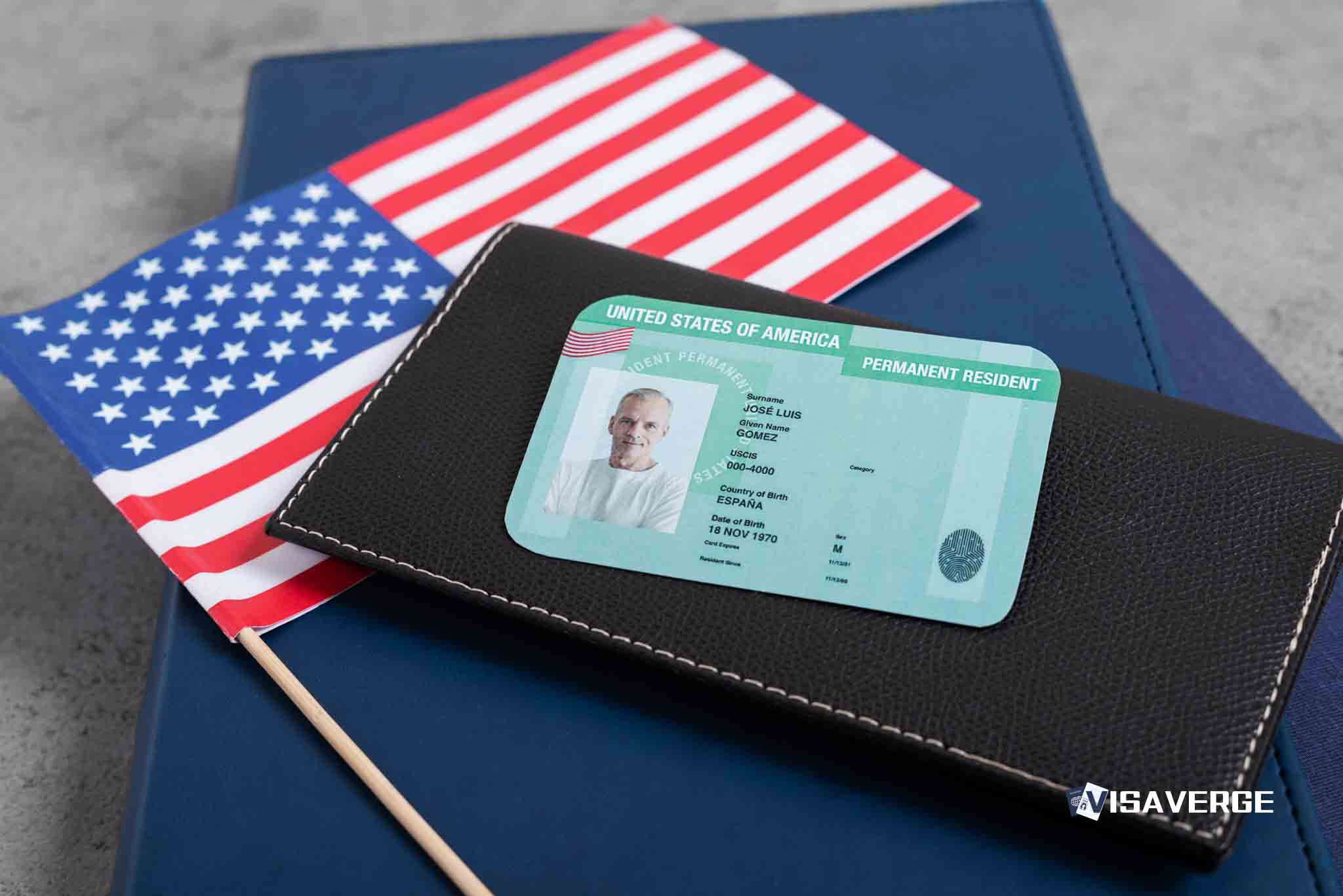
Oregon Health & Science University has issued a recruitment pause for foreign-born students, citing a new federal barrier that sharply raises the price of applying for Specialized Immigrant Visas. The change, effective as of October 21, 2025, follows a presidential proclamation that introduced a $100,000 application fee for specialized worker pathways — a cost shift that hits research hospitals and universities that depend on international talent.
OHSU’s move comes amid a wider tightening of U.S. immigration measures in 2025, including faster removals, blocks on asylum access at the southern border, and the end of several humanitarian parole programs. The decision reflects immediate pressure on academic pipelines and affects not just future students but also scientists and physicians who often enter on specialized tracks to fill urgent research and clinical needs. According to analysis by VisaVerge.com, the new barrier creates a chilling effect on recruitment efforts at institutions that rely on global hiring to sustain medical education and research.
OHSU’s Recruitment Pause and the New Cost Barrier
OHSU’s recruitment pause is a concrete response to rapidly rising costs and risks attached to Specialized Immigrant Visas. While institutions have weathered fee increases in the past, a $100,000-per-application price tag forces hard questions about budgets, timelines, and fairness for candidates.
Free toolUSCIS Receipt Number DecoderMany universities traditionally cover or share visa costs for specialized recruits. At this level, a single international hire could compete with funding for a lab, a fellowship, or several graduate stipends. The pause is therefore both a practical budgetary measure and a signal that the university is reassessing how to manage new risks without placing candidates in limbo.
These visa issues arrive in a year of broader immigration changes that reach far beyond higher education. Federal actions in 2025 include:
- Expedited removals
- Policies blocking access to asylum at the southern border
- Termination of several humanitarian parole programs
Together, these shifts have built a more restrictive environment for foreign nationals seeking to enter the United States for work or study. Higher education associations warn that steep fees and tighter screening will reduce the flow of international talent and hurt local economies that benefit from research grants, startups, and the healthcare workforce. VisaVerge.com reports that the new environment creates real uncertainty for students weighing offers from U.S. programs, especially when rival countries promote easier, cheaper entry paths.
For OHSU, the recruitment pause also buys time for administrators to:
- Consult legal counsel and immigration experts.
- Review departmental and institutional budgets.
- Adjust program timelines and hiring plans while the specialized visa cost barrier remains in place.
Ripple Effects for Students, Scientists, and Oregon’s Health System
The impact stretches well beyond admissions offices. A sustained recruitment pause can ripple across training programs, research labs, and clinical teams:
- Graduate programs could see fewer international students in the next intake, reducing diversity and the skill mix within labs.
- Physician and scientist hiring could slow, affecting clinical innovation and specialty care that rely on hard-to-find expertise.
- Research timelines might extend if labs cannot bring in key team members with rare skills or language abilities tied to specific populations.
The broader context adds pressure. International student arrivals have already fallen due to paused visa interviews and travel bans affecting certain countries. Delays and tighter vetting by the U.S. Department of State compound the challenge, and some applicants will likely redirect to other destinations rather than wait.
Students and scholars face concrete uncertainties:
- A medical student abroad who planned a clinical research track in Portland might now face a yearlong delay or opt for another country.
- A postdoctoral scientist with a pending offer could find a lab unable to absorb the sudden, high visa cost.
- Families may need to rethink housing, schooling, and savings plans tied to a move to the United States — plans often made months in advance.
OHSU’s Office of International Affairs remains a key contact point for current students and scholars, offering support on immigration and visa questions. The office can clarify how the recruitment pause affects specific programs and what steps current international students should take to maintain status. For official information on visas and interview rules, consult the U.S. Department of State’s main visa resource at the U.S. Department of State – Visas.
Long-term Research and Operational Consequences
The policy shift raises long-term questions for research hospitals that host internationally funded projects requiring seamless movement of specialists. When the price of Specialized Immigrant Visas rises dramatically, institutions may:
- Scale back projects that depend on hard-to-recruit talent.
- Redirect funding toward domestic hires who may not have the same niche skills.
- Alter research priorities over time, potentially slowing progress in fields like oncology, immunology, or population health.
Employers and universities are watching for clarifications from federal agencies on implementation details and timelines tied to the proclamation. Budgeting for visa costs is now a major operational concern, forcing departments to weigh whether to pause hiring or reduce the number of international candidates they consider.
This is not just a financial question — it affects planning for:
- Start dates
- Grant deadlines
- Patient care continuity while recruitment slows
At the regional level, Oregon’s healthcare system could feel the strain if specialized hires stall. Teaching hospitals act as training hubs, referral centers, and research engines. When recruitment pauses take hold, effects can appear across:
- Residency programs
- Specialty clinics
- Community outreach projects
For a state relying on a mix of local and global talent to meet healthcare needs, a prolonged slowdown could affect both rural and urban communities.
Advocacy, Practical Guidance, and Next Steps
Advocacy groups in higher education have urged policymakers to reconsider the cost structure, warning it could undercut the country’s role as a destination for top students and researchers. Their arguments include:
- International graduates often remain to work in critical fields, pay taxes, and create jobs.
- These economic and social benefits argue against forcing universities to choose between financial stability and openness to global talent.
Practical on-the-ground advice for affected individuals and groups:
- Check OHSU’s international affairs guidance regularly for updates tied to the recruitment pause.
- If you are a current international student or scholar, keep your documents valid and watch for communication from your program.
- If you are a prospective applicant, review timelines with your department and ask about alternative start dates or deferrals while the $100,000 fee remains in effect.
Key takeaway: The immigration landscape in 2025 is changing quickly. OHSU’s decision mirrors a national recalibration. Institutions, students, and employers will continue to adjust plans while weighing the high stakes for medical training, research, and patient care.
This Article in a Nutshell
OHSU announced a recruitment pause for foreign-born students and specialized hires effective October 21, 2025, after a presidential proclamation imposed a $100,000 application fee for Specialized Immigrant Visas. The drastic fee increase threatens university budgets and could force institutions to delay or cancel international hires, affecting graduate programs, research labs, and clinical teams. This move occurs amid broader 2025 immigration changes—expedited removals, asylum access limits, and terminated humanitarian parole programs—that together create uncertainty for international applicants. OHSU plans to consult legal experts, review budgets, and adjust timelines while urging affected individuals to monitor guidance from its Office of International Affairs and the U.S. Department of State.