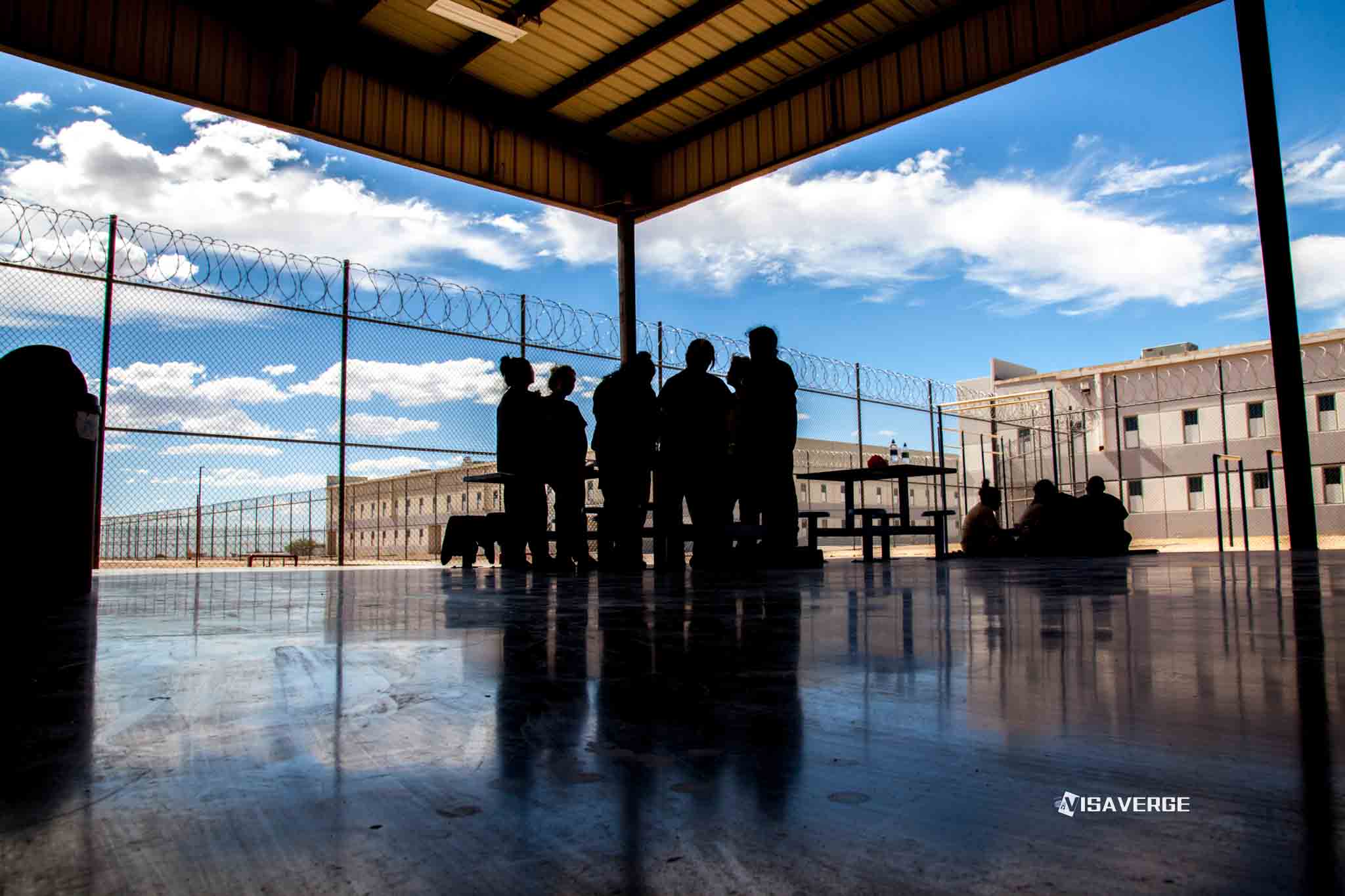
- The Fifth Circuit ruling eliminates bond eligibility for many interior-arrested noncitizens transferred to Texas.
- Classification as ‘applicants for admission’ triggers mandatory detention under INA 235 without judge review.
- Minnesota families face a jurisdictional trap when detainees are moved from Eighth to Fifth Circuit custody.
Fifth Circuit detention holding: why a transfer to Texas can erase bond options
A February 6, 2026 decision by the U.S. Court of Appeals for the Fifth Circuit (Texas, Louisiana, Mississippi) materially changed detention outcomes for certain noncitizens arrested in the U.S. interior and then transferred into Fifth Circuit custody. In practical terms, the ruling allows the government, in many cases, to treat people who entered without inspection as “applicants for admission” subject to mandatory detention under INA § 235(b)(2) (8 U.S.C. § 1225(b)(2)). That classification typically eliminates the immigration judge bond hearing many detainees would otherwise seek under INA § 236 (8 U.S.C. § 1226).
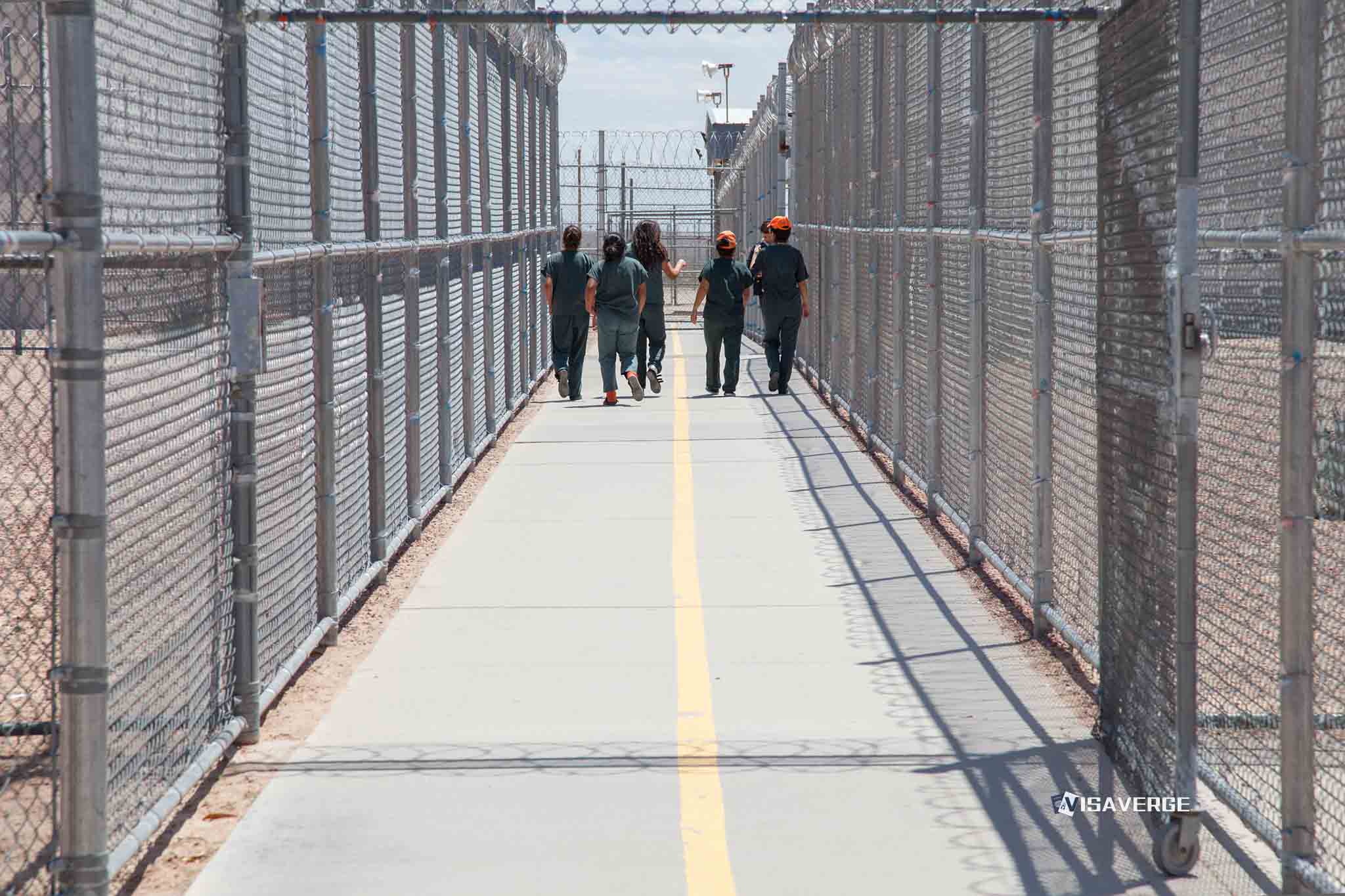
The classification question is not academic. It is often the difference between (1) a prompt bond hearing where the person can argue for release, versus (2) detention that continues while removal proceedings move forward, with fewer release mechanisms. The Fifth Circuit majority summarized its view bluntly, stating that “unadmitted aliens apprehended anywhere in the United States are ineligible for release on bond,” regardless of how long they lived here.
For Minnesota-based families, the practical impact turns on geography and timing. An interior arrest in Minnesota followed by a quick transfer to Texas detention can move the case into a jurisdiction where the detention statute is read more strictly. That shift can narrow bond eligibility and complicate emergency litigation. The result is often a higher risk of prolonged detention while the merits case proceeds.
Free toolUSCIS Receipt Number DecoderWarning: Bond eligibility can turn on how DHS classifies the person (INA § 236 vs. INA § 235) and where the person is detained. Transfers can change both quickly.
This article is general information. The controlling law can depend on posture, custody location, and which court is reviewing a challenge. Counsel should evaluate the record, charging documents, and custody paperwork.
Operation Metro Surge and the Minnesota-to-Texas transfer pipeline
Reporting around Operation Metro Surge describes a Minnesota enforcement push that led to arrests in Minnesota and subsequent transfers to Texas detention facilities. The legal consequence is that a detainee’s immediate options often shift after transfer. In Minnesota, detainees and counsel may attempt to litigate detention issues in a setting influenced by Eighth Circuit practice and Minnesota district court orders. After transfer to Texas, detention challenges are more likely to be litigated where the person is confined, and Fifth Circuit precedent can become the dominant constraint.
The “jurisdictional trap” concern is straightforward. Many detention challenges proceed through habeas-type filings or emergency requests tied to the place of custody and the local federal court’s authority over custodians. Once the person is physically moved, the forum may change, the timeline tightens, and the governing circuit law may change. That can affect bond arguments, requests for injunctive relief, and even basic attorney access.
In this context, who is most affected is a fairly specific set of people. Applies to (summary): the people covered are those arrested in Minnesota in connection with Metro Surge-type operations, then transferred to Texas (Fifth Circuit) custody, especially where DHS asserts they entered without inspection and treats them as applicants for admission under INA § 235(b)(2).
Even when a detainee is eventually placed in removal proceedings before EOIR, the detention statute still matters day-to-day. Bond motions, parole requests, custody redeterminations, and emergency court filings all depend on which authority DHS invokes and what the reviewing court will accept.
Operation PARRIS: refugee reverification and how it can intersect with enforcement
Separate from the Fifth Circuit detention dispute, Minnesota is also the focal point of a USCIS/DHS integrity initiative called Operation PARRIS (“Post-Admission Refugee Reverification and Integrity Strengthening”). Public descriptions frame the effort as reverification and fraud detection, not as a presumption that refugees are ineligible. Even so, reverification programs can create real-world immigration risk when records are incomplete, names and dates differ across documents, or prior eligibility facts are questioned.
The announced Minnesota focus has included refugees who have not yet adjusted to lawful permanent resident status. That status detail matters because adjustment is a separate process with its own eligibility requirements and discretionary components. A reverification inquiry may lead to requests for evidence, interviews, or administrative follow-up. In some cases, it can also lead to referrals between agencies, although outcomes vary and are highly fact-specific.
It is also important to separate agency roles. USCIS typically conducts benefits adjudications and related review activity. ICE handles enforcement and detention decisions. The two systems can intersect through information sharing and referrals, but they are not the same process. A person can face a USCIS inquiry without immediate enforcement action, and vice versa.
Warning: If you receive a USCIS notice tied to reverification or fraud screening, do not ignore it. Deadlines and document requests can affect future eligibility.
Official messaging versus the legal standards that control custody and bond
Federal officials publicly framed Minnesota operations in public-safety and cooperation terms, including statements about “sanctuary” politics and arrest totals. Those themes may shape public understanding, but they do not determine the legal detention framework that governs an individual case.
What controls bond access is more technical. The key questions often include: Is DHS asserting INA § 236 custody authority (where bond is commonly litigated), or INA § 235(b)(2) authority (where bond is often foreclosed)? Is the person treated as an “arriving alien” or “applicant for admission” even though the arrest occurred in the interior? And which circuit’s precedent will the reviewing court apply?
The Fifth Circuit ruling matters because it endorses a broader view of who may be placed in the INA § 235 bucket after an interior arrest. That can make generalized public statements feel less relevant than the paperwork served in custody, including the Notice to Appear, I-213, custody determination, and any internal classification DHS relies on.
Legal barriers and conditions: timing, counsel access, and transfer limits
Minnesota federal litigation described court-ordered safeguards aimed at ensuring rapid access to counsel and limiting immediate out-of-state transfers. As summarized in reporting, U.S. District Judge Nancy Brasel ordered DHS to provide private attorney access within a short period after detention and restricted out-of-state transfers for an initial window. These types of orders are often enforced through specific case facts and proof of noncompliance, not by assumption.
The practical barrier is that transfer decisions can happen fast, sometimes before family members locate the detainee or retain counsel. Rapid moves can also disrupt medical care, childcare planning, and employment. They can complicate gathering identity documents and proof of long-term U.S. residence. Those documents may later matter for relief, prosecutorial discretion requests, or custody-related filings.
Reports also raised detention-condition concerns such as overcrowding and limited communication. Those claims are typically litigated through counsel with declarations, facility records, and case-specific evidence. Courts tend to require concrete proof tied to a person’s experience.
Deadline risk: If a transfer is imminent, emergency filings may need to be prepared within hours, not days. Families should collect paperwork and retain counsel as early as possible.
On the legal side, detainees and counsel may consider several touchpoints depending on posture: requests to prevent transfer, challenges to counsel-access limitations, arguments about the correct detention statute, and federal-court litigation where appropriate. The key constraint is jurisdiction. Once the person is confined in Texas, Fifth Circuit precedent can shape what arguments are likely to succeed.
The detention-law backdrop: why “applicant for admission” is decisive
The government’s ability to deny bond often rises or falls on whether the person is treated as subject to INA § 235(b)(2) rather than INA § 236(a). Under § 236(a), many detainees can request an immigration judge bond hearing (with exceptions, including mandatory detention categories in INA § 236(c)). Under § 235(b)(2), detention is generally mandatory “pending a proceeding” to determine admissibility.
BIA and Attorney General precedent has long treated certain categories as outside immigration judge bond authority. One frequently cited decision is Matter of M-S-, 27 I&N Dec. 509 (AG 2019), which concluded that many asylum seekers placed in expedited removal who establish a credible fear and are then placed in full removal proceedings are not eligible for bond under INA § 236(a), and instead must seek parole. While fact patterns vary, the case illustrates the core theme: once DHS and the courts accept a § 235 framework, bond options often shrink dramatically.
The Fifth Circuit’s February 6, 2026 ruling extends that theme into the interior-arrest context for people who entered without inspection, at least within that circuit. The dissent (in a 2-1 decision) signals the issue is contested. That matters because contested legal questions can produce different outcomes in other circuits or in future Supreme Court review.
Circuit variability and future case strategy
Outside the Fifth Circuit, some courts have been more receptive to arguments that long-resident interior arrestees should be treated under INA § 236 rather than INA § 235, especially where due process concerns are raised. Minnesota’s litigation activity reflects that pressure point, even if a transfer later changes the forum.
For future cases, the likely strategic emphasis will shift to speed and documentation. If counsel can act before a transfer, they may have more options to seek local court oversight, preserve attorney access, and contest statutory classification. After transfer, counsel may pivot to Fifth Circuit-compliant arguments, parole requests where available, and merits-defense acceleration to reduce detention time.
Official sources to verify claims and track updates
When detention rules are shifting, readers should distinguish between (1) binding legal sources and (2) informative announcements. Court orders and dockets control what is enforceable in a given case. Statutes and regulations control baseline authority. Press releases provide context and agency framing, but do not substitute for custody paperwork and court rulings.
For the Minnesota operations and related federal statements, the most relevant official releases (titles and dates verbatim) include: “DHS: Arrests of Criminal Illegal Aliens in Minnesota (Feb 3, 2026)”, “DHS: Operation Metro Surge Marks 3,000 Arrests (Jan 19, 2026)”, and “USCIS: Launch of Operation PARRIS in Minnesota (Jan 9, 2026)”. Readers should save dated copies of these materials because webpages can change.
You can also monitor detention location through ICE’s locator, and track EOIR case information where available through EOIR’s official channels at justice.gov/eoir. Verification steps often matter in emergency filings.
Practical takeaway: Ask counsel to obtain and review the custody authority cited by DHS. The statute cited can control bond access more than the arrest location.
Bottom line for Minnesota families facing Texas detention
The Fifth Circuit’s February 6, 2026 holding makes a Minnesota-to-Texas transfer more than a logistical disruption. It can be a legal inflection point that narrows bond pathways by shifting detainees into a mandatory-detention framework under INA § 235(b)(2). Families should treat early hours after arrest as critical for securing counsel, gathering documents, and preserving evidence of residence, equities, and medical needs. Given the pace of transfers and the circuit-specific nature of detention law, individualized legal advice is essential.
⚖️ Legal Disclaimer: This article provides general information about immigration law and is not legal advice. Immigration cases are highly fact-specific, and laws vary by jurisdiction. Consult a qualified immigration attorney for advice about your specific situation.
- AILA Lawyer Referral