- DHS and USCIS launched two major enforcement operations in Minnesota starting January 2026.
- Operation PARRIS targets refugee file re-examinations to investigate potential fraud and status eligibility.
- Minnesota and the Twin Cities filed a constitutional lawsuit to challenge the federal surge.
(twin cities, MINNESOTA) — A major federal immigration push expanded in Minnesota in early january 2026, with USCIS and DHS announcing two named initiatives—Operation PARRIS and Operation Metro Surge—that became operational this month and immediately changed the enforcement climate for refugees, mixed-status families, and the organizations that support them.
The most concrete “change” is the announced re-examination of refugee cases tied to a specific uscis program label. USCIS described Operation PARRIS (Post-admission refugee reverification and integrity strengthening) as beginning January 9, 2026, with a focus on reviewing refugee files of people who have not yet obtained lawful permanent residence.
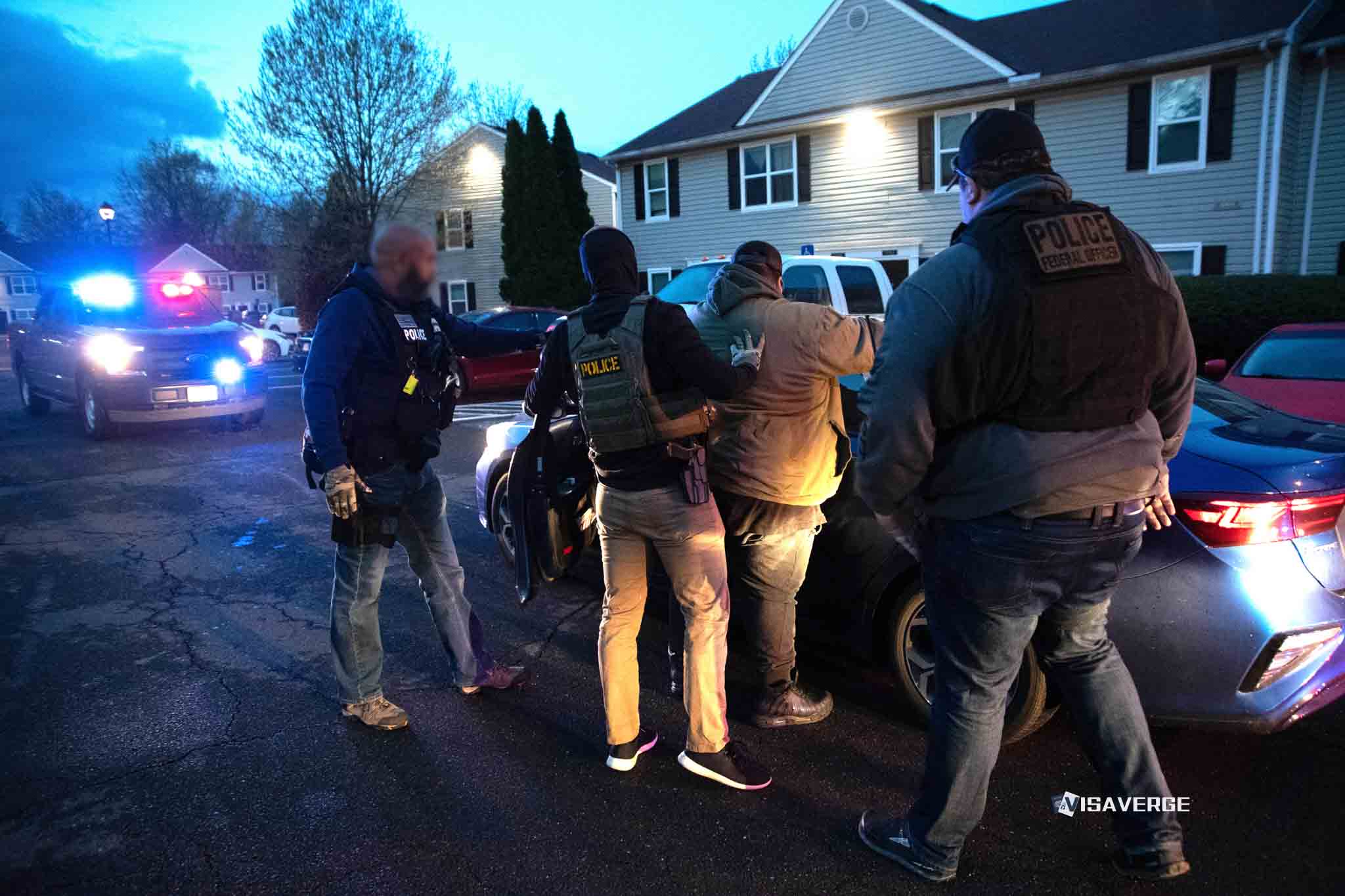
Separately, DHS described Operation Metro Surge as a large-scale deployment into the Minneapolis–St. Paul area, with a public warning on January 13, 2026 that interference with agents could lead to prosecution. Official statements are being disseminated through DHS public communications and media outlets quoting agency spokespersons; readers should treat only the agency’s own publications and filed court records as primary documentation.
Overview and context: what is happening in January 2026
Unlike many localized ICE “surges” that attract episodic attention, the January 2026 Twin Cities campaign drew unusual, sustained response from Minnesota faith communities. Pastors, congregants, and interfaith coalitions have mobilized as an organizing and support network.
They are offering accompaniment, documentation, and immediate community care. That support can be meaningful. It is not a substitute for individualized legal advice or formal representation.
The two named efforts appear to operate on different tracks. Operation Metro Surge reflects a field-enforcement posture involving multiple DHS components. Operation PARRIS is framed as a USCIS-led integrity review related to refugees’ post-admission processing, including steps that often precede a green card application.
Official statements and key policy details
Operation PARRIS is described as a post-admission “reverification” initiative. In practice, that framing matters because refugees often pursue permanent residence after admission through the statutory pathway at INA § 209 and related regulations, including 8 C.F.R. § 209.1.
A “re-examination” may involve re-checking identity, claimed facts, or alleged fraud indicators that could affect eligibility. It may also generate referrals for enforcement action in some cases. The public record so far does not clearly identify notice procedures, review criteria, or appeal pathways.
Operation Metro Surge is described by federal officials as exceptionally large, with a multi-agency footprint involving ICE and other DHS components. DHS has also publicly emphasized enforcement authority and consequences for obstruction or assault.
Readers should separate confirmed facts from unclear claims. Confirmed items include that DHS has described a significant deployment and that DHS has issued public warnings about interference. Still unclear are the precise targeting criteria, the ratio of administrative arrests to criminal warrants, and the planned duration.
A key practical point is agency role separation. USCIS adjudicates benefits and conducts certain interviews and fraud detection. ICE enforces removal laws and may arrest. CBP usually focuses on border and ports, but personnel can be deployed. HSI investigates criminal and transnational matters.
Overlapping involvement can complicate questions about who is requesting documents and why. DHS and allied public materials also contain large numeric claims about staffing and arrests. Those figures are best read as broad ranges rather than precise counts, and should be cross-checked against DHS’s own newsroom posts and filed declarations.
Do not assume a person is “safe” because they have refugee status, a pending benefit, or prior work authorization. Eligibility and enforcement risk can change quickly based on allegations of inadmissibility or fraud.
Faith community resistance tactics: what they are—and what they aren’t
Faith communities in the Twin Cities have described several approaches intended to reduce panic and improve situational awareness.
- Movement chaplains—often clergy in identifiable clothing—provide spiritual care, attempt de-escalation, and accompany community members at demonstrations. This is generally a support role, not legal representation.
- “Stumble Stone” signage has also appeared. Our Saviour’s Lutheran Church, for example, has reportedly placed snow-embedded markers where ICE detentions occurred. The intent is public witness and memorialization, not interference.
- Active observation and alerting, including whistles or air horns when enforcement vehicles enter neighborhoods. While observation in public spaces is often lawful, actions that impede agents, direct others to evade arrest, or escalate confrontations can create criminal exposure. The line between “watching” and “obstructing” is fact-specific and can vary by jurisdiction.
- Sanctuary spaces and mutual-aid support, including transportation assistance. These efforts may reduce isolation and help families reach school, work, or medical care, but they do not stop federal authority and can carry legal risks if they cross into harboring or concealment allegations.
“Know your rights” scripts can help reduce fear, but they are not one-size-fits-all. People with prior orders, criminal histories, or pending fraud allegations need individualized counsel.
Significance and impact: why this moment feels different
Reporting around Operation PARRIS suggests a perceived shift from a primary focus on criminal histories to revisiting the facts behind refugee admissions and downstream status outcomes. Without speculating on the merits of any individual file, refugees and asylees should recognize that fraud and misrepresentation allegations can trigger serious consequences.
Consequences can include potential removal charges under INA § 237(a) and benefit denials. Some findings can also affect naturalization eligibility later.
Community anxiety has been amplified by the Jan. 7, 2026 fatal shooting of Renee Macklin Good during an ICE traffic stop, as reported. Faith leaders describe a chilling effect: missed appointments, reluctance to travel, and families staying home. Those reactions can carry legal costs.
Missing an immigration court hearing can lead to an in absentia removal order under INA § 240(b)(5). Missing a USCIS interview can lead to denial.
If you have immigration court, prioritize attendance. If you cannot attend, speak with counsel immediately about continuances and documented emergencies.
Legal posture and litigation: what the Minnesota lawsuit signals
Minnesota, Minneapolis, and St. Paul filed suit on January 12, 2026, Minnesota v. Noem et al., No. 0:26-cv-00190 (D. Minn. filed Jan. 12, 2026), alleging constitutional violations tied to the surge, including a Tenth Amendment theory.
Lawsuits like this typically seek declaratory relief, injunctions, and limits on state or local cooperation demands. They may also seek records that clarify operational directives.
Readers should temper expectations. Filing a complaint does not itself stop enforcement. Early stages often involve requests for temporary restraining orders, briefing schedules, and jurisdictional disputes. Any injunction would likely be narrow, heavily litigated, and potentially appealed.
Official government sources & documentation (How to verify claims)
For primary-source verification, start with: (1) the federal court docket and filings in 0:26-cv-00190, (2) city and state press releases, and (3) DHS newsroom posts. DHS’s newsroom is an official repository for statements and operational summaries.
USCIS webpages and policy materials can help confirm what the agency is formally calling an initiative, and what legal authorities it cites. When verifying, look for dates, named programs, geographic scope, and definitions.
Save PDFs, screenshots, and timestamps. Public webpages can change without notice. If an officer or agent makes a claim about authority, note the agency, name, and any paperwork served.
Recommended actions (next 7–14 days): If you are a refugee with pending adjustment, gather copies of your I‑94, travel history, prior applications, and any USCIS notices. If approached by enforcement, ask for identification and any warrant, and contact counsel quickly.
Resources
- DHS Newsroom: DHS Newsroom
- EOIR Immigration Court information: EOIR
- USCIS: USCIS
- AILA Lawyer Referral: AILA Lawyer Referral
This article provides general information about immigration law and is not legal advice. Immigration cases are highly fact-specific, and laws vary by jurisdiction. Consult a qualified immigration attorney for advice about your specific situation.
Federal authorities launched Operations PARRIS and Metro Surge in Minnesota in early 2026, targeting refugee status verification and general immigration enforcement. These initiatives have sparked significant pushback from faith-based networks and prompted a major lawsuit from the State of Minnesota. Residents are advised to maintain documentation and seek legal counsel as the legal and operational landscape continues to shift rapidly under these new federal mandates.