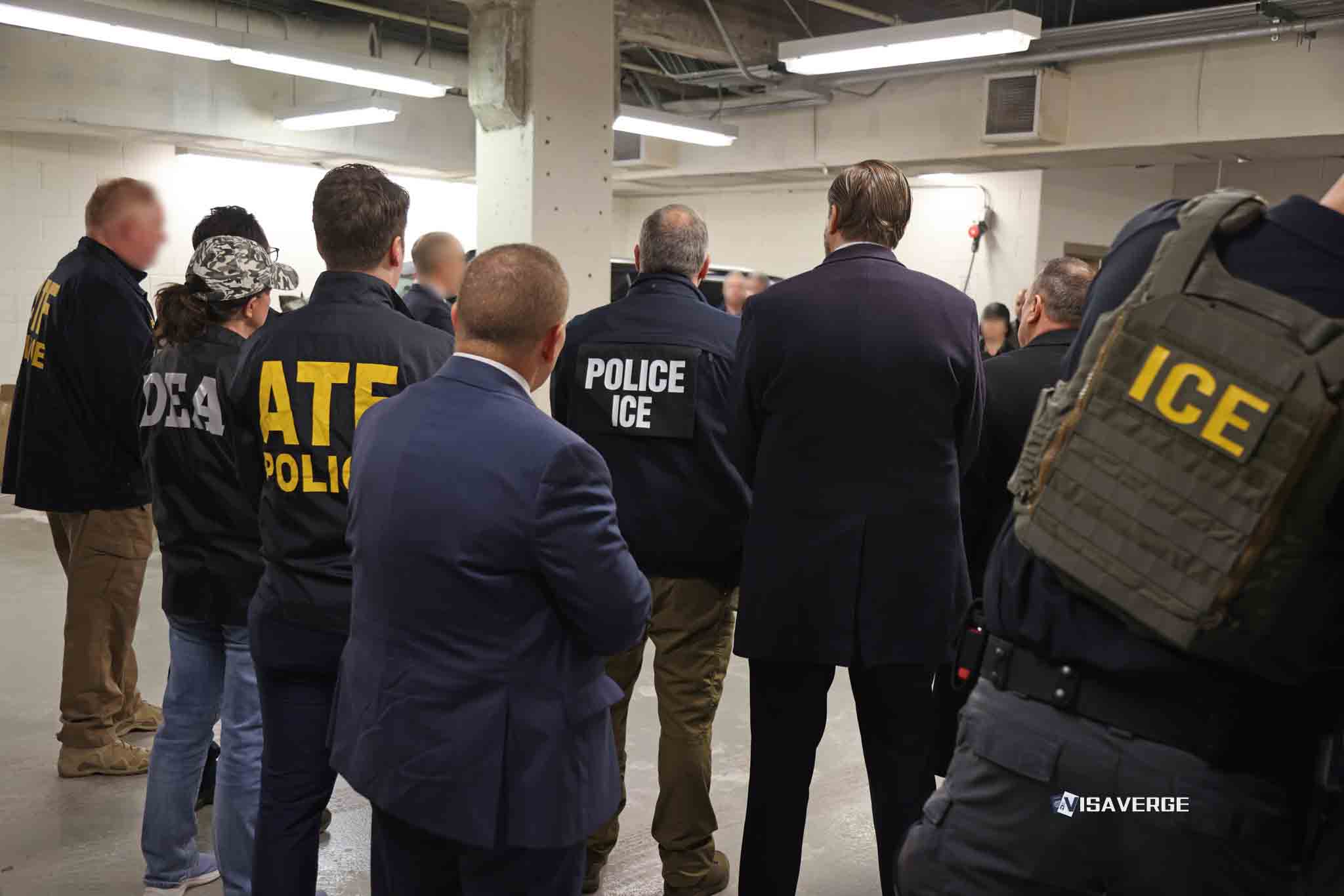
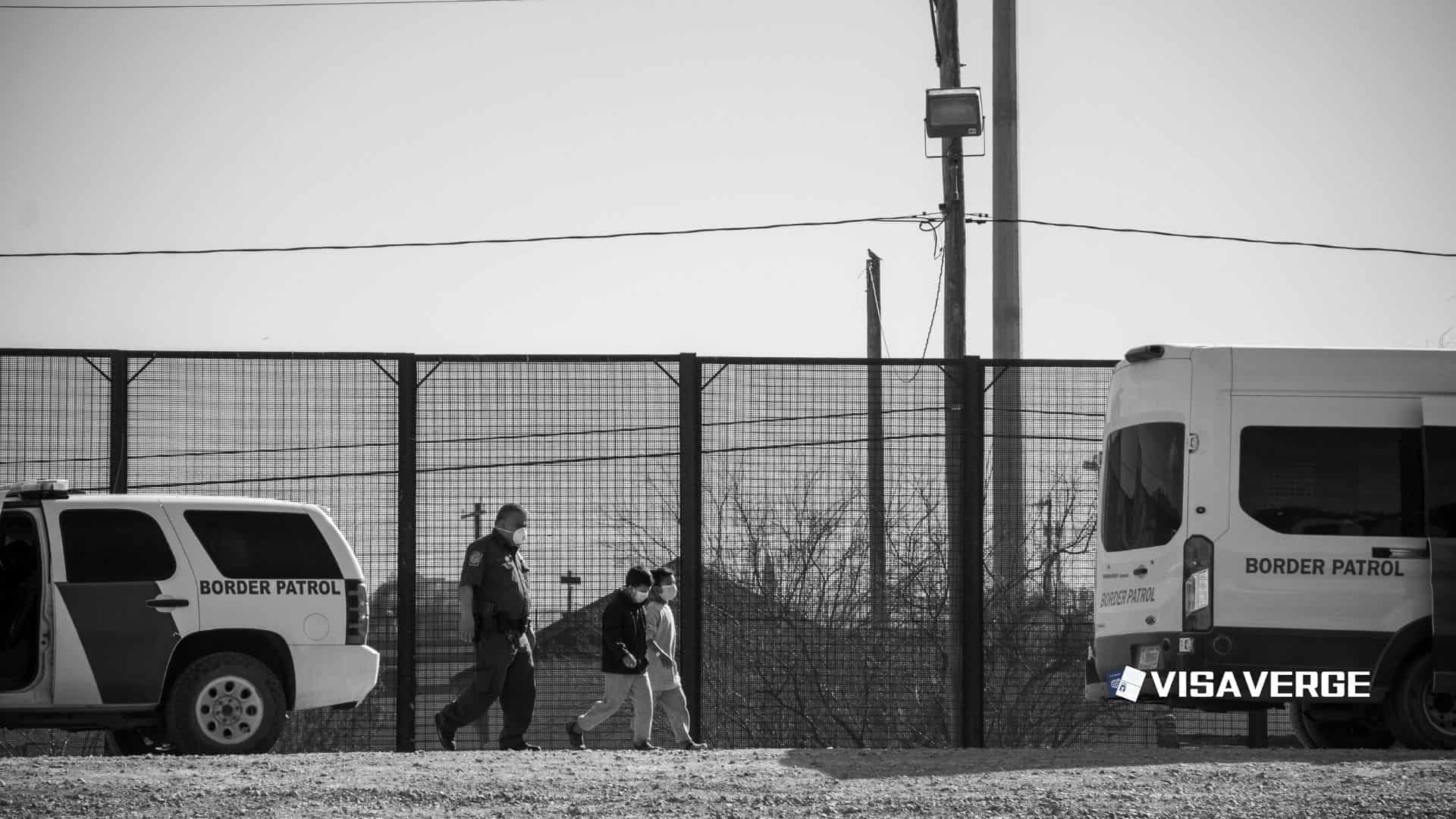
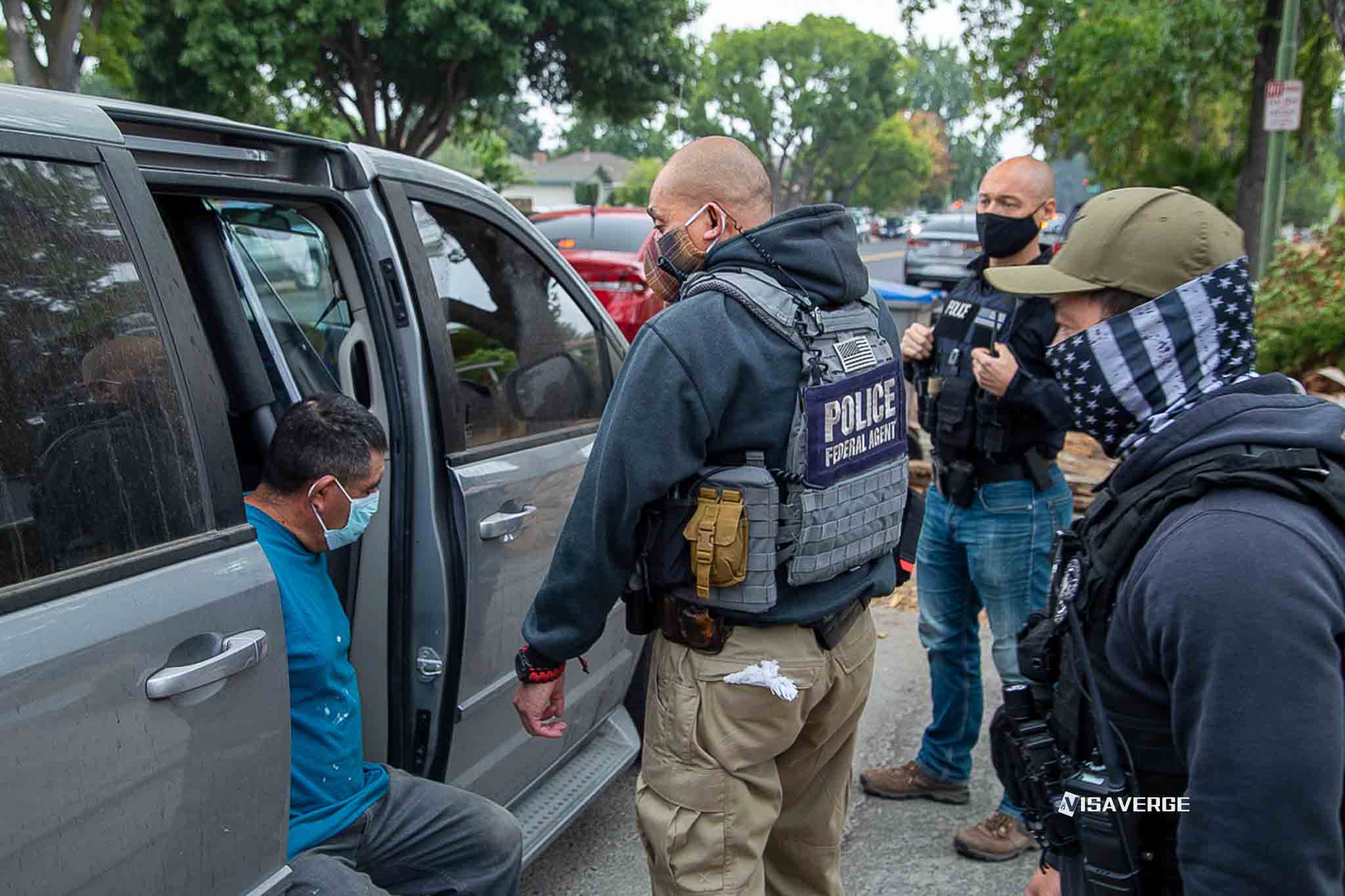
(U.S.) Federal immigration authorities announce a major shift meant to protect crime victims from deportations, but fear and confusion still shape daily life for many immigrant survivors. Advocates welcome the change yet warn gaps remain on the ground.
On June 10, 2025, U.S. Immigration and Customs Enforcement (ICE) released a new directive instructing officers to stop most arrests and deportations of undocumented immigrants who are crime victims. Acting ICE Director Tae Johnson says the move aims to build trust so victims feel safe reporting crimes and helping police. The policy applies even when victims haven’t filed for protections yet, though ICE can still act in “exceptional circumstances,” such as national security threats or other serious criminal conduct.
Free toolI-94 Expiration Calculator Online
What the ICE policy does right now
- ICE officers are instructed to use prosecutorial discretion, deciding not to arrest or deport certain people to protect crime victims with pending or approved victim-based cases.
- This covers U visas (for victims of certain crimes), T visas (for trafficking victims), and VAWA self-petitions (for survivors of domestic violence).
- Enforcement is generally paused while U.S. Citizenship and Immigration Services (USCIS) reviews a victim’s paperwork.
- The policy builds on Directive 11005.3, first issued in December 2021 and reaffirmed in 2025, with the goal of letting victims speak to police, go to court, and pursue immigration cases without fear.
- ICE also says it will guide victims to resources.
“There’s a real gap between policy words and daily reality,” one advocate noted, pointing to uneven enforcement and long waits.
Concerns and realities on the ground
Despite the policy, many survivors still avoid help. A June 18, 2025 report from the Alliance for Immigrant Survivors (AIS) found fear of deportation remains strong. Advocates report abusers exploit that fear—telling victims to stay quiet or risk removal—which keeps families in danger and many cases unsolved.
Additional pressures:
- President Trump signed the “One Big Beautiful Bill Act” on July 4, 2025, expanding detention funding through 2029.
- The law allocates $45 billion into detention and enforcement, including family detention and longer holds for children.
- Critics warn this buildup increases detention risks for people who should be protected, including crime victims awaiting visas.
- Court and detention center cases show some asylum seekers and crime victims still face prolonged detention despite strong claims. One 2025 case involved an asylum seeker held despite a court win, showing procedural breakdowns.
How this affects crime victims today
- If you have a pending or approved U, T, or VAWA petition, ICE generally should not deport you while USCIS decides your case.
- The aim is to let you report crimes, testify, and rebuild safety with less fear.
- Exceptions remain for national security or serious criminal concerns—arrests or deportations can still occur in those situations.
- Many survivors still don’t trust law enforcement or immigration agencies, which limits the policy’s reach in practice.
Step-by-step path for crime victims
- Report the crime to police or appropriate authorities. If possible, ask for a report number and the officer’s name.
- Consider filing for a victim-based immigration benefit:
- U visa: for victims of certain crimes who help police. Start with Form I-918. USCIS may require a law enforcement certification (Form I-918, Supplement B).
- T visa: for trafficking victims who meet specific rules and cooperate as needed. Use Form I-914.
- VAWA self-petition: for spouses, children, or parents abused by a U.S. citizen or lawful permanent resident. File Form I-360.
- While your case is pending, ICE should generally pause enforcement under its victim-centered policy.
- USCIS reviews your application and decides. If approved, you may receive work permission and temporary status.
- If denied, you may face renewed enforcement risk unless you qualify for other protections.
- Remember: ICE can still act in exceptional cases involving national security or serious crimes.
Links to forms and official guidance
- U visa (Form I-918): https://www.uscis.gov/i-918
- U visa Certification (Form I-918, Supplement B): https://www.uscis.gov/i-918
- T visa (Form I-914): https://www.uscis.gov/i-914
- VAWA self-petition (Form I-360): https://www.uscis.gov/i-360
- Department of Homeland Security — Immigration options for victims of crime: https://www.dhs.gov/immigration-options-victims-crime
Why the fear persists
- Long processing times: U, T, and VAWA cases can take years, leaving families in limbo and causing ongoing stress.
- Uneven enforcement: Field offices apply discretion differently, feeding distrust even with the ICE policy.
- Detention buildout: Expanded funding and beds can bring more people into the system, including some who should be shielded as crime victims.
- Misinformation: Abusers spread lies to maintain control; survivors may not know they can seek help without immediate deportation risk.
What officials and advocates say
- ICE leadership frames the policy as a public safety tool: when crime victims feel safe, more crimes get solved and communities become safer.
- AIS and other groups say the policy is a start but call for stronger guardrails, faster case processing, and accountability to make the promise real.
- As reported by VisaVerge.com, clear communication from ICE and USCIS can be decisive in whether a survivor comes forward or stays silent.
Practical tips for survivors and supporters
- Keep copies of police reports, medical records, court orders, and any proof of abuse or trafficking. These support U, T, or VAWA filings.
- If safe, talk to a trusted legal provider. Many nonprofits offer low-cost or free help.
- Ask law enforcement about a U visa certification early. A signed Supplement B can strengthen a U case.
- If ICE contacts you, tell them you’re a crime victim and have applied (or plan to apply) for a U, T, or VAWA case. Keep your receipt notices handy.
- Update your address with USCIS so you don’t miss mail about your case.
Stakeholders to know
- ICE and DHS: set and enforce the policy.
- USCIS: reviews applications and decides cases.
- Local police and prosecutors: participate in U visa certifications and criminal case cooperation.
- Immigration lawyers and advocates: help survivors file strong cases and navigate court.
What to watch in the months ahead
- How ICE trains field offices on the June 2025 policy and monitors compliance.
- Whether USCIS speeds up victim-based cases to reduce years-long waits.
- The real-world effect of the detention expansion through 2029 on crime victims and families.
- Court rulings that could change enforcement or case processing timelines.
Key takeaway: Most deportations of crime victims are paused under current ICE policy, but exceptions exist, and policy promises must be backed by faster processing, consistent enforcement, and clear communication.
Actionable takeaways
- If you’re a crime victim, you may qualify for a U visa, T visa, or VAWA. File the right form as soon as you can.
- Keep proof of your cooperation with police—this can help your case and may reduce enforcement risk.
- Know that most deportations of crime victims are paused, but exceptions exist.
- Reach out for help: community groups and qualified attorneys can guide you through each step.
This Article in a Nutshell