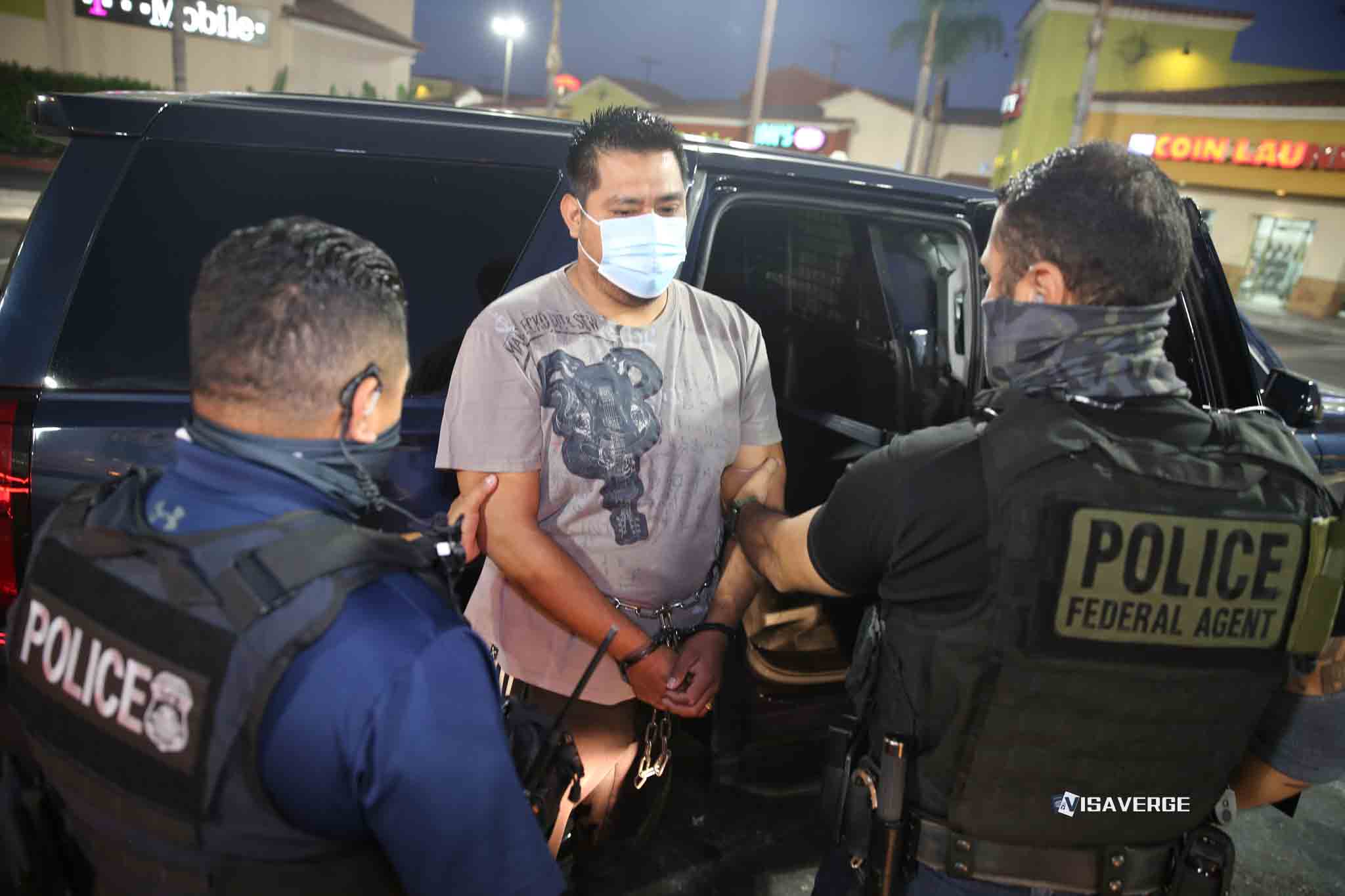
A lawyer in Bell, California, says she asked ICE for help during a tense enforcement action, but claims she was told to go to Taco Bell instead. ICE denies this, but the incident has sparked protests and renewed debate about immigration enforcement in the area.
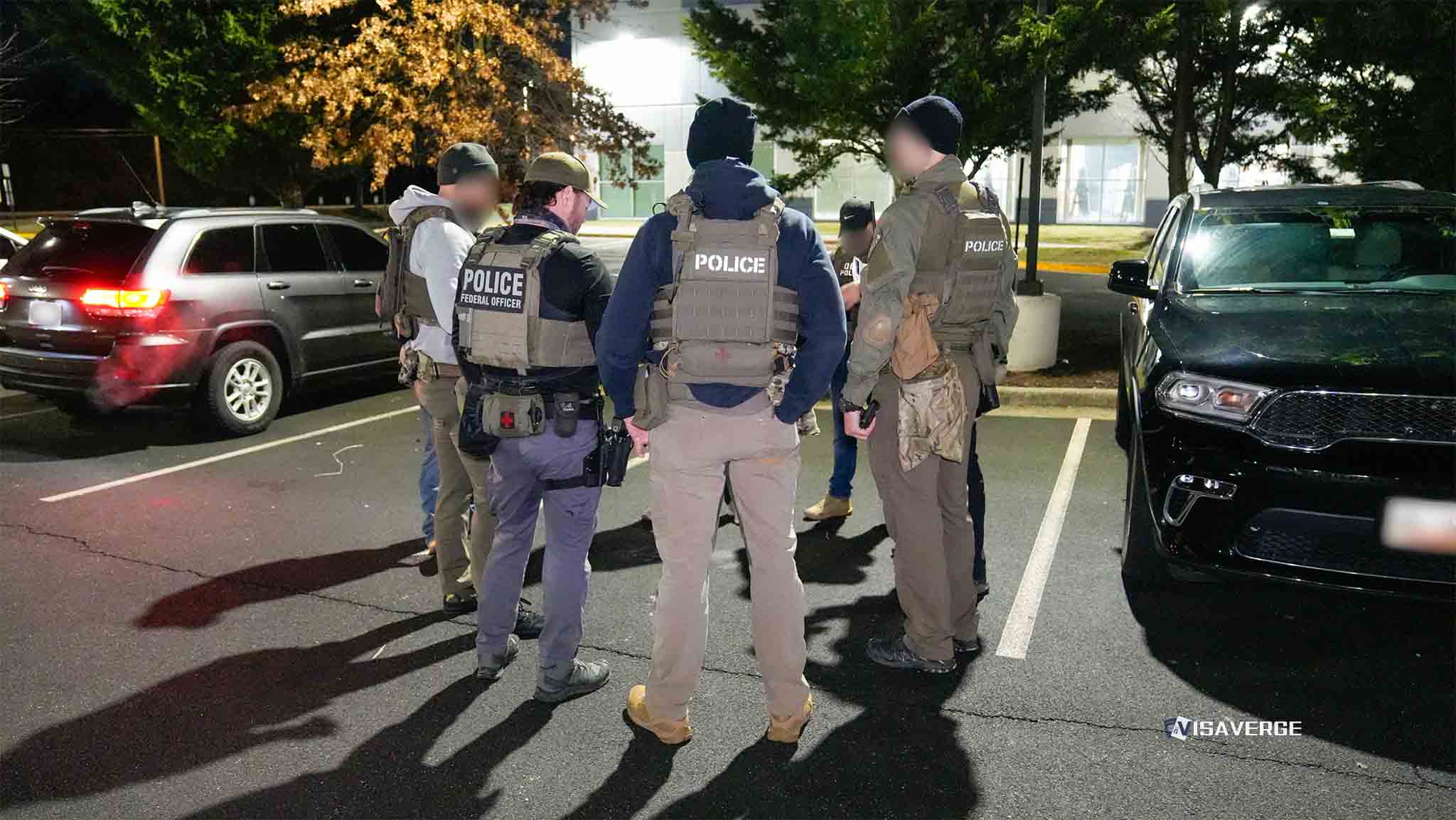
The confrontation happened in Bell, California, when ICE agents chased a car wash worker. During the pursuit, a black Jeep hit an ICE truck from behind. This led to a standoff between ICE and local residents, who quickly gathered to protest what they see as aggressive tactics. The lawyer’s claim that ICE directed her to Taco Bell for help has not been confirmed by official sources. ICE has publicly denied the story, saying the interaction did not happen as described. No further details or evidence have been released to clarify what actually took place.
Free toolUSCIS Receipt Number Decoder
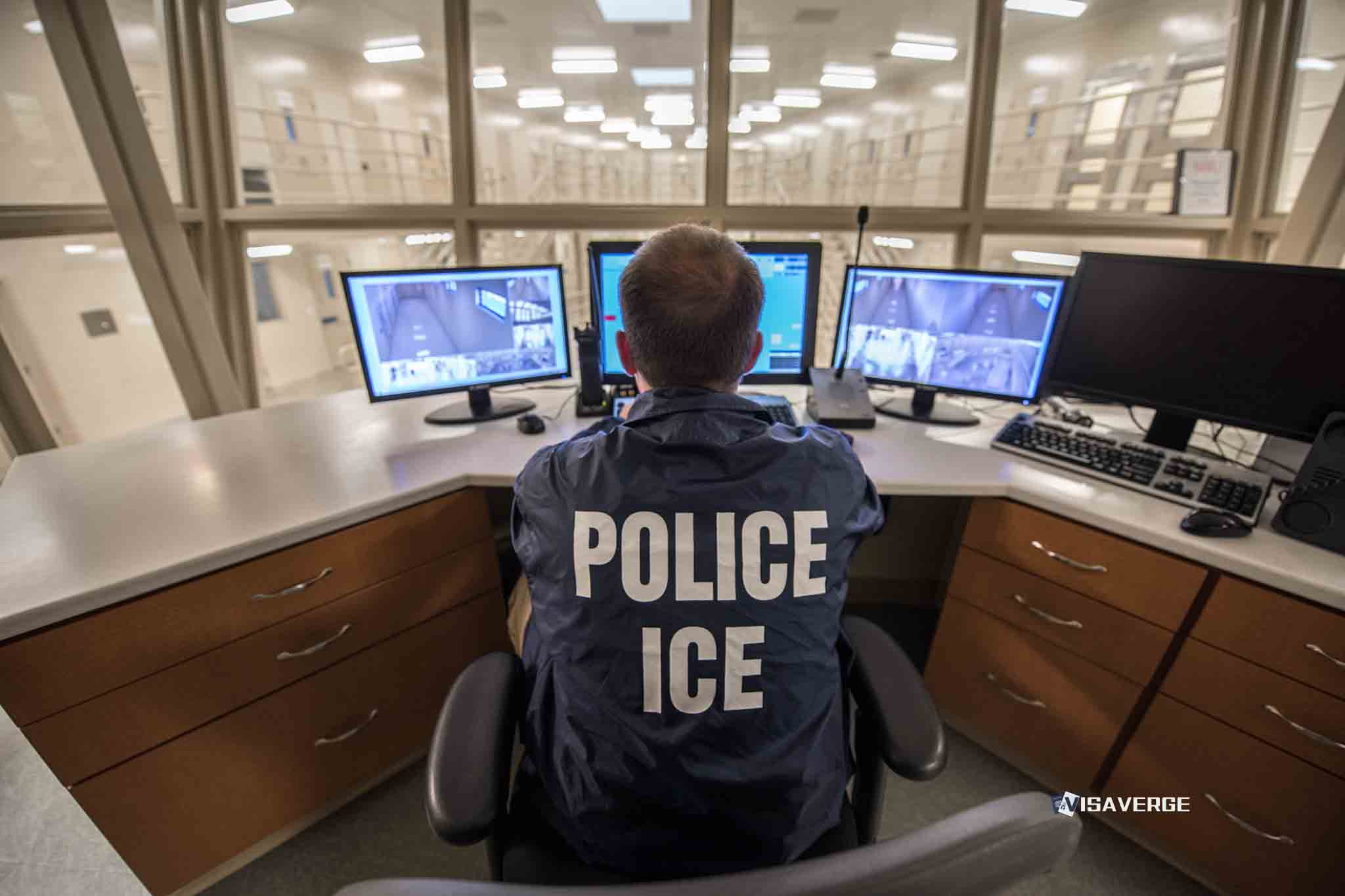
This event is just one example of the growing tension between ICE and immigrant communities in California. In 2025, ICE is operating at record levels across the United States ??, with more people being detained than ever before. As of June 23, 2025, ICE held about 59,000 people in detention centers nationwide. This is far above the 41,500 beds that Congress has funded, meaning many detention centers are overcrowded. Reports say some detainees sleep on floors and do not have enough access to water or medical care.
The federal government has responded by increasing funding for immigration enforcement. On July 1, 2025, the Senate passed a budget bill that gives $170 billion for immigration and border enforcement. This triples ICE’s enforcement budget and increases detention capacity by 265 percent. The bill includes $45 billion for new detention centers and $29.9 billion for enforcement and deportation operations. These changes mean ICE now has more resources than ever to carry out arrests and detain people.
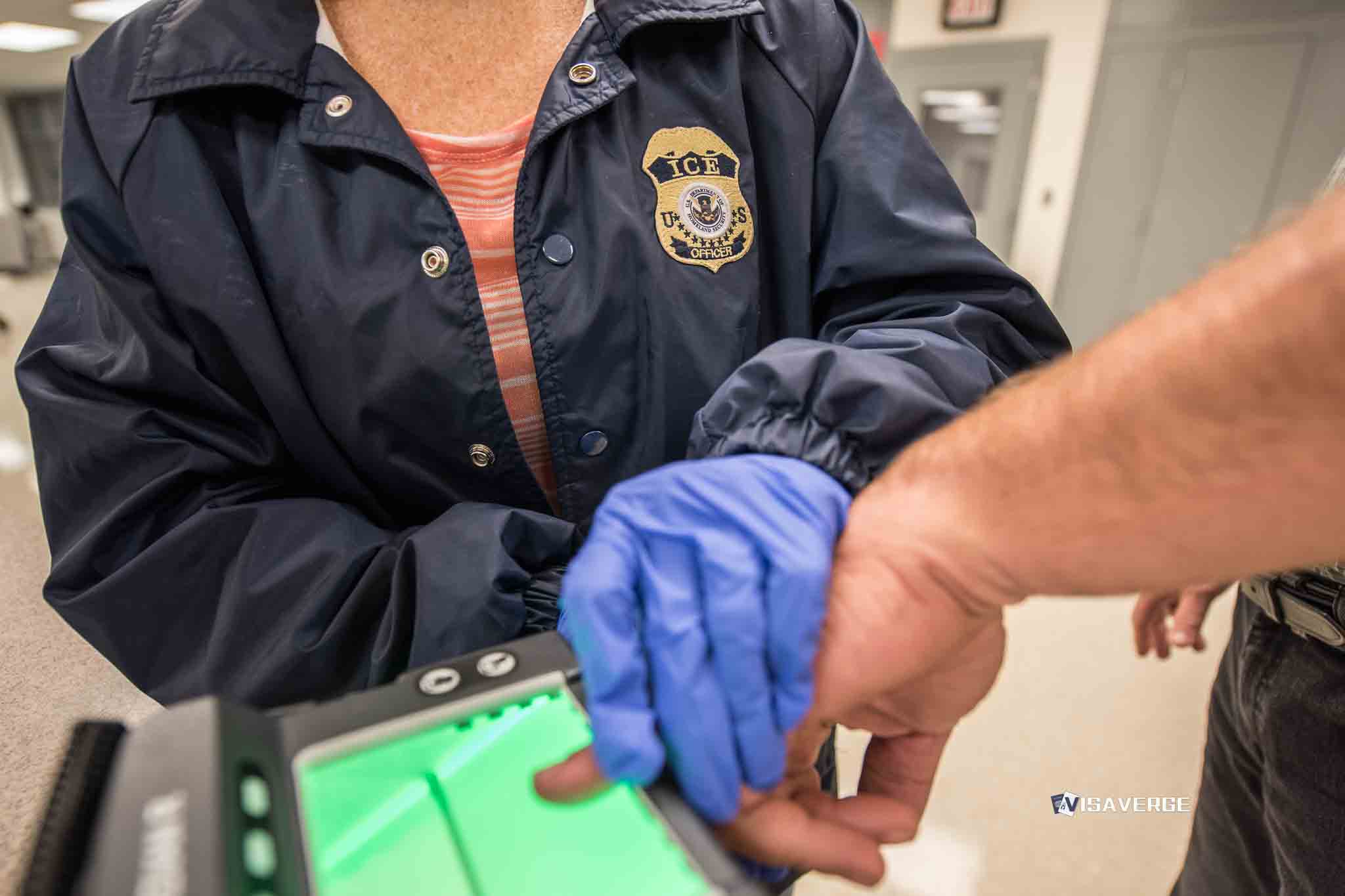
ICE’s enforcement priorities have also changed. In 2025, a large number of arrests target people who do not have criminal records. About 79 percent of weekly non-custodial arrests involve people with no criminal history. This shows that ICE is not just focusing on dangerous criminals, but also on people who may have only minor immigration violations. According to analysis by VisaVerge.com, this shift has led to more families being separated and more community protests, especially in places like Bell, California.
The Trump administration’s immigration policies, which were reinstated and expanded in 2025, support mass deportations and faster removal procedures. These policies also increase border enforcement. There have been legal challenges to some of these rules, especially those that affect birthright citizenship and asylum seekers. However, most of the policies remain in effect for now. ICE has also updated its detention standards to match new executive orders, including changes to how gender identity is handled in detention. Critics say these changes do not do enough to fix problems like overcrowding and poor treatment of detainees.
Community groups in Los Angeles, including those in Bell and nearby Whittier, have been very active in protesting ICE raids. They have held rallies, confronted ICE agents, and called on local officials to push back against federal enforcement. Advocacy groups like the American Immigration Council argue that the huge increase in funding for enforcement is harmful. They say it takes resources away from legal help, asylum processing, and community-based alternatives to detention.
The practical effects of these changes are clear:
- More immigrants face detention and deportation, often with little access to legal help.
- Overcrowded detention centers mean worse living conditions, with some people sleeping on floors and lacking basic needs.
- Faster removal procedures increase the risk that people will be deported without a fair hearing or time to find a lawyer.
For people living in communities like Bell, California, these changes have real consequences. Families worry about being separated. Workers fear being picked up during routine traffic stops or at their jobs. Local businesses, including places like Taco Bell, sometimes become unexpected centers of attention during ICE operations, as seen in the recent incident.
The lawyer’s claim about being told to go to Taco Bell by ICE, while denied by the agency, has become a symbol for many of the confusion and frustration people feel when dealing with immigration enforcement. Community members say it shows how hard it can be to get clear answers or help during stressful situations. ICE’s denial of the story has not stopped protests or calls for more transparency.
Looking ahead, the House of Representatives is expected to vote soon on the immigration enforcement funding bill. The outcome will decide how much more money ICE will get and how many more people it can detain. At the same time, legal challenges to the administration’s immigration orders could change how some rules are enforced, especially if courts decide against the government.
Community resistance and advocacy efforts continue to shape the debate. Groups are pushing for more investment in legal representation and alternatives to detention. They argue that helping people understand their rights and giving them a fair chance in court is better for families and communities.
For those affected by ICE enforcement, there are some steps they can take:
- Know your rights: Immigrants should learn what to do if approached by ICE. Many advocacy groups offer free resources and workshops.
- Seek legal help: Organizations like the American Immigration Council and the National Immigration Law Center provide legal assistance and information.
- Report concerns: Anyone who believes their rights have been violated can contact ICE through their official website or reach out to local advocacy groups for support.
The situation in Bell, California, is a reminder of the ongoing challenges facing immigrant communities in the United States ??. As enforcement increases and policies shift, it is important for people to stay informed and connected to resources that can help them. While the claim about Taco Bell remains unconfirmed, the larger issues of overcrowding, aggressive enforcement, and community impact are very real.
In summary, ICE’s actions in 2025 have led to record levels of detention and enforcement, with significant effects on communities in California and across the country. The debate over how to balance security and fairness continues, with local protests and national policy changes shaping the future of immigration in the United States ??.
Learn Today
ICE → U.S. Immigration and Customs Enforcement agency responsible for immigration enforcement and deportations.
Detention Centers → Facilities where ICE holds individuals pending immigration processing or deportation.
Non-custodial Arrests → Arrests where the individual is not physically detained but face immigration enforcement actions.
Budget Bill → Legislation that allocates government funding for immigration enforcement and detention programs.
Overcrowding → Condition where detention centers hold more detainees than their authorized capacities, causing poor conditions.
This Article in a Nutshell
A tense ICE enforcement in Bell, California sparked protests after a lawyer’s disputed Taco Bell claim, highlighting rising immigrant tensions amid record 2025 detentions and a huge federal budget boost for ICE enforcement and detention operations nationwide.
— By VisaVerge.com