- F-1 status grants the right to study full-time at SEVP-certified institutions under strict regulatory compliance.
- Employment is a limited, permission-based benefit requiring specific authorization from a DSO or USCIS.
- Maintaining status requires continuous full-time enrollment and proactive reporting of any residential or academic changes.
(UNITED STATES) — F-1 students in the United States generally have the Right to Study Full-Time at an SEVP-certified school and a limited Right to Work (Within Rules), but those rights exist only if the student maintains status and documents every step.
International students often think of the F-1 visa as “permission to be in school.” Legally, it is more precise to say F-1 is a nonimmigrant status governed mainly by INA § 101(a)(15)(F)(i) and 8 C.F.R. § 214.2(f). Status comes with benefits, but also strict conditions.

When students fall out of compliance, the most common trigger is work. The second is enrollment and reporting mistakes.
This guide explains who has these rights, what the legal basis is, how to exercise them, and what to do if problems arise.
1) Rights of F-1 Students
The core rights: full-time study and limited, permission-based work
The most fundamental F-1 benefit is the Right to Study Full-Time in the academic program shown on the student’s Form I-20 at an SEVP-certified school. The regulatory backbone is 8 C.F.R. § 214.2(f), including the “full course of study” requirement and the rules for employment and practical training.
The second core benefit is a Right to Work (Within Rules). This is not a general right to accept any job. In most cases, employment is lawful only if it fits a specific category and is properly authorized.
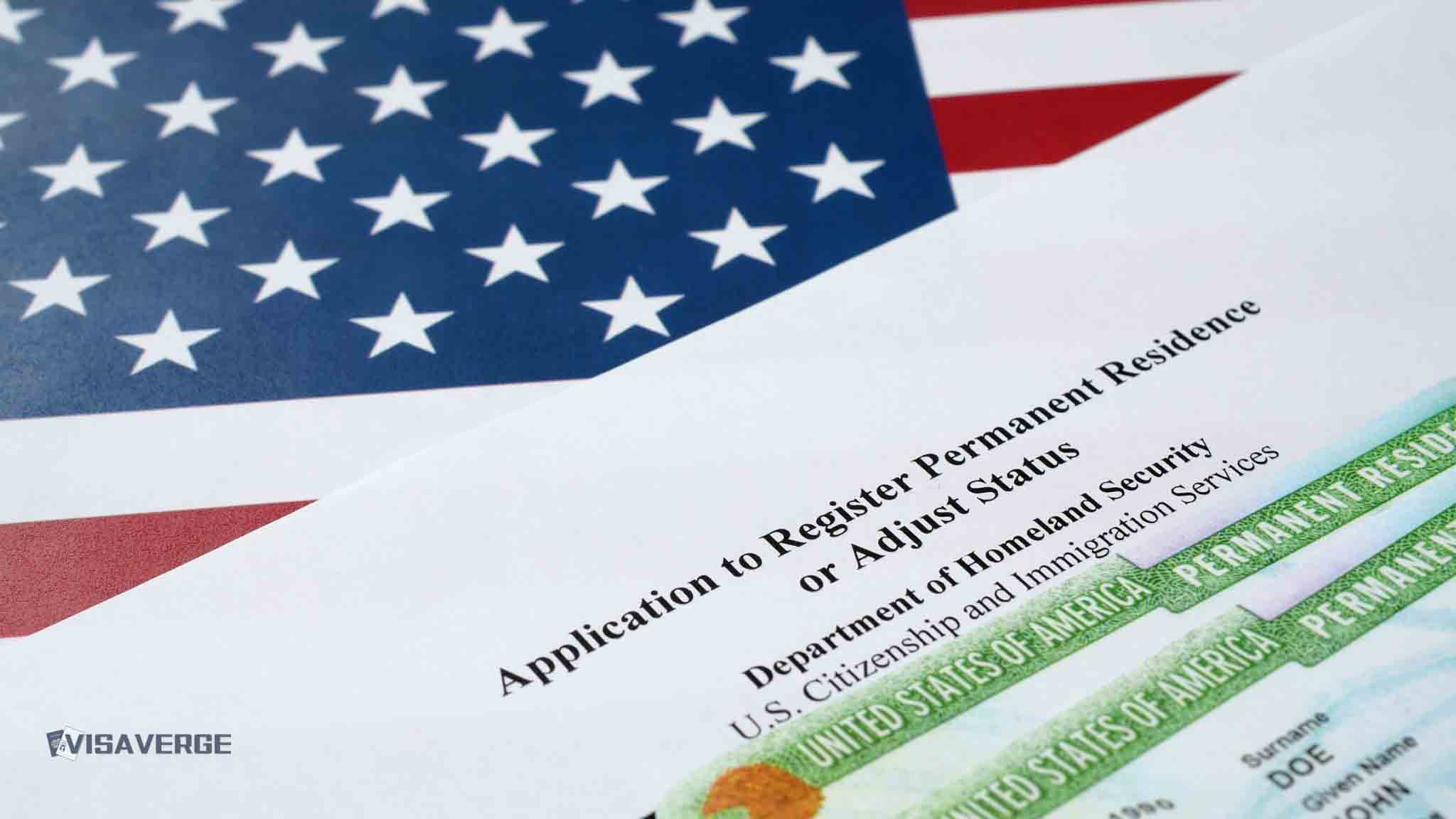
Just as important as the right itself is the proof. In practice, F-1 “rights” are exercised through documentation: a correct I-20, an active SEVIS record, a valid passport, and where required, an EAD from USCIS.
Who has these rights
- U.S. citizens and lawful permanent residents (LPRs) do not need F-1 status to study or work.
- F-1 nonimmigrants have the right to study full-time and to work only as the regulations allow.
- Other visa holders (like J-1 or H-4) have different rules.
- Undocumented students may have access to education in many settings, but they do not obtain F-1 employment benefits without lawful status.
Work authorization pathways (why “Off-Campus Employment (Authorized Only)” matters)
F-1 work options are often grouped into two buckets:
- On-campus employment (status-based, limited). This typically does not require a USCIS-issued EAD. It must still comply with F-1 rules and school/DSO oversight.
- Off-campus employment (Authorized Only). Off-campus work is the most common source of status violations. Authorization varies by category. Some options are authorized by a DSO through an I-20 update. Others require a USCIS filing and approval, usually with an EAD.
Common off-campus categories include:
- CPT (Curricular Practical Training), which must be integral to the curriculum and is authorized by the DSO on the I-20.
- OPT (Optional Practical Training), which requires an EAD from USCIS and must be in the student’s field.
- STEM OPT extension, which requires USCIS approval and compliance duties for the employer and student.
- Severe economic hardship employment, which generally requires a USCIS application and approval.
- International organization employment, which is limited and typically requires USCIS authorization.
The key compliance point is timing. Work that begins before the effective date of authorization may be treated as unauthorized employment, even if approval later arrives.
“Off-Campus Employment (Authorized Only)” is not a slogan. It is a status rule. Unauthorized off-campus work can lead to SEVIS termination and future visa problems.
Additional rights that often affect student stability
While not always described as “rights” in immigration regulations, students typically also rely on:
- Travel and re-entry with proper documents, subject to inspection by CBP at the port of entry.
- Transfer ability between SEVP-certified schools using proper SEVIS transfer procedures.
- Legal protections under federal and state law, such as workplace safety rules and anti-discrimination protections.
2) Duties & Responsibilities (How to keep F-1 status)
F-1 benefits remain available only if the student continuously maintains status under 8 C.F.R. § 214.2(f). Most compliance failures are preventable with early planning and prompt communication with the DSO.
Maintain a full course of study
Full-time enrollment is the heart of F-1 status. A student who drops below full-time without prior approval may fall out of status. Schools may define full-time differently for graduate programs.
Federal rules still require that a “full course of study” is maintained unless a specific regulatory exception applies. If you need to reduce credits, withdraw, or take a leave, the first step is usually the same: contact the DSO before you change enrollment.
If a reduced course load is permitted, the DSO typically documents it in SEVIS and updates the I-20 as needed.
Reporting and document validity
F-1 compliance is administrative as well as academic. Students should keep key documents current and consistent.
- Passport validity (many schools recommend maintaining at least six months validity).
- A correct and unexpired I-20.
- A visa that is valid for re-entry (a visa can expire inside the U.S. without ending lawful status).
- Timely reporting of address changes through the school’s process, which feeds SEVIS reporting.
Work rules: the fastest way to lose status
Unauthorized work is often treated as a major violation. Common patterns include starting employment before authorization begins or working at a site not covered by the authorization.
Other problems include exceeding hour limits when school is in session, continuing to work after authorization ends, and “gig” work, contracting, or freelancing that does not fit the authorized category.
On-campus work can also become problematic if the student exceeds limits or the job is not truly “on campus” under the regulations.
Do not wait until you have an offer letter to ask about work authorization. Many work categories require lead time for DSO action or USCIS processing.
Normal academic progress and program extensions
Students are expected to make normal progress toward completion. If the program will not be finished by the I-20 program end date, an extension is typically possible only if requested before that date and supported by academic or compelling reasons.
A late extension request may not be fixable. Students should calendar key dates and start the extension discussion early with the DSO.
If something goes wrong: act quickly, but carefully
If a student falls out of status, options may include departure, re-entry with a new I-20, or seeking reinstatement in certain cases. These are fact-specific decisions and can carry long-term consequences.
An experienced immigration attorney can help evaluate risk, timing, and documentation.
3) Alcohol and Safety Rules for F-1 Students
The basic framework
Alcohol and safety violations are not “immigration law” issues at first. They are usually state or local criminal matters. Yet arrests, charges, and convictions can trigger immigration consequences.
All U.S. states set the minimum drinking age at 21. Local enforcement varies, and university rules can be stricter than state law. Conduct that seems minor can still lead to an arrest record, which may affect visa renewals or border inspections.
High-risk categories
- DUI/DWI and other impaired driving charges.
- Fake ID or misrepresentation to obtain alcohol.
- Underage possession or public consumption.
- Disorderly conduct or fights connected to alcohol.
- Public intoxication and open-container violations where enforced.
Immigration and SEVIS impacts
Alcohol-related cases can affect visa renewals at a U.S. consulate, including delays or administrative processing. They can also affect port-of-entry scrutiny by CBP after travel.
Such incidents can influence discretionary decisions later, including in some contexts where “good moral character” is evaluated. Schools may also impose discipline. If discipline affects enrollment, that may place F-1 status at risk.
A DUI is not just “a traffic case.” It can trigger visa revocation concerns and added screening, especially if travel is planned.
What to do after an incident
- Consult qualified criminal defense counsel promptly.
- Notify the DSO as appropriate, especially if enrollment or travel could be affected.
- Keep certified records of the final disposition.
- Avoid international travel until counsel evaluates the immigration risks.
4) Policy Context: Official Statements and Regulatory Changes (2025–2026)
F-1 status still rests on 8 C.F.R. § 214.2(f). But policy shifts can change how hard it is to document compliance and how long adjudications take.
Proposed rules vs. final rules
Students should distinguish between proposed regulations, which are not enforceable until finalized after notice-and-comment, and policy memoranda and operational directives, which may change adjudication practices more quickly.
Planning should be conservative when a proposal could affect timing. But students should avoid assuming a proposal is already law.
Fixed admission vs. Duration of Status (D/S)
DHS has discussed moving from “Duration of Status” admission toward a fixed admission period. If a fixed end date becomes the controlling I-94 admission limit, planning may change in practical ways.
Potential impacts include:
- Extension planning may shift from DSO-centered to USCIS-centered filings.
- A missed deadline could become harder to cure.
- Travel could become riskier if timing is tight.
“Hold-and-review” style scrutiny and processing friction
USCIS has described enhanced review approaches for certain benefit requests. In practice, increased scrutiny may mean more requests for evidence, longer adjudication times, and greater emphasis on clean documentation and consistent records.
For OPT and STEM OPT, that can affect start dates and job onboarding. Students should build time buffers and keep copies of I-20s, job offers, pay records, and compliance communications.
Premium processing in concept
USCIS offers premium processing for certain forms and categories when available. Fee changes and availability can affect student budgeting decisions.
Premium processing can shorten timelines, but it does not reduce eligibility requirements or documentation burdens.
5) Core Rights Recap and Practical Implications
The central compliance equation is simple, even if the paperwork is not:
- The Right to Study Full-Time depends on maintaining a full course of study and keeping SEVIS and the I-20 accurate.
- The Right to Work (Within Rules) is permission-based. The category matters, the dates matter, and the paperwork must match reality.
- Off-Campus Employment (Authorized Only) is the safest rule of thumb. If you cannot point to the exact authorization category and effective dates, treat the work as not allowed.
Operational changes and increased scrutiny do not rewrite the baseline rules in 8 C.F.R. § 214.2(f). They can, however, increase the consequences of delay.
Students should plan earlier, document better, and communicate with the DSO sooner when circumstances change.
If you may need an I-20 extension, a reduced course load, a transfer, or OPT-related action, start with your DSO early. Late requests often limit options.
6) Key Facts, Statistics, and Data Points (What the numbers mean)
Students often search for “the number” that controls their next step. The more important point is what those figures imply for risk management.
If fixed admission becomes the norm, a hard I-94 end date could increase the risk of falling out of status due to ordinary delays, like thesis completion, medical issues, or administrative holds. That can make early extension strategy more important for PhD students and anyone in longer programs.
Grace period rules also matter because they define the window to depart, transfer, or take a next step after completion. When those windows are shorter, students must decide earlier and coordinate with the DSO to avoid accidental overstay.
English-language-only study paths can raise special planning issues if time limits apply. Students in language programs may need to map a realistic path into a degree program, a transfer, or departure.
Finally, OPT and STEM OPT participation is large enough that adjudication patterns can change. Students should treat timelines as variable and keep evidence ready in case of follow-up questions from USCIS.
If your rights are violated or you face retaliation
F-1 students generally have access to many U.S. legal protections. If you face wage theft, unsafe working conditions, housing discrimination, or school process issues, take deliberate steps to protect your status and rights.
- Gather documents (emails, pay stubs, handbooks, screenshots, timelines).
- Speak with your DSO if the issue affects your enrollment or employment authorization.
- Consult a qualified immigration attorney before making moves that affect status.
- Consider labor agency options if the issue is workplace-related. Those are separate from immigration compliance.
Official resources for students
– USCIS Students and Employment (forms and guidance): USCIS
– EOIR Immigration Court information (if placed in proceedings): U.S. Department of Justice (EOIR)
– Federal regulations (8 C.F.R. parts): Legal Information Institute (CFR)
Legal help directories
– AILA Lawyer Referral: AILA Find a Lawyer
This article provides general information about immigration law and is not legal advice. Immigration cases are highly fact-specific, and laws vary by jurisdiction. Consult a qualified immigration attorney for advice about your specific situation.