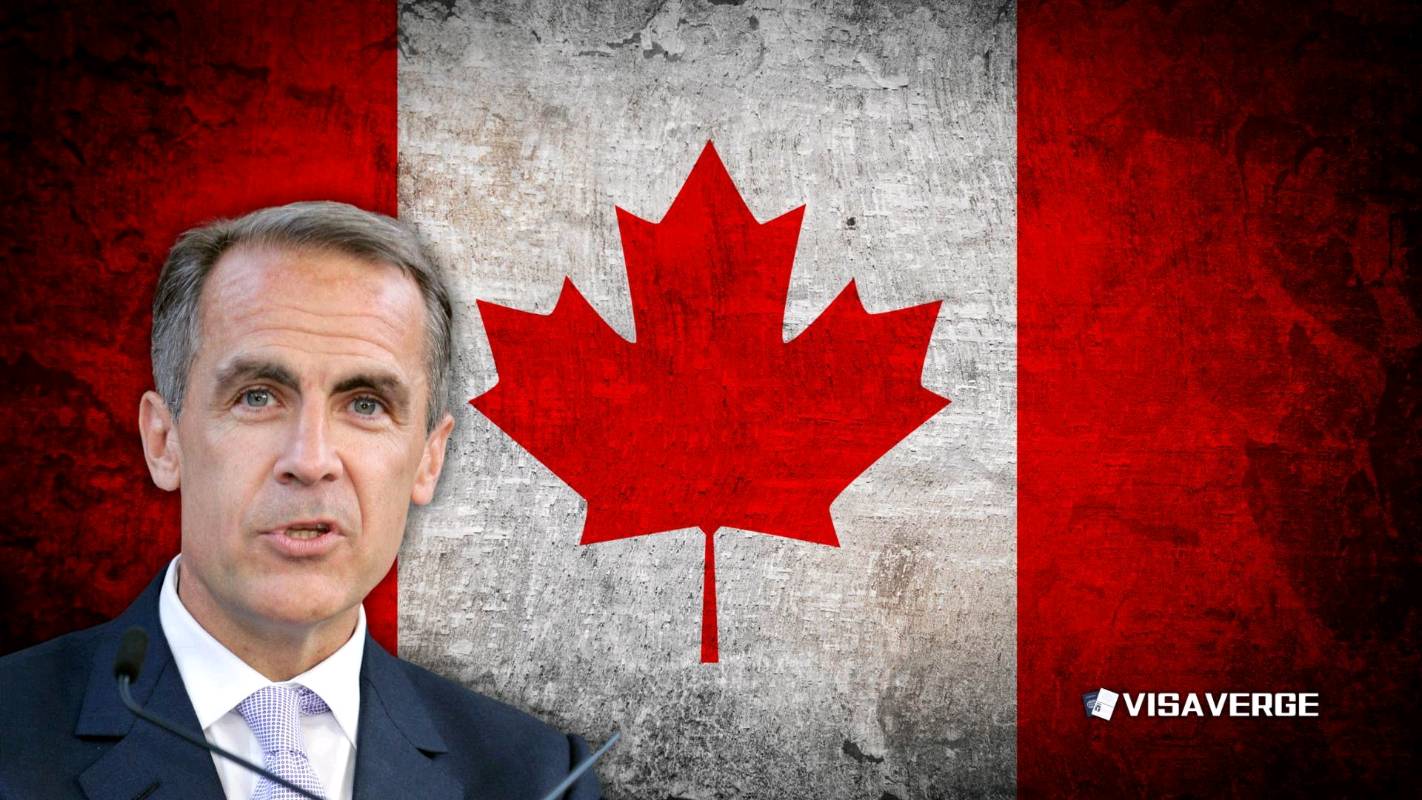
Canada’s sharp pullback on immigration for 2025 has sparked warnings of an emerging immigration crisis, as Ottawa cuts both Permanent Resident admissions and temporary flows in a bid to cool pressure on housing and public services. Under Prime Minister Mark Carney and Immigration Minister Lena Metlage Diab, the federal government has slashed the 2025 target for new permanent residents by 21%, to 395,000, as part of a new 2025–2027 Immigration Levels Plan that also moves to cap temporary residents at 5% of Canada’s population by the end of 2026. The shift hits students, workers, refugees, and employers across ?? almost at once.
Canada Immigration Pullback 2025–2027
Federal plan reduces permanent resident (PR) targets, caps total temporary residents, and tightens study/work and protection pathways.
Who it affects
Broad impact
>
Likely short-term impacts
High severity
>
Source & timeframe
Plan 2025–2027
>
Targets and the new glide path
The move marks a sharp reversal from earlier plans that pointed toward half a million newcomers per year. According to analysis by VisaVerge.com, the previous goal of 500,000 Permanent Resident admissions by 2025 has been replaced by a three‑year glide path downward:
| Year | Permanent Resident Target |
|---|---|
| 2025 | 395,000 |
| 2026 | 380,000 |
| 2027 | 365,000 |
Officials defend the cuts as necessary “resetting,” arguing that Canada’s housing system, health care, and transit cannot keep stretching at the pace seen after the pandemic. The federal immigration department, Immigration, Refugees and Citizenship Canada (IRCC), outlines the new direction and targets on its website, including the multi‑year plan and annual reporting, at Canada.ca.
Immediate changes to temporary programs and student permits
Behind the numbers lies a broader reshaping of who can enter and stay in the country:
- Ottawa has already imposed a 35% reduction in new international student permits in 2024, followed by a further 10% cut planned for 2025.
- Rules for post‑graduation work permits and temporary foreign worker programs have been tightened.
- Government data for the first eight months of 2025 show more than 132,000 fewer international students and 146,000 fewer temporary worker permits issued compared with the same period in 2024.
These rapid reductions have raised alarm on campuses and in industries that rely heavily on migrant labour.
Impact on colleges, communities and local economies
College administrators say the sudden drop has created significant budget and program risks. One senior official at a mid‑sized Ontario college described the situation:
“We built labs, we hired instructors, we signed partnership deals based on federal growth targets. Now our international intake has fallen by a third in a year.”
Small towns that drew global students to keep local schools and shops open worry they will lose the very people who helped keep their communities alive.
Sectors hit by the temporary cap
The temporary cap also lands hard in sectors already reporting shortages:
- Farmers and food processors
- Construction firms
- Long‑term care homes and health services
These businesses say they cannot find enough local workers and had expected continued growth in temporary foreign worker approvals. Instead, many describe delayed or refused permits at a time when an aging population and low birth rate leave fewer Canadians available to fill jobs. Business groups warn that cutting both temporary residents and future Permanent Resident admissions at once risks dragging down economic growth just as interest rates begin to ease.
Refugee and asylum changes
Refugee and asylum rules are tightening. Legislation put forward in June 2025 would:
- Expand the grounds for refugee ineligibility
- Restrict most asylum claims to those made within one year of arrival, with limited exceptions
Lawyers caution that people fleeing war or persecution who arrive on visitor visas or work permits may only later feel safe enough to ask for protection, and could now face fast‑tracked removal instead. Advocacy groups say the bill increases deportation risks and sends a chilling message to those seeking safety in Canada.
Effects on families and transition pathways
Family members of temporary residents are also affected. Ottawa has tightened work permit eligibility for spouses and dependents, limiting which study and work permit holders can bring partners who are allowed to work.
- For many families, the change closes one of the few remaining “bridges” from temporary status to permanent residency—especially after the federal retreat from large‑scale transition programs created during the pandemic.
- Couples who planned to build a future together in Canada say they now face years apart or must abandon their plans.
Processing delays and administrative strain
Processing delays add another layer of strain. Applicants report longer waits for work permits, study permits, and permanent residency decisions, as IRCC adjusts systems to match the new targets and caps.
- Immigration lawyers say files that once took months now sit for a year or more.
- Employers are unsure whether staff will arrive on time.
- Families and individuals with expiring documents may lose legal status and be forced to stop working or studying.
Political context and public opinion
Public opinion has shifted sharply over the past two years. Polls in late 2024 showed a clear majority of Canadians worried that immigration levels were too high, especially in big cities facing housing and cost‑of‑living pressure. Political analysts say those concerns helped shape the tougher 2025–2027 Immigration Levels Plan and the wider crackdown on temporary residents.
- Some welcome what they see as overdue limits.
- Others worry that once cut, immigration systems are slow to rebuild, even when labour markets tighten again.
Labour market effects and union perspectives
On the ground, labour disruptions in 2025 show how fragile the balance has become. Strikes and staffing shortages in health care, transportation, and food processing are tied partly to the same gaps that immigration once helped to fill.
Does This Apply to You?
- Union leaders support fair treatment and good wages for both local and migrant workers but argue that slashing intakes without a clear domestic training strategy leaves everyone worse off.
- Employers counter that they cannot wait years for new training pipelines while vacancies go unfilled now.
The human consequences
For many migrants already in Canada, the new rules bring a sense of shrinking options:
- International students who expected a clear route to work after graduation now face tighter post‑graduation work permit rules and fewer paths to Permanent Resident admission.
- Temporary foreign workers who hoped to transition to permanent status see points thresholds rising even as overall targets fall.
- Refugee claimants fear that missing a narrow one‑year window could cost them protection altogether.
Key takeaway
The central question is whether the government can ease housing and infrastructure strains without choking off the workers, students, and families that have long underpinned Canada’s growth story.
With the new 2025–2027 Immigration Levels Plan now in motion, the answer will shape economic forecasts and the lives of hundreds of thousands of people who had looked to Canada as a long‑term home.
This Article in a Nutshell
The federal government cut the 2025 permanent resident target 21% to 395,000 and introduced a 2025–2027 glide path to 365,000 by 2027. Ottawa also reduced international student and temporary worker permits, proposing a 5% cap on temporary residents by end‑2026. Colleges, employers and communities report revenue and staffing shortfalls; refugee eligibility and asylum timelines would tighten. Processing delays and stricter family‑sponsorship rules heighten uncertainty for migrants and businesses dependent on foreign labour.