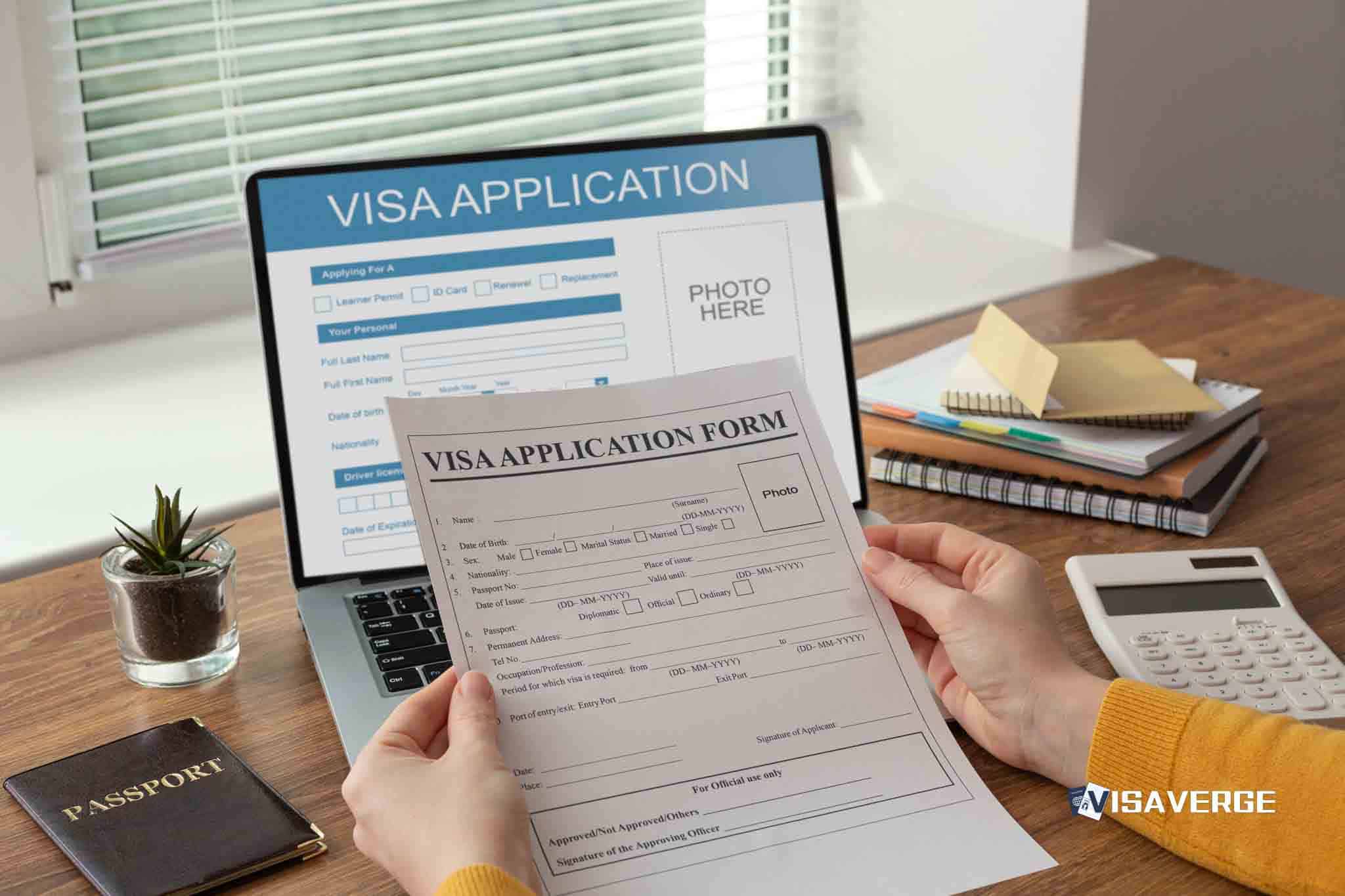
L-2 spouses and children can keep filing for work permits even if Congress fails to pass a spending bill and parts of the federal government shut down. Because U.S. Citizenship and Immigration Services is funded mainly by application fees, USCIS processing of L-2 EAD applications continues during a government shutdown, though applicants should brace for slower timelines if the shutdown drags on. That means L-2 dependents may still file <a href="https://www.uscis.gov/i-765">Form I-765</a> to request an Employment Authorization Document, and USCIS will accept and adjudicate those cases.
The most immediate worry for many families is whether they can submit an L-2 EAD renewal before a current card expires. The answer, based on long-standing fee-funded operations, is yes. USCIS continues to receive, receipt, and work through employment authorization requests during shutdown periods. However, processing delays are possible. Reduced staffing at partner agencies, or interagency checks that rely on offices that are closed, can slow case movement even when USCIS remains open.

For applicants, the practical message is simple: keep your plans on track, submit complete packets on time, and watch for updates on case status. If your job depends on timely approval, talk with your employer about backup plans in case your start date needs to shift. According to analysis by VisaVerge.com, families with expiring cards benefit from filing early and saving delivery proof in case mailrooms or lockboxes experience backlogs during a prolonged shutdown.
Free toolSubstantial Presence Test CalculatorWhat continues during a shutdown
USCIS states that services paid for by filing fees stay open. That includes intake, receipting, and adjudication of employment authorization requests for L-2 dependents. There is no extra petition for L-2 spouses or children to seek work permission; the process remains a single application through Form I-765. You can access the official instructions and filing options for Form I-765 on the USCIS website.
While the core USCIS processing engine keeps running, several parts of the wider system can slow things down:
- Interagency dependencies: Some checks or records that USCIS needs may sit with offices that pause during a shutdown. When that happens, a case can wait even though USCIS itself is open.
- Reduced staffing patterns: Even within USCIS, staffing can shift during budget fights, leading to longer queues for some case types.
Employers should also be aware that E-Verify is offline during a government shutdown. The system, which confirms new hires’ work eligibility, pauses service. That does not block USCIS from approving an L-2 EAD, and it does not stop an L-2 spouse from filing. It simply means employers cannot run new cases in the system until it returns. For general program details, see E‑Verify.
It’s also important to separate the roles of different agencies. The Department of Labor’s functions that often shut down—such as Labor Condition Applications and PERM labor certifications—do not apply to L-2 EAD requests. Those steps are part of employer-sponsored categories, not L-2 family work authorization. As a result, no direct Department of Labor impact falls on L-2 EAD filings during a shutdown.
Where delays can occur — and how to prepare
Although applications are accepted, families should plan around possible slowdowns. A shutdown can create a “traffic jam” effect: cases keep coming in, but fewer hands are free to move them forward when outside checks are needed.
Key steps to reduce avoidable delays:
- File a complete
Form I-765package with all required evidence. Small mistakes can trigger Requests for Evidence (RFEs), which add weeks. - Use a tracked delivery method and keep proof of mailing and delivery.
- If renewing, submit as early as allowed under the rules for your category so you have more time before any work end date approaches.
- Check your USCIS online account regularly and respond quickly to any notices.
- Coordinate with your employer’s HR team so they understand that E‑Verify may be paused, and hiring steps could adjust once the system returns.
Important: Even when news headlines highlight a government shutdown, L-2 families can count on the basic service of filing and having USCIS process their request. The tradeoff is speed: processing times may be longer if the shutdown lasts or if interagency partners remain unavailable.
For many households, paychecks and school schedules depend on a timely approval. One common scenario involves a spouse with a job offer set to start soon after their I-94 admission. In a shutdown, filing the L-2 EAD right away still makes sense because the application will be in line. The employer may need to adjust onboarding if E‑Verify is down or if the card has not arrived by the planned start date. Clear communication helps both sides plan for a short gap instead of a surprise delay.
Filing mechanics and official guidance
USCIS continues to accept applications by mail and, where available, online filing. Make sure you use the latest Form I-765 edition and follow the instructions posted by USCIS. The safest way to confirm current requirements is to visit the official Form I-765 page, which lists eligibility categories, filing addresses, and accepted payment methods.
A brief note on the broader policy context: government shutdowns stem from lapses in congressional funding, not from actions by USCIS. Because USCIS runs on application fees rather than annual appropriations, its core functions—like EAD adjudications—remain active. That structural funding model is why L-2 EAD requests keep moving even when other parts of the federal system pause.
Employer checklist
Employers hiring L-2 spouses should keep a simple checklist:
- Confirm that the employee has filed or renewed the EAD.
- Keep copies of receipt notices where appropriate.
- Prepare to complete the Form I‑9 process once the card arrives.
- When E‑Verify resumes, run cases that started while the system was offline and follow the program’s specific catch-up steps once DHS reopens access.
After the shutdown ends
Families should also watch for the end of a shutdown. When the government restarts, backlogs at affected agencies can ripple through the system. Some cases will pick up speed again; others may face a brief wave of catch-up work. That’s another reason why filing on time—or early, when allowed—gives you the best chance at a smoother outcome.
In simple terms, L-2 dependents can file for and expect USCIS to process their EAD applications during a government shutdown, but they should plan for slower movement and keep paperwork clean and complete. The E‑Verify pause does not block applications or approvals, and Department of Labor shutdowns do not directly affect L‑2 EADs. Keep your timeline realistic, keep your documents tidy, and keep your employer informed. That steady approach helps protect jobs and family plans while the budget fight in Washington runs its course.
Frequently Asked Questions
This Article in a Nutshell
L-2 spouses and children can continue to file Form I-765 to request Employment Authorization Documents during a federal government shutdown because USCIS funds core processing through application fees. USCIS will accept, receipt, and adjudicate L-2 EAD applications, but applicants should expect potential delays if partner agencies pause operations or staffing is reduced. Employers should be aware that E-Verify goes offline in a shutdown, which affects new hire verification though not the EAD approvals themselves. Practical steps include filing complete applications early, using tracked delivery, saving proof of mailing, monitoring USCIS accounts, and coordinating with employers about backup start-date plans. The fee-funded model of USCIS explains why core EAD processing continues even when other federal functions slow down.