- USCIS still accepts and processes DACA renewals, as a November 24, 2026 report noted.
- If a grant expires before renewal approval, no work authorization applies until a new EAD issues.
- Unlawful presence accrues during the gap unless the person was under 18 when filing.
Checked against USCIS
Follow-up to: Delaware DACA Recipients Face Limbo as Federal Renewal Delays Persist
Angel had a renewal pending for six months. U.S. Citizenship and Immigration Services (USCIS), the federal agency that handles DACA requests, continues to accept and process renewals. But a pending request does not extend a person’s DACA or work authorization if their current grant expires before USCIS approves the renewal.
DACA, or Deferred Action for Childhood Arrivals, does not give recipients lawful immigration status. If a grant expires during a renewal delay, the person has no DACA during the gap and is not authorized to work until USCIS issues a new employment authorization document (EAD).
When to file and what a delay means
USCIS recommends filing a renewal 120–150 days, or four to five months, before the expiration date on the current Form I-797 DACA approval notice. Filing earlier than 150 days before expiration will not result in a faster decision. USCIS says its current goal is to process renewal requests within 120 days.
TheDream.US said in September 2026 that USCIS case-processing estimates showed renewals taking an estimated seven months in 80 percent of cases. Separately, USCIS data showed a median renewal wait of about 70 days from October 1, 2025, through February 28, 2026, compared with about 15 days in fiscal year 2025.
If USCIS approves a renewal after the previous DACA grant expires, the person has no DACA between the old grant’s expiration and the start of the new grant. The pending renewal does not extend work authorization; the person cannot work until USCIS issues a new EAD, regardless of their age when they filed. A person whose grant expires before approval also accrues unlawful presence during the gap, unless they were under 18 when they filed the renewal request. Unlawful presence is time in the United States that can have immigration consequences under applicable rules.
Current DACA grants and their associated EADs remain valid until they expire, unless USCIS individually terminates them. A pending renewal does not itself give the applicant lawful immigration status.
How to file and what a renewal costs
Applicants can file a renewal online or at a USCIS Lockbox, a USCIS facility that receives mailed applications. The required forms are Form I-821D, the DACA request; Form I-765, the application for employment authorization; and Form I-765WS, a worksheet. An online renewal requires a USCIS online account, which applicants can use to submit the forms, pay fees and track the case. The correct mailing address depends on the applicant’s state of residence; USCIS provides Form I-821D filing information and addresses.
| Filing method | Form I-821D | Form I-765 | Total |
|---|---|---|---|
| Online | $85 | $470 | $555 |
| By mail | $85 | $520 | $605 |
USCIS does not offer fee waivers for DACA requests or the related employment authorization applications, but it provides limited fee exemptions that eligible applicants may request. The exemptions cover applicants with a serious chronic disability and income below 150 percent of the U.S. poverty level; applicants with at least $10,000 in unreimbursed medical-expense debt accumulated during the prior 12 months and income below that level; or applicants under 18 with income below that level who are homeless, in foster care or without parental or other family support. The USCIS fee schedule lists the charges.
What happens if DACA has expired
A request filed within one year of a DACA grant’s expiration may still be treated as a renewal. After one year, USCIS treats it as an initial request, meaning a request for DACA for the first time. USCIS accepts initial requests but does not process them.
The U.S. Court of Appeals for the Fifth Circuit, a federal appeals court, issued its DACA decision on January 17, 2025. USCIS said after the decision that it would continue processing renewals and accompanying employment authorization applications.
What recipients should know about deportation risk
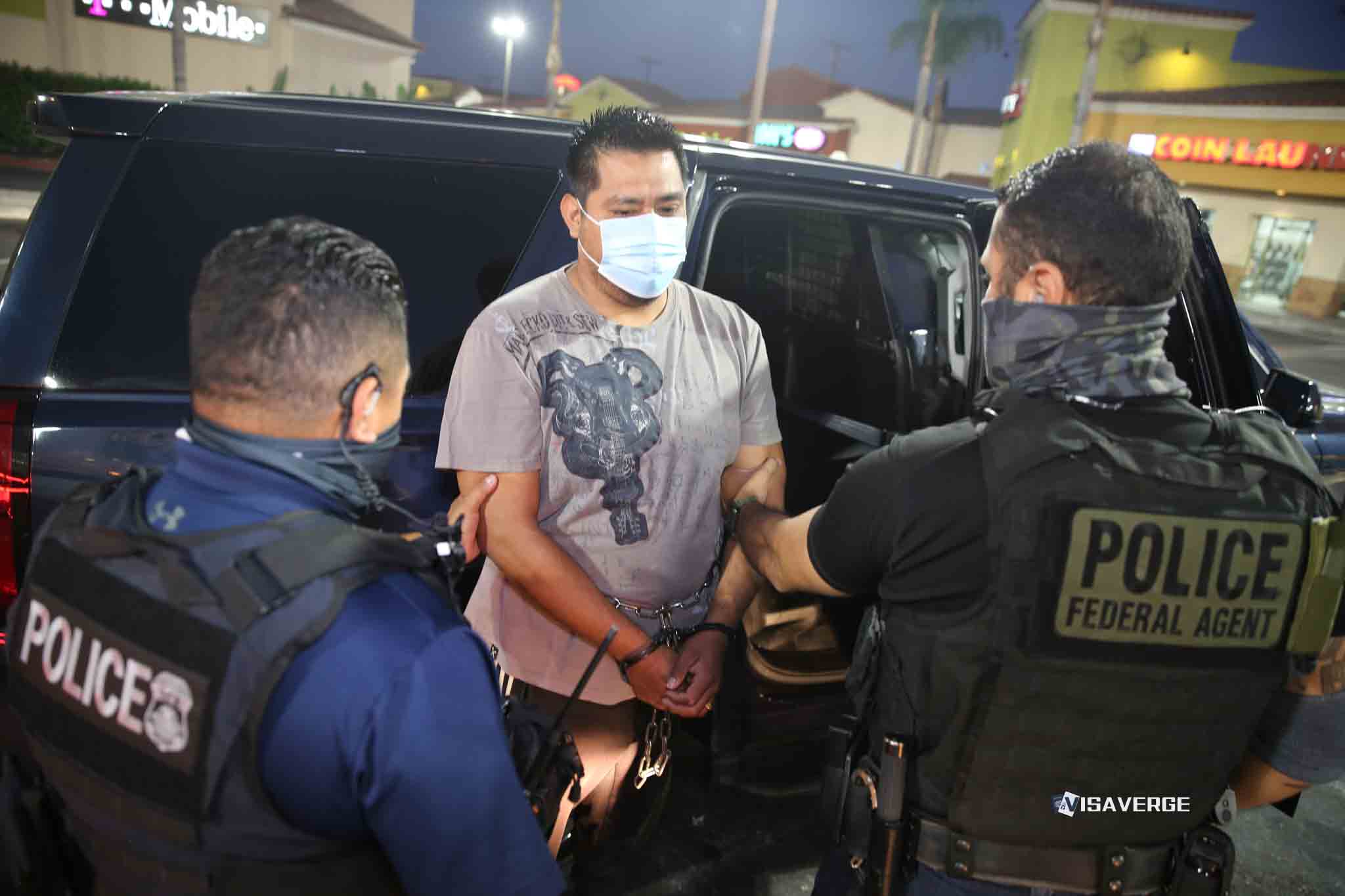
DACA does not automatically protect recipients from deportation. USCIS spokesperson Zach Kahler said recipients may be subject to arrest and deportation, including for committing a crime. Kristi Noem, then secretary of Homeland Security, said more than 250 DACA recipients were arrested and 86 were deported during the first 11 months of 2025.
What to do while a renewal is pending
A DACA recipient may submit an online inquiry to USCIS after a renewal has been pending for more than 105 days.