Womble Bond Dickinson warned H-1B employers and workers that USCIS could use AI tools to spot conflicting address entries and worksite records. The firm described a possible screening method, not a newly announced government rule.
It outlined two ways the records might diverge. An employer could update a worker’s job location after the worker files Form AR-11, or the worker could move without submitting the required address notice.
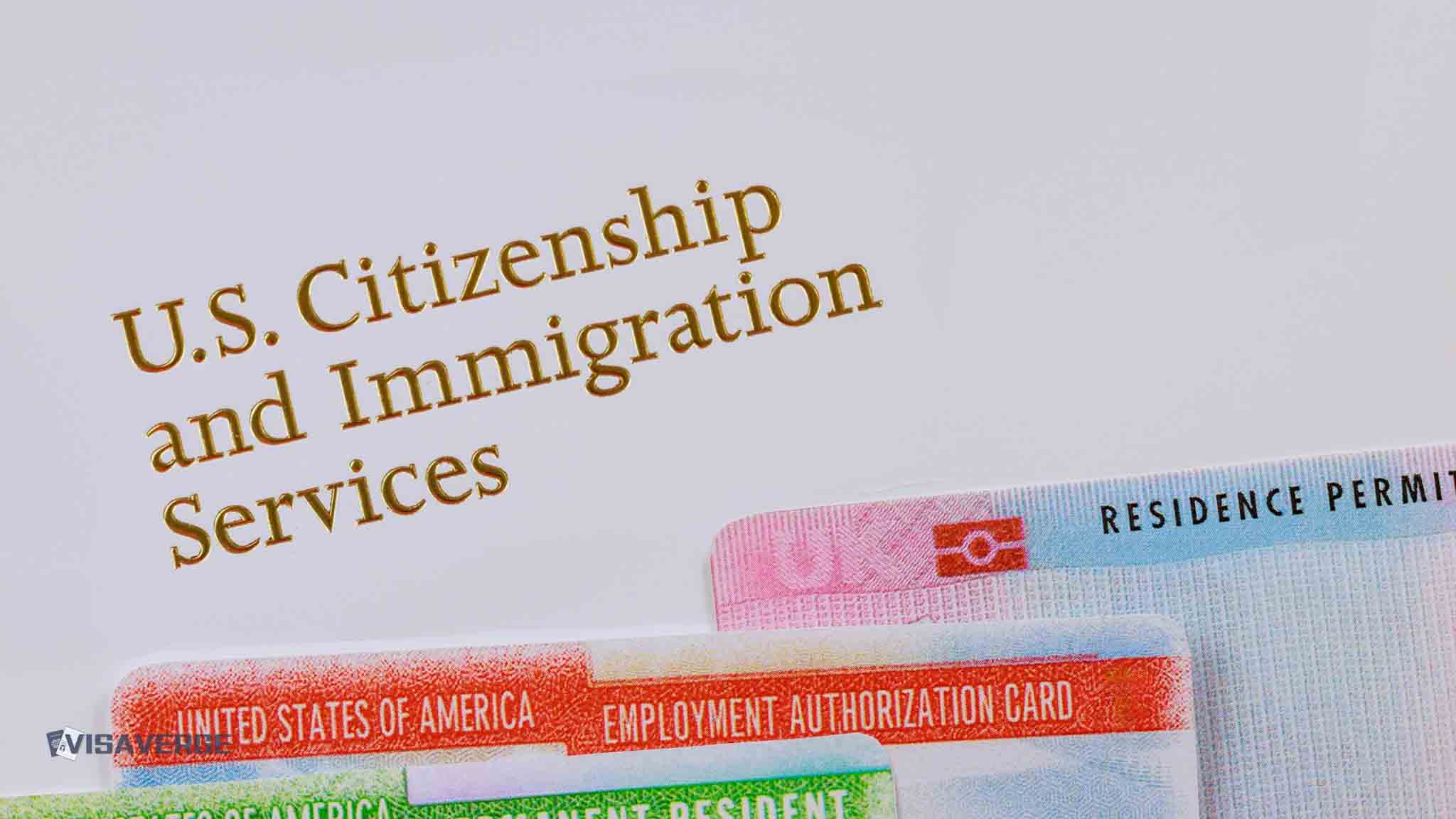
A separate immigration law firm reported more scrutiny in other filings. Reddy Neumann Brown PC said on October 16, 2026, that it had recently seen more Requests for Evidence (RFEs), Notices of Intent to Deny (NOIDs) and Notices of Intent to Revoke (NOIRs), sometimes over what it called minor inconsistencies.
A home move and a job-site change require separate attention
Workers report a residential move to U.S. Citizenship and Immigration Services (USCIS) using Form AR-11. Employers have a different responsibility: assess whether a change to the authorized place of employment requires an amended H-1B petition.
Remote work can complicate that review. If an employee moves to a different area, the employer may need to determine whether the new location falls outside the area covered by the existing labor condition application (LCA). Depending on the circumstances, the move could require a new LCA and an amended petition.
| India | China | ROW | |
|---|---|---|---|
| EB-1 | Feb 01, 2023 | Aug 01, 2023 ▲31d | Current |
| EB-2 | Nov 01, 2013 | Oct 01, 2021 | Apr 01, 2025 ▲90d |
| EB-3 | Jan 22, 2014 ▲21d | Jan 22, 2022 ▲14d | Jun 15, 2024 ▲31d |
| F-1 | Jan 22, 2021 ▲366d | Jan 22, 2021 ▲366d | Jan 22, 2021 ▲366d |
| F-2A | Oct 22, 2026 ▲30d | Oct 22, 2026 ▲30d | Oct 22, 2026 ▲30d |
One filing does not replace the other. Womble Bond Dickinson advises employers to track home moves and job-location changes separately, and employees to alert their employer promptly. Both can compare earlier filings before submitting an extension, amendment or other application.
Older forms and wage documents may prompt questions
Reddy Neumann Brown cited possible discrepancies between paychecks or W-2 statements and wages listed in an LCA. Differences can have legitimate explanations, the firm said, but may still lead to questions. It also flagged mismatches between a DS-160 visa application and later employment-based filings, including details about job titles, salaries, addresses, employment history or earlier immigration information.
“An answer you gave at a visa interview ten years ago could come back to haunt you today.”
Rahul Reddy, the firm’s founding partner, wrote that warning. He founded Reddy Neumann Brown PC in 1997 and has over 28 years of experience practicing employment-based immigration.
The firm said the Department of Homeland Security (DHS) has publicly identified USCIS systems that use AI for document processing, identity matching and other administrative functions. It also described authorized information sharing: E-Verify uses records maintained by DHS and the Social Security Administration, and USCIS can access some Department of State immigration and visa information. Internal Revenue Service records are governed by separate legal restrictions.
There are limits to what the firm says is known. DHS has not confirmed that USCIS automatically compares every paycheck, LCA, DS-160 and tax record through AI. Reddy Neumann Brown also said there is no evidence that AI independently decides immigration denials. A discrepancy alone does not establish fraud or a legal violation; the circumstances and supporting documents remain relevant.
FDNS visits can test petition details against the workplace
USCIS’s Fraud Detection and National Security Directorate (FDNS) conducts unannounced administrative visits to employers sponsoring H-1B and L-1 workers. Holland Hart’s May 14, 2025 guidance says officers may visit company headquarters, human resources offices, client sites or a remote location listed in the petition or related LCA.
Officers can check whether the employer operates as described, whether the worker performs the stated duties, and whether the location and salary match the LCA. They may also examine job responsibilities and supervision, particularly when a worker is placed at a client site.
During a visit, officers may interview workers, speak with managers or HR staff, photograph the workplace and request pay stubs, W-2s, organizational charts or tax filings. Holland Hart recommends that employers designate a trained contact to verify an officer’s credentials, notify immigration counsel and keep notes. Front-line staff should know whom to contact.
Employees at third-party locations should know what their filings say about duties, job title, location, salary and supervision. Employers should check that off-site employment is accurately reflected in the LCA and Form I-129. Holland Hart cautioned: “Never guess, incorrect or inconsistent information can trigger further investigation or even revocation of an approved petition”.
LCA rules tie pay, locations and public records together
The Modernization Rule, titled “Modernizing H-1B Requirements, Providing Flexibility in the F-1 Program, and Program Improvements Affecting Other Nonimmigrant Workers,” was published on December 18, 2024. Seyfarth’s December 24, 2024 compliance guidance discusses employer obligations, including site visits and labor-condition requirements.
Employers filing an LCA with the Department of Labor attest that H-1B workers receive the required wage for their occupation and location. The guidance says employers should:
- Post LCAs at the worksite for at least 10 days.
- Assess whether a move beyond the normal commuting distance from the location listed on the LCA counts as a material change. That may require a new LCA and an amended petition.
- Pay at least the higher of the prevailing wage or the employer’s actual wage for similarly employed workers. A failure to meet wage standards can result in fines and backpay orders.
- Make Public Access Files available within one working day of filing the LCA and retain them for at least one year after the worker’s employment under that LCA ends.
Reddy Neumann Brown urged employers and workers to review immigration filings, payroll records, earlier visa applications and employment details before submitting another case.
“Nevertheless, the direction is clear. Technology is becoming increasingly important in immigration screening and enforcement.”