If you’re filing an H-1B (Specialty Occupation) petition in 2026, the basic law stays the same, but the feel of the process changes. The 6-year limit still applies, and AC21 rules that let some workers extend beyond 6 years remain in place. What shifts is day-to-day enforcement: closer review of job duties, work location, and wage level, with more site visits and more RFEs (Requests for Evidence). Processing Times also look slower in standard lanes, even when premium processing is available.
From the source material, regular H-1B processing at the California Service Center averages 3–5 months and can stretch to 8 months. Premium processing still exists for eligible filings and is listed as 15 business days for eligible cap-subject petitions, but the tradeoff in 2026 is that faster review may come with more RFEs rather than faster approvals. USCIS also announced processing changes effective January 2026, including expanding premium processing to more categories to reduce timelines.
A separate pressure point is consular visa stamping. The source material reports that U.S. consulates in India are rescheduling H-1B interviews from December 15, 2025, onward to March 2026 or later because expanded online and social media vetting reduces daily capacity. That means many workers may have an approved petition but still wait months to travel.
According to analysis by VisaVerge.com, the practical “2026 skill” is not clever strategy — it’s clean evidence and early filing so you’re less exposed when Processing Times, RFEs, and travel delays hit at the same time.
Step 1: Confirm the case type and calendar limits before paperwork starts
Start by sorting your case into one of these buckets, because timing and risk differ:
- Cap-subject H-1B (new cap case): the source notes FY2026 cap filings closed July 1, 2025 (extended from June 30), and the work start date is no earlier than October 1, 2025. If you missed the cap window, you may be looking at a later cycle or a cap-exempt option.
- Extension with the same employer: in 2026, extensions are increasingly treated like fresh cases, not rubber stamps.
- Change of employer (portability transfer): there is no direct change to the portability rule, but transfers may take longer, raising risk during job switches.
Before your employer drafts anything, confirm the basics that often trigger RFEs in 2026:
- The role must clearly require a related degree.
- The wage level must match the duties.
- The worksite story must be consistent (especially if hybrid or remote).
For official background on the category, USCIS keeps an overview page for H-1B workers here: H-1B Specialty Occupations.
Step 2: Build a “no-ambiguity” job record (this is where many 2026 RFEs begin)
The source material’s guidance is blunt: avoid role ambiguity. In 2026, USCIS is expected to scrutinize job duties, work location, and wage levels, with RFEs especially common for:
- Remote / hybrid roles
- Consulting / third-party placement
- Lower-wage Level I–II roles
Treat your filing packet as a story that must stay consistent across all documents. The source specifically calls out keeping clean documentation such as:
- Offer letter
- LCA
- Job description
- Org charts
Practical red flags to fix before filing:
- A senior-sounding job title but a Level I wage.
- A generic title like “developer” paired with a description that reads like general IT help.
- Work-from-home statements that conflict with client-site or third-party placement paperwork.
Also expect more site visits in 2026. If your petition lists a location and a site inspector can’t confirm basic facts (supervisor, desk space, duties, schedule), that can lead to problems later, including at extension time.
Step 3: File earlier than you used to, because Processing Times are not “temporary”
The source frames delays as structural, not a short backlog that will vanish. For H-1B cases, it advises filing extensions 6–8 months ahead if possible. That single choice can protect you from several chain reactions:
- A slow extension decision can delay an H-4 extension.
- A delayed H-4 extension can slow an H-4 EAD renewal (where allowed).
- Travel can restart vetting cycles, so you want approvals well before any trip.
Processing time guidance to plan around:
- Standard processing (California Service Center): 3–5 months average, up to 8 months.
- Premium processing (where eligible): 15 business days, but it may trigger more RFEs, resetting the clock.
Practical tip: assume the slow lane in your calendar; treat faster results as a bonus.
After every entry, check your I-94 for accuracy and save the record. CBP errors can affect benefits and require corrective steps later.
Step 4: Prepare for fees, vetting, and stamping delays that sit outside USCIS
Not every delay is inside USCIS. Two separate changes in 2026 affect many families:
- A new $250 non-waivable Visa Integrity Fee applies to most nonimmigrant visas starting 2026.
- Consular visa stamping delays: expanded online and social media vetting has reduced daily appointment capacity. In India, appointments are being shifted from December 15, 2025 to March 2026 or later in many cases.
If you need a visa stamp to re-enter the U.S., your sequence is:
- USCIS petition approval.
- Consular appointment (which may be months away).
- Possible extra screening (Administrative Processing / 221(g)).
Plan travel as a risk event. If you must travel, carry a consistent set of documents that match what was filed, and expect that a trip can add weeks or months to your return plan.
Step 5: Extensions and renewals in 2026: treat them like new cases
The source says it plainly: extensions are increasingly treated like new adjudications. Expect RFEs focused on the “specialty occupation” test and a re-check of the employer–employee relationship.
This matters most when:
- Job duties have evolved over time.
- Reporting chain has changed.
- You moved to a new location.
- You are now remote or hybrid.
- You work at a third-party site.
Approach extensions by refreshing evidence, not recycling old packets:
- Update the job description to reflect current duties while keeping the degree connection clear.
- Update org charts to show the reporting chain.
- Keep pay records aligned with the wage-level story.
Step 6: Portability job changes: protect payroll continuity and timing
Rules on H-1B portability haven’t changed, but longer Processing Times increase risk during job switches. Key practical instruction from the source:
- “If changing employers, maintain payroll continuity carefully.”
Treat that as an actionable checklist item:
- Confirm how start dates will be documented.
- Keep pay stubs and payroll records that show continuous employment where possible.
- Coordinate with counsel about when the new filing will be submitted and what evidence you’ll need.
Because Processing Times can be long, avoid resigning without a clear plan for filing and documentation.
Step 7: H-4 and H-4 EAD timing: plan for slow combo filings and possible work gaps
H-4 status depends on the H-1B’s validity. Tighter H-1B review can indirectly delay H-4 filings and H-4 EADs. The source notes H-4 EAD is a high policy volatility area in 2026, with risks including:
- Delays in EAD issuance
- Narrower eligibility interpretations
- Continued political/legal challenges
Importantly, the source states that 540-day auto-extensions ended per a DHS final rule on October 30, 2025, and automatic extension rules may remain legally unsettled. Gaps in work authorization are thus a real risk.
Practical steps from the source:
- File H-4 and EAD together when possible.
- Track EAD expiration aggressively; apply at earliest eligibility.
- Keep contingency plans with your employer (remote work options, unpaid leave, temporary pause).
Biometrics backlogs can slow filings. The best protection is time: file as early as allowed and do not assume extensions will be quick.
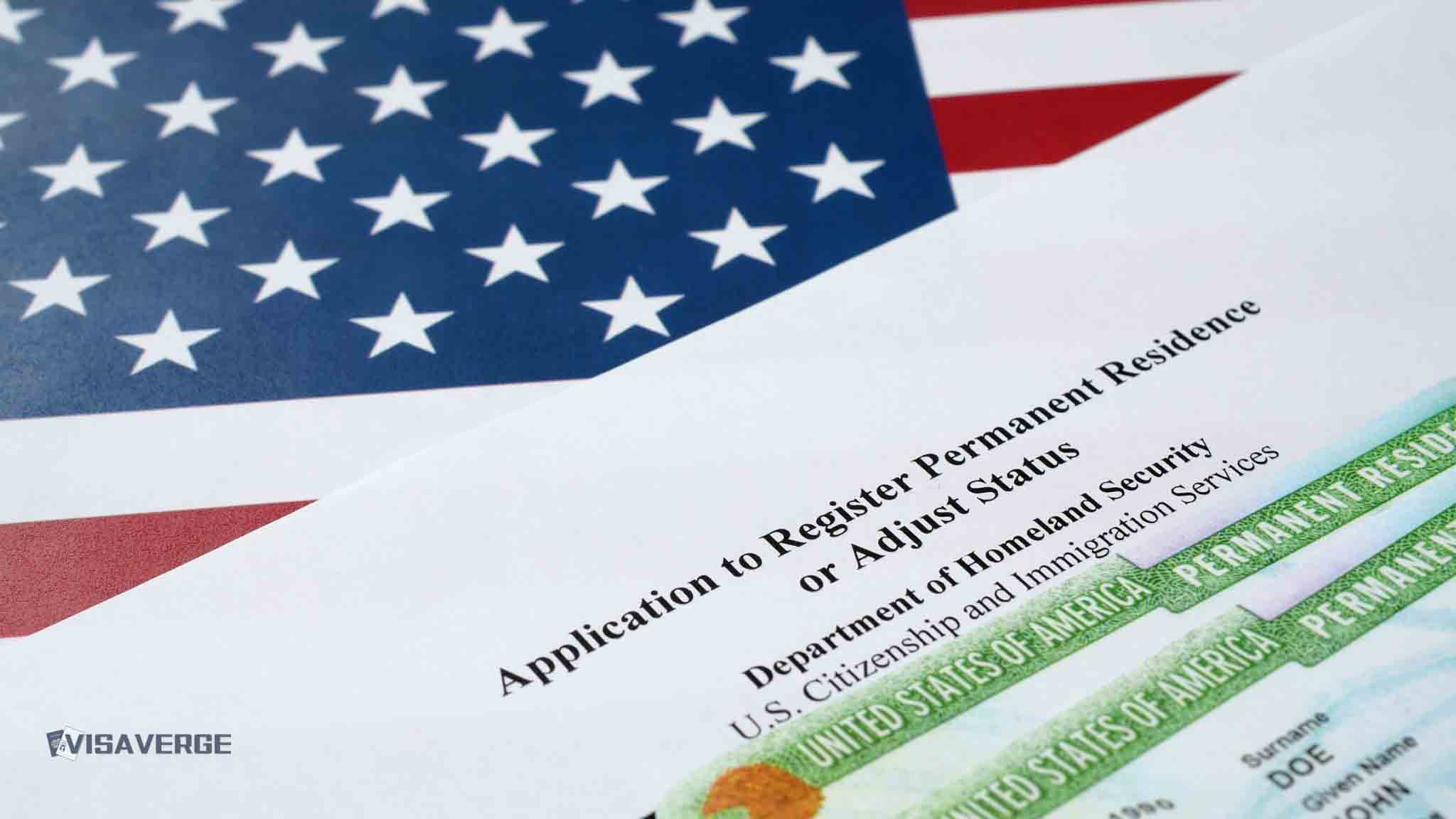
For official info on adjustment of status: Form I-485, Application to Register Permanent Residence or Adjust Status.
Step 8: If your case depends on entry records, check the I-94 every time
Entry records can contain errors that break benefits. The source mentions CBP annotation errors (e.g., in L-2 spouse cases), but the lesson applies across categories: check your I-94 after each entry.
CBP’s I-94 site is here: Get Most Recent I-94. Save a copy after travel and compare it to your status and dates.
Step 9: A realistic 2026 timeline you can plan around
Every case differs, but based on Processing Times and consular delays, a planning model often looks like this:
- Case preparation (job documents, LCA support, manager letters): build in extra time for remote/hybrid or third-party placements.
- USCIS filing to decision:
- Standard: 3–5 months average at California Service Center, up to 8 months.
- Premium (where eligible): 15 business days, but RFEs may reset timing.
- If an RFE arrives: expect a pause while you gather evidence and USCIS re-reviews.
- If visa stamping is needed: in India, appointments may shift from December 15, 2025 to March 2026 or later, with extra vetting extending timelines.
Key takeaway: assume the slow lane and build buffers. Treat faster results as a bonus, not the baseline.
Quick checklist (practical steps to reduce risk)
- Confirm case type (cap-subject, extension, transfer) before filing.
- Build a no-ambiguity job record: offer letter, LCA, job description, org charts.
- File 6–8 months ahead for extensions where possible.
- If using premium processing, ensure evidence is exceptionally clean — premium may produce RFEs, not straight approvals.
- Prepare for consular delays and the new $250 Visa Integrity Fee.
- Keep I-94 records after each entry.
- For portability, maintain payroll continuity and coordinate closely with new employer and counsel.
- File H-4 and EAD together and track expiration dates closely.
This structured approach preserves the original guidance: clean evidence, early filing, and consistent documentation will be the most practical defenses against RFEs, longer Processing Times, and consular delays in 2026.
In 2026 H-1B rules stay the same but administration intensifies scrutiny of duties, location, and wages, increasing RFEs and site visits. California Service Center processing averages 3–5 months (up to eight); premium processing remains 15 business days but can prompt RFEs. Consular delays—especially in India where interviews may move to March 2026—add months. Practical advice: assemble unambiguous job records and file extensions 6–8 months early to reduce risk.