- Domestic travelers need REAL ID-compliant identification or valid passports for airport checkpoints starting May 2025.
- A new $45 TSA verification fee will apply starting February 1, 2026, for non-compliant travelers.
- H-1B holders should sync license expiration dates with their I-94 and immigration approval notices.
(UNITED STATES) H-1B holders who want to fly domestically in 2026 need a REAL ID-compliant license, a passport, or another accepted federal ID. Since May 7, 2025, the TSA has required one of those documents at airport checkpoints, and the pressure rises again on February 1, 2026, when travelers without compliant ID can face a $45 TSA ConfirmID fee for identity verification.
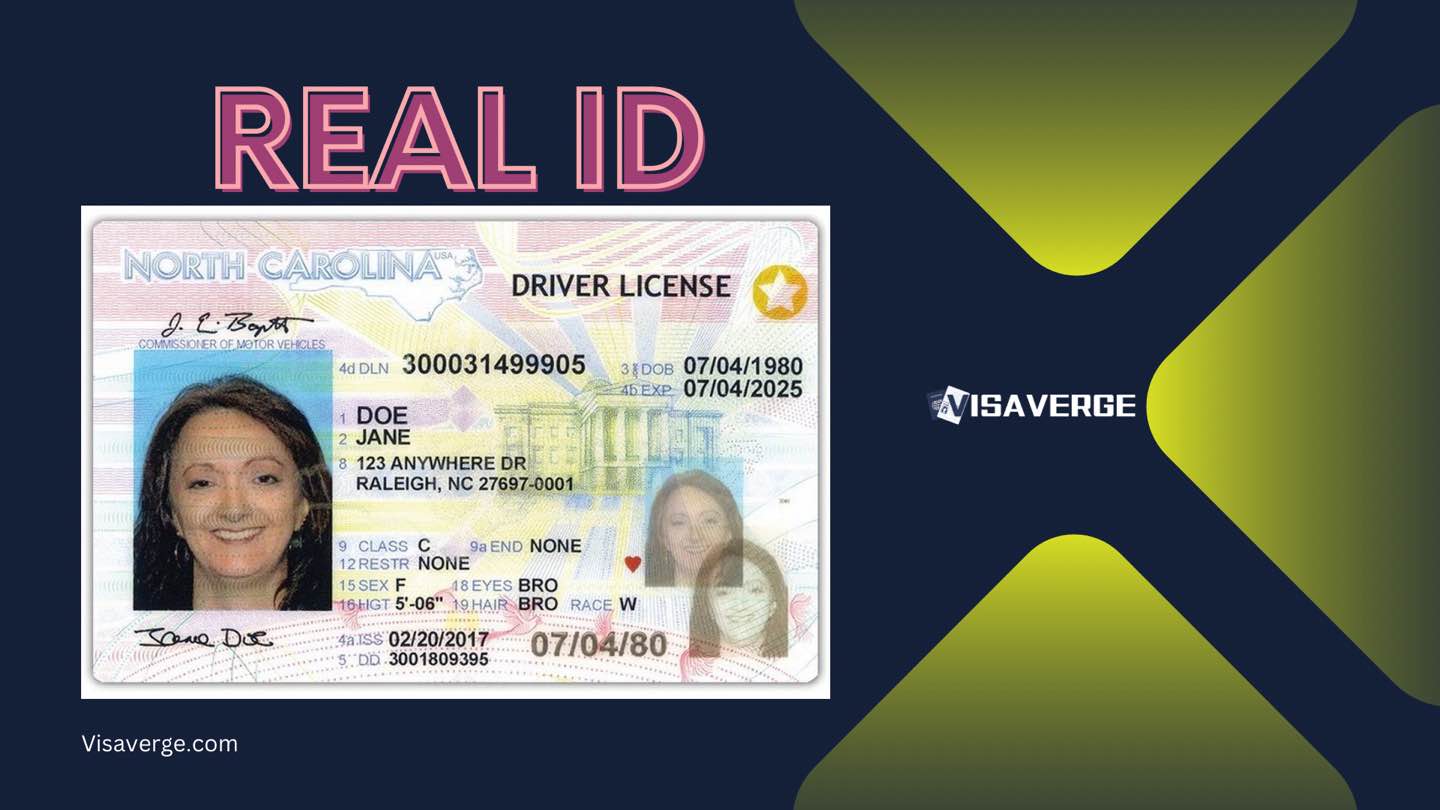
For many H-1B holders and dependents, this is not just an airport issue. It affects daily mobility, federal building access, and the simple act of keeping life moving on time. VisaVerge.com reports that the biggest delays come from document mismatches, SAVE verification waits, and state DMV rules that treat immigration status differently.
Why REAL ID matters for H-1B holders
REAL ID is a federal security standard created under the 2005 REAL ID Act. A compliant card has a star in the upper right corner, shown in gold, black, or white. It is not required for driving, banking, or buying alcohol. It is required for federal purposes.
Free toolH-1B Cost Calculator OnlineThat means TSA checkpoints, military bases, federal courthouses, and nuclear facilities. A passport also works for domestic flights, but carrying it everywhere creates risk. Losing a passport is far more disruptive than replacing a driver’s license.
For H-1B holders, the issue is practical as well as legal. Their stay is temporary, and most state DMVs tie the license end date to immigration authorization. That often means the card expires when the I-94 or H-1B approval ends.
What most states ask for
Most states issue REAL ID cards to H-1B holders and many dependents. The basic package is familiar, but the details matter. DMVs usually ask for originals, not photocopies.
Bring these documents:
- Proof of identity and lawful presence: an unexpired foreign passport with H-1B or H-4 visa, plus the I-94 arrival record.
- I-797 Approval Notice: useful for extensions, but often not enough by itself.
- Social Security Number proof: SSN card, W-2, pay stub, or paycheck showing the full number.
- Two residency documents: utility bill, lease, mortgage statement, bank statement, insurance letter, employer letter, or tax document.
- Name change proof: marriage certificate, divorce decree, or court order if names do not match.
The most common mistake is showing the passport and visa stamp without the I-94. The visa stamp can expire while lawful status continues. The I-94 and I-797 tell the real story. Print them before the DMV visit.
For dependents on H-4 visas, the same pattern usually applies. An EAD can help, but it is not always required. The key is showing lawful presence and matching identity records.
How the DMV process usually unfolds
The process is slowest when travelers wait until the last minute. DMV backlogs have grown since full REAL ID enforcement began. Appointments matter.
- Check your current card. If it has a star, it is already compliant.
- Gather the exact documents your state wants. Use the DMV checklist before you book.
- Schedule an in-person appointment. Walk-ins often mean longer waits.
- Bring originals and expect SAVE verification. States check immigration records through the federal SAVE system.
- Receive a temporary card first. The permanent one usually arrives by mail in one to three weeks.
- Renew after each immigration extension. If your H-1B is extended, update the DMV record before the old card expires.
A helpful official reference is the Department of Homeland Security REAL ID page. It explains the federal standard and lists accepted alternatives.
Where state rules diverge
This is where many applicants get tripped up. REAL ID availability is not uniform. Forty-seven states plus D.C. issue it to H-1B holders, but some states restrict it to citizens or permanent residents.
Examples from the current landscape include:
- Colorado and Kentucky: no REAL ID for H-1B holders.
- Washington: no REAL ID, but an enhanced alternative exists.
- California: accepts H-1B and H-4 applicants, with two residency proofs.
- Pennsylvania: charges $30 and usually wants two residency documents.
- Ohio: standard REAL ID rules apply, but travelers should keep the 2026 TSA fee in mind.
Other states issue limited-term cards that expire with immigration authorization. That is normal. It does not mean the DMV made a mistake. It means your license follows your legal stay.
Always check the DMV website in your own state before you go. Rules change, and front-counter staff sometimes apply them unevenly.
The problems that slow people down
The hardest cases usually involve mismatched records. A DMV clerk may see an expired visa stamp and miss the longer I-94 or approved extension. That creates confusion. The same problem shows up when a passport uses one name and a Social Security record uses another.
SAVE delays are another common snag. The federal database may lag behind a new H-1B approval or extension by days or weeks. In that window, the DMV may hold the application until verification clears. In some states, you can return with a passport and use that for TSA travel while the card is processed.
Name changes are also common for spouses. A marriage certificate or court order usually resolves the mismatch. Keep every document together.
Passport renewal can create another gap. If the passport is abroad, the DMV visit may need to wait until the new one arrives. The H-1B extension itself does not disappear, but the documents proving it must match what the clerk sees.
Why the 2026 fee change matters now
From February 1, 2026, travelers who arrive at airport security without a REAL ID-compliant card or other accepted document can be sent through ConfirmID, the $45 TSA identity verification option. That payment is not guaranteed to produce clearance, and it is often not reimbursable for official travel.
That changes the calculation for busy professionals. H-1B holders travel for client meetings, conferences, interviews, and family emergencies. A missed flight can ripple into missed work, lost hotel nights, and stress that spills into immigration planning.
A valid passport remains the strongest backup. Global Entry or an enhanced driver’s license also works where available. But a REAL ID card keeps the routine simple. It reduces the number of times a traveler must pull out a passport for a short domestic flight.
Federal verification and what to expect at the counter
DMV staff do not decide immigration status on their own. They submit your details through SAVE, the federal verification system used to check USCIS and DHS records. If the system confirms your status quickly, the card moves forward. If it does not, the application pauses.
That is why timing matters. Many applicants do better after an H-1B extension is approved, not before. Bring the new I-797, the I-94, and the passport together. If your current license expires first, use your passport for travel until the DMV update is finished.
The practical goal is simple: avoid a surprise at the checkpoint. The airport is not the place to discover a document problem.
The documents that keep travel calm
For H-1B holders, the safest travel folder includes the passport, the visa page, the I-94 printout, the I-797 approval notice, SSN proof, and two residency documents. Keep a copy of your name-change papers if your records differ. Store the set somewhere easy to reach.
That preparation helps at the DMV and at the airport. It also helps families. H-4 dependents face the same federal travel rules, and children’s IDs often need special attention as they grow.
REAL ID is now part of the ordinary immigration routine in the United States. For H-1B holders, the card is not a luxury. It is a practical shield against delays, fees, and checkpoint problems.