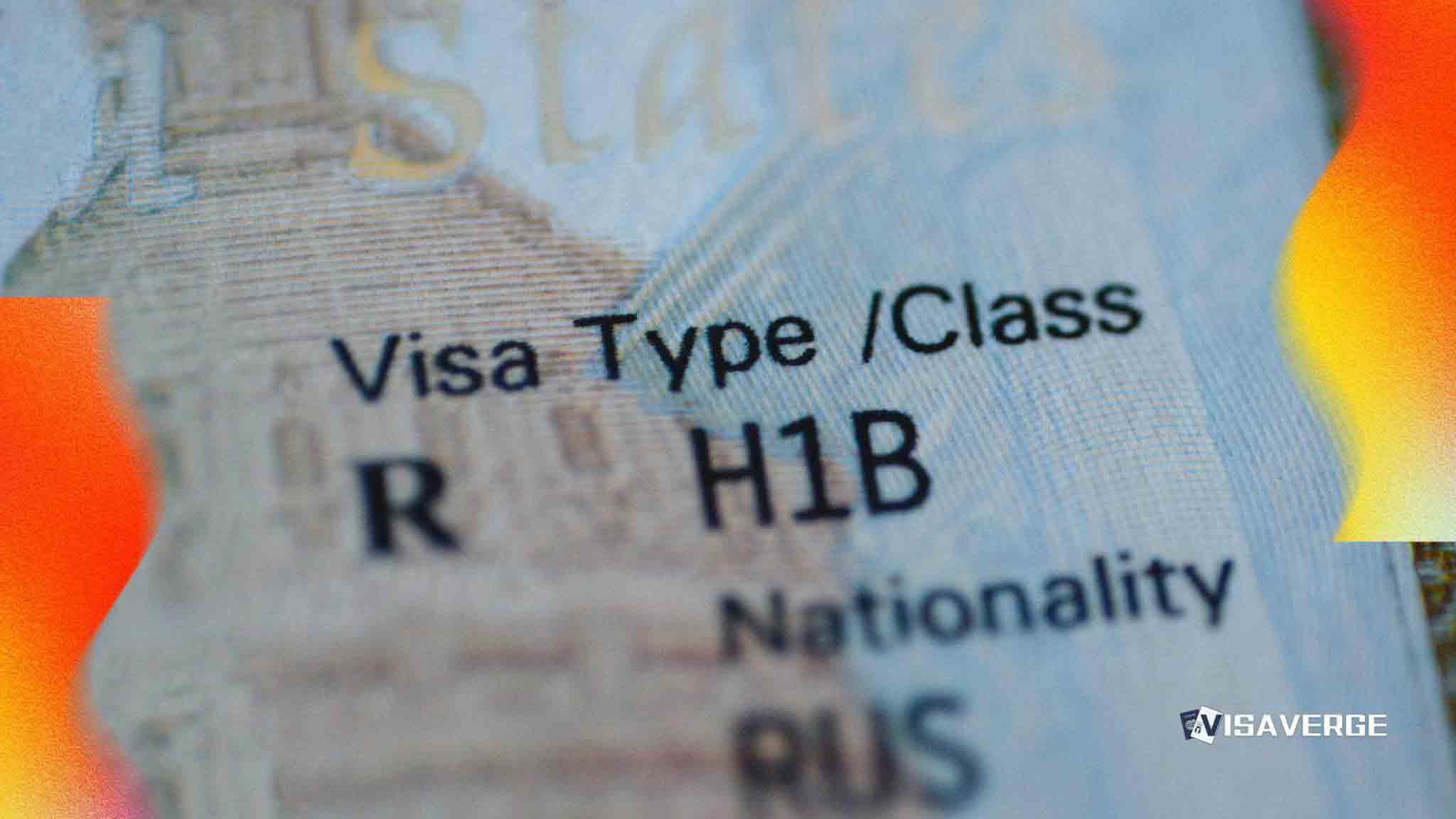
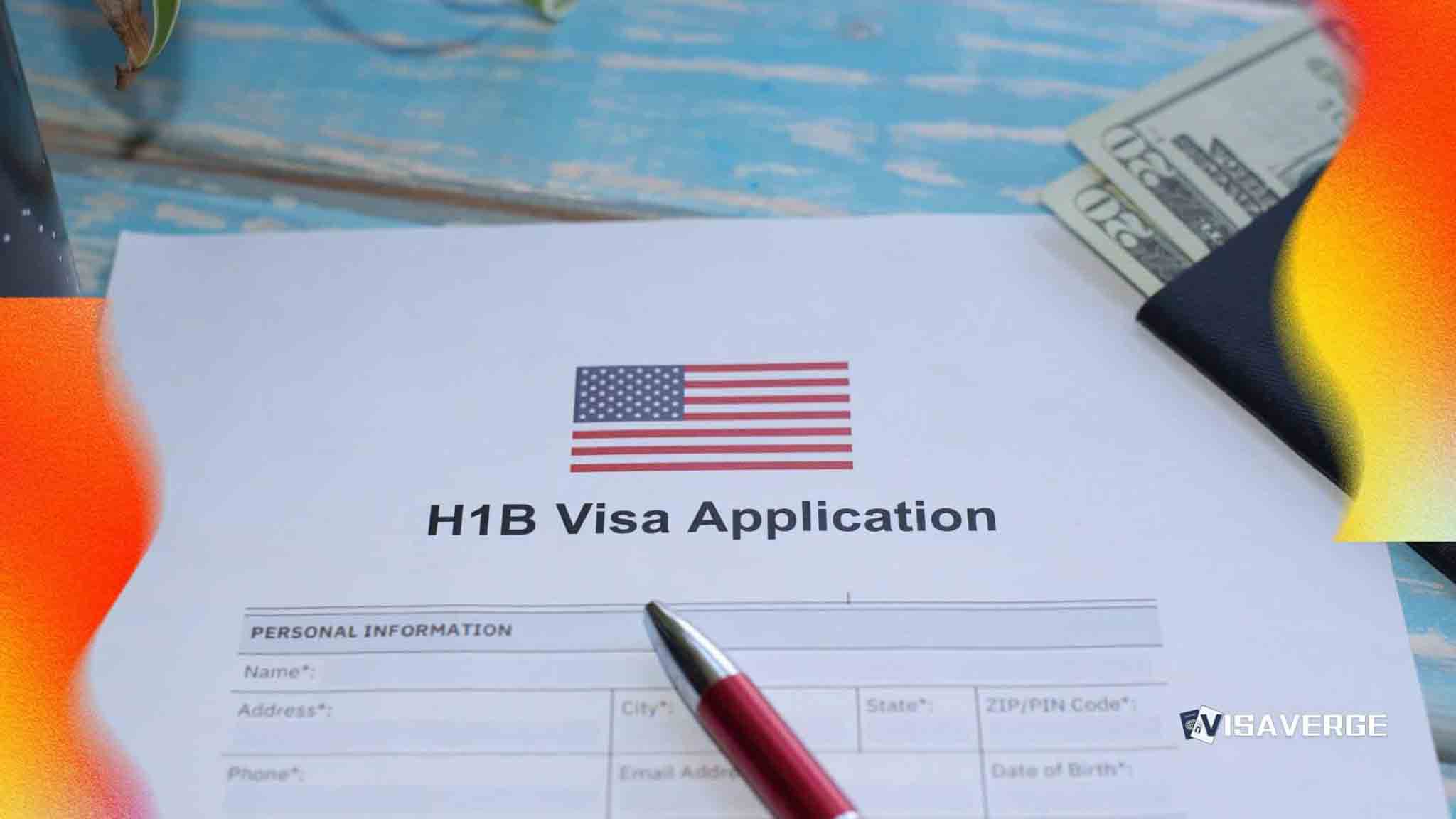
- H-1B consular processing involves obtaining a visa stamp at a U.S. embassy before entering the country.
- A 2025 proclamation introduced a $100,000 supplemental fee for specific petitions filed for beneficiaries abroad.
- Applicants may face 221(g) administrative processing which can delay visa issuance by several months.
H-1B consular processing is the path for skilled workers outside the United States who need a visa stamp at a U.S. embassy or consulate after USCIS approves the petition. It is also the route used when an employer never requested change of status. For many applicants, the difference is practical and immediate: consular processing means travel, an interview, and a passport stamp before entry, while change of status lets people in the U.S. move into H-1B status without leaving.
Choosing between consular processing and change of status
The first decision happens before filing moves ahead. Change of status applies to people already in the U.S. in a valid nonimmigrant status, such as F-1, OPT, L-1, or H-4. If the employer files Form I-129 and requests change of status, approval usually switches the worker into H-1B on the effective date, often October 1 for cap cases. The person does not need to leave the country. But travel abroad while that request is pending abandons it.
H-1B consular processing is required when the worker is abroad, when no change of status was requested, or when a person later needs a visa stamp for reentry. According to analysis by VisaVerge.com, the late-2025 presidential proclamation that added a $100,000 supplemental fee for certain H-1B petitions filed for beneficiaries abroad has pushed many employers to favor U.S.-based change of status cases instead. That fee does not apply to most F-1 OPT transitions.
Free toolH-1B Cost Calculator OnlineEmployer filing before the visa stage
The process starts with the employer. First comes the Labor Condition Application, or LCA, with the Department of Labor. That step usually takes 7–10 business days. The employer then files Form I-129 with proof of the job, the wage, the worker’s degree, foreign credential evaluations if needed, and evidence that the job is a specialty occupation. Premium processing through Form I-907 carries a 15-day response goal and a $2,805 fee as of 2026.
When USCIS approves the petition, it issues Form I-797, the approval notice that opens the consular stage. For FY2027, registration ran from March 4–19, 2026, notifications went out by March 31, and filing began on April 1 within a 90-day window.
DS-160, fees, and the interview booking
After approval, the applicant completes the online DS-160 nonimmigrant visa application. Accuracy matters here. Mistakes lead to delays and often trigger 221(g) administrative processing. The applicant also pays the $205 MRV fee for H-1B visa processing as of 2026. H-4 dependents complete their own DS-160 forms as well.
The next step is creating a profile in the Consular Electronic Application Center, choosing the embassy or consulate, and booking the earliest open interview. Wait times have stretched sharply at many posts. As of March 2026, some locations in India and China faced 6–12+ month backlogs because of enhanced vetting. Interviews scheduled after December 15, 2025 were being pushed into March–June 2026 in some posts. Check the U.S. Department of State visa appointment and status page for current information.
What to bring to the interview
A strong file reduces delays. Applicants should carry originals and copies of:
- Valid passport with at least six months beyond the intended stay
- DS-160 confirmation page
- I-797 approval notice
- MRV fee receipt
- Two passport photos, 2×2 inches, white background
- Job offer letter, employment contract, and LCA
- Degrees, transcripts, and credential evaluations
- Employer letters showing duties, salary, and specialty occupation support
- Pay stubs and tax returns if there was prior U.S. work
- H-4 documents for dependents
- Evidence of ties to the home country, such as property, family, or bank records
The visa officer’s job is to confirm the petition, the worker’s qualifications, and nonimmigrant intent. Interviews often last only 2–5 minutes.
What happens at the embassy or consulate
The officer usually asks about job duties, salary, why the employer hired the applicant, and how the degree fits the role. Questions also focus on what happens after the visa expires and whether the applicant has ties to home. Answers should be clear, honest, and consistent with the petition. If the visa is approved, the passport is kept for stamping and later returned, often in 1–2 weeks through courier delivery.
The stamp itself does not grant status inside the United States. It authorizes a person to seek entry at the port of entry. The H-1B period usually matches the I-797 validity, up to three years initially, with extensions available.
When 221(g) slows everything down
A consular officer can issue a 221(g) administrative processing notice instead of a final yes or no. That means the case needs more documents or extra review. Common triggers include missing paperwork, security checks, and technology-based screening. By 2026, enhanced social media vetting had expanded reviews and pushed some cases into longer waits.
Applicants track the case in CEAC. A status of “Refused” or “Administrative Processing” often means the file is still moving. When the embassy asks for more documents, they should be sent quickly through the requested channel. More than 50% of these cases resolve favorably, but the wait can still last from 1 to 12+ months.
As of March 2026, reported wait times included Mumbai, India: 8–12 months for interviews and 2–6 months for admin processing; Chennai, India: 10–14 months and 3–8 months; Beijing, China: 6–10 months and 1–4 months. The global average listed was 4–12 months for interviews and 1–3 months for admin processing.
Entry at the port of entry and reentry after travel
After the visa is issued, the worker can travel to the United States and present the passport, visa stamp, and I-797 to Customs and Border Protection. The officer checks the record and issues an electronic I-94. Entry is allowed up to 10 days before October 1 for cap cases, but work starts on the H-1B effective date.
Travel rules are strict. A person needs a visa stamp for reentry after travel. Change of status inside the United States does not create a stamp. Job loss ends H-1B status, though there is a 60-day grace period. Travel during a pending transfer or extension can create abandonment problems. H-4 children lose eligibility when they turn 21.
Family cases, risks, and what employers watch
Spouses and unmarried children under 21 use H-4 visas and separate DS-160 forms. They can accompany or follow the principal worker. Recent H-4 employment rules remain limited.
The biggest risks after USCIS approval are consular delay, a 221(g) administrative processing hold, or a refusal based on immigrant-intent concerns under section 214(b). Employers also face a new calculation in FY2027 because the $100,000 fee affects certain abroad-based filings. That makes timing, filing strategy, and travel planning matter even more.
Raj Patel’s Bangalore case shows the stakes. His employer paid the supplemental fee, his interview was delayed by vetting, and he later cleared a 221(g) review after 45 days. He entered on September 25, 2026 and started work on October 1. For workers and employers, the process rewards early filing, complete paperwork, and patience through the consular stage.