In the age of digital nomadism and remote work, H1B visa holders are often left wondering about their ability to telecommute, especially when such arrangements cross international borders. The intricacies of U.S. immigration policies can add layers of complexity to what might seem like straightforward decisions. This comprehensive guide sheds light on the process and requirements for H1B visa holders contemplating remote work, specifically focusing on the Labor Condition Application (LCA) requirements and various scenarios that might apply.
Can H1B Visa Holders Work Remotely?
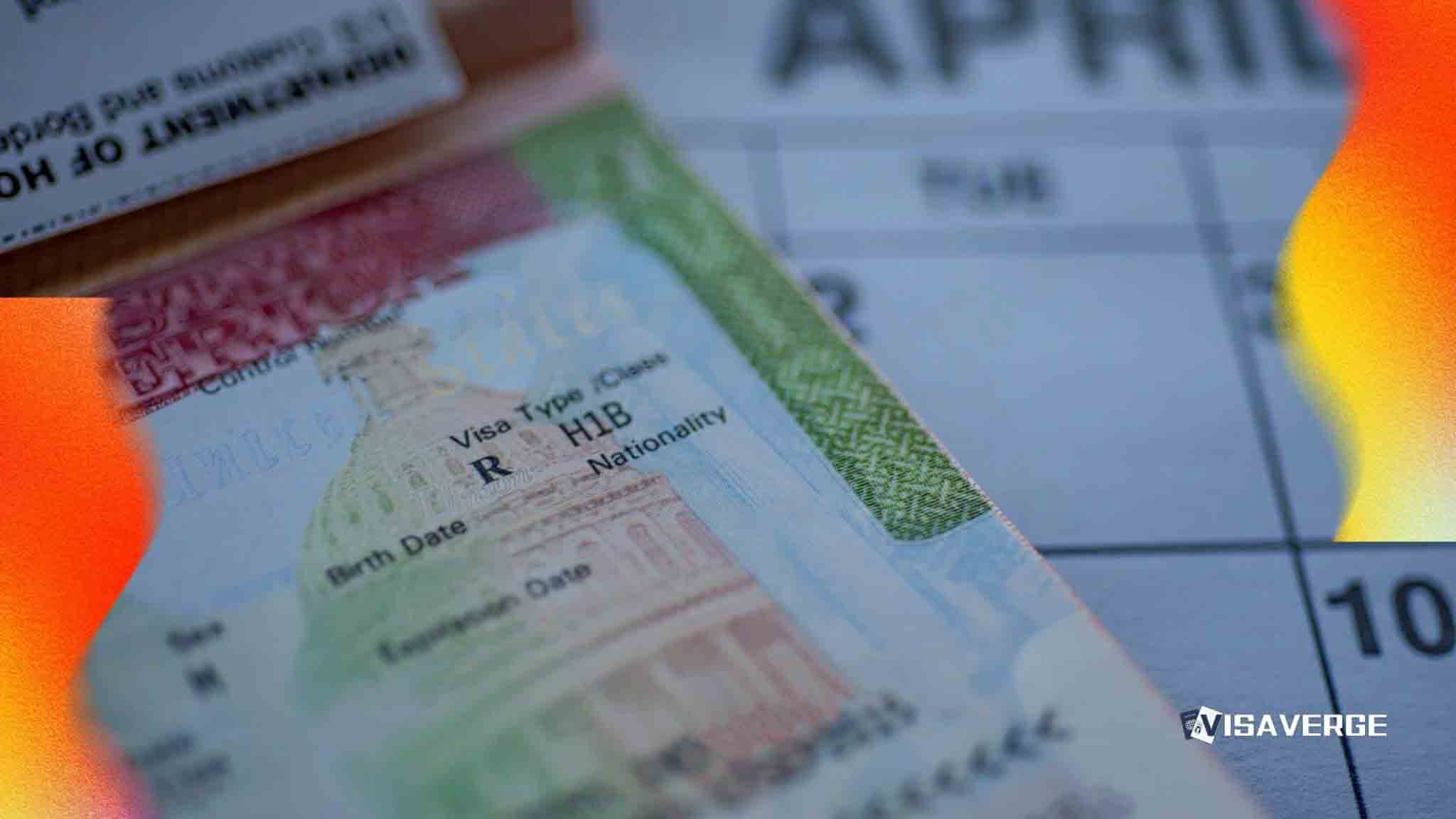
Indeed, H1B visa holders can work remotely, but not without adhering to specific requirements. The U.S. issues a statutory cap of 65,000 H1B visas annually, with an additional 20,000 reserved for foreigners graduating with a master’s degree or higher from U.S. institutions. For those holding or pursuing this visa and eyeing remote work opportunities, understanding these requirements is paramount.
Free toolH-1B Cost Calculator OnlineUnderstanding the Labor Condition Application (LCA)
The Labor Condition Application (LCA) is pivotal for H1B, H1B1, and E3 visa holders. Employers must file an LCA on behalf of their non-immigrant employees, seeking approval from the Office of Foreign Labor Certification of the United States Department of Labor Employment and Training Administration. The filing is completed using the ETA Form 9035.
Is an LCA Required for Remote Work on an H1B Visa?
Yes, but with nuances. The necessity of filing a different LCA for remote work hinges on the specifics of your situation. Notably, if your home office is within the “geographical area of the intended employment” and doesn’t deviate from the SOC Code or role outlined in your original LCA, a new LCA may not be necessary. To determine if your residence falls within the same Primary Metropolitan Statistical Area (PMSA) or Metropolitan Statistical Area (MSA) as your physical office, refer to the DOL MSA map.
Key Requirements for H1B Remote Work
Should you intend to work remotely in a location not specified in your original LCA but within the same MSA, the regulations demand that an electronic or physical copy of the LCA be made present at your new work location. This imposition extends to remote work conducted from your home, necessitating the LCA be posted in two conspicuous locations there for a period of 10 days before commencing work.
Special Considerations for Working Remotely from Outside the U.S.
H1B visa holders retain the ability to work remotely from outside the United States, facilitated by relaxed LCA requirements during times of crisis like the COVID-19 pandemic. However, should remote work exceed 60 days or the new work location sit beyond 50 miles from the approved worksite, a new LCA alongside an amended H-1B petition must be filed. Additionally, maintaining ties to the employer and original worksite is essential for preserving visa status during periods of remote work under 60 days.
For in-depth information on filing the Labor Condition Application (LCA), you can visit the U.S. Department of Labor’s website.
Specific Considerations for Remote Work from India
The pandemic induced an exodus of H1B workers to India, many of whom continue working remotely for U.S. employers. This arrangement often necessitates adjustments regarding salary and employment structure, adhering to both U.S. and Indian laws. Employers are required to post a notice at the U.S. worksite, signaling that a foreign worker is employed remotely from India. Keeping copies of tax returns and employment records is advised for H1B workers in India to evidence their work status and location.
Frequently Asked Questions About H1B Remote Work
Can I work remotely on an H1B visa from a different state or country?
Yes, but doing so usually requires filing a new LCA and potentially an amended H1B petition. This is especially true when changing states within the U.S., given fluctuating wage levels.
Does remote work affect my path to permanent residency?
Remote work should not directly impact your eligibility for permanent residency, provided your employment conditions remain consistent with those outlined in your visa documentation.
What if my remote work location changes?
Immediately inform your employer. Changes could necessitate a new LCA filing or H1B petition amendment.
Can consultants on an H1B Visa work remotely?
Consultants can work remotely, although their situation may necessitate using the “short-term placement” provision if the work doesn’t occur within the same MSA as the LCA-listed “Place of Employment.”
How do I handle exceeding 30 or 60 days of short-term placement?
Exceeding these limits without adjusting your LCA or filing an H1B Amendment constitutes a violation of the LCA terms. Proactive filing for the new location before reaching these thresholds is crucial.
Navigating the complexities of remote work as an H1B visa holder demands a diligent approach to compliance with U.S. immigration policies and understanding of the Labor Condition Application requirements. While remote work offers flexibility and global mobility, maintaining adherence to the guiding principles of your visa ensures that your status – and path to potential residency or further opportunities in the U.S. – remains secure.
This Article In A Nutshell:
H1B visa holders can work remotely, but comply with strict regulations. The Labor Condition Application (LCA) is crucial, requiring compliance approval for remote work situations. Working within the same Metropolitan Statistical Area is feasible without a new LCA. Remote work beyond the U.S. mandates filing updated LCAs and H1B petitions. Maintaining ties with employers is crucial.
— By VisaVerge.com
Read More:
- Understanding H-1B Visa Approval Notices: I-797, I-797A, I-797B, I-797C Explained
- TCS Accused of Replacing U.S. Workers With H-1B Visa Holders: An Overview
- H-1B Visa 2025: New USCIS Application Rules to Avoid Rejection
- How to Check Your H-1B Lottery Results: A Step-by-Step Guide
- H-1B Lottery Application Decline Expected After New Rules