Key Takeaways
- iPhone smuggling from the U.S. to India stems from price disparities and high Indian import taxes.
- Organized networks and individuals use creative methods to bypass customs and avoid duties in India.
- Government seeks to reduce import duties and loopholes to discourage smuggling and support local manufacturing.
The smuggling of iPhones from the U.S. to India ?? is a complex puzzle, largely due to price differences and India’s high import taxes. These imported devices are much cheaper in other places, causing a rise in demand for smuggled iPhones. This issue is not just about individuals sneaking phones; it’s part of organized networks that use clever methods to bypass laws and avoid paying taxes.
How Smuggling Happens
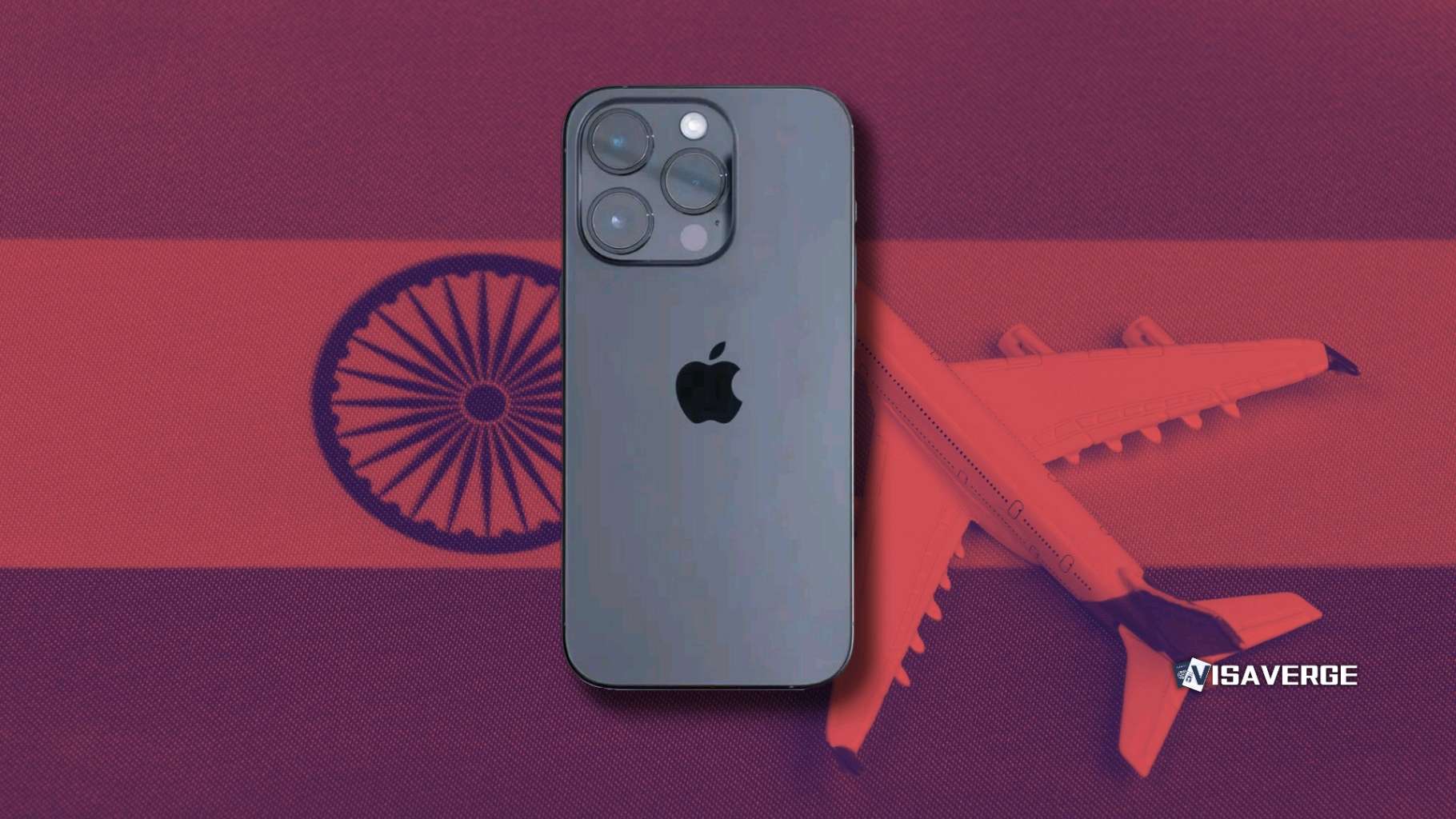
Smugglers get creative in hiding iPhones. Some wrap them in tissue or hide them in personal bags. Others pretend these phones are used by unboxing them or say they’re just for personal use. At a larger scale, organized smuggling networks may label iPhone shipments as something else, like memory modules, to get past customs unnoticed.
Free toolB1/B2 Tourist Visa Stay Calculator onlineWho’s Involved?
There are mainly two groups involved in this activity:
- Individual Carriers: Many people try to sneak in phones during their travels to save money by avoiding expensive import taxes.
-
Organized Rackets: Bigger operations involve networks exploiting legal loopholes, such as misusing certain privileges to skip customs checks.
Economic Triggers
The key reason for this smuggling is the stark price disparity. An iPhone 16 Pro Max, for example, can be up to ₹30,000 cheaper abroad due to lower taxes. In India, besides the phone cost, buyers face a 22% basic customs duty and an 18% GST on imported phones. VisaVerge.com’s investigation reveals that these factors play a significant role in encouraging smuggling.
Economic Impact
This illegal activity causes a loss of revenue for the Indian government, estimated to be over ₹10,000 crore annually. Smuggling disrupts the local market and puts pressure on India’s domestic manufacturers, who struggle to compete with these cheaper, unlawfully imported iPhones.
Legal and Social Risks
Getting caught smuggling can lead to hefty fines and penalties under the Customs Act. Yet, the potential savings on high-end devices tempt many people to take the risk. Meanwhile, customs officials are working hard to detect these networks. They’re increasing vigilance on imports, but the high volume of travelers and innovative methods used by smugglers make this task challenging.
How India is Responding
The Indian government is looking at possibly reducing import duties on expensive phones to make legal purchases more appealing. By lowering these taxes, the incentive for smuggling might decrease. Additionally, closing loopholes used by these networks is a work in progress.
Expert Recommendations
Experts suggest adjusting India’s import duties to match international standards. This could lower the appeal of smuggling. Also, boosting local manufacturing through incentives could help by lowering prices in India.
Smuggling iPhones from the U.S. to India is not just an economic issue; it also impacts legal frameworks and the local market. As these challenges continue, a mix of policy changes, enforcement, and public awareness is needed to lessen the scale and impact of smuggling. For further details on how customs handle these cases and to explore legalities, you can visit the India Customs Portal. This site offers an in-depth look at current laws and processes guiding import activities in India.
Learn Today
Smuggling: Illegal movement of goods across borders to evade taxes and legal restrictions, involving individuals or organized networks.
Import Taxes: Duties imposed on goods brought into a country, contributing to large price differences for imported products.
Customs Duty: A tax levied on imports to protect domestic industries and generate revenue, influencing smuggling activities.
Organized Rackets: Coordinated groups that exploit legal loopholes for large-scale illegal activities, such as smuggling goods.
Customs Act: Legislation governing the import and export of goods, with penalties for violations like smuggling.
This Article in a Nutshell
Smuggling iPhones from the U.S. to India thrives on price disparities and high Indian import taxes. Individuals and organized networks employ ingenious methods to bypass customs, causing significant revenue loss and market disruption. To curb this, India considers reducing import duties and enhancing local manufacturing incentives, aiming for a balanced tech ecosystem.
— By VisaVerge.com
Read more:
• UK Increases Student Visa Funds: Impact on Indian Students
• India-UK Free Trade Agreement Stalled Over Visa Issues
• Indian Supreme Court Validates Citizenship Act’s Section 6A
• Japan: A Growing Hub for Indian Students
• How to Apply for OCI and Renounce Indian Passport: Step-by-Step Guide