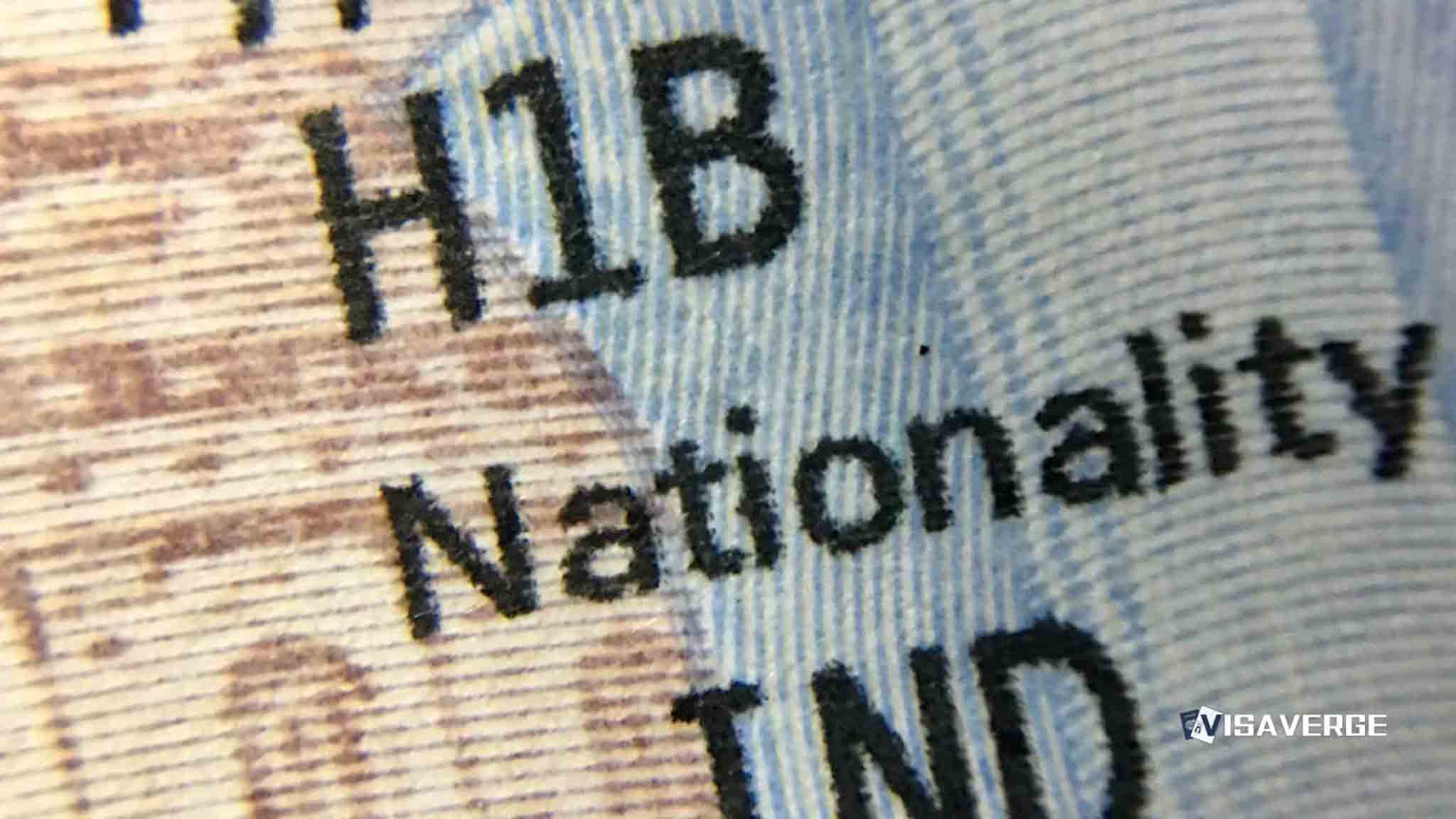
Congratulations on Your H-1B Visa Approval: Understanding the Final Step with the Consular Authority

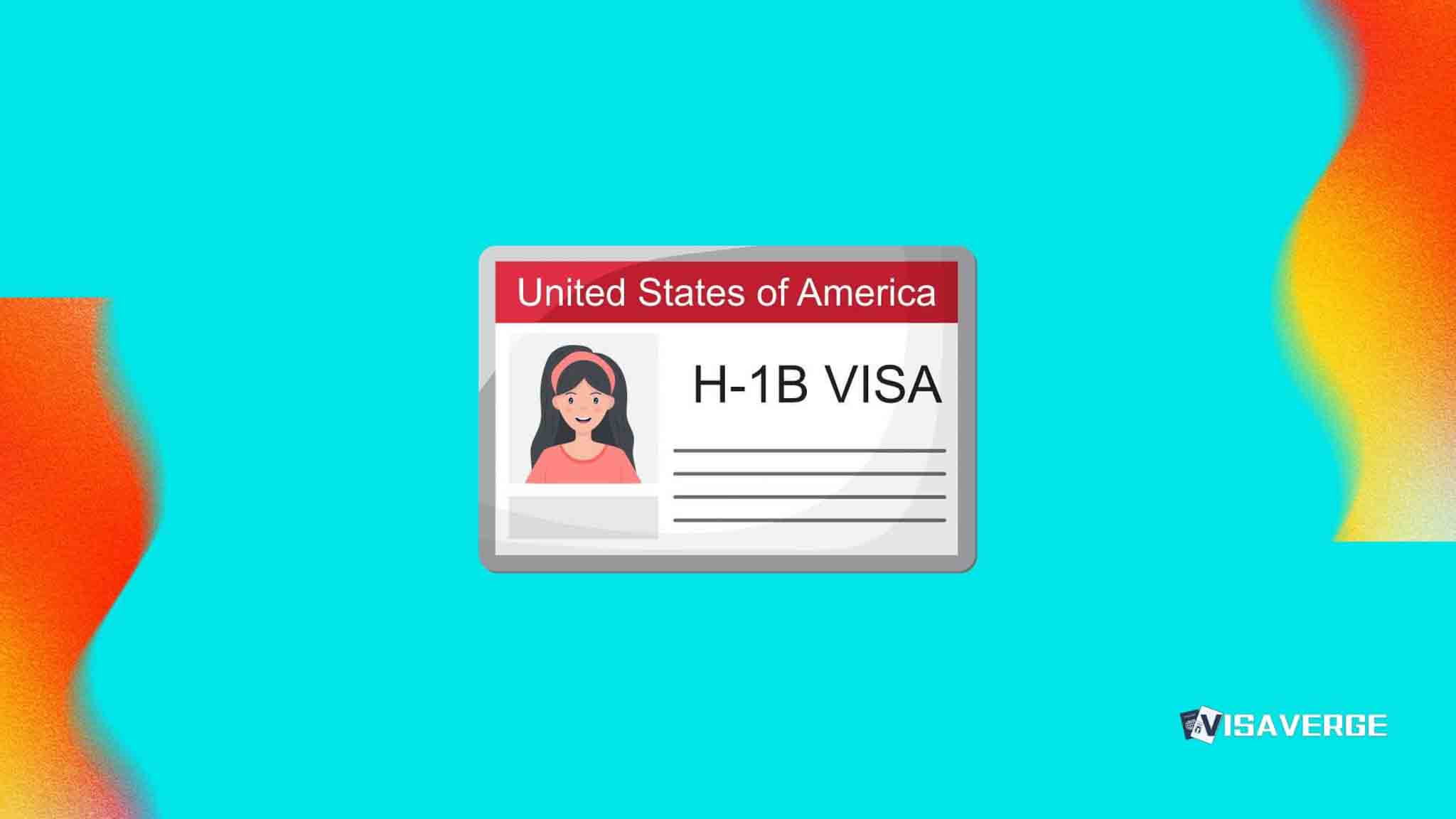
So, your H-1B petition has been approved by the United States Citizenship and Immigration Services (USCIS). This moment marks a significant milestone in your journey to work in the U.S. under the H-1B visa category. However, obtaining USCIS approval is just one part of the process. The final and crucial step involves a consular officer, who plays a significant role in visa issuance. Let’s demystify the pivotal role of the consular officer in the context of your H-1B visa journey.
Free toolH-1B Cost Calculator OnlineWhat Power Does a Consular Officer Hold Over My H-1B Visa Issuance?
You might wonder about the extent of authority a consular officer holds regarding your already approved H-1B visa. Although your H-1B petition has been green-lit by USCIS, this does not automatically guarantee visa issuance. The consular officer conducts a separate and independent review process, focusing on your eligibility and adherence to visa requirements.
Why is the Consular Officer’s Role Critical in the Visa Process?
The consular officer’s examination is the definitive step towards your dream of working in the U.S. under the H-1B program. This scrutiny ensures that all applicants meet the U.S. Department of State’s standards and guidelines for visa issuance. The consular officer evaluates:
- Legitimacy of Documents: Ensuring that all submitted documents are authentic and correctly demonstrate your eligibility for the H-1B visa.
- Adherence to Visa Conditions: Verifying that the applicant intends to comply with the terms of the H-1B visa, including the period of stay and employment conditions.
- Security and Health Concerns: Assessing any potential security risks or health issues that might disqualify the applicant from entering the U.S.
What Factors Influence a Consular Officer’s Decision?
The consular officer takes several aspects into account when making a decision on your H-1B visa issuance. These include:
- Verification of Employment: Confirmation of your employment with the petitioning U.S. employer and the legitimacy of the position offered.
- Evaluation of Intent: Determination of your intent to return to your home country after the visa expires, unless a change in status is approved by USCIS.
- Criminal History and Security Checks: Review of any criminal history or security concerns that might affect eligibility.
- Public Health Safety: Examination of health records to ensure public safety and compliance with vaccination requirements.
How Can You Prepare for the Consular Officer’s Review?
While the consular review might seem daunting, preparation is key to navigating it successfully. Here are some actionable tips:
- Gather and Organize Your Documents: Make sure all your documents are in order, including your employment offer, proof of qualifications, and any previous communication with USCIS.
- Review Your Application: Be familiar with the information submitted in your H-1B petition and be prepared to discuss it.
- Understand the H-1B Visa Requirements: Familiarize yourself with the visa rules and conditions to demonstrate your compliance and intent positively.
Where Can You Find Authoritative Information?
For the most accurate and up-to-date information on visa issuance and consular officer’s roles, the U.S. Department of State’s Bureau of Consular Affairs is the go-to resource. This platform provides detailed guidance on the entire visa process, including preparation for your consular interview.
Embrace the Final Step with Confidence
The consular officer’s review might be the last hurdle in your H-1B visa process, but it’s a manageable one with the right preparation. By understanding the authority and role of the consular officer, you can approach this phase with confidence. Remember, the goal of this process is to ensure that every H-1B visa holder meets the stringent criteria set by the U.S. government, ultimately paving the way for a successful tenure in the United States.
This Article In A Nutshell:
Your H-1B visa approval is a huge win, but the consular officer’s verification is the final step. They ensure document authenticity, intent compliance, and security checks. Prepare by organizing documents, understanding visa rules, and reviewing your application. For accurate details, visit the U.S. Department of State’s Bureau of Consular Affairs. Success awaits!
— By VisaVerge.com
Read More
-
Exploring Alternatives to the H-1B Visa Lottery: Options If You Don’t Get Selected
Discover various pathways and strategies to consider if you don’t secure an H-1B visa through the lottery system. -
Understanding H-1B Visa Processing Times and Fees: A Detailed Chart
A comprehensive guide to help you navigate the timeline and costs associated with applying for an H-1B visa. -
H-1B Denial Rates: Trend Analysis for Employers
An insightful analysis for employers on the trends and rates of H-1B visa denials over recent years.