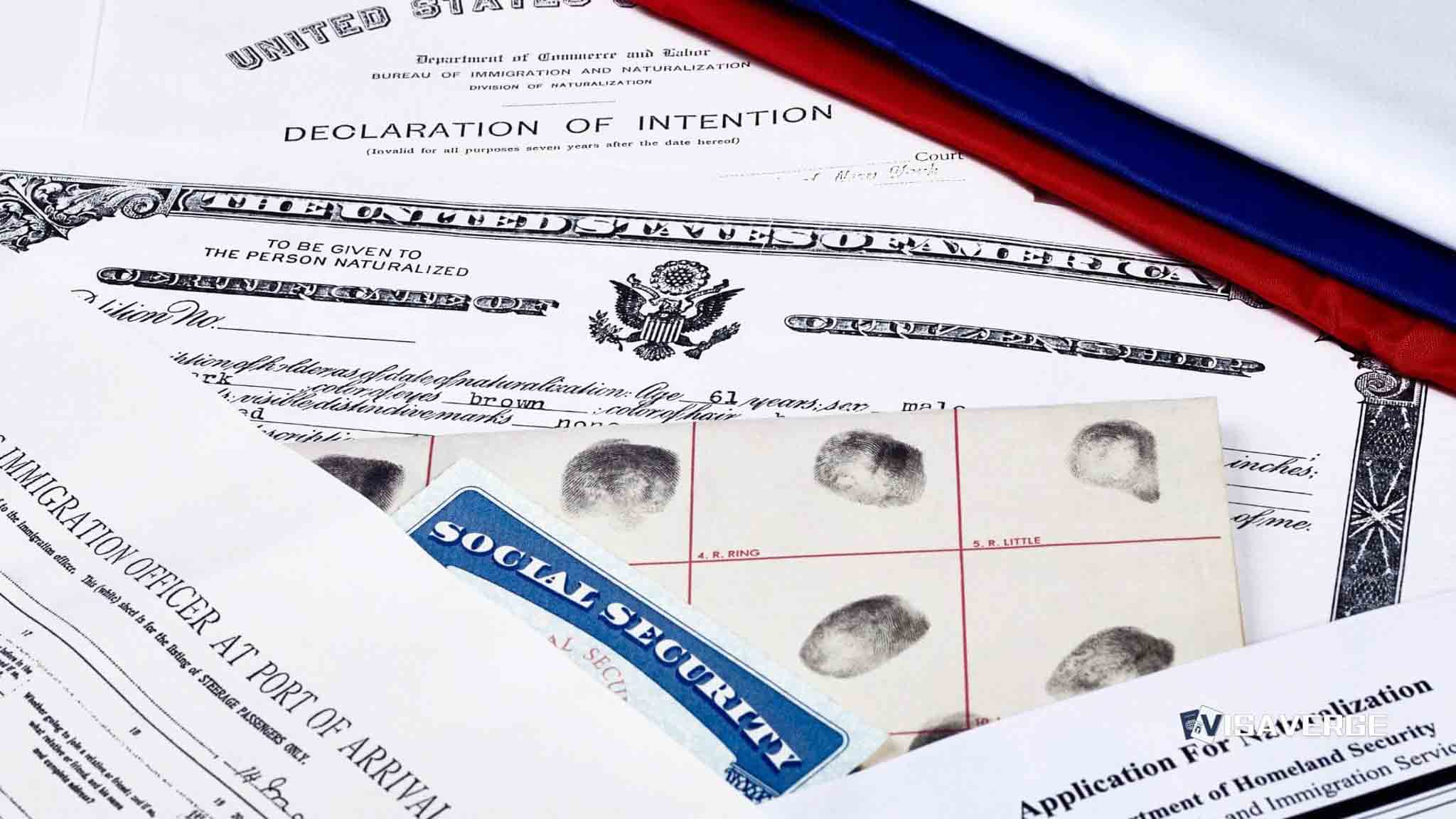
- U.S. employers are increasing green card sponsorships in 2026 to address critical labor shortages.
- The PERM labor certification process has accelerated to 4-6 months for many applications.
- Employment-based categories now represent nearly 17 percent of all green cards issued annually.
U.S. employers are filing more green cards for foreign workers in 2026, and the process is moving faster than it has in years. For many workers, employer sponsorship is now the main path to permanent residence in the United States ??.

That shift matters because employment-based immigration now carries a larger share of green card activity. In fiscal year 2023, 1.17 million people received green cards, a 15.2% increase from the year before, and nearly 17% came through employment-based categories. VisaVerge.com reports that labor shortages, especially in technology and healthcare, are pushing companies to sponsor more workers.
The employer sponsorship path from job offer to green card
The process usually starts with a permanent job offer. The employer must show that the role is real, full-time, and offered at the required wage. From there, most cases move through three main stages.
Free toolCSPA Age-Out Calculator OnlineFirst comes PERM labor certification. This step belongs to the U.S. Department of Labor and proves that no qualified U.S. worker is available for the position. The employer must advertise the job, review U.S. applicants, and document the recruitment effort. Recent improvements have cut PERM processing to about 4-6 months.
After PERM approval, the employer files Form I-140, Immigrant Petition for Alien Worker. That petition asks USCIS to place the worker in the proper employment-based category.
- EB-1 for workers with extraordinary ability, outstanding professors, and multinational managers
- EB-2 for professionals with advanced degrees or exceptional ability
- EB-3 for skilled workers, professionals, and some other workers
If the I-140 is approved and a visa number is available, the worker takes the final step. Workers in the United States file Form I-485, Application to Register Permanent Residence or Adjust Status, found on the USCIS green card page. Workers abroad go through consular processing at a U.S. embassy or consulate.
Why companies are sponsoring more workers
The surge is tied to hiring pressure. U.S. employers cannot fill many roles locally, especially in science, technology, engineering, math, healthcare, and research. Companies also use sponsorship to keep workers they have already trained. A green card offer often matters more than salary alone when competing for global talent.
Large sponsors include Verizon Communications, Texas Instruments, Bank of America, Home Depot, Juniper Networks, UBS Services, and Amgen. These companies file hundreds or even thousands of green card applications each year. Sponsored salaries range from $29,000 to over $159,000, depending on the job and company.
Technology firms lead the field, but healthcare, finance, consulting, academia, and research all depend on employment-based immigration. Hospitals sponsor doctors, nurses, and medical researchers. Universities sponsor professors and scientists. Banks and consulting firms sponsor analysts, accountants, and business specialists.
Many employers now cover more than the filing fees. They pay legal costs, give relocation help, and assign internal immigration teams. That support reduces delays and helps workers settle into the U.S. more quickly.
Backlogs, priority dates, and the current wait
A faster PERM process does not erase every delay. The biggest bottleneck remains the visa number system. Each applicant has a priority date, which is the place in line created when the labor certification or immigrant petition is filed. The worker can move forward only when that date becomes current in the monthly Visa Bulletin.
For many employment-based cases, the Visa Bulletin has moved forward, and more categories are current. That gives more workers a chance to file sooner. Still, country-specific caps keep wait times longer for applicants from India and China, where demand is high and annual limits remain tight.
The government’s monthly bulletin is the central checkpoint for timing. The latest Visa Bulletin from the Department of State shows which categories can move ahead. Employers and workers check it every month because even one movement can change when a case reaches the next stage.
What employees should ask before a case begins
Workers who expect employer sponsorship should ask direct questions early. The answers shape the whole case.
- Will the company start PERM soon, or later?
- Who pays the legal fees and filing costs?
- Which employment-based category fits the role?
- Does the company handle green cards for employees already in the U.S. and those abroad?
- How does the employer track priority dates and Visa Bulletin movement?
Those questions matter because the process takes time, and each employer handles it differently. A worker who knows the plan can prepare documents early, respond faster, and avoid missed deadlines.
The main forms also matter. Form I-140 is filed by the employer, while Form I-485 is filed by the worker when adjustment of status is available. The Department of Labor’s PERM program page explains the labor certification stage.
Timelines, costs, and the real pace in 2026
The current pace is better than in past years, but it is not simple. PERM now moves in about 4-6 months, which is faster than the old standard. After that, USCIS processing for the I-140 and later steps adds more time. The total can still stretch if the priority date is not current.
Costs also remain part of the picture. Employers often pay the major government and attorney fees, but not every company does. Some employers cover everything. Others cover only part of the process. That is why sponsorship offers vary so much from one workplace to another.
For workers, the best sign of progress is movement in the Visa Bulletin. For employers, the best sign is a clear recruitment file and a complete petition. Delays usually come from missing documents, weak recruitment records, or a backlog in the relevant visa category.
Why this route now matters for U.S. hiring
Employment-based immigration has become a core hiring tool, not a side option. The United States ?? needs workers in fields where local supply is thin, and companies need a way to keep skilled staff from leaving for rivals abroad.
History also explains the current moment. Green card numbers peaked in the early 1990s, then fell for years. Since 2022, issuance has risen again. That shift reflects policy changes, stronger demand for talent, and a broader push to make the process more predictable.
VisaVerge.com reports that more reforms are being discussed in Washington, including higher employment-based green card numbers and better digital systems at USCIS and the Department of Labor. If those changes move ahead, employers will have a clearer path to recruit and retain workers, and foreign professionals will have a steadier route from job offer to permanent residence.