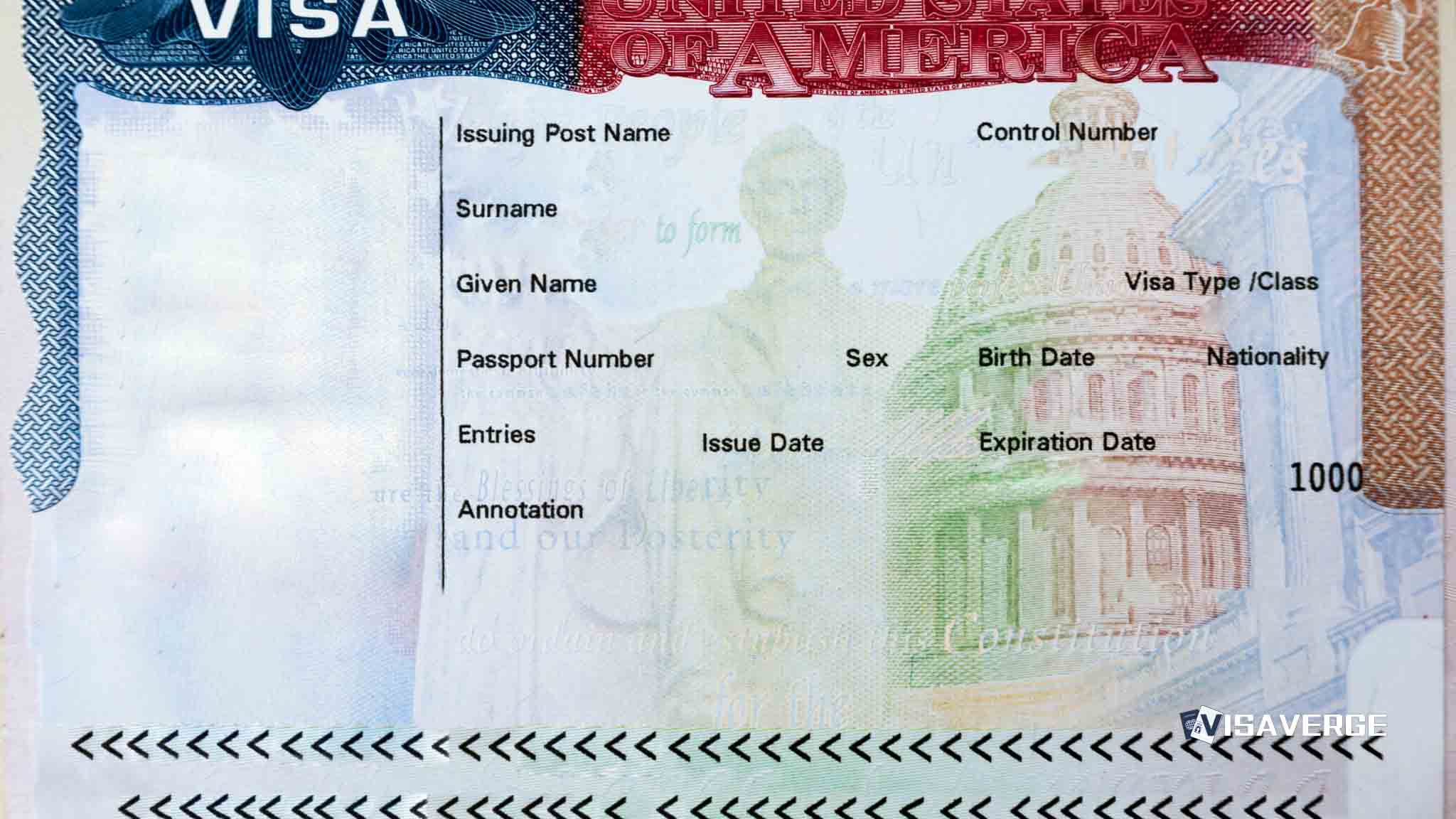
- USCIS launched a dedicated R-1 resource page on September 3, 2026, for religious workers and employers.
- The page organizes Form I-129 guidance, evidence rules, extension information, and case-question routing in one place.
- A separate 2026 rule removed the one-year foreign residency wait for certain workers after the five-year limit.
USCIS launched a dedicated online resource page September 3, 2026, for R-1 religious workers and the employers that petition for them. The page brings eligibility information, filing instructions, evidence requirements and case-question routing into one place. The agency announced the resources on X the same day.
The launch reorganizes guidance rather than rewriting the category. It does not create a new eligibility standard, change a filing fee or establish a new visa category. Employers and workers still must meet the existing requirements.

The materials address organizations sponsoring religious workers in the R-1 nonimmigrant category. That includes ministers and people working in religious occupations or vocations. Qualifying nonprofit religious organizations and nonprofit organizations affiliated with a religious denomination also fall within the covered employer group.
The page is aimed at both sides of the petition. Employers need to establish that the organization qualifies and that the offered position meets the category rules. Workers need evidence showing that their role and circumstances fit the classification.
The page puts the petition process in one place
Free toolDS-160 Form Filling Online Helper ToolEmployers generally begin the process by filing Form I-129, Petition for a Nonimmigrant Worker. The new resources organize the information around the main decisions petitioners must make:
- Confirm the organization’s eligibility. The sponsoring entity must meet the applicable religious or nonprofit requirements before filing.
- Document the worker and role. The evidence must address whether the worker qualifies and whether the position is a qualifying religious role.
- Prepare supporting evidence. The page explains the materials used to show that both the organization and worker meet the category requirements.
- Review extension information. The resources include guidance for R-1 extensions.
- Direct questions to the right agency or office. The page identifies where petitioners and workers should turn at different stages of the case.
The resource page is designed to reduce confusion over those steps. It does not replace the underlying eligibility rules.
Petitions still turn on the organization, job and worker
Religious workers should expect continued attention to the substance of the position. The agency will focus on whether the work is genuinely religious and whether the job, compensation and sponsoring organization satisfy the category requirements.
The existing R-1 page and Policy Manual remain the references for fuller eligibility and evidence rules. The new page gathers that material into a more accessible format.
That focus reaches beyond the worker’s title. Petitioners must connect the position, the organization and the compensation to the requirements of the classification. Evidence remains central.
The update also gives employers information about extensions. A petitioning organization can use the same resource structure when reviewing a continuing worker’s case, while workers can identify the information relevant to maintaining the classification.
A separate 2026 rule changes the wait after five years
A different DHS action changed what happens after certain R-1 workers reach the maximum stay. The five-year cap remains, but the prior one-year foreign residency requirement no longer applies in the covered circumstances.
| Stage | Rule described in the material |
|---|---|
| Maximum stay | The worker may remain in R-1 status for five years. |
| After reaching the limit | The worker must depart the United States. |
| Previous requirement | The worker had to spend one full year abroad before seeking a new R-1 admission. |
| Current change | Certain workers may pursue a new R-1 process without that one-year wait abroad. |
The material identifies the rule change as a January 16, 2026 R-1 change. A separate interim final rule summary is dated August 6, 2026.
The departure requirement did not disappear. The change instead removes the full-year wait for certain workers seeking to return through a new process after reaching the maximum stay.
Attorney commentary in the research describes the change as a continuity improvement for religious organizations. It can reduce disruption when long-term workers cycle out of the United States and later seek to return.
Employers should separate the guidance update from the rule change
The September 3 resource launch and the 2026 stay-related policy action address different issues. The resource page explains how to understand and prepare a petition. The separate rule changes the wait abroad for certain workers who have reached the five-year limit.
The launch itself carries no identified fee change, effective-date change or transition period. Employers should therefore use the page as an organized filing reference, not as a notice of newly imposed eligibility conditions.
The coverage describing the launch says the resources include information about case-specific questions. That routing can help petitioners identify the appropriate point of contact while a filing or extension moves through the process.
The five-year limit also remains a planning issue for employers with long-term workers. A worker who reaches that limit must leave the United States, even though certain workers may now seek a new R-1 process without waiting one full year abroad.