


- Lawful permanent residents aged 18+ must carry their Green Card (Form I-551) at all times under federal law.
- Nonimmigrants should carry passports and I-94 records to present during authorized inspections or enforcement encounters.
- Stricter 2026 enforcement includes expanded biometric screening and shortened validity periods for certain work authorization documents.
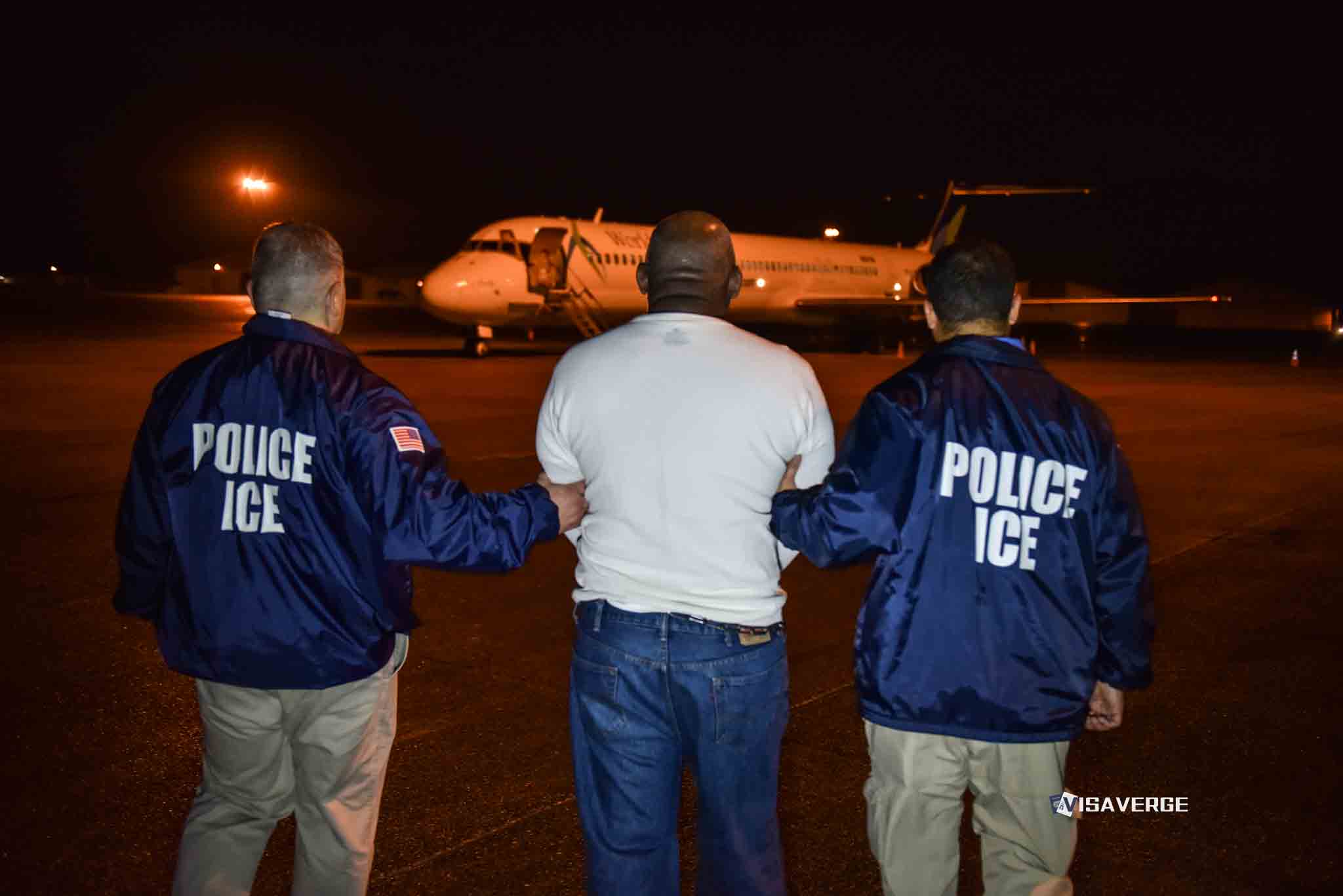
Lawful permanent residents, nonimmigrant visa holders, and other noncitizens should carry the right immigration documents before any encounter with Immigration and Customs Enforcement (ICE), Customs and Border Protection, or local police. Federal law treats that paperwork differently by status, but in 2026 the safest approach is simple: keep valid proof close, know your rights, and expect stricter checks at borders, workplaces, and traffic stops.
The risk is not theoretical. Heightened enforcement, expanded biometric screening at ports of entry, and tighter USCIS vetting now make missing paperwork more likely to trigger delays, secondary inspections, or status questions. VisaVerge.com reports that these checks are shaping everyday travel and work decisions for many immigrants.
Federal law sets the baseline
Under 8 U.S.C. § 1304(e), lawful permanent residents aged 18 and older must carry their Permanent Resident Card, Form I-551, at all times. Failure can bring a fine of up to $100 or up to 30 days in jail, though prosecutions are rare. Nonimmigrant visa holders do not face the same carry-at-all-times rule, but they must present valid documents when an authorized officer asks.
Free toolREAL ID Requirements Checker toolThat means the smart default is physical proof, not a phone screenshot. Electronic records and systems such as SAVE help officials verify status, but field encounters do not always allow time for a database check.
Documents by status
Lawful permanent residents should carry:
- Form I-551, the Green Card.
- Form I-327, the Reentry Permit, for long trips abroad.
- Extra proof of U.S. ties, such as tax returns, a lease, or a job letter, after extended travel.
Nonimmigrant visa holders should carry:
- A valid passport with visa stamp.
- Form I-94, the Arrival/Departure Record, from CBP.
- Status-specific papers such as Form I-20 for students, DS-2019 for exchange visitors, or Form I-766 for work authorization.
Refugees and asylees should keep a refugee travel document, approval notices, and any EAD. U.S. citizens do not have a federal carry rule, but a passport or Certificate of Naturalization helps at checkpoints.
2025 and 2026 changes that raise the stakes
Three developments now shape day-to-day planning. On December 4, 2025, USCIS shortened certain Employment Authorization Document validity periods to 18 months. On November 20, 2025, DHS expanded Biometric Entry/Exit to all ports, including air, land, and sea. USCIS also uses tighter electronic checks, including social media consistency review, tax returns, and forms.
Those changes matter because mismatched records invite closer questioning. H-1B and L-1 travelers should keep LinkedIn and petition dates aligned. Workers with EADs must track renewal deadlines earlier than before. Employers also need to reverify I-9 records on time.
What to do during an ICE encounter
At a traffic stop or public stop, stay calm and answer only what is required. If you have status documents, show them. If you do not, say you want a lawyer and choose to remain silent. Do not lie, and do not hand over false papers.
At work, ICE can enter public areas, but workers can still ask for counsel and present documents if asked. Employers must keep I-9 forms current, and Green Card holders usually fit List A.
At home, ask through the door whether officers have a judicial warrant. Do not open the door for a plain administrative notice. Record the interaction if it is safe.
If detention happens, five steps matter:
- Say nothing about immigration history.
- Ask for a lawyer.
- Ask that your consulate be told.
- Do not sign voluntary departure forms.
- Give your A-number so officials can verify status.
Document safety and replacement steps
Keep documents in a waterproof pouch, but store copies with a trusted contact, attorney, or password-protected cloud account. A small emergency plan helps families move faster during a raid or stop. List trusted contacts, child-care instructions, medical information, and money access in one place.
If a Green Card is lost, file Form I-90 at the USCIS Green Card replacement page. For travel documents, use Form I-131 at the USCIS travel document page. For I-94 records, use CBP’s online arrival and departure record tool. Check the USCIS official website before travel, because forms and instructions change often.
REAL ID rules also matter for domestic flights and federal buildings. A state ID alone may not be enough. Green Card holders should travel with a compliant state ID or passport when possible.
Families should also remember that some local sanctuary policies limit cooperation with ICE, but they do not cancel federal law. A local policy can change how an officer acts. It does not erase status obligations.
For lawful immigrants, the message is practical. Carry the right immigration documents, keep copies current, and match records across forms, work files, and travel history. Under federal law, those habits reduce the chance that an ICE stop becomes a bigger problem.




What an enhance driver license that some state provide like NY, is that enough proof for citizenship?
Hi! An Enhanced Driver’s License (EDL), like those issued in states such as New York, can be used as proof of U.S. citizenship in specific situations, such as re-entering the U.S. from Canada, Mexico, or the Caribbean at land or sea borders. However, it’s not a substitute for immigration status documentation or proof of citizenship in most other contexts. For routine encounters with immigration officials, carrying your Certificate of Naturalization, U.S. passport, or other official documents would be more reliable. Let me know if you need further clarification! ?
Thank you for your quick response, how about a certified copy of a passport?? carrying a passport everywhen is a hassle and of course running into the possibility of losing it, damaging etc.
You’re very welcome! A certified copy of a passport is helpful as a backup, but in most cases, it doesn’t replace the actual passport for verifying citizenship with immigration officials. To avoid carrying your passport daily, you might consider an alternative like a U.S. passport card (if you’re a citizen), which is more portable and durable. It’s valid proof of citizenship for land and sea travel and can be a convenient option for other situations where proof may be needed. Let me know if there’s anything else you’d like clarified!
There needs to information for natural born citizens that are Hispanic and could be stopped too. My daughter is frightened for her partner who has birthright citizenship, but is Hispanic. She’s afraid too because we have a president that doesn’t want to follow the constitution.
Is a passport an drivers license enough to verify citizenship?
Thank you for sharing your concerns. For U.S.-born citizens, a valid passport or a government-issued ID like a driver’s license is typically sufficient to prove identity and citizenship in most situations. However, carrying a copy of a birth certificate or even a passport card as backup could provide extra reassurance, especially if there’s concern about being questioned. While your daughter’s concerns are valid, knowing one’s rights and staying calm in such situations is key. It’s also worth consulting with an immigration or civil rights attorney for guidance specific to your family’s circumstances. Hope this helps!
A drivers license from states that have the enhanced driver license requirement should be enough for immigration officers…