- American Airlines plans to resume daily nonstop flights to Venezuela on January 29, 2026.
- The restart is pending government approval and security assessments, meaning schedules may shift.
- This marks the first U.S. carrier return since the aviation market suspension in 2019.
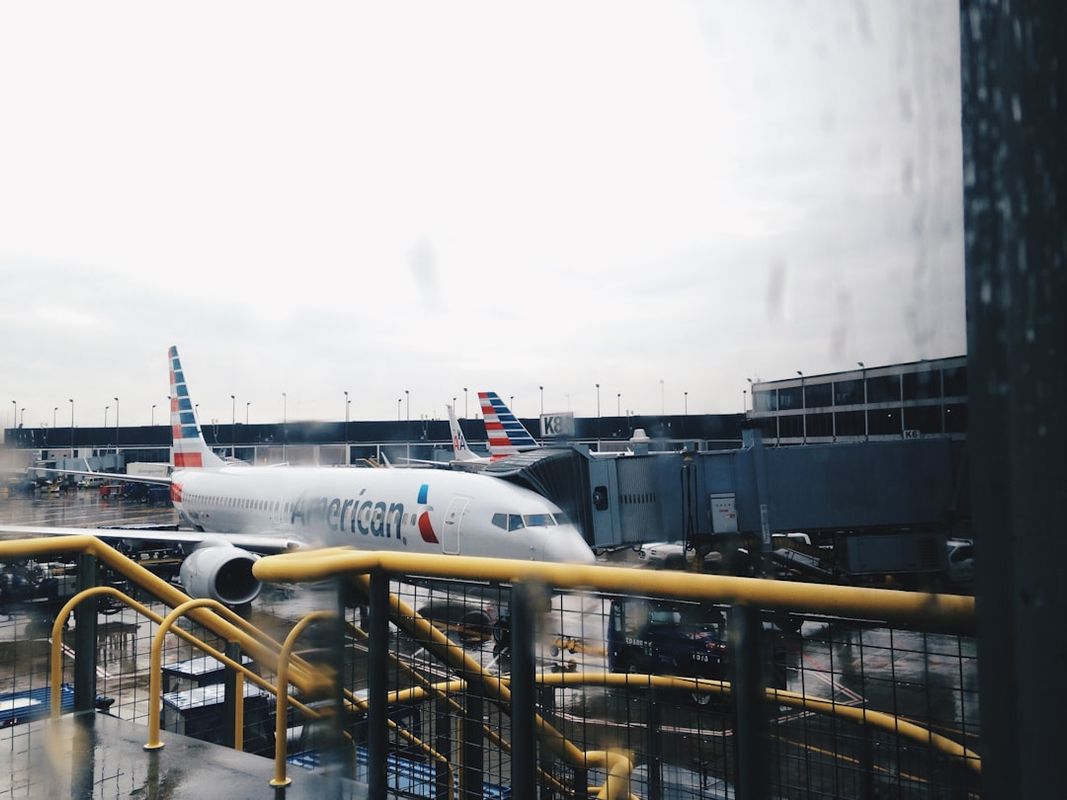
(VENEZUELA) — American Airlines says it plans to resume daily nonstop flights to Venezuela on January 29, 2026, a big shift for travelers who have relied on connections since U.S. carriers left the market in 2019. The catch is the fine print: the restart is pending government approval and security assessments, so early schedules and even launch timing can still move.
For U.S.-based travelers with family ties, urgent business, or time-sensitive paperwork, this is the most important U.S.–Venezuela aviation development in years. It could cut travel time dramatically, reduce misconnect risk, and make award travel easier to piece together.
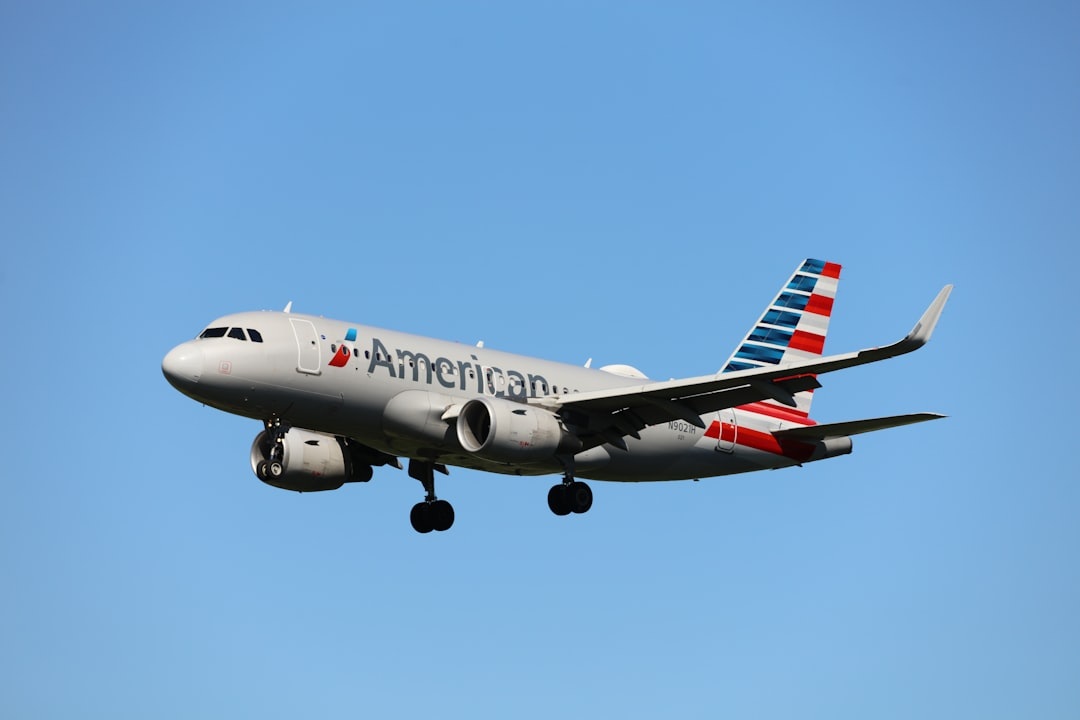
It also brings back a familiar player for AAdvantage members who want to earn or redeem miles on a nonstop.
Announcement and what “pending approvals” really means
American Airlines’ announcement is a milestone because it positions the carrier as the first U.S. airline to restart Venezuela service since the 2019 suspension. That matters even if you never fly American. Once one carrier returns, it often becomes easier for others to follow.
“Pending government approval and security assessments” is traveler-speak for: don’t plan your wedding, court date, or visa appointment around a schedule that has not fully cleared regulatory and operational gates. Airlines can publish flights, sell tickets, and still adjust start dates if approvals lag.
The people most affected are the ones who feel every extra connection:
- Families and diaspora travelers trying to reunite quickly
- Business travelers with short-notice trips
- Anyone with time-sensitive documents or medical travel
- Travelers who have avoided certain routings due to reliability concerns
Before/After: what changed for travelers
| Before (2019–Jan. 29, 2026) | After (Announced Jan. 29, 2026) | |
|---|---|---|
| U.S. airline service to Venezuela | No U.S. carrier operating | American Airlines plans daily nonstop service |
| Booking confidence | Mostly dependent on foreign carriers and connections | Better potential nonstop options, but timing can still shift |
| Main risk | Misconnects and irregular operations across multiple tickets | Approval, security review, and airspace constraints can delay launch |
📅 Key Date: Thursday, January 29, 2026 is the announcement date, and U.S. officials set an “end of Thursday” target tied to airspace actions. Expect rapid changes through this week.
Political and regulatory context that affects your booking
The announcement followed a U.S. directive to open commercial airspace over Venezuela by the end of Thursday. U.S. officials also requested coordination with the FAA and defense officials.
Here’s the key traveler point. A broad policy direction is not the same thing as an airline being cleared to operate safely on Day 1. Airlines still need operational authorizations and multiple sign-offs before starting flights.
Airlines still need:
- Operational authorizations and compliance sign-offs
- Safety and security reviews
- Insurance and risk approvals
- Airport and ground-handling readiness
The FAA action matters, too. Venezuela was removed from the FAA’s Flight Prohibition Notices list, but another restriction still matters in practice. Even when a prohibition list changes, separate NOTAMs can still shape what flights can operate, and how.
Regulatory uncertainty hits travelers in three practical places:
- Schedule reliability: start dates and flight times can shift
- Pricing: early fares can be high, then drop when competition returns
- Refund outcomes: your options depend on whether the airline changes the schedule, or you do
FAA status and airspace realities you’ll feel on travel day
Even if your flight is labeled “nonstop,” airspace and security decisions can change the real-world operation.
A NOTAM is the FAA’s way of communicating operational restrictions. A NOTAM can restrict U.S. flights to, from, or over certain airspace even after other policies change. That affects nonstop routes, but it can also affect connecting itineraries that overfly the region.
One detail worth knowing is the scale of the Maiquetía Flight Information Region, which covers 1,204,815 square kilometers. FIR boundaries matter because airlines plan routings and dispatch rules around them. If restrictions remain in or near an FIR, carriers may pad schedules, alter routings, or add fuel planning margins.
Security assessments are another gating item. They can push a start date by weeks or months, even after a headline announcement.
What you should watch for as a traveler:
- Sudden reroutes that change departure or arrival times
- Extra schedule padding that makes flights look longer than expected
- One-off fuel stops if routings need flexibility
- Day-of-travel cancellations during the first weeks of service
⚠️ Heads Up: If you must travel in a specific week, avoid stacking tight onward connections on separate tickets. Early days of a restarted route can be choppy.
American’s Venezuela history, and what it signals for service
American is not new to this market. The airline began service to Venezuela in 1987 and previously became the largest U.S. carrier operating there before the 2019 suspension.
That history matters because it suggests American understands demand patterns, including visiting friends and relatives traffic tied to school breaks and holidays, business travel linked to trade and services, and peaks that can overwhelm staffing and airport processes.
The airline is also framing the return around reunification, commerce, and renewing ties. That’s standard airline messaging, but it hints at strategy. If the first flights sell well and operate reliably, additional frequencies or cities can follow over time. Early schedules are often conservative until operational performance is proven.
Route, timing, and what to verify once sales open
American has not published confirmed route details, start dates beyond the restart target, or fares in the announcement. That means your planning should focus on process.
Here’s how these launches usually work:
- Flights appear in the schedule. Airlines publish planned flights once initial coordination is done.
- Tickets go on sale after internal and airport coordination. Sales can follow preliminary scheduling and approvals.
- Aircraft assignment and exact timings can change. Early schedules are often adjusted for operational factors.
- Airline fine-tunes the schedule after early bookings and approvals. Expect tweaks as the launch approaches.
Miami is frequently discussed as a likely first gateway because it is American’s powerhouse hub for Latin America connectivity. Still, it is not final until it’s loaded for sale.
Once you see flights, verify the traveler-critical items:
- Operating days and departure times
- Connection options on a single ticket
- Change and refund rules for your fare
- Passport and visa checks at check-in
- Any added documentation steps that slow airport processing
Baggage rules also matter on a route restart. Policies can differ by fare type, and enforcement can be stricter when manual document checks slow the line. Read the baggage terms on your exact fare before you buy, especially if you’re connecting onward in the U.S.
Who’s affected, and who isn’t
Most affected
- Travelers who previously routed via third countries
- Families traveling with children or elderly relatives
- Business travelers needing a fast, predictable itinerary
- AAdvantage members planning status or award travel
Less affected
- Travelers already satisfied with existing one-stop options
- Passengers booking far in advance with flexible dates
- Anyone using fully refundable fares who can pivot easily
Miles, points, and elite status: how to play this smart
If American loads these flights for sale, expect strong early demand. That can mean higher cash prices and limited award space at first.
Practical AAdvantage angles:
- If you’re chasing elite status, nonstop cash tickets can be a cleaner way to earn on one itinerary, rather than piecing together partners.
- If you’re using miles, look for awards with flexible cancellation. That protects you if the launch timing shifts.
- If partner airlines publish availability first, compare mileage rates and fees. Some partners price Latin America differently than American.
Competitive context is simple for now. American is moving first among U.S. carriers, and that usually gives it early pricing power. If another U.S. airline follows, fares and award space often improve.
Risk factors that can still disrupt the experience
Several stakeholders can influence whether flights operate as planned, including airline security teams and local airport readiness, crew and union safety reviews, and FAA warnings that can affect routing or dispatch decisions, including regional GPS interference concerns.
Consumer protection basics matter more on a “new” route:
- Screenshot your itinerary and fare rules after purchase
- Track schedule-change emails closely
- Keep receipts for out-of-pocket costs if disruptions occur
If you’re booking now, the safest move is a ticket that keeps you flexible. Choose refundable fares when you can, or use miles with favorable cancellation rules, until approvals and operational clearance are fully locked in.
Live Government Data
State Dept • CBPBusiest Border Crossings
- El Paso 70 min
- Eagle Pass 60 min
- Hidalgo/Pharr 35 min
Related Coverage