January 3, 2026
- Updated commercial start timeline from summer/March 2025 to commercial operations scheduled in 2026
- Added certification flight date: May 8, 2025, and noted officials’ attendance
- Clarified terminal size to 22,000 sqm and precise runway dimensions (3,200 m × 60 m, elevation 2 m)
- Added confirmed seasonal route launch dates for Sunclass and Chair Airlines in June–July 2026
- Expanded economic and policy details: >1,000 on-site jobs forecast, €104 million investment, GDP and tourism targets, and visa/FDI incentives
(VLORA, ALBANIA) — Vlora International Airport completed its first certification flight on May 8, 2025, as Albania pressed ahead with plans to start commercial operations in 2026 at what it calls a new southern gateway for tourism and business.
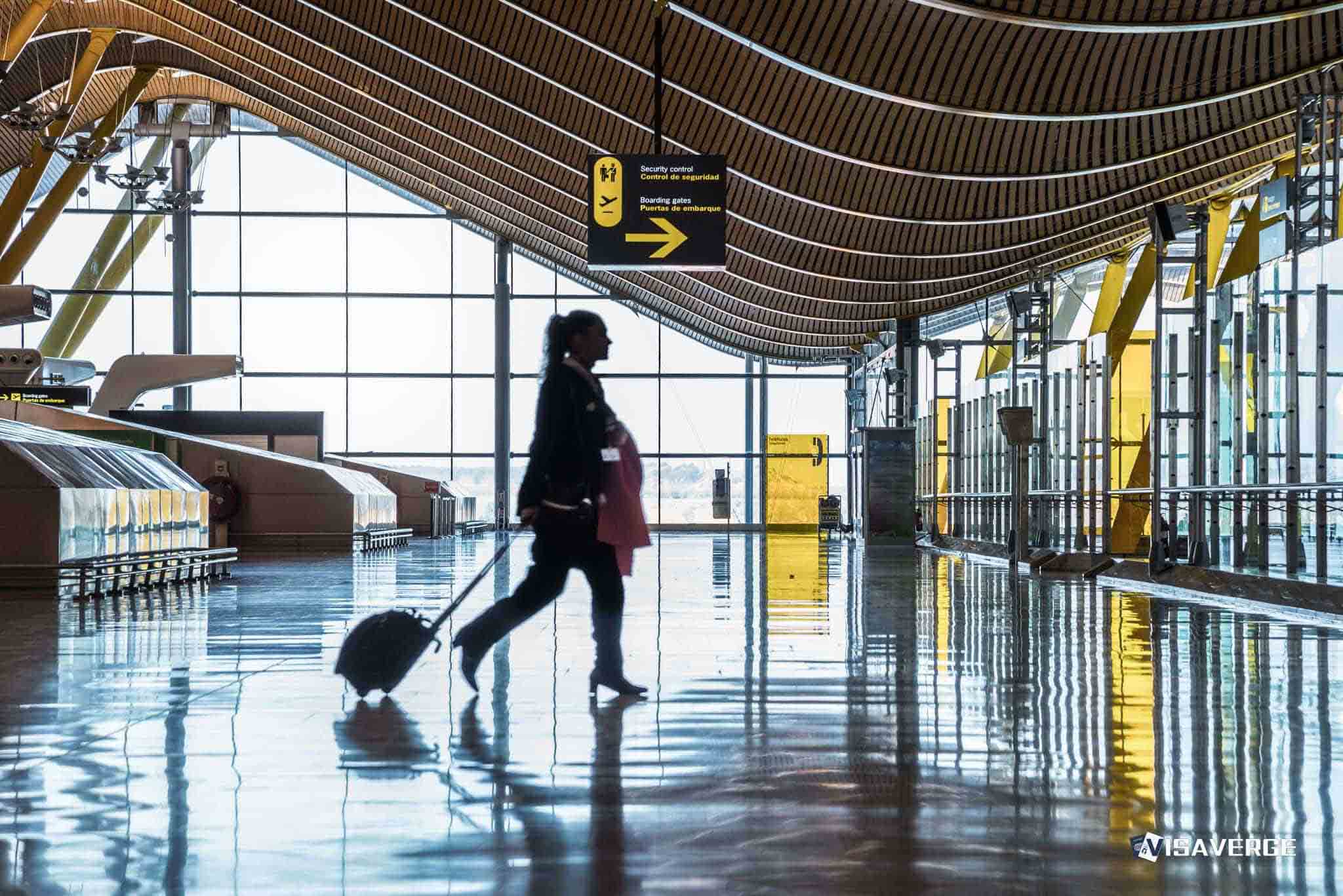
Prime Minister Edi Rama attended the certification flight alongside Infrastructure Minister Belinda Balluku, newly hired staff and Kosovo guests including Behgjet Pacolli, as officials shifted the project’s focus from construction to operations.
Rama praised what he called “double-headed eagle” teamwork between Albanian and Kosovar personnel and told attendees it took “An extraordinary amount of work. to ensure a solid platform built to the highest international standards.”
Airport overview and capabilities
Vlora International Airport (VIA) is managed by Flughafen München and is being built to handle wide-body aircraft such as the Airbus A330 and Boeing 777. Key infrastructure and capacity details include:
- Runway: 3.2 km (Runway 12/30 spans 3,200 meters by 60 meters), elevated 2 meters above sea level to combat flooding on terrain that is 2.5 meters above sea level.
- Terminal: 22,000 sqm (expanded from initial estimates of 20,000–25,000 sqm).
- Passenger capacity: Over 1 million passengers annually.
- Site: Located on a 309-hectare site, 10 km north of Vlora city near Akërni village.
A concise technical table:
| Feature | Specification |
|---|---|
| Runway length & width | 3,200 m × 60 m |
| Terminal area | 22,000 sqm |
| Site area | 309 hectares |
| Elevation (runway) | 2 m above sea level |
| Passenger capacity | >1 million/year |
Commercial operations and airlines
Commercial flights are scheduled to begin with several seasonal services:
- Sunclass Airlines:
– Stockholm-Arlanda: June 3, 2026
– Oslo: June 6, 2026
– Copenhagen: June 17, 2026
2. Chair Airlines:
– Zürich: July 10, 2026 (seasonal service)
3. Air Albania:
– Set to base operations at the airport and expand its fleet and routes.
4. Air Kosova:
– Plans to operate from VIA; company was registered January 2025 and is preparing launches.
Air Albania is described as having five aircraft and expanding to seven plus a business fleet as it positions itself for routes tied to the new airport.
Jobs, recruitment and economic aims
Recruitment for the initial 100 positions began earlier in 2025, covering:
- Security
- Baggage handling
- Customer service
- Management
Project forecasts include:
- >1,000 direct on-site jobs (aircraft maintenance, cargo handling, etc.)
- Thousands more jobs in tourism, logistics and cargo as broader economic effects unfold
The investment is listed at €104 million, and government backers link the airport to wider economic targets:
- Albania’s GDP target of €35 billion by 2030
- Government claim that Albania’s economy tripled to €25 billion under Rama
- 2025 growth cited at 3.9%, fueled by aviation and construction
Tourism projections tied to VIA:
- Revenue of €6.7 billion by 2030
- 76% accommodation growth forecast by 2030
- Government incentives include tax breaks for new hotels
Foreign investment, visas and workforce policy
Policy tools and incentives aimed at investors and workers near VIA include:
- Albania’s National Tourism Strategy 2024–2030 prioritizes foreign direct investment (FDI)
- Streamlined D-type investor visas for those funding tourism ventures near VIA
- Type D residence permits for business owners described as requiring €100,000+ investments, with fast-tracks for job-creating projects
- Tourism FDI reportedly surged 25% since 2025
- Work visa quotas described as expanding 15% in 2025 amid labor demand
- Immigrants investing €250,000+ in airport-adjacent businesses described as qualifying for golden visa-like paths
Entry rules for travelers mentioned:
- Visa-free stays for 90 days for Schengen-bound nationals
- E-visas processed in 48 hours
Cargo, logistics and role in national network
The airport is pitched as a cargo entry point for Albania, described as a first for the country and intended to complement passenger growth.
VIA is part of a wider aviation plan including:
- Tirana: Upgrades for transoceanic flights and talks with Qatar Airways
- Kukës: Positioned as a low-cost hub
- A future Saranda airport described as a project for the next mandate
Tirana is noted as now outpacing Belgrade in passengers and operating 24/7, offering a blueprint VIA is expected to follow.
Infrastructure pressure concerns were raised, with €500 million in 2025 investments allocated to roads, water and related services.
Environmental and security concerns
Environmental questions have followed the project because of proximity to:
- Vjosa Wild River National Park
- Narta and Karavasta lagoons — important areas for migratory birds
Critics cited biodiversity risks; airport backers point to mitigation steps, monitoring and sustainability measures including:
- 5.2 MWh solar panels
- Use of eco-materials and continuous environmental monitoring
- Government pledges to comply with EU standards
- Ongoing audits intended to ensure minimal disruption
Security concerns surfaced in 2025 over alleged Russian links in financing or ownership, prompting official reviews. Officials affirmed transparency and cited Flughafen München oversight as a mitigating factor.
Project history, construction and partners
- Construction began in November 2021 by a consortium:
- Mabco Constructions (Mabetex Group)
- Turkey’s YDA Group
- Kosovo’s 2A Group
- The project overcame delays linked to COVID-19 and the aftermath of the 2019 earthquake
- Management and operations have shifted focus as the airport moves from construction to certification and commercial launch
Framing and political context
Officials have cast Vlora International Airport as emblematic of a broader economic diversification push toward tourism, aviation and logistics. Infrastructure Minister Belinda Balluku and Prime Minister Edi Rama have described the airport as a powerful boost expected to accelerate economic and tourism goals.
“An extraordinary amount of work. to ensure a solid platform built to the highest international standards.” — Edi Rama
Vlora International Airport (VLO/LAVL) is positioned as a new entry point for tourism, aviation and logistics in southern Albania.
Vlora International Airport has successfully passed its first certification flight, signaling readiness for its 2026 commercial launch. The airport features a 3.2 km runway and capacity for 1 million passengers annually. It is positioned as a strategic hub for southern Albania, aiming to boost tourism, create thousands of jobs, and attract foreign investment through streamlined visa processes while adhering to international aviation and environmental standards.
Live Government Data
State Dept • CBPBusiest Border Crossings
- Eagle Pass 75 min
- El Paso 70 min
- Otay Mesa 45 min