- Albuquerque City Council voted on a gross receipts tax increase to fund municipal services.
- The Safer Community Places Ordinance seeks to limit local cooperation with federal immigration authorities.
- Federal mandates now require the arrest and detention of refugees who fail to adjust status.
(ALBUQUERQUE, NEW MEXICO) — The Albuquerque City Council met Monday to vote on a Gross Receipts Tax (GRT) increase and the Safer Community Places Ordinance, pairing a major revenue decision with an immigration-related public safety measure as federal enforcement concerns draw growing local attention.
Council members took up the tax package under Ordinance O-26-16 and the immigrant protection proposal under Ordinance O-26-15, with both measures framed by supporters and critics as high-stakes actions that could shape city services, costs, and relations with federal authorities.
Free toolSubstantial Presence Test Calculator
Attention at the meeting focused on whether the council would pass either ordinance as written, adopt amendments, or delay action, with implementation steps and enforcement details expected to determine how quickly residents and city workers feel the effects.
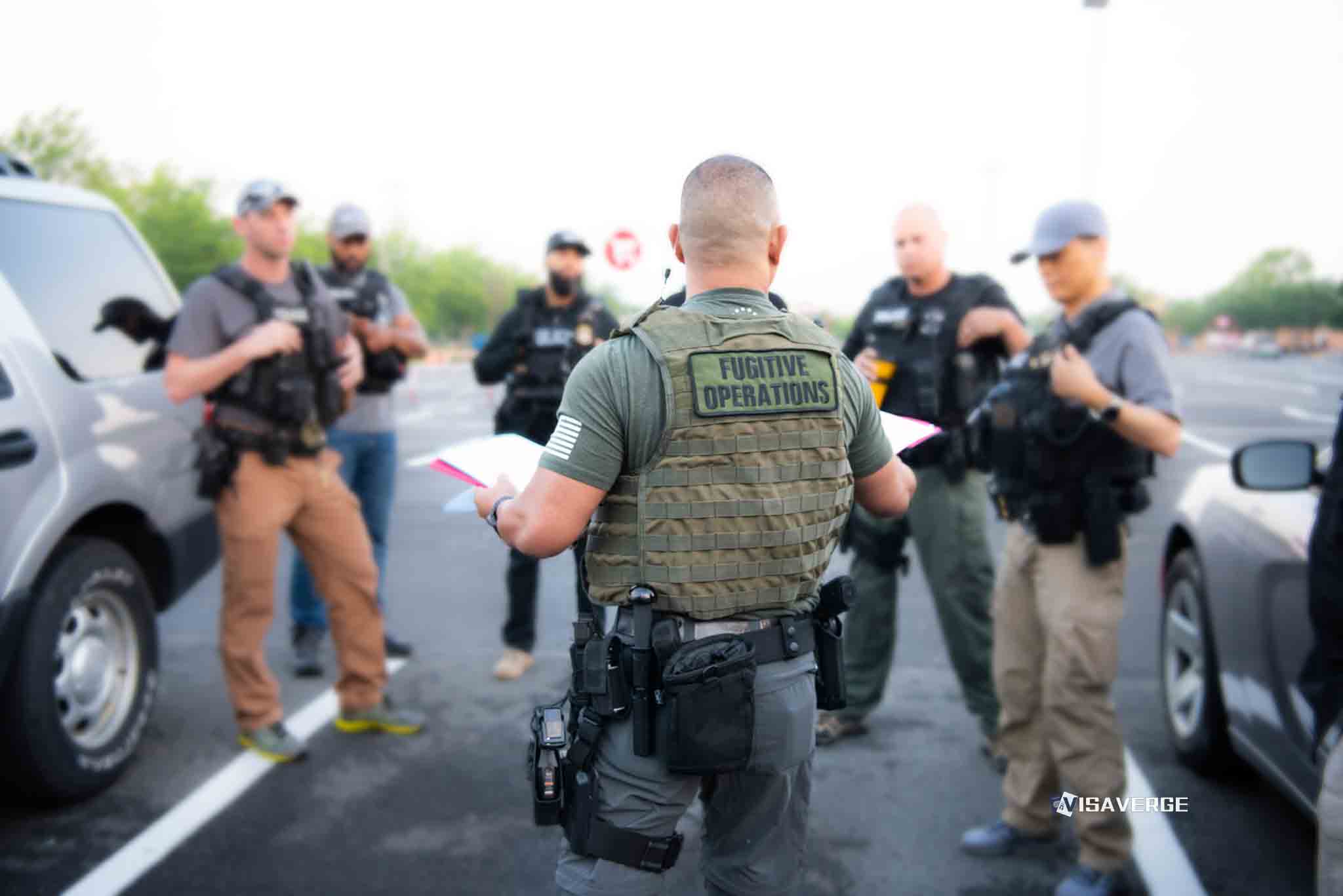
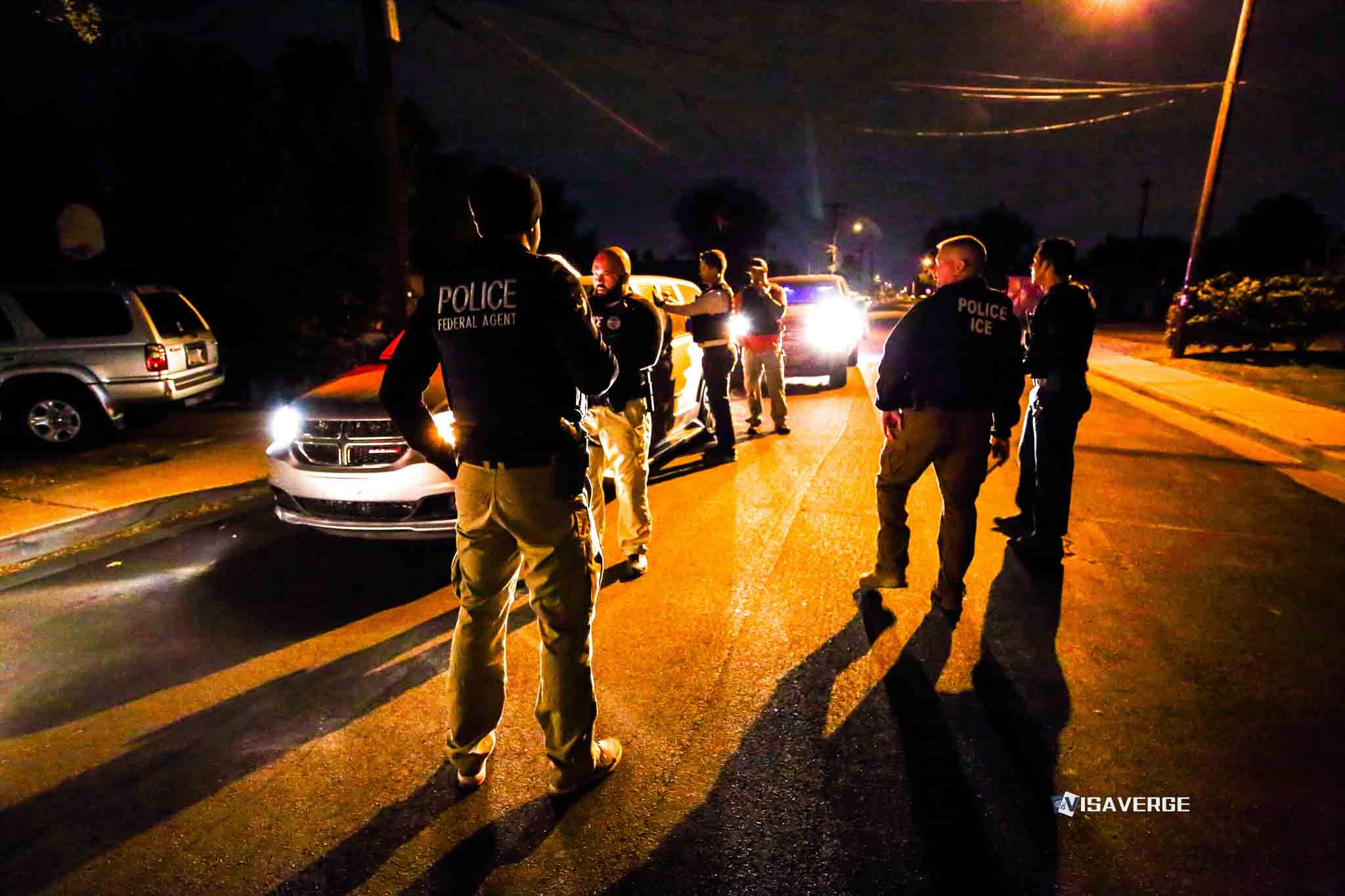
Debate around both items has unfolded as the Department of Homeland Security (DHS) under Secretary Kristi Noem and the Trump administration intensify interior enforcement, an approach local advocates and opponents have cited while arguing over Albuquerque’s policy choices.
A joint memorandum from USCIS and ICE titled “Detention of Refugees Who Have Failed to Adjust to Lawful Permanent Resident Status,” filed in federal court on February 18, 2026, has become a central reference point in the local debate over protections and public trust.
The memo states that DHS “may arrest and detain a refugee who has lived in the United States for at least one year and has not yet acquired LPR [lawful permanent resident] status.” It also calls the one-year mark a “mandatory re-vetting point” and requires “affirmative actions of locating, arresting, and taking” into custody refugees who have not submitted adjustment applications.
At the City Council meeting, members weighed the GRT proposal’s potential to finance city priorities against concerns about the tax burden on residents, including immigrant and lower-income households that critics argue would feel the increase most sharply.
Ordinance O-26-16 proposes increasing the gross receipts tax by 0.4875%, which would raise the city’s total rate from 7.625% to 8.113%.
The city’s agenda materials project the increase would generate approximately $119 million annually, with funding tied to new municipal buildings, infrastructure, employee pay raises, and “Quality-of-Life” enhancements including reduced fees for public pools and museums.
Rio Grande Foundation criticized the proposal as a “regressive” tax, arguing it would disproportionately affect lower-income residents.
Supporters of the GRT package argued the revenue would stabilize city finances and support service demands, while linking the need for local capacity to the state’s loss of federal contracts after the shutdown of ICE facilities like those in Torrance and Cibola counties.
Immigration policy disputes over the Safer Community Places Ordinance tracked a different fault line, with council members debating what city staff and local police should do when federal immigration agents seek access to certain locations or information.
Ordinance O-26-15 codifies and expands Mayor Tim Keller’s July 2025 executive order by barring ICE from using city facilities such as parking lots and offices, and by designating schools, clinics, and shelters as “safe spaces” where federal entry requires a judicial warrant.
The ordinance also includes data privacy rules that prohibit city staff from sharing resident data with federal immigration authorities, including information tied to 911/311 calls or license plate reader systems.
A separate provision creates a “duty to intervene” for local police if federal agents violate the ordinance, an enforcement concept that drew questions about how city employees would apply the rules in real time and what risks they might face during encounters with federal personnel.
Councilor Dan Lewis, a Republican, proposed an amendment that would make city officials personally liable for damages if the ordinance obstructs a lawful federal warrant, setting up a dispute over whether the measure would protect city workers or expose them to greater legal and financial jeopardy.
The council’s consideration of the Safer Community Places Ordinance comes as state policy has moved in a similar direction, including a new restriction aimed at limiting cooperation and detention infrastructure tied to federal immigration enforcement.
Governor Michelle Lujan Grisham signed the Immigrant Safety Act (HB 9) on February 5, 2026, banning 287(g) agreements and the use of public land for ICE detention across New Mexico.
Federal officials and administration allies have also increased pressure on sanctuary jurisdictions, and local advocates and opponents have cited those signals in arguing over whether Albuquerque should harden protections or narrow them to avoid conflict with Washington.
On February 25, 2025, Noem announced that DHS would fully enforce the Immigration and Nationality Act to compel “mass self-deportation.”
DHS Spokesperson Tricia McLaughlin said: “The Trump administration will enforce all our immigration laws—we will not pick and choose. we must know who is in our country for the safety and security of our homeland.”
In February 2026, Senator Lindsey Graham introduced the End Sanctuary Cities Act of 2026, which seeks to impose criminal penalties on local officials who ignore DHS detainer requests, a proposal frequently raised in local debates over whether municipal policies could trigger funding or legal pressure.
Local advocates have argued the February 18 memo elevates risks for refugees, while also contending city protections affect whether people seek help at schools, clinics, and shelters.
The memo’s detention and re-vetting language has fueled warnings that thousands of legal refugees in Albuquerque face a risk of “indefinite detention” if they miss their one-year green card application deadline.
Advocates have also argued the Safer Community Places Ordinance could shape whether families continue avoiding public services because of an “uptick” in federal arrests near clinics and stores.
The City Council’s paired votes drew attention because they link a citywide tax increase with policy constraints on how city facilities, data systems, and staff respond to federal immigration activity, tightening the connection between municipal capacity and community trust.
Supporters of the GRT increase connected revenue to service delivery and employee pay, while critics centered the equity argument over how consumption taxes fall on residents with less disposable income.
Backers of the Safer Community Places Ordinance argued the warrant threshold, safe-space designations, and limits on data-sharing protect residents and maintain cooperation with local institutions, while opponents pointed to the amendment debate over personal liability as evidence that the ordinance could collide with federal warrants.
Residents seeking to confirm the agenda language and ordinance text can use the City of Albuquerque’s public meeting calendar and documents on cabq.legistar.com, where the council posts items, versions, and updates tied to votes and amendments.
Federal updates tied to the enforcement posture debated locally appear on the DHS newsroom page at dhs.gov/news and in USCIS announcements at uscis.gov/newsroom/news-releases.
For state legislation, New Mexico’s bill history and statutory materials for HB 9 are available through the legislative portal at nmlegis.gov, a resource used by both supporters and critics as they track how state restrictions intersect with city rules.
As council members weighed final language and amendments, the federal enforcement message frequently cited in the meeting remained the one McLaughlin delivered: “The Trump administration will enforce all our immigration laws—we will not pick and choose. we must know who is in our country for the safety and security of our homeland.”